2027 Best Professional Masters Degrees for Work-Life Balance

Co-Founder and Chief Data Scientist
A flexible master's program is little help if the career it leads to regularly demands nights, weekends, or unpredictable hours. For working adults choosing a professional degree, both sides of that equation matter.
The U.S. Bureau of Labor Statistics (BLS) projects 34% employment growth for data scientists from 2024 to 2034, illustrating the appeal of a growing field - but growth says nothing about an individual job's schedule. This guide compares ten degree families by study demands, career flexibility, and practical trade-offs so you can identify a path that fits your life.
Key Things You Should Know
- For predictable schedules, consider education leadership, healthcare administration, and business roles - but check the specific employer and position; leadership jobs may require evening or on-call work.
- Technology degrees can support flexible or remote-capable roles, but cybersecurity incidents, software releases, and project deadlines can disrupt regular hours.
- Compare the full commitment: asynchronous coursework does not eliminate fixed deadlines, and counseling and nursing pathways may require supervised, in-person hours.
Top 10 Best Professional Masters Degrees for Work-Life Balance
Business / MBA Programs
A Master of Business Administration (MBA) can suit experienced professionals seeking broader management skills without changing industries. Part-time and asynchronous options may preserve working hours, although team projects often require coordination outside class.
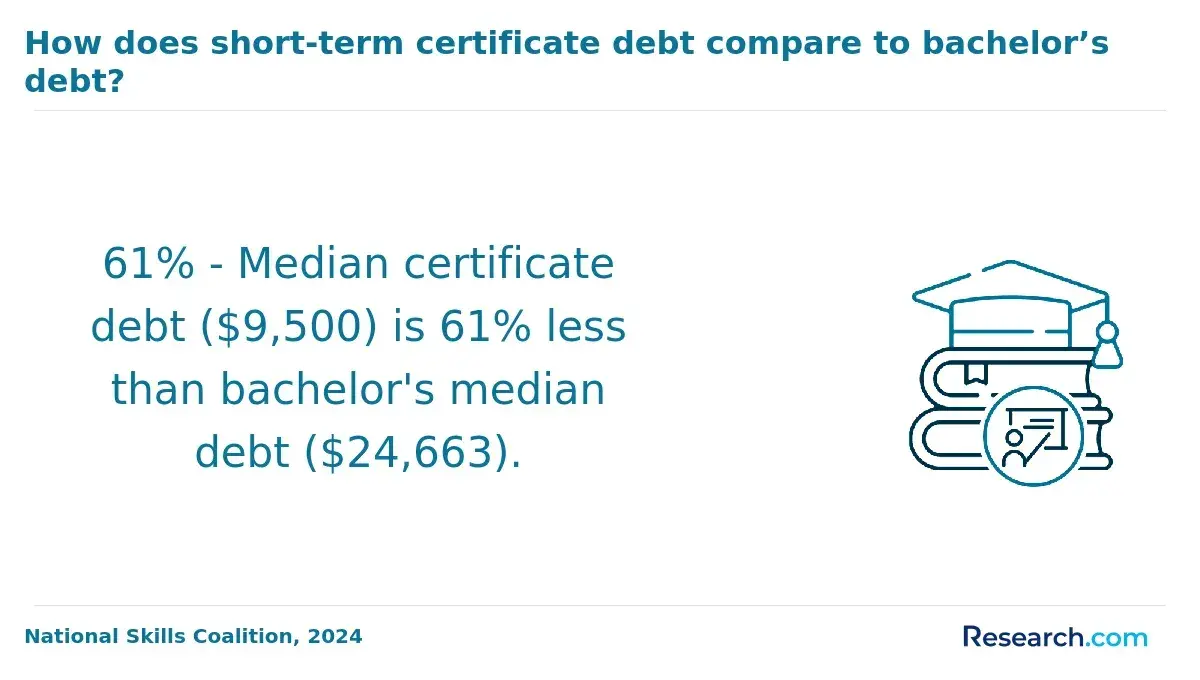
Careers in operations, finance, or human resources can offer conventional schedules; consulting, executive, and client-facing roles may not. Compare concentrations and employer expectations rather than assuming an MBA leads to a particular title or hours. If you mainly need one skill, a graduate certificate may demand less time and money.
Healthcare Administration & Management Programs
A Master of Healthcare Administration (MHA) or healthcare-focused MBA teaches organizational finance, operations, quality, and regulation. Administrative roles in outpatient organizations or insurers may offer steadier hours than hospital operations, where around-the-clock services can create on-call duties.
Online coursework may fit a working schedule, but internships or capstones can require employer coordination. This is a stronger match for people who want to manage healthcare systems than for those seeking a clinical credential; advancement generally also depends on relevant experience.
Information Technology Programs
A Master of Science (MS) in Information Technology commonly covers systems, cloud services, databases, and IT leadership. Coursework may be available part-time without laboratory attendance, making it worth considering for employed technologists.
Workplace balance varies sharply: internal systems planning may have predictable cycles, while infrastructure support and outages can mean after-hours coverage. Ask whether a target role includes an on-call rotation. For an experienced worker seeking a narrow technical upgrade, certification may be a more focused alternative.
Computer Science Programs
An MS in Computer Science can deepen software, computing, or AI expertise and may include a thesis or project. Some programs accept career changers through prerequisite courses, which add time to an otherwise flexible plan. Software development can sometimes be done remotely or on a regular schedule, but release deadlines and team time zones affect actual hours. Choose this path when advanced technical preparation serves a clear goal; a portfolio and experience may be more useful than graduate study for some roles.
Cybersecurity Programs
An MS in Cybersecurity can prepare students for security engineering, governance, or risk work. Governance and compliance jobs may follow planned review cycles; incident response can involve urgent nights and weekends. An online degree does not change that occupational difference. Compare concentrations against the jobs you want, and ask employers about incident rotations. Security experience and relevant certifications can matter alongside the degree; a master's alone does not qualify someone for a senior security role.
Data Science / Analytics Programs
An MS in Data Science or Business Analytics typically combines statistics, programming, data management, and applied projects. Analytical work may allow scheduled, independent blocks of time, but stakeholder requests and reporting deadlines can interrupt them.
Check whether your preferred program assumes prior calculus, statistics, or coding; bridge courses can extend completion. Choose a business analytics track for decision-focused work or a more technical data science track for modeling-intensive goals. Neither degree guarantees a flexible job.
Education / Educational Leadership Programs
A Master of Education (MEd) in educational leadership may fit teachers seeking curriculum or school leadership responsibilities. School calendars offer some predictability, but administrators often work beyond classroom hours and attend evening events. Some programs require field-based leadership experiences that must fit around a current job.
Principal or administrator eligibility depends on state rules and, often, teaching experience. If schedule stability is the priority, compare curriculum, instructional-design, and administrative roles rather than treating them as equivalent.
Counseling / Psychology Programs
A licensure-oriented MA or MS in Counseling differs from a general psychology master's: it typically includes supervised practicum and internship work, followed by additional state licensing steps. Those placements can be difficult to schedule around full-time employment. Once qualified, counselors may have more control over appointments in some settings, while crisis services and client availability can require evenings. Verify that the exact program meets your intended state's requirements before valuing its online convenience.
Nursing Programs
A Master of Science in Nursing (MSN) can support clinical specialization, education, or leadership for eligible registered nurses. Clinical tracks generally require supervised placements even when lectures are online. Nurse educator and some administrative roles may have more regular hours than bedside shift work, but staffing, clinical teaching, and leadership responsibilities can still extend the day.
Admission, clinical eligibility, certification, and practice authority vary by track and state. Compare those requirements before committing to a schedule that looks flexible on paper.
Engineering Management Programs
An MS in Engineering Management blends technical project work with budgeting, operations, and leadership. Part-time study may let engineers remain employed, and planning-oriented roles can have relatively predictable schedules.
Manufacturing disruptions, field operations, and delivery milestones are less predictable. The degree is most useful when it builds on engineering experience and a plausible management path; it does not substitute for that experience. Compare required group projects and capstones with your busiest work periods.
What professional master's degrees offer the best work-life balance?
There is no universally best field. If you want both manageable study and a reasonable chance of predictable work, start with education or instructional leadership, healthcare administration outside round-the-clock operations, business functions with defined hours, and planning-oriented analytics or technology roles. Then assess the particular job - not just the degree title.
The comparison below separates program flexibility from career scheduling. It highlights the trade-off most likely to change a working adult's decision.
| Degree family | Potential schedule advantage | Important counterweight |
| Business, healthcare administration, or engineering management | Part-time study and planning-oriented roles may fit established work routines. | Leadership, operational emergencies, and deadlines can extend hours. |
| IT, computer science, or analytics | Some project work and coursework can be done remotely or asynchronously. | On-call duties, releases, and stakeholder deadlines differ by role. |
| Education leadership | Work often follows an academic calendar. | School events, administrative demands, and field experiences add commitments. |
| Counseling or nursing | Some qualified practitioners can seek scheduled appointments or non-shift roles. | Clinical placements, licensing steps, and patient or client needs limit flexibility. |
Balance is not the same as academic ease. A reader considering an easiest master degree should still compare required attendance, fieldwork, and the hours common in their target job.
Which careers provide strong salaries and predictable work schedules?
Occupational salary data can identify financially promising paths, but it cannot establish predictable hours or show what a master's graduate will earn. The BLS reported the following U.S. occupational median annual wages for May 2024. These figures cover workers across education and experience levels.
| Occupation | May 2024 median annual wage | Schedule consideration |
| Software developers | $133,080 | Ask about release cycles, incident support, and time-zone expectations. |
| Information security analysts | $124,910 | Incident-response assignments can require work outside regular hours. |
| Medical and health services managers | $117,960 | Hours depend heavily on whether services operate around the clock. |
| Data scientists | $112,590 | Project deadlines and stakeholder schedules shape the workweek. |
None of these occupations universally requires a master's degree, and experience is especially important for management roles. Before paying for graduate school, compare job postings for your target position with what you could reach through experience, a certificate, or your existing highest-paying degree options. In interviews, ask about typical hours, on-call frequency, and how often deadlines change.
How do online and campus-based master's programs compare for flexibility?
Online delivery removes a commute, not necessarily a schedule. An asynchronous course permits students to access lessons at different times but can still impose weekly deadlines. A synchronous online course requires attendance at set times. Campus programs involve travel but may provide a predictable class routine and easier access to in-person facilities.
Hybrid programs fall between those models and should be judged by how often attendance is required. For every format, inspect an actual course schedule and ask about group meetings, exams, campus visits, and course availability for part-time students. Counseling practica, nursing clinicals, and some internships require location-specific work regardless of where lectures take place.
What do professional master's degree programs teach?
Professional degrees emphasize applying knowledge to workplace problems, although some offer research or thesis options. An MBA develops cross-functional business judgment; an MHA focuses on healthcare operations and policy; and an MSN addresses a defined nursing practice or leadership track. MS programs in computing, cybersecurity, analytics, and engineering management develop different combinations of technical and organizational skills.
Compare required core courses, concentration courses, electives, and the culminating requirement. A capstone may use a workplace project, whereas a thesis generally calls for a sustained research investigation. Neither label tells you how many scheduled meetings or field hours the work involves. Readers considering doctoral study should evaluate that purpose separately: even PhD no dissertation options are not interchangeable with a practice-oriented master's capstone.
What are the admission requirements for professional master's programs?
Admission normally starts with a completed bachelor's degree, but the required preparation depends on the field and institution. A computer science program may expect programming and mathematics; a nursing program may require an active registered nurse license; and leadership programs may value professional experience. Counseling programs may also assess readiness for supervised practice.
Review both graduate-school and program-specific requirements. GPA thresholds, prerequisite courses, interviews, recommendations, portfolios, and GRE or GMAT policies vary; do not infer a waiver from a page that simply omits a test. If you lack prerequisites, ask whether they can be completed before or alongside graduate courses and whether they count toward the degree. Work experience can strengthen an application without automatically earning graduate credit.
How long do these master's degrees take and what do they cost?
There is no reliable one-size-fits-all completion time or price. Required credits, full- or part-time enrollment, course sequencing, prerequisites, and thesis or capstone work affect both. Clinical placements and internships can extend a timeline even when classroom courses are available online.
For a useful cost comparison, calculate required graduate tuition plus mandatory, program, technology, and placement-related fees. Add travel or lost work time for residencies and fieldwork, then account for any verified employer assistance, scholarships, or aid. A low per-credit price is not necessarily a low total price. Ask for a term-by-term part-time plan and confirm that required courses run often enough to support it.
Previous graduate coursework or a stackable certificate may reduce remaining requirements only if the school evaluates it as applicable to this degree. Confirm grade, age, equivalency, and residency-credit rules in writing; previous undergraduate courses usually provide preparation rather than transferable master's credit.
Which accreditation and licensing requirements should students verify?
Check that the institution holds recognized institutional accreditation, then determine whether your intended occupation calls for a specific programmatic accreditation or state-approved preparation route. This matters most before entering a regulated field: an online counseling or nursing degree may be academically valid yet not meet the rules for practice in your intended state.
Ask the relevant state licensing board and the program to clarify education, supervised-hours, examination, and placement requirements. For school leadership, verify state administrator credential rules; for clinical nursing, check the requirements attached to the particular advanced-practice track. A degree is not itself a professional license. If a school cannot clearly explain where students may complete required placements or pursue eligibility, treat that as a warning sign.
What jobs, salaries, and outlook can graduates expect?
These degrees can support different paths: an MBA may strengthen an experienced employee's case for broader business responsibilities; an MS in Analytics can build specialized skills; and licensure-oriented counseling or nursing study can be part of a regulated career pathway. None independently guarantees a job, promotion, remote arrangement, or wage.
Use occupational figures as market context, not a return-on-investment forecast. For example, BLS projects 34% growth for data scientist employment from 2024 to 2034. That signals demand across the occupation, but applicants still need relevant skills, and openings differ by location and employer. Estimate the degree's added value by comparing total cost and time away from work with the qualifications actually listed in jobs you would pursue.
How can students choose a reputable master's program?
Begin with a target role and a realistic weekly study window. Then compare programs against the features that could disrupt either one. A school's reputation matters less if its course sequence, placement policy, or costs make completion impractical for you.
These checks turn a broad search into a decision you can verify before enrolling:
- Find target job postings and identify whether a master's, license, certification, or experience is required or preferred.
- Confirm institutional accreditation, relevant program approval, and eligibility in the state where you intend to work.
- Request a part-time course plan showing scheduled sessions, annual course availability, fieldwork, and the earliest realistic completion date.
- Compare total required charges and ask when employer assistance, financial aid, or eligible graduate transfer credit will be applied.
- Ask for career-outcome information specific to the program, and do not mistake access to career services for a placement promise.
Students comparing non-profit schools should apply the same program-level checks. The most consequential mistake is choosing a convenient delivery format without confirming that its requirements lead toward the intended job or license.
Other Things You Should Know About
Often, especially in a part-time program. Check the weekly workload and course schedule first; clinical placements, internships, and synchronous meetings may conflict with work hours.
No degree guarantees those hours. Planning-oriented business, analytics, instructional, and administrative roles may be worth exploring, but verify schedules for the specific employer and position.
No. A program may require campus sessions, internships, practica, or local clinical placements. Request the complete attendance and placement requirements before applying.
It may be if it meets a licensing requirement or develops skills needed for a specific next role. Compare that benefit with total cost, time, and alternatives such as experience or a targeted certificate.
References
- Social Workers: Occupational Outlook Handbook | bls.gov https://www.bls.gov/ooh/community-and-social-service/social-workers.htm
- Alternative Work Schedules | U.S. Office of Personnel Management https://www.opm.gov/policy-data-oversight/pay-leave/reference-materials/handbooks/alternative-work-schedules/
- Annual Earnings by Educational Attainment - COE https://nces.ed.gov/programs/coe/indicator/cba/annual-earnings
- Online vs. In-Person Classes: Which Is Right for You? | post.edu https://post.edu/blog/online-vs-in-person-classes-which-is-right-for-you/
- 12 Best Careers for Remote Work | University of Cincinnati | UC News https://www.online.uc.edu/blog/best-remote-jobs.html
- FAQs for Clinical Courses: Practicum, Internship, & Field Experience - Wake Forest Department of Counseling https://counseling.wfu.edu/faqs-for-clinical-courses-practicum-internship-field-experience/
- Grad School and Working Full-Time | ASU Online https://asuonline.asu.edu/newsroom/online-learning-tips/grad-degree-while-working-full-time/
- How to Get Master's Degree Working Full-Time - USC Online https://online.usc.edu/news/how-to-get-masters-degree-working-full-time-tips-hacks/
- Working Full Time & Going to Grad School: Advice and How-Tos | jhu.edu https://ep.jhu.edu/news/working-full-time-and-going-to-grad-school-advice-and-how-tos/
- How Long Does It Take To Get a Master's Degree | Bay Atlantic University https://bau.edu/blog/how-long-to-get-a-masters-degree/