2027 Best Master's Degrees With Flexible Deadlines

Co-Founder and Chief Data Scientist
Missing a fall application deadline does not necessarily mean waiting another year to start graduate school. Some master's programs review applications on a rolling basis or offer several entry terms, but an available start date is useful only if the program fits your schedule and career goal. The U.S. Bureau of Labor Statistics (BLS) projected 36% employment growth for data scientists from 2023 to 2033, illustrating why some applicants may want a timely path into specialized study. This guide compares degree fields and shows how to check deadlines, costs, requirements, and outcomes before applying.
Key Things You Should Know
- Rolling admission means applications are reviewed as they arrive; it does not mean seats, financial aid, or every start date remain available indefinitely.
- The best fit depends on both the application calendar and the course calendar. Check part-time options, required live sessions, and whether needed classes run every term.
- Compare total cost and career requirements, not just speed. BLS reported a $110,680 median wage for medical and health services managers in 2023, but that is an occupational figure - not a salary promised to MHA graduates.
Top 10 Best Master's Degrees With Flexible Deadlines - Flexible Master's Degrees
Business / MBA Programs
A Master of Business Administration (MBA) can suit working professionals seeking broader management skills; an MS in a business specialty may fit someone with a narrower goal. Online and part-time formats can make applying and studying easier, but team projects and scheduled classes may limit flexibility. Check whether the specific MBA offers rolling review or multiple entry terms, and whether required courses are available at your pace. An MBA may support advancement, but management jobs generally also require relevant experience.
Healthcare Administration & Management Programs
A Master of Healthcare Administration (MHA) or related MS focuses on healthcare operations, finance, and policy. It can fit professionals seeking administrative work without clinical licensure. Multiple starts may be less useful if a required internship or capstone runs on a fixed schedule. Compare part-time sequencing and any in-person requirements. Healthcare employers may value experience alongside graduate education; an MHA alone does not qualify someone for a clinical license or guarantee a management position.
Information Technology Programs
An MS in information technology often emphasizes systems, cloud infrastructure, and organizational technology decisions. It may suit IT professionals who need a broader technical foundation or want to prepare for leadership responsibilities. Applicants changing fields should check programming or networking prerequisites. Ask whether core courses are offered at each start date: frequent admission is less helpful if a missed course delays progression. Experience and employer requirements still matter for advanced roles.
Computer Science Programs
An MS in computer science can support advanced software work or research, depending on its curriculum and thesis options. Career changers should examine mathematics and programming prerequisites before choosing a convenient start date; foundation courses can add time and cost. Online delivery may still include scheduled exams or team projects. A graduate certificate or targeted coursework may be a better first step if your immediate goal is to close a limited skills gap.
Cybersecurity Programs
An MS in cybersecurity may cover security engineering, risk management, or digital forensics. Choose a concentration based on the work you want to do rather than the earliest available start. Some programs expect prior computing knowledge, while others include introductory coursework. Review lab access, team exercises, and any scheduled attendance before assuming an online program is fully self-paced. Employers may also require experience or role-specific certifications; the degree does not replace them.
Data Science / Analytics Programs
An MS in data science usually requires substantial statistics and programming; an MS in analytics may place more emphasis on business decisions and applied projects. Both can be relevant to changing technical tools, including AI, but curricula vary. Compare prerequisites, computing resources, and capstone access alongside start dates. An applicant without quantitative preparation may need foundation courses, making the fastest advertised timeline unrealistic. Neither degree independently establishes readiness for every data role.
Education / Educational Leadership Programs
A Master of Education (MEd) or educational leadership master's can serve teachers and school administrators, but the intended credential matters. A flexible academic start does not necessarily make student teaching, internships, or school-based work flexible. If you seek principal certification or another state credential, confirm that the program meets requirements where you intend to work. Some leadership tracks require an existing teaching license or professional experience; others do not lead to licensure.
Counseling / Psychology Programs
A master's in counseling may be designed to meet part of a state's counselor-licensure requirements. A master's in psychology may instead be research-oriented and may not lead to independent clinical practice. Because supervised placements depend on sites and schedules, frequent application starts do not necessarily speed graduation. Verify programmatic accreditation where relevant, state eligibility, placement support, and requirements for post-degree supervision and examinations before applying.
Nursing Programs
A Master of Science in Nursing (MSN) may prepare registered nurses for advanced practice, education, or leadership, depending on the track. Admission commonly depends on nursing credentials and clinical background; an available start date cannot replace those requirements. Check how the school arranges clinical placements, whether campus visits are required, and whether the program supports eligibility in your state. Advanced-practice roles require separate certification and licensure steps beyond earning an MSN.
Engineering Management Programs
An MS in engineering management combines technical project work with operations and management topics. It may fit engineers seeking broader responsibility while remaining employed. Review whether an engineering or quantitative background is required and whether team-based courses meet at fixed times. A capstone tied to your workplace may be useful, but verify that arrangement with the program. The degree can develop management skills; it does not substitute for engineering experience or a license where one is required.
What are the best master's degrees with flexible deadlines?
The best master's degree with a flexible deadline is the one that combines an accessible application window with a workable path to completion. MBA, IT, analytics, and engineering management degrees can be attractive to employed applicants; counseling, nursing, and education demand closer scrutiny of placements or state credentials. There is no universal ranking because schools set deadlines and course calendars at the program level, not the degree-field level.
This comparison shows the scheduling constraint most likely to matter within each broad path. Use it to narrow your search before comparing individual schools or deciding among the best degrees to get for your goals.
| Degree path | Potential scheduling advantage | Constraint to check first |
| MBA or business MS | May support part-time study alongside work | Live classes and core-course rotation |
| IT, cybersecurity, or analytics MS | Online coursework may reduce commuting | Prerequisites, labs, and scheduled projects |
| Counseling, education, or MSN | Coursework may be offered online | Local placements, licensure rules, and clinical schedules |
| Engineering management MS | Projects may connect to current employment | Technical prerequisites and team meeting times |
Which master's programs offer rolling admissions or multiple start dates?
Rolling admission generally means a program reviews completed applications as they arrive. Multiple start dates means it admits students into more than one entry term. A program can offer either feature without offering the other, and a university-wide policy may not apply to a selective master's track.
No degree field consistently guarantees either policy. Professional and online programs may offer several entry opportunities, while cohort-based clinical or research programs may admit on a fixed calendar. For any program you are considering, check its official graduate admissions page for the next available start, application and document deadlines, decision timing, and whether courses needed by new students actually run that term. Apply early if seats, placements, or funding are limited.
How can you verify accreditation for a flexible master's program?
Start with the institution, then check the credential you need. Institutional accreditation matters for graduate study and federal aid eligibility; programmatic accreditation can matter separately for professional preparation, employer expectations, or licensure. An accredited university does not make every one of its programs suitable for every state license.
Confirm the institution's current accreditation status through its accreditor or the U.S. Department of Education's accreditation database. For nursing, counseling, education, or another regulated path, check any relevant programmatic accreditation and ask the licensing board in the state where you intend to practice whether the program meets its education rules. Get clarification in writing if a school's page says only that a degree "may" support licensure.
Which master's degrees can you earn online or part time?
Degrees across all ten fields may have online or part-time options, but online is not synonymous with self-paced. An asynchronous class lets you access instruction on your schedule while still requiring work by set deadlines. A synchronous class requires attendance at scheduled times. Hybrid programs add campus meetings; nursing, counseling, and education may also require local clinical or field placements.
If a full degree is more than you need right now, shorter coursework - including 6-week online courses with certificates - may help you explore a subject. A short course is not a six-week master's degree, and certificate credits count toward a later master's only if the receiving institution approves them. Before enrolling, request a sample part-time course plan showing when every required class is offered.
What admission requirements apply to flexible master's programs?
Master's admission normally requires a completed bachelor's degree. Programs may also review transcripts, a statement of purpose, recommendations, a résumé, or an interview. Technical degrees can require mathematics or programming; an MBA may value work experience; an MSN typically requires nursing qualifications. GPA thresholds, GRE or GMAT policies, conditional admission, and prerequisite rules vary by program and should never be inferred from a university's undergraduate admissions policy.
Ask whether you can apply with prerequisites still in progress and whether they must be finished before enrollment. If a criminal record may affect admission, placement, employment, or professional licensure, investigate each issue separately: resources on online colleges that accept felons do not establish eligibility for a particular graduate program or regulated occupation. Confirm requirements with the program and, when applicable, the licensing board before paying an application fee.
How long do flexible master's degrees take and how much do they cost?
Completion time depends on required credits, full- or part-time enrollment, course rotation, prerequisites, and culminating work. A thesis, capstone, internship, or clinical placement can extend the timeline beyond the last classroom course. Request a degree plan based on your intended start and course load, rather than relying on the fastest advertised completion time.
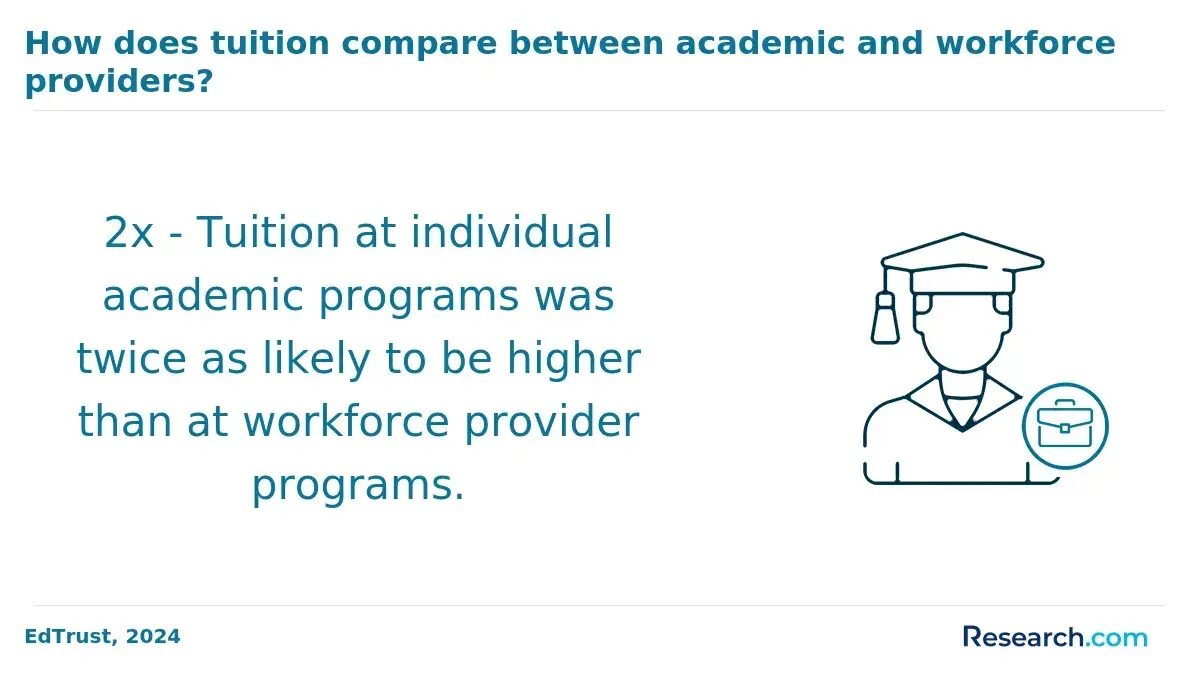
For a meaningful cost comparison, calculate tuition for every required credit, then add mandatory and program fees, materials, travel, and any placement-related expenses. Compare that total with your available scholarships, assistantships, employer assistance, or federal aid eligibility. A guide to the cheapest online master's degree can help identify candidates, but a low per-credit rate is not necessarily the lowest total price.
If you have previous graduate coursework, request a transfer evaluation before enrolling. Schools decide whether credits meet grade, age, content, and residency rules and whether they satisfy requirements in your chosen degree. Undergraduate coursework ordinarily provides preparation rather than transferable master's credit. Accepted graduate credits may reduce cost and time, but only when they replace courses you would otherwise need.
Which careers and salaries can master's degrees with flexible deadlines lead to?
These degrees can support different career paths: an MBA may broaden a professional's business responsibilities; an MS in computer science or analytics may build specialized technical skills; counseling or nursing degrees may form part of a regulated practice pathway. Experience, location, employer, and any required license affect which jobs are realistically available.
As a salary reference, BLS reported a 2023 median annual wage of $110,680 for medical and health services managers. That figure covers people employed in the occupation, not recent MHA graduates, and BLS notes that these managers typically need related experience. Before committing to a degree, compare local job postings with your current qualifications: if the roles you want primarily ask for experience or a certification, graduate school may not be the most direct next step.
Which master's careers have the strongest job outlook?
Among the occupations relevant to these fields, BLS projected 29% employment growth for medical and health services managers from 2023 to 2033. That projection suggests substantial demand, but it is not a placement forecast for any particular MHA program or applicant. Data and cybersecurity roles also warrant attention, while demand for specific skills can shift as tools and employer needs change.
Use occupational outlook as one input, not a reason to enroll by itself. Check whether openings in your target location require the master's degree, what experience employers expect, and whether the curriculum keeps pace with the work. In regulated fields, completing the degree and becoming eligible to practice are separate milestones.
How do you choose a reputable master's program with flexible deadlines?
Begin with a career goal, then compare programs using the same start date and a realistic part-time or full-time schedule. A reputable program should make its admissions rules, required coursework, accreditation, tuition, and completion requirements clear enough for you to test whether its flexibility is real.
The following checks help expose the most consequential gaps before you apply:
- Confirm the next entry term and every application deadline on the specific master's program's official page.
- Request a term-by-term plan showing course availability, live attendance, campus visits, and placements.
- Verify institutional accreditation and, if needed, program accreditation and state licensure eligibility.
- Calculate total required cost and ask how any prior graduate credits would apply to this degree.
- Compare the curriculum and outcomes the school can document with requirements in jobs you would pursue.
Be cautious if "rolling" is advertised without a clear next start, "online" conceals required travel, or a salary claim treats an occupational median as a graduate outcome. The strongest choice is not necessarily the quickest to admit you; it is the one you can finish without compromising the credential you need.
Other Things You Should Know About
No. Rolling review concerns when applications are considered. Entry terms, course availability, and placement schedules determine when you can actually begin and progress.
Often, but check the required course load, live meetings, and fieldwork. A part-time online option may still have fixed weekly deadlines or daytime placements.
Not necessarily. Licensing rules vary by state and occupation. Verify the program's preparation and any additional supervised-practice or exam requirements with the relevant state board.
Only if its total cost, schedule, accreditation, and curriculum also fit your goal. An earlier start may save little time if required courses are offered infrequently.
References
- Exam Waiver Requirements | texas.gov https://pels.texas.gov/lic_waiver.htm
- Cost of Attendance (Budget) | 2025-2026 Federal Student Aid Handbook https://fsapartners.ed.gov/knowledge-center/fsa-handbook/2025-2026/vol3/ch2-cost-attendance-budget
- Standard Due Dates | Grants & Funding https://grants.nih.gov/grants-process/submit/submission-policies/standard-due-dates
- General Schedule Qualification Policies | U.S. Office of Personnel Management https://www.opm.gov/policy-data-oversight/classification-qualifications/general-schedule-qualification-policies/
- Types of Financial Aid: Grants, Work-Study, and Loans | studentaid.gov https://studentaid.gov/understand-aid/types
- DSOs: When to Defer a Student's Program Start Date | dhs.gov https://studyinthestates.dhs.gov/2024/10/dsos-when-to-defer-a-students-program-start-date
- Conditional Admissions | Relay GSE https://support.relay.edu/kb/article/84-provisional-admissions/
- Limited & Controlled Access Program Applications | Admissions | pbsc.edu https://www.pbsc.edu/admissions/limited-controlled-access-program-applications.php
- Graduate Admissions | NYU SPS - New York University https://www.sps.nyu.edu/join/graduate-admissions.html
- Admissions Policy - Graduate School | Montana State University https://www.montana.edu/gradschool/policy/admissions.html