2027 Most Affordable Master's Degrees for Technology Careers

Co-Founder and Chief Data Scientist
The cheapest technology master's degree is not necessarily the one with the lowest advertised tuition. Required credits, fees, prerequisites, and time away from work can change the final bill. The decision matters as demand shifts: the U.S. Bureau of Labor Statistics (BLS) projects 34% employment growth for data scientists from 2024 to 2034, but a master's degree is not required for every opening. This guide helps prospective students - including working professionals and career changers - compare degree fields, calculate likely costs, and decide when graduate study offers more value than a less expensive alternative.
Key Things You Should Know
- Compare total program cost, not tuition alone: Required credits, mandatory fees, prerequisite courses, and in-person requirements can change which option is least expensive.
- Match the credential to the job: An MS in computer science may support technical specialization, while an MBA or engineering management degree generally fits an experienced professional seeking broader responsibility.
- Check whether graduate study is necessary: BLS projects 34% growth for data scientists from 2024 to 2034, but occupational growth does not mean every position requires a master's degree.
Top 10 Most Affordable Master's Degrees for Technology Careers
Business / MBA Programs
A Master of Business Administration (MBA) with technology, analytics, or information systems coursework can suit experienced professionals moving toward product, operations, or technology management. Compare the entire degree price with a narrower MS: an MBA may require more courses, and premium program fees can outweigh modest per-credit tuition. Ask whether the curriculum includes substantive technical work or primarily business electives. An MBA does not substitute for engineering expertise or guarantee a management role; experience remains important.
Healthcare Administration & Management Programs
A Master of Healthcare Administration (MHA) or healthcare-focused MBA can fit someone managing health technology implementation, clinical operations, or digital health services. It is usually a management credential, not a route to clinical licensure or software engineering. Compare required credits, internship expectations, and any on-site components before assuming an online program is inexpensive. Professionals primarily interested in building health software or analyzing clinical data may find a technical MS more directly relevant.
Information Technology Programs
An MS in information technology (IT) often covers systems administration, cloud infrastructure, databases, and technology operations. It can be a practical choice for professionals broadening an existing IT career. For affordability, compare credits required after any foundation courses and whether industry certifications can be earned separately for less. An IT degree is not interchangeable with a theory-heavy computer science degree; review the actual courses if software development or research is your goal.
Computer Science Programs
An MS in computer science can offer advanced study in algorithms, software systems, artificial intelligence, or computing research. It may be valuable for specialization or a career change, but applicants without substantial programming and mathematics preparation may need additional coursework. That preparation can increase both cost and completion time. Compare thesis and coursework-only options: a research path may fit doctoral ambitions, while a professional path may better suit someone seeking applied skills. Many software jobs do not require a master's degree.
Cybersecurity Programs
An MS in cybersecurity may emphasize security engineering, risk management, digital forensics, or policy. Choose the concentration that fits the work you want; a policy-heavy curriculum may not prepare you for hands-on security engineering. Compare lab charges, required certifications, and the price of prerequisite computing courses. The lowest-cost degree is not necessarily better value than relevant experience and a targeted certification, particularly for applicants seeking their first security job.
Data Science / Analytics Programs
An MS in data science typically combines statistics, programming, and machine learning; an MS in analytics may place more emphasis on business decisions and applied modeling. Examine the required mathematics and computing background before comparing tuition. Bridge courses can materially increase the price for career changers. Look for substantial projects using real data, and consider whether a focused graduate certificate or employer-sponsored training would meet your goal at lower cost.
Education / Educational Leadership Programs
A Master of Education (MEd) in educational technology or leadership can fit educators implementing learning platforms, training programs, or school technology initiatives. Compare tuition with employer reimbursement and check whether student teaching, internships, or district-based projects are required. If your goal is a licensed school leadership position, verify state-specific eligibility before enrolling: a degree alone may not satisfy experience, examination, or certification rules. For commercial software roles, a technical degree may be a closer match.
Counseling / Psychology Programs
An MA or MS in counseling or psychology may support work involving digital mental health services or technology-assisted care, but it is not a general-purpose technology credential. Licensure-oriented counseling programs can require supervised clinical placements and additional postdegree requirements, making an apparently low online tuition rate misleading. Psychology degrees also vary between research and practice. Choose this path only when the professional role - not merely an interest in health technology - justifies the required training and cost.
Nursing Programs
A Master of Science in Nursing (MSN) with informatics coursework can prepare licensed nurses for clinical systems, data, and workflow responsibilities. It is generally not an entry route for someone without nursing preparation. Confirm RN eligibility, any practice-hour or placement requirements, and program-specific fees when calculating cost. Informatics roles may also require substantial clinical and systems experience; earning the MSN alone does not guarantee a specialized position.
Engineering Management Programs
An MS in engineering management combines technical-project leadership with finance, operations, or organizational coursework. It can fit engineers seeking broader responsibilities without pursuing a general MBA. Compare the price of required engineering foundations, team projects, and employer-supported study. Applicants seeking deeper software or security skills may get better value from a specialized technical MS. Management positions typically also depend on professional experience and demonstrated leadership.
What Are the Most Affordable Technology Master's Degrees?
There is no single most affordable technology master's degree field. Schools set prices for specific programs, and two degrees with similar tuition can have different credit requirements and fees. As a starting point, compare an applied MS in IT, computer science, cybersecurity, or analytics against the role you want - not against a generic "technology" label. Professional MBA and management degrees may be worthwhile, but their broader curricula can change the total cost.
The comparison below shows where costs can differ. It does not rank fields by price: only current, program-specific tuition and requirements can establish which degree is cheapest for you.
| Degree path | Potential cost advantage | Cost to check closely |
| MS in IT or cybersecurity | May build on existing computing preparation | Foundation courses, labs, and certification expenses |
| MS in computer science or data science | Focused technical curriculum | Mathematics or programming prerequisites |
| MBA or engineering management MS | May qualify for employer support | Required credits and program-specific fees |
| MSN in informatics or MEd in educational technology | May build on an existing licensed career | Placement, certification, or in-person requirements |
For someone already working in technology, the most affordable useful option may instead be a graduate certificate or employer-funded training. Start with the job requirements, then price only the credentials that would add something your current experience does not.
How Much Do Affordable Technology Master's Degrees Cost?
Calculate the cost to finish for each institution: graduate tuition for all required credits, mandatory and program fees, required prerequisites, books or software, and travel for any campus visits. Tuition is the published charge; your net cost reflects grants, scholarships, and employer assistance. Neither figure captures income you might give up to study full time.
The following comparison separates common charges so a low per-credit price does not conceal a more expensive degree.
| Cost component | Why it can change your comparison |
| Graduate tuition | Residency status, course load, and program pricing may affect the rate. |
| Mandatory and differential fees | Technology, online, or program fees may apply in addition to tuition. |
| Extra coursework | Prerequisites may be required before or during graduate study. |
| In-person expenses | Travel or reduced work hours may accompany residencies and placements. |
| Accepted graduate transfer credit | Eligible courses may reduce remaining credits, subject to program rules. |
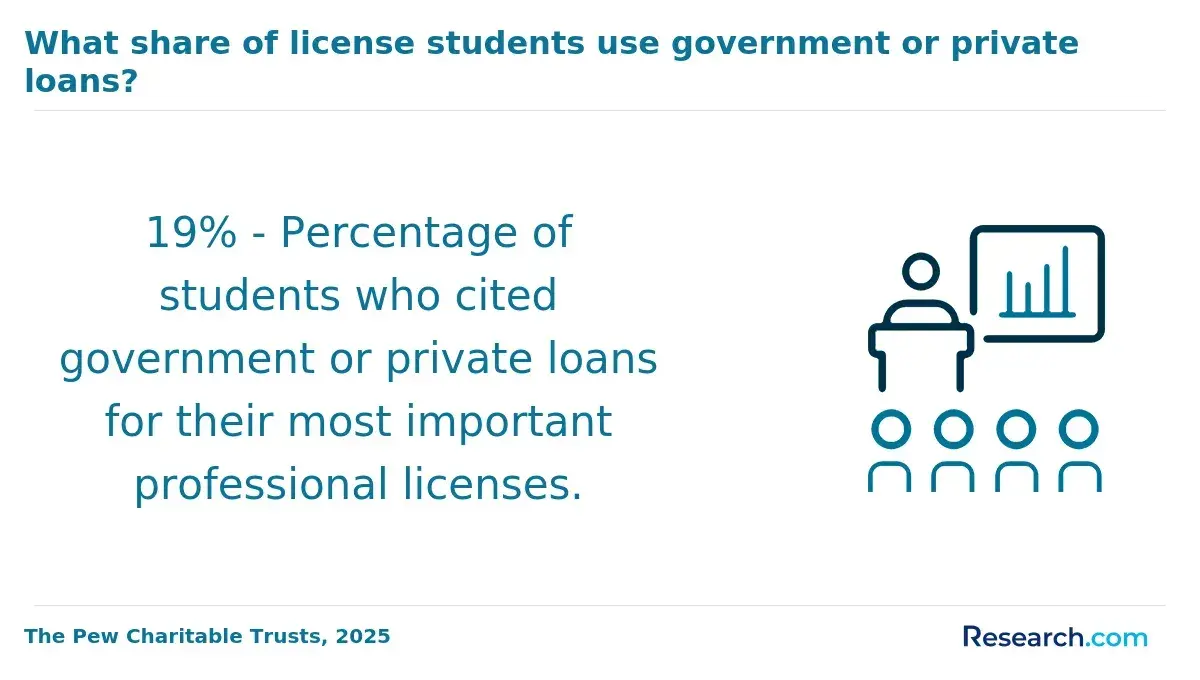
Request a written estimate showing remaining credits and all mandatory charges for your circumstances. Ask when tuition can change and whether any scholarship renews. Federal aid eligibility generally depends on the institution, program, enrollment, and student circumstances; loans reduce the immediate bill but increase repayment costs.
Are Online Technology Master's Degrees Worth It?
An online technology master's degree can be worth its cost when it teaches skills you need, fits around paid work, and comes from an appropriately accredited institution. Online delivery alone does not make a program cheaper or flexible: scheduled classes, group projects, labs, proctored assessments, and campus visits may still apply. Compare the same total-cost items you would for a campus program.
If your goal can be met without graduate study, compare certificates and professional experience as well as best degrees to get online for a broader view of education options. Before enrolling, ask for a sample term schedule and confirm whether every required course is available online when you need it.
Which Technology Master's Degree Matches Your Career Goals?
Choose by the work you want to do, then compare the least expensive credible route into it. These are career-fit starting points, not promises that any degree will secure a particular job.
| Goal | Degree to examine | Lower-cost alternative to weigh |
| Advanced software or computing work | MS in computer science | Projects, experience, or targeted coursework |
| Security specialization | MS in cybersecurity | Relevant IT experience and a targeted certification |
| Data modeling and analysis | MS in data science or analytics | Statistics and programming coursework or a certificate |
| Technology operations leadership | MS in IT, engineering management, or MBA | Employer training and progressively responsible work |
| Technology in a regulated profession | Field-specific MSN, MEd, or counseling degree | Professional development within an existing license |
For some applicants, career fit also includes eligibility for placements, licenses, or employer background checks. A criminal record does not automatically rule out college, but requirements vary by occupation and state; readers exploring what can a felon go to college for should investigate those restrictions before paying for a regulated-field program.
What Do You Learn in Technology Master's Programs?
Technology master's programs usually combine core courses, electives or a concentration, and an applied project, capstone, thesis, or examination. What those components teach varies substantially: computer science may emphasize algorithms and systems; cybersecurity, technical controls and risk; analytics, statistics and modeling; and management degrees, budgets and organizational decisions.
Read the required-course list rather than relying on a concentration name. A program marketed around artificial intelligence, for example, may offer only limited AI coursework. Ask which tools students use, whether projects can form a portfolio, and whether a thesis is optional if you want a practice-oriented degree.
What Are the Admission Requirements for Technology Master's Degrees?
Most programs require a completed bachelor's degree, transcripts, and an application; some also request recommendations, a statement of purpose, a résumé, or an interview. Technical degrees may require programming, calculus, or statistics. MBA and management programs may consider work experience. GPA thresholds and GRE or GMAT policies vary by institution and program, so check the current graduate admissions page rather than assuming a schoolwide rule applies.
Career changers should ask admissions staff which prerequisites are missing, what they cost, and whether they must be completed before admission. If a master's degree is premature, a quickest associates degree may be worth exploring for someone still building undergraduate preparation - but an associate degree does not replace the bachelor's degree normally needed for master's admission.
How Long Does a Technology Master's Degree Take?
Completion time depends on required credits, course sequencing, enrollment intensity, and any thesis, capstone, placement, or prerequisite work. Full-time study may reduce elapsed time but limit earnings; part-time study can preserve income while extending the period over which tuition and fees are paid. An accelerated term describes individual course scheduling, not necessarily a shorter degree.
Ask for a course-by-course plan based on your background. If you have previous graduate-level coursework or a stackable certificate, request an evaluation of what actually applies to degree requirements, along with any grade, age, credit-limit, and residency rules. Undergraduate preparation normally does not become transferable graduate credit merely because it covers similar material.
What Jobs and Salaries Can Technology Master's Graduates Expect?
Technology master's graduates may pursue specialized technical, analytical, security, or management work, depending on their previous preparation and experience. BLS reports a May 2024 median annual wage of $112,590 for data scientists. That is an occupational median across workers - not an expected salary for new graduates, and not evidence that a master's degree caused those earnings.
The distinction below helps keep career plans realistic when weighing tuition against possible benefits.
| Occupation or direction | What to verify beyond the degree |
| Data scientist | Programming, statistics, projects, and the employer's degree expectations |
| Information security analyst | Relevant systems experience and any requested certifications |
| Software developer | Demonstrated coding ability; many roles do not require graduate education |
| Technology manager | Substantial experience leading people, systems, or projects |
Compare actual job postings in your preferred location with program outcomes, if the school publishes them. Do not treat occupational medians, projected growth, or access to career services as a personal earnings or employment guarantee.
How Can You Choose an Accredited Technology Master's Program?
Confirm that the institution holds recognized institutional accreditation, then check whether your intended profession requires a particular programmatic accreditation or state-approved pathway. Accreditation is especially consequential for licensure-oriented counseling, nursing, and education degrees. A technology concentration within an accredited institution does not, by itself, establish eligibility for a regulated occupation.
When comparing a non profit online university with other options, verify the institution's current status directly with its accreditor or the U.S. Department of Education. Then obtain written answers about total cost, required in-person work, transfer-credit applicability, and any licensure implications. Red flags include an unexplained fee schedule, unclear graduation requirements, or claims that a degree guarantees a job or salary.
Other Things You Should Know About
Not inherently. Compare each specific program's required credits, tuition, fees, and prerequisites. The cheaper degree on paper may cost more if you need additional preparation.
Some programs permit online completion, but verify every required course and any scheduled sessions, campus visits, labs, or placements before enrolling.
It can build skills, but many employers also expect projects or relevant work. Compare the degree's cost with a portfolio, certificate, or entry-level experience first.
Pick a target role, identify the preparation employers request, and ask each suitable program for a personalized estimate of remaining credits and total mandatory costs.
References
- Institutional Accrediting Agencies | ed.gov http://www.ed.gov/laws-and-policy/higher-education-laws-and-policy/college-accreditation/institutional-accrediting-agencies
- An Overview of Accreditation of Higher Education in the United States | Congress.gov | Library of Congress https://www.congress.gov/crs-product/R43826
- Employer-offered educational assistance programs can help pay for college | Internal Revenue Service https://www.irs.gov/newsroom/employer-offered-educational-assistance-programs-can-help-pay-for-college
- Annual Earnings by Educational Attainment - COE https://nces.ed.gov/programs/coe/indicator/cba/annual-earnings
- Types of Financial Aid: Grants, Work-Study, and Loans | studentaid.gov https://studentaid.gov/understand-aid/types
- Graduate Cost of Attendance | Tuition & Fees | Seattle University https://www.seattleu.edu/admissions-aid/tuition-and-fees/graduate-cost-of-attendance/
- Tuition and Fees | Bursar's Office | SDSU https://bursar.sdsu.edu/tuition
- Tuition & Fees - University & Student Business Services | The University of Memphis https://www.memphis.edu/usbs/fees/
- Tuition & Fee Details - Bursar - Oklahoma State University https://bursar.okstate.edu/tuition_fees/tuition_fees
- School of Information Technology | Hallmark University https://hallmark.edu/school-of-information-technology/