2027 MLIS Programs for Electronic Resources Technology Support

Co-Founder and Chief Data Scientist
Choosing an MLIS for electronic resources work takes more than finding a course about digital libraries. Libraries need people who can maintain access to licensed databases, troubleshoot discovery tools, interpret usage data, and work with vendors. The U.S. Bureau of Labor Statistics reports a May 2025 median annual salary of $68,270 for librarians and media collections specialists, but that occupation covers many specialties. This guide helps prospective students and career changers identify relevant training, compare program formats and costs, and decide whether an MLIS fits the jobs they want.
Key Things You Should Know
- Look for an ALA-accredited master's program with relevant coursework and applied work; accreditation does not certify a specialization in electronic resources.
- BLS projects 2.6% employment growth for librarians and media collections specialists from 2025 to 2035. That broad forecast does not predict openings in electronic resources specifically.
- Compare required credits, fees, elective availability, and opportunities to practice troubleshooting - not tuition rates or concentration names alone.
What is an MLIS program for electronic resources technology support?
It is a library and information science master's program that a student uses to prepare for the technical and service work behind access to electronic collections. The degree may be called an MLIS, MLS, Master of Science in Library Science, or another institution-specific LIS title. Electronic resources technology support is a career focus, not necessarily a named degree or concentration.
In practice, the work can involve resolving failed links to journals, maintaining knowledge-base records that tell discovery tools what a library owns, checking authentication problems, evaluating accessibility, and explaining recurring issues to vendors and colleagues. Collection decisions and license negotiations may belong to the same position or to separate staff. The strongest preparation combines library service judgment with an understanding of the systems and agreements that determine whether a user can reach a resource.
Which MLIS programs are accredited for electronic resources careers?
The American Library Association (ALA) accredits eligible master's programs in library and information studies; it does not separately accredit an electronic resources career track. An institution's accreditation is not a substitute for checking the specific master's program in the current ALA directory. Likewise, ALA accreditation does not establish that a school offers a particular elective, internship, or online format.
Rather than treating an unverified list of schools as a recommendation, compare programs using the same evidence: current accreditation status, catalog descriptions, recent course schedules, applied-learning options, and total expected cost. A catalog entry shows that a course exists, not that it will run before you graduate. Ask an adviser when relevant electives last ran, when they are expected to run again, and what you could take if one is unavailable.
What degree and training pathways lead to electronic resources technology support?
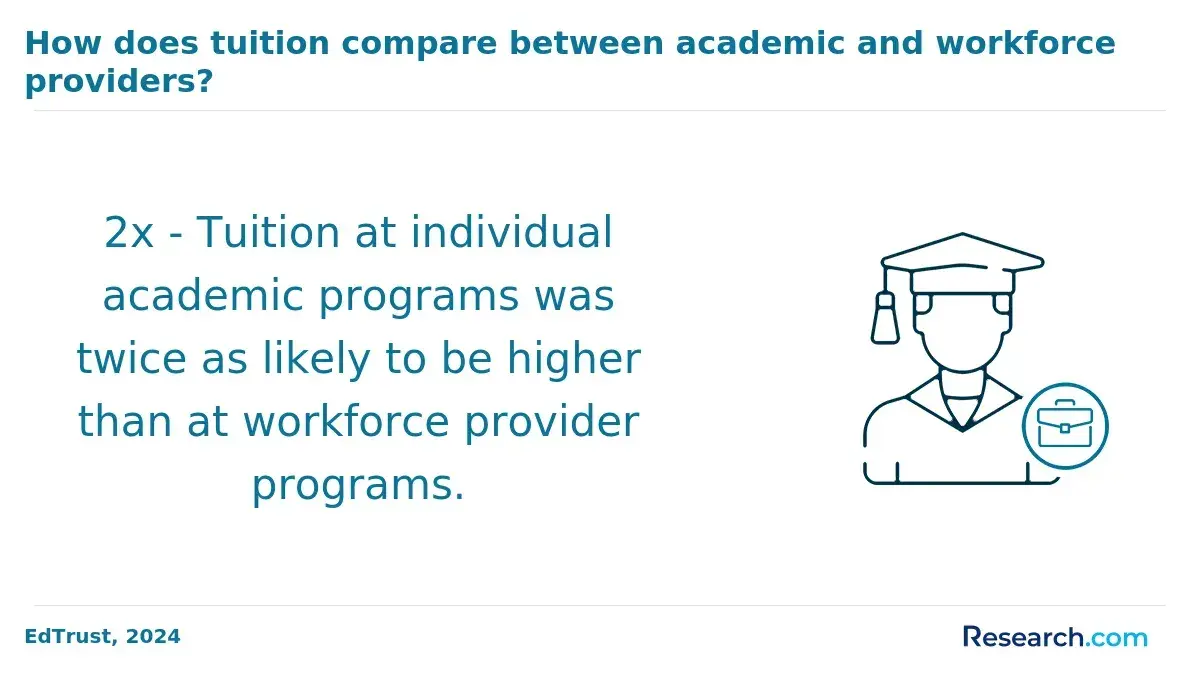
An ALA-accredited LIS master's is a sensible route when the target job is a professional librarian position and employers expect that credential. It is not the only entry point into the work: libraries also employ technicians and other staff who help maintain electronic access, while vendors and information-technology teams hire for related support functions under different qualification requirements.
For someone already working in a library, supervised experience with link-resolution tickets, database records, or usage reports may clarify whether a master's is worth the investment. A focused certificate or employer-provided systems training may be a better first step for a narrowly technical role. Applicants whose prior education does not match a school's stated criteria can investigate library masters prerequisite alternatives, but should obtain an individual eligibility decision from each program rather than assume experience replaces a formal requirement.
How do online and campus-based MLIS programs compare?
Either format can support this specialization if students can take the right courses and complete meaningful projects. The differences that matter most are access to instruction, local work experience, and the schedule required to finish the degree. An online label alone does not tell you whether classes are recorded, require live attendance, or include campus visits.
This comparison highlights what to verify before choosing a format, rather than assuming one is universally more flexible.
| Factor | Online study | Campus-based study |
| Scheduling | May reduce commuting, but live meetings and course sequencing can limit flexibility. | Requires travel to class, but may offer predictable in-person meetings. |
| Applied work | May allow projects at a nearby library; placement rules must be confirmed. | May make local library contacts easier to develop; placements are not assured. |
| Cost exposure | Check distance-learning fees, residency-based tuition, and any travel requirements. | Check commuting or relocation costs alongside tuition and fees. |
Ask for a recent schedule of the electives you need and the rules for completing any practicum where you live. If location is driving your search, Southern region library science tuition comparisons can help you identify programs to investigate; confirm the tuition category and full cost directly with each school.
What coursework prepares students to manage electronic library resources?
Prioritize courses that connect user access with the records, platforms, and decisions behind it. A program does not need an elective named "electronic resources" if its courses and projects let you build these skills - but a broadly worded technology course is not, by itself, evidence of hands-on preparation.
The following curriculum areas show what each subject contributes to the work and what to look for in course descriptions.
| Curriculum area | Relevant preparation |
| Collection development and licensing | Evaluating subscription terms, access restrictions, renewals, and resource value. |
| Metadata and knowledge organization | Understanding how holdings and descriptive records affect search and linking. |
| Library systems and discovery | Tracing access across catalogs, discovery services, link resolvers, and authentication tools. |
| Assessment and user services | Interpreting usage reports, documenting problems, and helping users reach content. |
| Accessibility and privacy | Recognizing barriers to use and handling access-related information responsibly. |
Where available, an applied project can turn that coursework into evidence of skill: for example, document a simulated broken-link investigation, explain the likely cause, and propose a resolution. Use sample data or information you have permission to share; real patron records and vendor contracts may be confidential. Ask whether the project is required, elective, or individually arranged.
What are the admission requirements for electronic resources MLIS programs?
Requirements belong to the degree program, not to the electronic resources career focus. Applicants should check each school's current policy for the required prior degree, transcripts, application materials, deadlines, and any applicable language-proficiency requirements. Prior library employment may strengthen an application, but it should not be treated as an automatic substitute for published eligibility criteria.
If your academic record or background is unusual, send admissions staff a concise description and ask which documents they need for an individual review. Compare the school's own instructions with broader guidance on online library degree admission requirements. Once eligible, ask a program adviser whether students can take the systems and electronic-collections courses that match your goals; admission alone does not reserve a place in a particular elective.
How long do MLIS programs take, and how much do they cost?
There is no reliable universal price or completion time for this specialty. Both depend on a program's required credits, tuition category, enrollment pace, course rotation, and any project or practicum rules. A student who must wait for a relevant elective may take longer than the program's advertised fastest path.
Build a comparable estimate for each school by multiplying its required credits by the tuition rate that applies to you, then adding mandatory fees, materials, and any travel or placement expenses. Ask whether a part-time schedule changes fees or delays access to key courses. The resulting gross cost is different from what you pay out of pocket after confirmed assistance, and different again from what you borrow. This is especially important when reviewing library science tuition duration and salary comparisons that may use different price assumptions.
Before accepting an offer, request a term-by-term course plan and a personalized cost estimate. Confirm any scholarship or employer reimbursement conditions with the provider; check current federal aid eligibility and borrowing terms for your enrollment period rather than relying on an older estimate.
What careers can an electronic resources technology support MLIS lead to?
Common titles include electronic resources librarian, e-resources specialist, access services or discovery librarian, and library systems librarian. Titles overlap, so read the duties: one job may emphasize licenses and renewals, while another centers on authentication, metadata feeds, or troubleshooting. Academic libraries are a common setting for licensed journal and database work, but public and special libraries also manage digital access.
Professional librarian postings may require or prefer an ALA-accredited LIS master's. Technician, vendor-support, and some systems positions may accept other education and experience. This distinction matters when comparing an MLIS with a technical credential: choose based on the qualifications in the jobs you would actually apply for, not the title alone. Broader guides to highest paying MLIS specializations can suggest adjacent paths, but cannot establish the salary or degree requirement of a particular electronic resources vacancy.
For a first role, look for opportunities to document access incidents, clean up holdings information, or explain a system change to nontechnical colleagues. Those examples show both technical reasoning and service skills. With experience, staff may move toward systems administration, collection strategy, vendor relations, or team leadership; progression depends on the organization and available roles.
What salaries and job outlook can electronic resources specialists expect?
There is no BLS occupation devoted solely to electronic resources specialists, so broad occupational figures are context rather than a salary forecast for this job. The librarians and media collections specialists median cited earlier includes workers in many settings and specialties, and its projected growth does not isolate electronic resources hiring.
For another point of comparison, BLS reports a May 2025 median annual salary of $44,580 for library technicians. That figure describes a different occupational group, not the expected pay for every electronic resources support job. When weighing a degree, compare local postings by actual duties, credential requirements, and compensation - then consider your existing earnings and likely borrowing. A title can conceal substantial differences in both responsibility and pay.
Which certifications and professional standards support electronic resources careers?
No single certification universally qualifies someone to manage a library's electronic resources. Employers are more likely to assess whether an applicant can work with their systems, explain access problems, and apply relevant standards. Vendor training can be useful, but its value depends on whether the employer uses that platform.
Standards and practices worth learning include COUNTER usage reporting, which helps libraries interpret consistent measures of online resource use, and accessibility requirements that affect whether patrons can use licensed content. Familiarity with metadata and privacy practices also helps when records move between systems or access problems involve user information. Look for coursework or projects that let you apply these concepts, rather than collecting credentials without a clear connection to target jobs.
Other Things You Should Know About Library Science
Electronic resources roles often focus on licensed content, holdings, usage, and access problems. Systems roles often focus on configuring and maintaining library platforms. Duties overlap, so compare job descriptions rather than relying on titles.
Not necessarily. Many roles emphasize troubleshooting, accurate records, vendor communication, and clear documentation. Scripting or data skills can help in some positions; check the requirements of the jobs you want.
Yes. Use a sample access incident, openly available metadata, or a diagram of a discovery workflow. Explain your methods and decisions, and avoid presenting simulated work as a real employer project.
Ask how users with disabilities can navigate and read the content, what accessibility documentation the provider offers, and how reported barriers are resolved. Include the library staff responsible for accessibility in the evaluation.
References
- DOJ Libraries Internships | justice.gov https://www.justice.gov/jmd/ls/internships-library-students
- Junior Fellows Program | loc.gov https://www.loc.gov/item/internships/junior-fellows-program/
- Library Digital Resource Specialist | City of Philadelphia https://www.phila.gov/departments/office-of-human-resources/job-specs/9A14.htm
- Cost of Attendance (Budget) | 2025-2026 Federal Student Aid Handbook https://fsapartners.ed.gov/knowledge-center/fsa-handbook/2025-2026/vol3/ch2-cost-attendance-budget
- Online Master of Science in Library and Information Science Curriculum | St. John's University Programs https://online.stjohns.edu/online-programs/mslis/curriculum
- Library & Information Science: Getting Started | LibGuides at Central Washington University https://libguides.lib.cwu.edu/LIS
- Tuition & Fees | Delaware State https://www.desu.edu/admissions/financial-aid/tuition-fees
- Online Master's in Library & Information Science (MLIS) | Drexel University Online https://www.online.drexel.edu/online-degrees/information-sciences-degrees/ms-di/index.aspx
- Cost of Attendance | University of Delaware https://www.udel.edu/students/student-financial-services/coa/
- MLIS Curriculum, Specialties & Courses | University of Arizona College of Information Science https://infosci.arizona.edu/ma-library-information-science/curriculum-specialties-courses