2027 MLIS Programs for Community Heritage and Memory Projects

Co-Founder and Chief Data Scientist
Choosing an MLIS for community heritage work means looking beyond a program's title. You need preparation to preserve local records, describe collections responsibly, and make community stories accessible on terms their contributors understand. The U.S. Bureau of Labor Statistics reports a May 2025 median annual salary of $68,270 for librarians and media collections specialists, but that broad figure cannot predict pay for a heritage role. This guide helps prospective students compare curricula, practical experience, costs, and career paths before committing to a degree.
Key Things You Should Know
- Look for archival description, digital preservation, community engagement, and an applied project - not necessarily a concentration called "community heritage."
- Check the specific master's program in the ALA accreditation directory; institutional accreditation alone does not establish ALA accreditation.
- Archivists had a May 2025 median annual salary of $64,550, according to the BLS. That occupational median is a planning reference, not a graduate earnings forecast.
What are MLIS programs for community heritage and memory projects?
These are library and information science master's programs that students can use to prepare for work with locally significant stories, records, photographs, oral histories, and digital collections. Projects may involve a public library, archive, museum, historical society, or community organization. The work combines preservation with decisions about who may contribute, how materials are described, and who may access them.
"Community heritage" is usually a career goal rather than the name of a degree. An MLIS, MLS, Master of Science in Library Science, or institution-specific Master of Information may offer relevant preparation, but the degree title alone does not establish what students can study. Compare the documented curriculum and opportunities to work with a community partner.
Why is ALA accreditation important for community heritage careers?
ALA accreditation evaluates a library and information studies master's program, not every course or heritage project it offers. It can matter when an employer specifies an ALA-accredited degree for a professional librarian position. Check the current ALA directory for the specific program and degree you are considering; a university's institutional accreditation is a separate matter.
Archives and museum employers may accept several graduate disciplines, depending on the position. ALA accreditation therefore deserves weight if you want to keep professional librarian roles open, but it is not a substitute for relevant archival training or fieldwork. It does not confirm that a particular elective, concentration, or internship is available.
Which MLIS degree pathways prepare students for heritage and memory work?
The most useful pathway depends on whether you want to lead library services, manage archival collections, or build digital access. This comparison identifies the evidence to seek in a program rather than assuming every MLIS offers a formal heritage track.
| Pathway | Preparation to look for | Best fit |
| Archives and special collections | Appraisal, arrangement, finding aids, preservation, and supervised collection work | Processing and providing access to records and unique materials |
| Public library and community services | Outreach, reference, collection development, inclusive access, and community partnerships | Library-led local history and participatory projects |
| Digital collections and metadata | Digitization planning, metadata, repository workflows, rights, and digital preservation | Building and maintaining access to digital heritage materials |
A documented concentration is stronger evidence of a defined pathway than a single relevant elective. Neither proves that a desired course will run when you need it. Ask an adviser which courses are required, when electives are expected to be offered, and whether a capstone or practicum can involve an outside community partner.
How do online and campus-based MLIS programs compare?
Delivery format affects access to collections, collaborators, and supervision more than the degree title does. Use these distinctions to check whether a format fits the work you hope to practice.
| Format | Potential advantage | Constraint to verify |
| Online | May allow study while working with a local heritage organization | Live meeting times, placement approval, and access to needed equipment |
| Campus-based | May provide easier access to nearby collections and in-person collaboration | Commute, relocation, and whether relevant placements are available |
| Hybrid | Combines remote coursework with some in-person activities | Required campus visits and their travel costs |
Online does not automatically mean asynchronous or free of campus visits. If you need a library science degree low cost and fast, compare actual course sequencing alongside tuition: an infrequently offered elective or placement requirement can extend the time you pay to remain enrolled.
What courses do MLIS programs offer for community heritage projects?
Relevant courses may sit in several parts of an LIS curriculum rather than under one specialization. Archival studies can teach appraisal - deciding what to retain - and arrangement and description, which help people find and understand records. Metadata courses address consistent description of digital objects; digital preservation courses address their long-term management rather than digitization alone.
Community engagement, oral history, copyright, privacy, and accessibility are equally consequential. A project can be technically searchable yet fail its contributors if descriptions misrepresent them or access terms ignore their wishes. Look for assignments in which students must document decisions, not just produce a finished website or exhibition.
A strong portfolio piece might include a collection plan, sample descriptions, a rights and consent workflow, and an explanation of how contributors influenced access decisions. Before enrolling, ask whether you can complete such work through a supervised project and what happens if the relevant elective is not offered during your studies.
What are the admission requirements for community heritage MLIS programs?
Requirements vary by institution and degree. Applicants should check the current program page for its bachelor's-degree requirement, transcripts, application statement, recommendations, and any additional documents. A background in history or previous library employment may strengthen an application, but neither should be assumed mandatory - or a substitute for a published academic requirement.
Use your statement to describe a specific interest, such as helping a community organize oral histories, and connect it to skills you want to develop. If you are returning to study after working elsewhere, ask admissions staff how they evaluate relevant experience and whether the program supports part-time enrollment. An affordable library science degree for adults still needs to fit your schedule and intended fieldwork, not just your tuition budget.
How long do MLIS programs take and what do they cost?
Completion time depends on required credits, enrollment pace, course rotation, and any practicum or capstone. No single duration or tuition figure applies across programs. For a meaningful comparison, calculate required credits multiplied by the tuition rate that applies to you, then add mandatory fees and likely project-related expenses. Published tuition is not the same as total attendance cost.
Community heritage projects may also require travel to a collection, recording equipment, storage, or time away from paid work. Ask whether a proposed placement is approved, whether it can be completed near home, and whether a delayed elective would add another term. Do not assume an online student receives an in-state rate.
Scholarships and employer support can reduce out-of-pocket costs, but availability and eligibility vary. Review online library degree grants and scholarships, then confirm current terms with each school's financial aid office. Keep gross program cost, the amount you would pay yourself, and any amount you would borrow separate when judging affordability; verify federal aid eligibility and loan terms for your enrollment period rather than relying on an older estimate.
What careers can an MLIS support in community heritage and memory?
Possible roles include public librarian with local history responsibilities, special collections librarian, archivist, digital collections librarian, and metadata specialist. Work may involve inviting contributions, interviewing donors, describing records, setting access conditions, or maintaining digital collections. Job titles overlap, so read duties and qualifications rather than searching for "community heritage" alone.
An ALA-accredited MLIS may be important for professional librarian openings; archival, museum, and technical positions can have different degree and experience requirements. Entry-level collection or digitization work may also offer a way to test the field before graduate study. If your goal is primarily conservation, museum curation, or software development, compare the MLIS with training more directly aligned with that work.
When evaluating listings and library technology jobs salary information, separate professional librarian roles from paraprofessional and adjacent technical jobs. A portfolio showing careful description, contributor collaboration, and a working access or preservation plan can demonstrate fit more clearly than a degree title by itself.
How much do archivists, librarians, and digital curators earn?
The BLS figures below are U.S. occupational medians, not starting salaries or outcomes for MLIS graduates. The categories help compare broad job families, but a title such as "digital curator" may fall under different occupational classifications depending on its duties.
| BLS occupation | Median annual salary, May 2025 | Projected job growth, 2025-2035 |
| Librarians and media collections specialists | $68,270 | +2.6% |
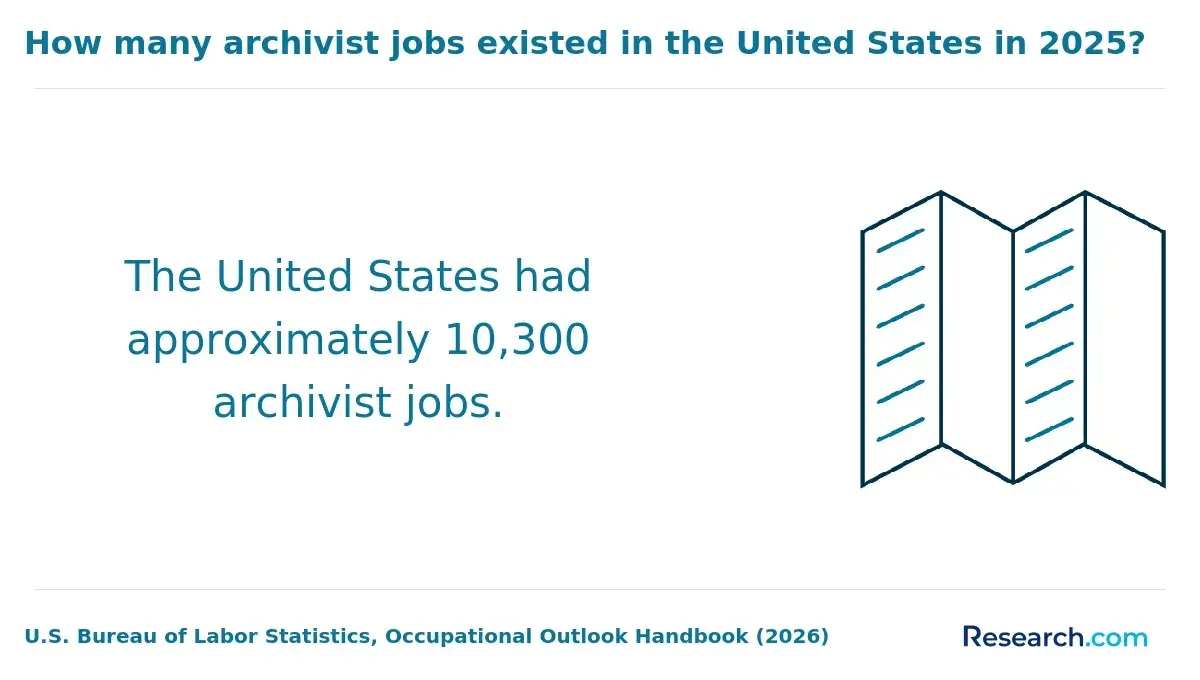
| Archivists | $64,550 | +3.4% |
| Curators | $63,420 | +4.9% |
| Museum technicians and conservators | $51,440 | +3.6% |
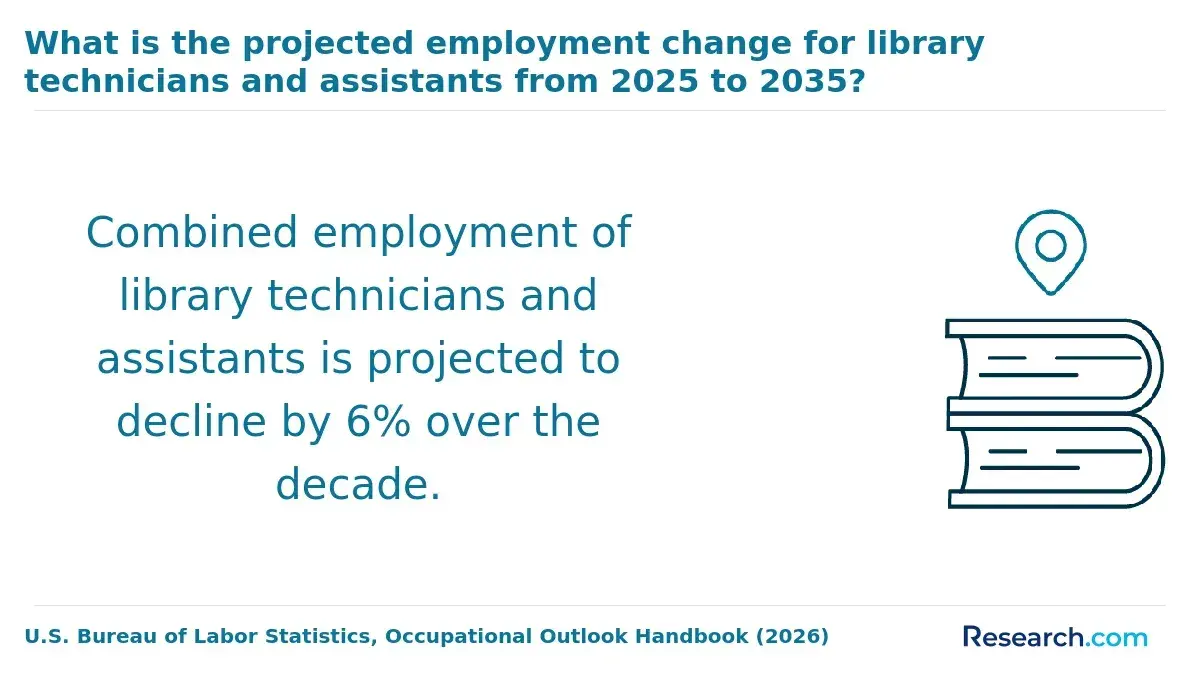
| Library technicians | $44,580 | −6.4% |
Use the category matching a prospective job's actual duties, then compare local postings and your likely entry point. The BLS does not provide a separate digital-curator figure here, and these medians cannot show what a particular community organization can afford to pay.
What certifications and professional standards apply to heritage careers?
There is no single certification required for every community heritage position. Employers may look for knowledge of archival description, preservation practice, rights management, and ethical stewardship; the relevant expectations depend on the collection and role. Professional development can complement an MLIS, but an optional credential should not be mistaken for a universal legal requirement.
School librarian positions are a distinct case: state certification or endorsement rules may apply independently of a graduate program's ALA accreditation. Check the education authority for the state where you intend to work. Likewise, state and employer requirements for public librarian positions can differ; Illinois library science degree requirements illustrate why a general MLIS pathway should not be treated as a nationwide licensing rule.
Other Things You Should Know About Library Science
Yes, depending on the agreement. Deposit, licensing, and access terms can be structured in different ways. Put ownership, permitted uses, storage, and responsibilities in writing before accepting materials.
That depends on the consent agreement and the project's policies. Explain review, withdrawal, and access options before recording rather than promising removal after an interview has been published.
No. Prioritize according to community goals, condition, rights, and available resources. A digital copy also does not eliminate the need to care for an original that the project retains.
They can assist transcription if their use fits the project's consent and privacy terms. A person should check names, languages, and sensitive passages against the recording before a transcript is shared.
References
- Florida Statewide Digital Initiative - Division of Library and Information Services - Florida Department of State https://dos.fl.gov/library-archives/library-development/digital/fsdi/
- Internship Opportunities | NC DNCR https://www.dncr.nc.gov/about-us/work-dncr/internship-opportunities
- Internships | Mississippi Department of Archives & History http://www.mdah.ms.gov/careers-volunteering/internships
- Preserving Resilience Through Oral Histories: A Snapshot of NEH's Cultural and Community Resilience Program https://www.neh.gov/blog/preserving-resilience-through-oral-histories-snapshot-nehs-cultural-and-community-resilience
- Archives and Public History Program Details | nyu.edu https://wp.nyu.edu/nyuhistoryma/aph-program-details/
- University Libraries archivist involved in new standards for Indigenous knowledge in archival collections https://libraries.colorado.edu/2025/09/08/university-libraries-archivist-involved-new-standards-indigenous-knowledge-archival
- Public History/Library and Information Science | St. John's University https://www.stjohns.edu/academics/programs/public-historylibrary-and-information-science
- Archives and Preservation - SJSU - School of Information https://ischool.sjsu.edu/archives-and-preservation
- Digital Preservation Framework | UTSA Libraries https://lib.utsa.edu/about/policies/digital-preservation-framework
- Master of Library and Information Science (MS) | Simmons University https://www.simmons.edu/academics/programs/library-and-information-science-ms