2027 Legal Studies Master's Programs for Payments and Digital Banking Professionals

Co-Founder and Chief Data Scientist
Payments and digital banking professionals regularly work with rules that affect customer onboarding, transactions, data, and partnerships. A legal studies master's degree can deepen that knowledge, but it may be more education than a particular compliance role requires.
This guide explains which program features matter for banking and fintech work, how to compare a degree with shorter training, and what to verify before enrolling. It is for working professionals who want to make a defensible decision about their next credential - not qualify to practice law.
Key Things You Should Know
- Choose a non-JD legal studies master's for relevant regulatory coursework and applied work, not because a program uses "fintech" in its marketing; the degree is not a law license.
- Compare banking-specific courses, delivery requirements, and total cost before applying. A corporate compliance curriculum and a general business law curriculum serve different goals.
- The Bureau of Labor Statistics reports $80,730 in May 2025 median pay for compliance officers and 4% projected growth, 2025-2035; those figures cover a broad occupation, not payments specialists or degree holders specifically.
What is a legal studies master's degree for payments and digital banking professionals?
A Master of Legal Studies (MLS), Master of Studies in Law (MSL), or similarly named degree teaches law to people who generally do not intend to become attorneys. In payments, useful work may include interpreting requirements with counsel, maintaining policies and controls, reviewing product changes, monitoring third-party relationships, and documenting decisions for examinations or audits.
The value lies in applying legal reasoning to those tasks. A degree may help a professional read statutes and regulations, identify issues, and communicate with legal teams. It does not authorize independent legal advice or replace an attorney when a matter calls for one. It is also not ordinarily a hiring requirement for payments compliance roles.
If the immediate need is to perform a defined task - such as improving anti-money-laundering monitoring or preparing for a compliance examination - targeted employer training or a professional credential may take less time and money. A master's makes more sense when the desired role spans multiple regulatory areas and calls for sustained legal analysis.
Which legal studies master's programs prepare students for fintech and banking compliance?
Start with the curriculum, not the degree title. Fordham University School of Law's Master of Studies in Law in Corporate Compliance offers a compliance-centered route; Arizona State University's Master of Legal Studies offers a broader legal studies route that applicants can assess for relevant business and regulatory coursework. Neither title alone establishes a payments specialization. The comparison below shows the different questions each option raises.
| Program route | Potential fit | What to confirm before applying |
| Fordham MSL in Corporate Compliance | Professionals seeking a structured corporate compliance focus | Whether the current course sequence covers financial services, consumer protection, and payments-related assignments |
| Arizona State MLS | Professionals seeking broader legal study with room to select relevant subjects | Which banking, privacy, business law, and compliance courses are available in the intended term and format |
Compare both using the current catalog and admissions disclosures: required credits, available electives, online or campus attendance, scheduled class meetings, applied projects, tuition, mandatory fees, and admission prerequisites. Offerings and formats can change. A formal concentration requires published requirements; a few related electives are not the same thing. If neither program supplies the banking depth you need, look for another institution's current financial-services curriculum rather than assuming a general compliance degree will cover payments.
Do legal studies master's graduates need a law license to work in payments compliance?
Generally, no. Compliance professionals can help institutions implement requirements, test controls, and escalate legal questions without being licensed attorneys. An MLS or MSL also does not qualify its holder to practice law. Legal advice, representation, and other restricted activities belong to licensed professionals under applicable state rules.
The boundary matters in day-to-day work: a compliance analyst may flag a potential disclosure problem and gather the governing materials, while counsel determines the institution's legal position when legal advice is needed. Employers set responsibilities, and unauthorized-practice rules vary by state.
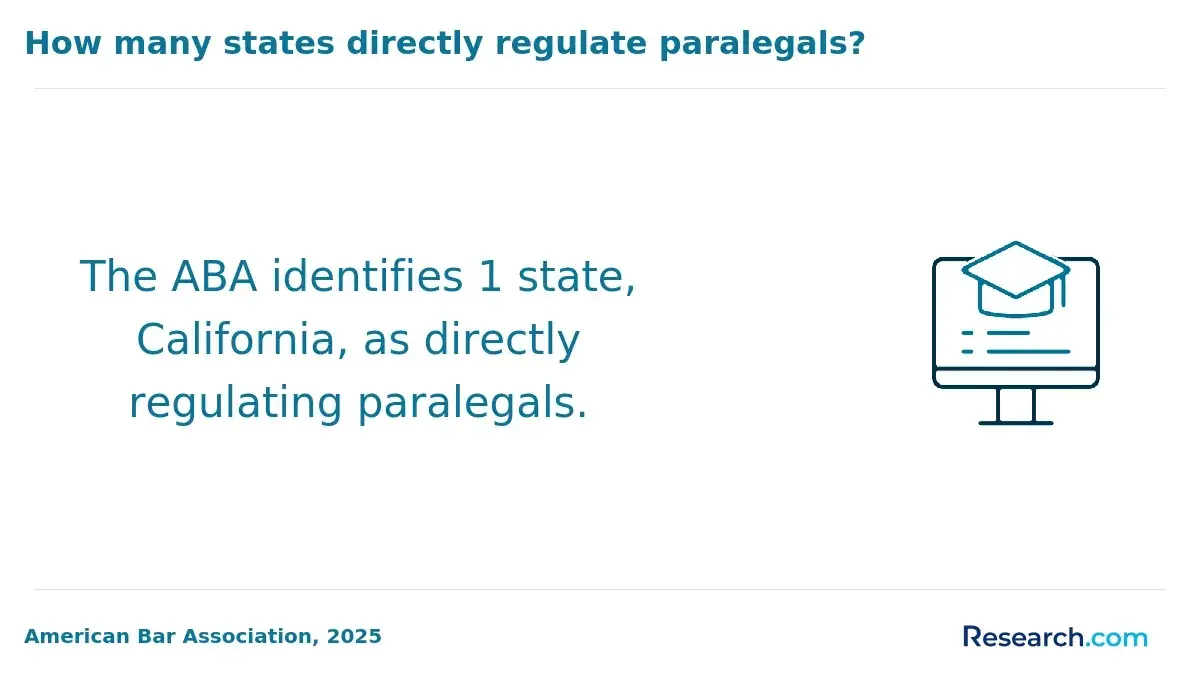
Paralegal education is a separate path for people interested in supporting legal work, rather than necessarily managing a bank's compliance program. Certificate-level paralegal education online can be worth comparing if legal-team support is the actual goal. Completing a paralegal certificate is not the same as earning professional certification or a law license.
What courses do payments and digital banking legal studies programs include?
No single MLS curriculum covers every payment rail or banking product. Look for courses that connect legal rules to the work you expect to do. This table pairs useful subjects with realistic applications; applicants should check whether each subject is required, elective, or unavailable in their chosen program.
| Course area | Application in payments or digital banking |
| Administrative and financial regulation | Reading agency rules and understanding examinations and enforcement |
| Consumer financial protection | Reviewing disclosures, complaints, and product changes with appropriate specialists |
| Anti-money-laundering compliance | Understanding the legal basis for monitoring, escalation, and recordkeeping controls |
| Privacy and information security law | Identifying obligations that affect customer data and incident response |
| Contracts and business organizations | Recognizing issues in vendor, bank-partner, and product arrangements |
Applied assignments matter as much as course names. A regulatory analysis, policy review, or supervised capstone can show whether students practice the work, rather than only study doctrine. Ask for a recent syllabus before treating a technology- or fintech-labeled course as hands-on training.
Are online legal studies master's programs effective for working banking professionals?
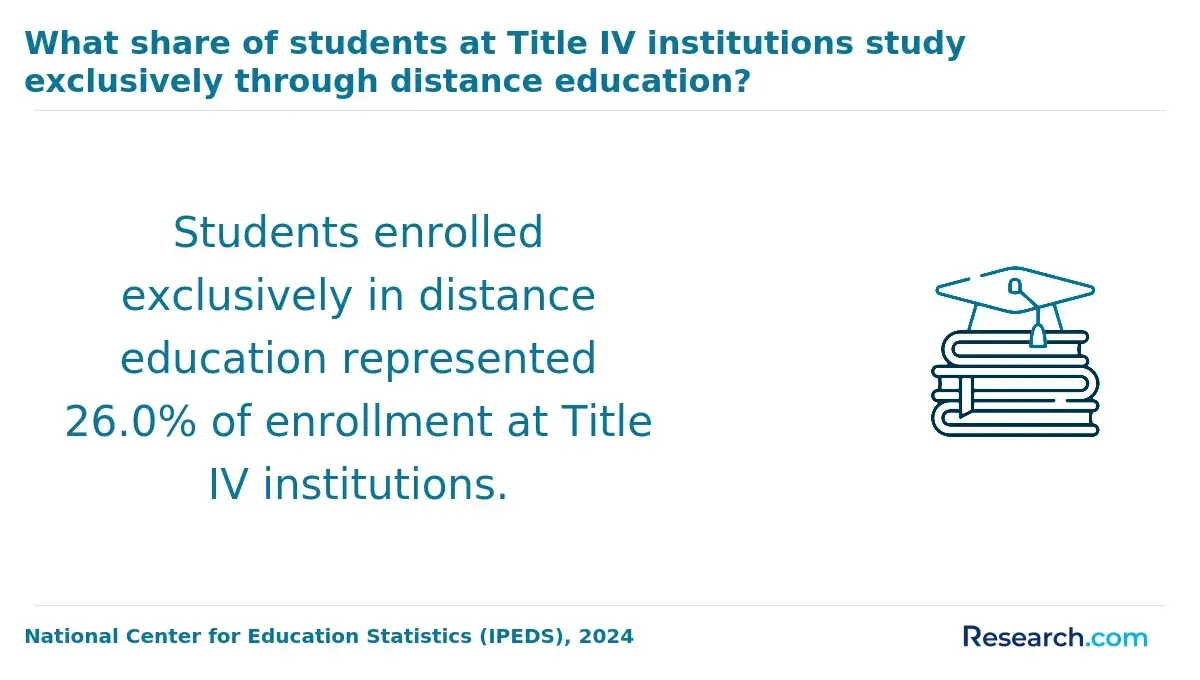
They can be, particularly when assignments let students apply legal concepts to realistic workplace problems. Effectiveness depends on course design and on whether the schedule is workable. "Online" does not mean asynchronous, self-paced, or free of exams, live discussions, campus visits, or fixed course sequences.
Before committing, ask when required courses run, whether meetings are live, how group work is scheduled, and whether an applied project can use a hypothetical case instead of confidential employer information. Someone managing month-end reporting or examinations may need more scheduling flexibility than an online label promises.
For professionals whose main constraint is time, comparing fast-track legal studies graduate options is a starting point. A shorter calendar is only an advantage if the course load remains manageable and the program still teaches the regulatory subjects you need.
What are the admission requirements for a legal studies master's program?
Applicants generally need a bachelor's degree, but each institution sets its own rules for transcripts, minimum academic standing, recommendations, statements, and professional experience. A law degree is not ordinarily the intended entry credential for a non-JD legal studies master's. Banking experience can strengthen an application, though it is not necessarily required.
Read the current admissions page for the exact program and delivery format. If an essay is the obstacle, legal studies degree applications without an admissions essay may help identify alternatives, but confirm the current requirement directly before relying on a listing. Also ask whether previously completed graduate coursework may transfer; the receiving school decides whether and how credit applies.
How long do legal studies master's programs take, and what do they cost?
Completion time depends on required credits, course sequencing, and whether you study full time or part time. A working professional should compare the actual term-by-term plan, not just the shortest completion time advertised. Taking fewer courses may protect working hours but extend the period over which tuition and fees are paid.
Published tuition is not the full cost. Request a written estimate for your intended enrollment pace that accounts for these items:
- Tuition for all required credits and any mandatory university or program fees
- Books, materials, technology requirements, and any required campus travel
- Employer reimbursement conditions, including grade rules or repayment obligations
- The work time you would give up to attend classes or complete assignments
If price is a deciding factor, use finding a low-cost online master's in legal studies to build a shortlist, then compare each school's current total estimate on the same basis. Ask its financial aid office about eligibility for the specific degree and your enrollment status; do not assume that a related certificate has the same aid eligibility.
What careers can graduates pursue in payments and digital banking law?
Relevant roles include payments compliance analyst, financial-crime compliance specialist, consumer compliance officer, third-party risk specialist, regulatory change analyst, and compliance manager. Titles differ across banks and fintech firms. The work typically combines rule interpretation, operational controls, testing, documentation, and escalation - not practicing law.
Existing experience is important. A payments operations professional may bring knowledge of transaction flows but need stronger regulatory research skills; a paralegal may bring research and drafting skills but need to learn bank products and controls. An MLS can support that transition, yet experience, employer training, or a focused credential may be a better first step for an entry-level move. For someone who needs foundational education rather than a graduate degree, online associate degree options in legal studies represent a different starting point, not a substitute for advanced banking coursework.
How much do fintech compliance and banking legal professionals earn?
The Bureau of Labor Statistics reports median annual pay of $80,730 in May 2025 for compliance officers, with 4% projected job growth, 2025-2035. That is a broad occupational benchmark: it does not isolate fintech, payments, banking, or MLS graduates, so it cannot predict an individual return on tuition.
Pay for a particular role can depend on location, institution, seniority, product complexity, and prior experience. Compare actual postings for the job you want with your current compensation and the degree's full cost. If your target employers prioritize payments experience or a specific compliance credential over a master's, completing the degree first may not be the most efficient route.
How should you choose an accredited legal studies master's program?
First, verify that the university holds recognized institutional accreditation, using the institution's disclosure and its accreditor's records. Then evaluate the specific degree. Institutional accreditation does not establish that its electives are relevant to payments. American Bar Association approval of qualifying paralegal education programs is a different concept; it is not the accreditation test for an MLS or MSL.
A short comparison based on evidence can prevent an expensive mismatch. For each finalist, take these steps before paying a deposit:
- Match required and reliably available courses to the regulations, products, and tasks in your target job.
- Confirm the credential name, delivery format, live attendance, course sequence, and any campus or project requirements in current program materials.
- Get a comparable estimate of total tuition and required expenses at your intended pace, and check employer assistance terms.
- Ask a hiring manager or mentor whether the degree would add value beyond your experience, targeted training, or a professional credential.
Be cautious if a program implies its degree confers a law license, describes ordinary electives as a formal payments concentration, or advertises a completion time that depends on an unrealistic schedule for you. The strongest choice is the one whose verified coursework addresses a specific skill gap at a cost and pace you can justify.
Other Things You Should Know About Law & Paralegal
Do not assume so. Check your employer's data policies and the school's assignment rules first. A hypothetical or properly approved, de-identified scenario is usually a safer basis for coursework.
Possibly. Ask benefits staff whether the degree and institution qualify, when reimbursement is paid, and whether grades, continued employment, or repayment conditions apply.
Some schools permit nondegree enrollment. Confirm eligibility, course availability, and whether the credits would later count toward the specific master's; admission and credit application are separate decisions.
No. The organization that awards the credential sets its own continuing education rules. Check whether the particular course and documentation qualify before counting on those credits.
References
- Revised rules on payment services - European Commission https://ec.europa.eu/commission/presscorner/detail/it/qanda_23_3544
- Gramm-Leach-Bliley Act | Federal Trade Commission https://www.ftc.gov/business-guidance/privacy-security/gramm-leach-bliley-act
- Cost of Attendance (Budget) | 2025-2026 Federal Student Aid Handbook https://fsapartners.ed.gov/knowledge-center/fsa-handbook/2025-2026/vol3/ch2-cost-attendance-budget
- Types of Financial Aid: Grants, Work-Study, and Loans | studentaid.gov https://studentaid.gov/understand-aid/types
- Master of Legal Studies Degree - St. Mary's School of Law https://law.stmarytx.edu/academics/programs/master-of-legal-studies/
- Documents and Test Scores - Graduate Admissions | UT Dallas https://graduate-admissions.utdallas.edu/apply-to-ut-dallas/documents-and-test-scores/
- Online Master of Legal Studies | AU-LAW https://onlinelaw.wcl.american.edu/legal-studies/
- 4 Flexible Ways to Earn a College Degree on Your Schedule | St. John's University https://www.stjohns.edu/news-media/johnnies-blog/4-flexible-ways-earn-college-degree-your-schedule-0
- Typical Law School Requirements & Prerequisites | Ohio Northern University https://law.onu.edu/news/law-school-admissions-101-typical-law-school-requirements-prerequisites
- Online Master of Legal Studies Program | University of Miami School of Law https://admissions.law.miami.edu/academics/mls/