2027 Legal Studies Master's Programs for Association Executives

Co-Founder and Chief Data Scientist
Association executives regularly work with contracts, governance rules, advocacy, employment issues, and member data - but a legal studies master's is a substantial investment for someone who does not plan to practice law. This guide explains where a non-JD legal degree can improve your work, where it cannot, and how to compare programs without mistaking legal knowledge for a professional license. You'll also find practical ways to weigh online schedules, total cost, career goals, and shorter alternatives before applying.
Key Things You Should Know
- A Master of Legal Studies (MLS) or similar non-JD degree can strengthen an association executive's legal literacy, but it is not required for most association roles and does not qualify graduates to practice law.
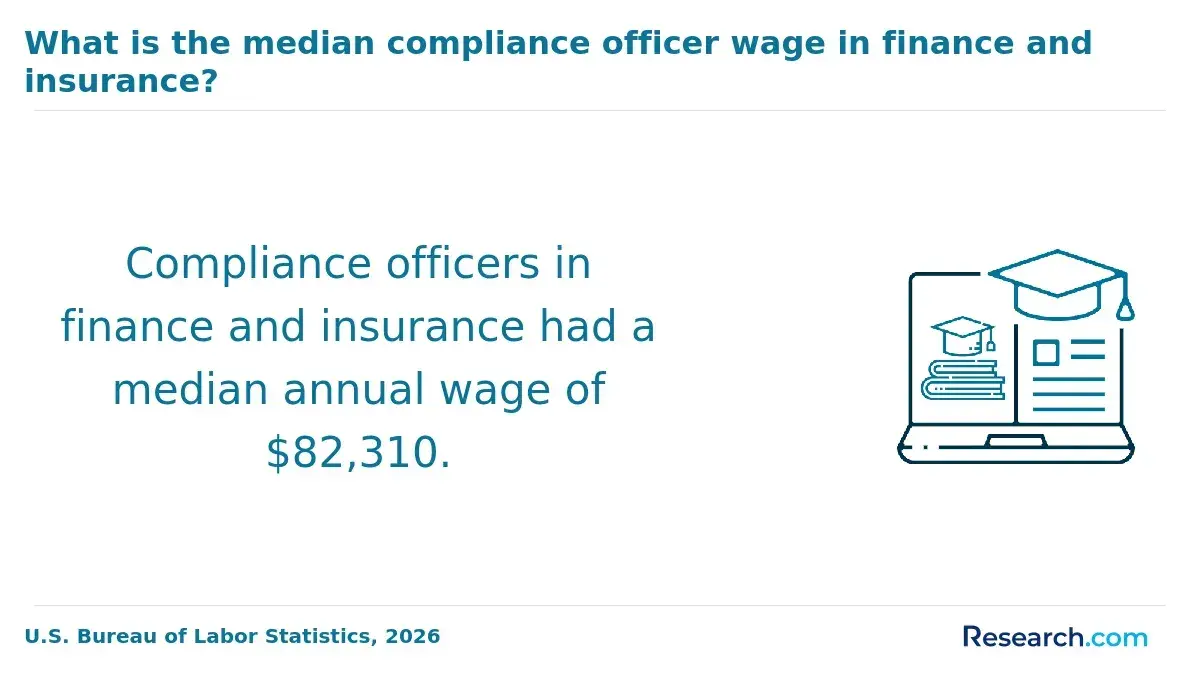
- The U.S. median pay for compliance officers was $80,730 in May 2025, with 4% projected job growth from 2025-2035; these occupation-wide figures are not salary predictions for association executives or MLS graduates.
- Compare programs by association-relevant coursework, recognized institutional accreditation, actual scheduling requirements, and total cost - not by the degree title or advertised tuition alone.
What is a legal studies master's degree for association executives?
A legal studies master's is a graduate degree designed to help professionals understand and work with law without becoming attorneys. Schools may call it a Master of Legal Studies (MLS), Master of Studies in Law (MSL), Master of Jurisprudence (MJ), or a similar name. Association executives use that knowledge when overseeing nonprofit governance, negotiating vendor agreements, managing staff, handling member information, or coordinating with counsel on advocacy and compliance.
There is no universal "association executive" legal studies curriculum. A useful program connects legal analysis to the decisions you actually make; a program centered on an unrelated specialty may offer less value, even if its school is well known. If your main goal is broader commercial decision-making rather than legal analysis, business law degrees suited to adult learners offer another route to compare.
What careers can association executives pursue with a legal studies master's?
The most direct use of the degree is often within an existing association career: taking on greater responsibility for governance, risk, policy, or compliance. It may also support a move to an adjacent role, but relevant experience and the employer's requirements still matter.
The table distinguishes plausible responsibilities from credentials required to hold a job. Job titles vary across associations, so compare actual postings rather than relying on a title alone.
| Possible role | Where legal studies may help | What else employers may value |
| Association executive or chief operating officer | Board governance, contracts, organizational risk, and counsel coordination | Leadership, budgeting, membership strategy, and operating experience |
| Government affairs or policy director | Reading legislation, understanding administrative processes, and identifying issues for counsel | Advocacy experience, relationships, and subject-matter expertise |
| Compliance or risk manager | Interpreting obligations and building internal procedures | Hands-on compliance experience and knowledge of the association's activities |
| Education or certification program leader | Managing policies, appeals, contracts, and regulatory questions | Program administration and familiarity with the relevant credentialing field |
An MLS is not an entry requirement for these roles. If your intended move is instead into legal support, online pathways to an associate degree in paralegal studies may be more directly aligned with supervised paralegal work. Paralegal education and executive legal literacy prepare students for different responsibilities.
Do legal studies master's programs qualify graduates to practice law?
No. An MLS, MSL, MJ, or other non-Juris Doctor (JD) legal studies degree does not by itself qualify a graduate for attorney licensure or authorize independent legal advice. Attorney admission rules are set by the relevant jurisdiction; executives should continue to refer legal opinions, representation, and other attorney work to qualified counsel.
The degree can help you recognize an issue, ask better questions, understand counsel's advice, and implement an approved policy. It does not replace counsel's judgment. The same boundary matters when overseeing paralegal staff: legal-support professionals generally work under attorney supervision and cannot independently practice law.
What accreditation should association executives look for in a legal studies program?
Confirm that the university holds institutional accreditation from an accreditor recognized by the U.S. Department of Education. Check the institution's current accreditation status, rather than assuming a program's branding or location establishes it. Institutional accreditation matters when assessing educational legitimacy, potential federal aid eligibility, and whether another school might consider its credits; it does not guarantee credit transfer.
Do not confuse three different claims. A university's institutional accreditation is not the same as American Bar Association (ABA) approval of a qualifying paralegal education program. Nor does ABA approval of a law school's JD program mean its separate non-JD master's has ABA program approval. An association executive generally should not use ABA approval as a proxy for MLS quality; the more useful checks are institutional status, relevant coursework, and clearly published program requirements.
What do students learn in legal studies master's programs?
Core courses may introduce legal research, statutory interpretation, contracts, and the way courts and agencies operate. For an association executive, the strongest elective match depends on the organization: nonprofit governance and tax issues, employment law, privacy, intellectual property, antitrust, or administrative law may be relevant. Course availability and depth vary by school.
Look beyond a concentration's label. A formal concentration has published requirements; a few relevant electives are not necessarily a concentration or an embedded certificate. Compare course descriptions and assignments to the work you want to do - for example, evaluating a governance policy, spotting contractual risks, or analyzing a regulatory change. Coursework can build issue-spotting skills, but it does not make a graduate proficient in a particular legal research platform or qualified to give legal advice.
Are online legal studies master's programs suitable for working professionals?
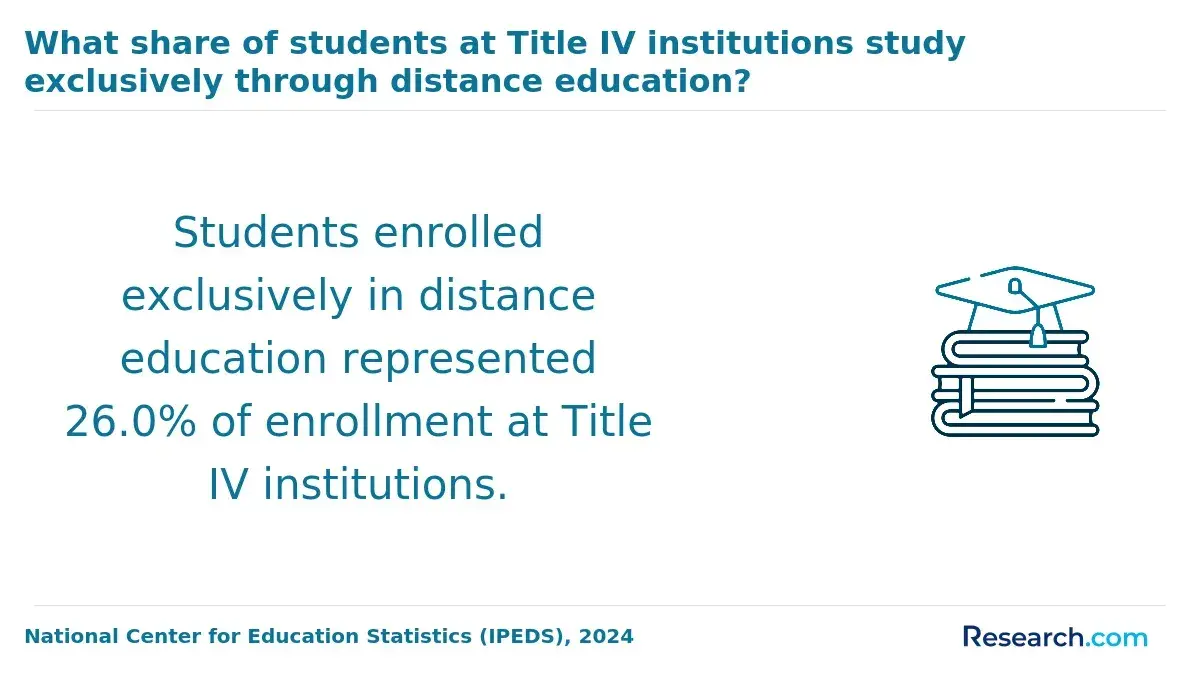
They can be, provided the schedule fits board meetings, travel, advocacy cycles, and full-time work. "Online" does not necessarily mean asynchronous or self-paced: a program may require live classes, group projects, fixed course sequences, proctored exams, or campus visits. Check the current academic calendar and course schedule, not just the delivery label.
Ask whether part-time enrollment is permitted, how often required courses run, and whether a capstone or practicum can use a workplace problem. Also confirm any restrictions on using confidential association documents. A flexible format is valuable only if you can reliably complete its actual weekly and end-of-program obligations.
What are the admission requirements for a legal studies master's program?
Applicants generally need a bachelor's degree, but each school sets its own rules for transcripts, statements, recommendations, résumés, and any test or minimum grade-point requirement. A JD or prior legal coursework is generally not the purpose of a non-JD program; confirm the eligibility rules for the specific degree before applying.
Executive experience can help explain your goals in an application, but do not assume it waives academic requirements. If you have not yet completed a bachelor's degree, an MLS is not usually the immediate next step. Paralegal bachelor's programs with credit transfer options illustrate one undergraduate route, although the receiving school - not the sending school - decides which previous credits apply. Choose an undergraduate field for its fit with your career, not on the assumption that paralegal study is an MLS prerequisite.
How long do legal studies master's programs take and cost?
Completion time depends on required credits, course frequency, and whether you enroll full time or part time. Rather than relying on a school's fastest advertised timeline, request a course-by-course completion plan for your intended pace. A required course offered infrequently or a final project tied to a fixed term can extend the schedule.
To compare costs, obtain the current tuition rate and required credit total, then add mandatory fees, books, technology needs, and any required travel. Ask whether tuition changes during enrollment and whether your employer offers reimbursement. Federal graduate aid may be available to eligible students in eligible programs, but eligibility and borrowing terms must be checked for the particular school and student; aid reduces the amount due upfront, not necessarily the total price.
The opportunity cost matters too. If your goal is a legal-support job rather than executive-level legal literacy, compare the full MLS price with cheapest accredited online paralegal degree programs. A lower advertised price is not enough to establish better value: compare the credential level, required coursework, scheduling, and suitability for the work you want.
What salaries and job outlook can graduates expect?
There is no single salary or employment projection for "association executives with an MLS." Pay depends on the role, organization, location, and prior leadership experience; the degree alone cannot be credited with an earnings increase. The closest published occupation-wide benchmarks can provide context, but they do not measure MLS graduates specifically.
For compliance officers, the U.S. Bureau of Labor Statistics reports median annual pay of $80,730 in May 2025 and 4% projected job growth, 2025-2035. This is relevant if you are pursuing a compliance-focused move, but the category covers many industries and does not predict pay at an association. Evaluate the degree against positions you could realistically pursue with your existing experience, not against a broad occupational median alone.
How should association executives choose a reputable legal studies program?
Start with the responsibility you want to handle better: board governance, policy analysis, employment matters, contracts, or compliance. Then compare programs using the same evidence - published courses, accreditation status, schedule, total cost, and the work you will produce - not a general claim that one degree is "best."
Before paying an application fee or deposit, make these checks:
- Identify relevant required courses and confirm that desired electives are offered often enough for your enrollment plan.
- Verify current institutional accreditation and ask the school to clarify any claims about ABA status or professional eligibility.
- Request a part-time schedule showing live meetings, campus requirements, course sequencing, and capstone expectations.
- Calculate your likely total educational cost and compare it with employer training, a graduate certificate, or a different degree.
- Ask a supervisor or hiring manager which proposed skills would change your responsibilities or candidacy.
An MLS is most defensible when you need sustained graduate-level legal study across several association responsibilities and can use it alongside established executive experience. A shorter course or certificate may be the better first move for one narrow skills gap. If a bachelor's degree is still your immediate goal, our guide to shorter paralegal bachelor's study routes covers a different educational starting point. Treat promises of attorney eligibility, automatic promotion, or guaranteed earnings as red flags.
Other Things You Should Know About Law & Paralegal
Do not assume it will. The organization administering the Certified Association Executive (CAE) credential sets its own eligibility and continuing-education rules. Check its current policies before enrolling specifically to meet a CAE requirement.
Not automatically. A law school decides whether any prior coursework can count toward its JD under its own policies and applicable rules. Get a written answer from the JD program you may attend before treating an MLS as a shortcut.
No. Holding a non-JD degree does not make someone an attorney or create attorney-client privilege. Ask qualified counsel how to handle sensitive investigations, legal advice, and document-sharing.
Possibly, if the program permits workplace projects and the association approves the use of its information. Confirm confidentiality, data access, and publication or presentation rules before proposing the project.
References
- Cost of Attendance (Budget) | 2025-2026 Federal Student Aid Handbook https://fsapartners.ed.gov/knowledge-center/fsa-handbook/2025-2026/vol3/ch2-cost-attendance-budget
- Types of Financial Aid: Grants, Work-Study, and Loans | studentaid.gov https://studentaid.gov/understand-aid/types
- Navigating MBA Programs While Juggling Work | Northeastern Online https://online.northeastern.edu/resources/how-long-does-it-take-to-do-an-mba-while-working/
- Juris Master vs. Juris Doctor: Which Law Degree Fits You? | Tulane University https://online.law.tulane.edu/blog/juris-master-vs-juris-doctor
- Clinics and Practicums | USC Gould School of Law https://gould.usc.edu/academics/experiential/clinics/
- Global Management (Global Legal Studies), MGM - ASU degree https://degrees.asu.edu/masters-phd/major/ASU00/TBGMGLSMGM/global-management-global-legal-studies-mgm
- Academics - Nonprofit Studies - Georgia State University https://nsp.gsu.edu/academics/
- Online vs. Hybrid vs. In-Person MBA: Which Format is Right for You? | Wake Forest University School of Business https://business.wfu.edu/mba/articles/which-mba-format-is-right-for-you/
- Getting an MBA While Working Full Time: How to Make It Work | Pace University New York https://www.pace.edu/news/getting-an-mba-while-working-full-time
- Master of Legal Studies (MLS) vs. JD: Which Is Right for You? | Wake Forest MLS https://mls.law.wfu.edu/articles/mls-vs-jd-which-is-right-for-you/