2027 Is 40 Too Late to Earn a Cloud Computing Bachelor's Degree?

Co-Founder and Chief Data Scientist
At 40, returning to school can feel daunting amid family, work, and financial commitments. Many established professionals face a career plateau, prompting a shift toward fields with growing demand and stability. Cloud Computing stands out, with employment in related roles projected to grow by 22% through 2030, according to the Bureau of Labor Statistics.
Balancing responsibilities while adapting to online and hybrid learning formats offers a feasible path for adult learners to leverage existing skills. This article explores whether 40 is too late to earn a cloud computing bachelor's degree and examines key factors that influence this important decision.
Key Things to Know About Whether 40 Is Too Late to Earn a Cloud Computing Bachelor's Degree
- Midlife career shifts into cloud computing are viable, with 60% of hiring managers valuing diverse experience alongside technical skills for bachelor's degree applicants aged 40 and above.
- Modern degree programs offer flexible online and part-time options, accommodating adult learners balancing work and family responsibilities, crucial for those starting at 40 or later.
- Graduates gain long-term benefits including increased earning potential-median salaries rise 25% post-degree-and access to growing tech industries with high demand for cloud computing expertise.
Can you start a cloud computing bachelor's degree at 40?
Starting a cloud computing bachelor's degree around 40 years old is increasingly accessible due to evolving higher education pathways that welcome adult learners. Age is not a barrier to enrollment in undergraduate programs, and many institutions actively support those returning to college for a cloud computing degree after 40 years old.
Opportunities have expanded as universities recognize the value of diverse student backgrounds and life experiences. For those exploring educational options, resources like information on the AI online degree landscape can also provide insight into related tech fields.
Higher education institutions emphasize inclusivity by offering academic structures and resources designed specifically for non-traditional students. These programs often feature dedicated support systems, credit recognition for prior learning, and pathways that align with adult learners' unique needs.
This framework helps ensure that students starting their studies later in life feel welcomed and prepared to thrive in technically demanding areas like cloud computing. Such initiatives reflect a growing commitment to accommodate career-starters from diverse stages of life.
What are the biggest challenges of going back to college at 40?
For adults returning to school at 40, pursuing a cloud computing bachelor's degree presents unique challenges. According to recent data, nearly 40% of mature adult learners experience difficulty balancing academic and personal responsibilities. Successfully navigating these obstacles is crucial for a positive educational experience.
Managing limited time amid personal and academic commitments: Adult learners often juggle multiple roles such as parenting, caregiving, and part-time jobs. Creating a structured schedule that prioritizes study sessions while accommodating family and work demands is essential, though it can be difficult to maintain consistently.
Balancing family responsibilities alongside studies: Many mature adult learners face the added pressure of caring for children or elderly family members. Open communication with family and setting realistic expectations help reduce stress and improve focus on coursework.
Handling financial pressures related to tuition and materials: Beyond tuition, costs for textbooks, software, and technology upgrades add up. Additionally, reducing work hours to study may decrease income. Planning a budget carefully and researching financial aid options can alleviate some monetary strain.
Navigating new technologies and learning platforms: Rapid changes in educational tools and cloud computing software require continuous adaptation. Utilizing tutorial resources and campus tech support eases this transition.
Conquering self-doubt and maintaining motivation: Returning students may struggle with imposter syndrome or feel outpaced by younger peers. Building confidence through small successes and seeking guidance from advisors or peer groups fosters resilience.
Those considering returning to school as a mature adult learner might also explore fields like psychology. For further insights, see options for affordable degrees such as an online masters in psychology.
Can you work full-time while earning a cloud computing degree at 40?
Balancing full-time work with earning a cloud computing bachelor's degree at 40 is demanding but entirely possible with dedication and effective time management. Many adults at this stage successfully integrate their job responsibilities with academic commitments by creating structured study routines and focusing on incremental progress.
This experience not only proves that pursuing higher education later in life is achievable but also highlights the value of sustained motivation and resilience. Managing these dual roles often reinforces skills such as discipline and prioritization, which benefit both work and study. Ultimately, this balance exemplifies that age should not be a barrier to advancing education and career goals.
A professional over 40 currently enrolled in a cloud computing bachelor's program shared his perspective on juggling work and studies: "It's been a real challenge, especially when deadlines at work pile up, but setting strict study hours in the evenings helps me stay on track." He notes that maintaining focus during long days is tough but rewarding, saying, "Sometimes I feel stretched thin, yet applying what I learn directly to my job keeps me motivated."
He also mentioned the importance of having a support system, adding, "Knowing my family and colleagues understand my goals makes a huge difference in managing stress and staying committed." This firsthand experience underscores the realities and possibilities of working full-time while pursuing a degree later in life.
Flexibility is essential for adult learners around 40 years old who balance work, family, and other commitments while pursuing a bachelor's degree in cloud computing. Choosing adaptable learning options can help reduce stress and ensure steady progress. Several approaches support those seeking flexible online cloud computing degree programs for adult learners.
Online Learning: Online programs provide access to lectures and coursework from any location, allowing students to study at convenient times without commuting. This format suits those managing full-time employment and personal responsibilities.
Part-Time Enrollment: Taking fewer courses each semester creates a manageable pace to complete degree requirements. Part-time cloud computing bachelor's degree options for working professionals help maintain balance between education and other obligations.
Evening and Weekend Classes: For learners who prefer face-to-face instruction, classes scheduled outside standard work hours offer structured, in-person learning without conflicting with daytime jobs.
Self-Paced Study: Programs that let students control their own learning speed provide maximum flexibility. This option is ideal for adjusting progress to fit shifting personal or professional demands.
These varied methods make earning a cloud computing bachelor's degree at 40 both realistic and convenient. Those interested in accelerated learning might also explore the fastest MBA programs for additional insight into flexible education pathways.
Completing a bachelor's degree in cloud computing around the age of 40 involves varying time commitments influenced by personal circumstances. While a traditional full-time path typically lasts about four years, adult learners often experience different timelines based on how they organize their studies and balance other priorities. Several key factors help explain these differences in completion times.
- Course Load: The number of classes taken each semester greatly affects the total duration. Full-time enrollment usually shortens the timeline, but many adults opt for part-time study to manage work and family responsibilities, resulting in a longer but more manageable pace.
- Prior Knowledge: Existing skills or experience in related areas like IT and programming can reduce the time needed. Some learners are able to test out of foundational courses, accelerating their progress toward graduation.
- Life Commitments: Work schedules, childcare, and other personal duties require flexibility, often extending the time needed to complete a degree. Adult learners frequently adapt their course plans to fit these ongoing obligations.
- Motivation and Planning: A clear goal and strategic planning can help learners stay on track, balancing their studies with other aspects of life. Persistence and consistent effort typically result in successful degree completion within a reasonable timeframe.
One adult learner who earned her cloud computing bachelor's degree after starting college at 40 shared that she encountered occasional challenges juggling coursework with family and a demanding job. "There were weeks when managing deadlines felt overwhelming," she recalled, "but breaking tasks into smaller goals helped me stay focused."
She also noted that having relevant work experience gave her confidence in tackling technical subjects, which lightened her academic load somewhat. Reflecting on the journey, she emphasized that determination and adaptability were key, encouraging others not to underestimate their ability to succeed regardless of age.
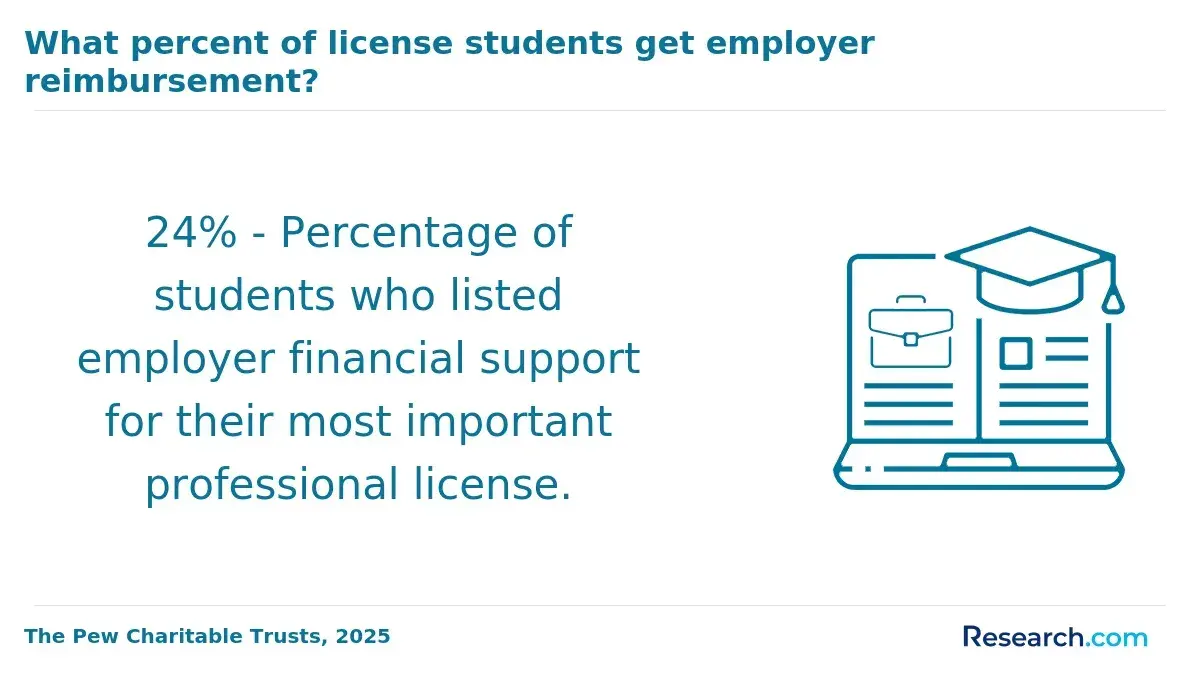
The average cost for a bachelor's degree in cloud computing can vary widely but often falls between $40,000 and $70,000 in total expenses. This figure encompasses more than tuition alone, highlighting the importance of considering other financial factors before committing to a program at age 40.
- Tuition Costs: Tuition usually represents the largest share, with prices differing based on whether the institution is public or private and if the student qualifies for in-state rates. Many schools charge per credit hour, so course load each semester directly affects expenses, especially for those balancing work and study.
- Learning Materials: Required textbooks, software, and subscriptions to cloud platforms can add significantly to yearly costs. While some programs include digital resources, others depend on third-party tools, which may increase the cost of materials beyond typical expectations.
- Additional Fees: Hidden expenses such as registration, technology, and lab fees can add up during the degree program. These smaller charges, often overlooked, contribute to the total investment and can affect budgeting over time.
- Enrollment Intensity: Full-time students generally pay more upfront but complete their studies faster, reducing long-term costs, while part-time study spreads payments out but can lead to higher overall expenditure due to extended enrollment periods.
- Financial Aid Considerations: Scholarships, employer tuition assistance, and other aid options may lower the actual amount paid, though their availability and amounts vary greatly by individual and institution.
Returning to college at 40 to earn a bachelor's degree in cloud computing can be a rewarding decision, but it comes with specific challenges that adult learners should anticipate. The academic environment and demands often differ significantly from past experiences, requiring adaptability and resilience. Being aware of potential risks helps students prepare effectively for success.
Key considerations include:
- Intensive Workload: The pace of coursework in cloud computing programs is typically fast and technically complex. Older students may find it challenging to quickly absorb new concepts while managing assignments and projects that require significant time and effort.
- Academic Adjustment: Returning learners often must acclimate to classes with younger peers and evolving teaching methods. Navigating online platforms, group collaborations, and modern educational tools may demand extra patience and flexibility.
- Balancing Responsibilities: Many students around 40 juggle family commitments, professional obligations, and social activities. This balancing act can reduce study time and increase fatigue, affecting both academic performance and personal well-being.
- Technological Adaptation: Staying current with rapidly advancing cloud computing technologies and software can pose a steep learning curve. Continuous self-directed learning outside of class is often necessary to keep pace.
By understanding these hurdles ahead of time, aspiring cloud computing students can develop strategies to manage their workload and responsibilities effectively, making the journey back to college at 40 achievable.
Starting a new career at 40 with a cloud computing bachelor's degree is increasingly feasible in today's job market. Earning a degree at this stage offers not only updated technical knowledge but also a solid credential that demonstrates commitment and expertise.
Many employers value the combination of life experience and formal education, which can provide a competitive edge in technology fields. Those returning to college for a cloud computing degree at 40 often gain both practical skills and theoretical understanding necessary for entry-level and mid-level positions.
Workforce trends show growing acceptance of adult learners pursuing career changes later in life, supported by academic programs designed for diverse backgrounds. Educational institutions and industries are recognizing non-traditional students as valuable contributors who bring unique perspectives to the tech sector.
This shift has enhanced accessibility to degrees in areas like cloud computing, creating professional pathways that do not require starting a career immediately after high school.
For more information on educational opportunities, consider exploring real estate degree programs as an example of accessible career-focused programs. The evolving labor market encourages lifelong learning and continuous skill development, enabling individuals in their 40s and beyond to successfully transition into new technology roles.
Employers generally value cloud computing bachelor's degrees earned at age 40 as strong indicators of commitment to professional growth and updated technical skills. Combining education with extensive life and work experience often results in candidates who are well-prepared to meet current industry demands.
According to the Georgetown University Center on Education and the Workforce, about 40% of workers aged 40 and older are pursuing or have completed further education, reflecting a growing trend of lifelong learning in the workforce.
When assessing career prospects with a cloud computing bachelor's degree for adults, employers typically consider several important factors:
- Skill Relevance: Employers look for degrees that cover current cloud technologies and programming languages that align with today's job market needs, ensuring candidates bring up-to-date technical capabilities.
- Professional Experience Integration: The ability to apply previous work experience alongside new technical training can enhance problem-solving and project management skills, making mature graduates particularly valuable.
- Continuous Learning Mindset: A demonstrated commitment to ongoing education shows that candidates are prepared to adapt as cloud technologies evolve beyond formal degree completion.
- Adaptability and Maturity: Life experience often contributes to effective collaboration, leadership, and the capacity to manage complex projects, traits highly prized by employers.
Overall, earning a cloud computing bachelor's degree at age 40 can significantly boost one's professional profile if paired with relevant experience and a proactive approach to skill development. Adult learners interested in diverse academic paths may also explore affordable online interdisciplinary studies tuition costs for flexible options that suit their schedules and career goals.
Preparing to apply for a bachelor's degree in cloud computing requires careful planning to ensure academic readiness and make well-informed choices. Research shows that 61% of adult learners who thoroughly prepare before applying experience greater enrollment success. Early preparation builds confidence and smooths the path to admission.
Consider these important steps before submitting your application:
- Review Academic Background: Examine your previous education and skill set to spot any gaps needing attention. Understanding prerequisites helps you align your experience with what programs require.
- Understand Program Requirements: Each institution may differ in course content, credit hours, and technical focus. Clarifying these aspects ensures the program matches your career goals and learning preferences.
- Evaluate Learning Formats: Options often include online, in-person, or hybrid classes. Choose the format that fits your schedule and learning style to enhance success.
- Prepare Documentation: Organize all necessary paperwork such as transcripts, identification, and personal statements well before deadlines. Complete and organized applications improve your chances of acceptance.
What Graduates Say About Earning a Cloud Computing Bachelor's Degree at 40
- Benny: "Returning to college at 42 felt daunting, but I knew I needed a fresh start in a field with growing opportunities. Choosing a cloud computing bachelor's degree was strategic-its relevance and versatility promised long-term career growth. Today, I'm in a leadership role where the knowledge I gained has empowered me to innovate and guide teams confidently."
- Greyson: "Going back to school at 45 was not just about career change but about proving to myself it's never too late to learn. I chose cloud computing because it's shaping the future of technology and businesses worldwide. Completing this degree has given me both technical expertise and the confidence to actively contribute to cutting-edge projects in my company."
- Cooper: "Embarking on a cloud computing bachelor's degree at 41 was a calculated decision driven by my desire to future-proof my skills. The field's dynamic nature and constant innovation kept me motivated through challenges. Professionally, this degree opened doors to consulting opportunities and allowed me to leverage my past experience alongside new technical insights."
Other Things You Should Know About Cloud Computing Degrees
Prior IT experience is not a strict requirement to enroll in a cloud computing bachelor's degree program at 40 or older. Many programs start with foundational courses designed to build necessary technical skills from the ground up. However, having some background in IT or related fields can make the coursework easier to understand and help you advance more quickly.
Yes, certifications such as AWS Certified Solutions Architect, Microsoft Certified: Azure Fundamentals, and Google Cloud Associate Engineer are valuable complements to a cloud computing bachelor's degree. These certifications validate practical skills that employers often seek and can enhance job prospects, especially for learners entering the field later in life.
Many colleges and universities offer tailored support services for adult learners, including academic advising, tutoring, and career counseling specifically for cloud computing students. Additionally, online and hybrid programs frequently provide flexible schedules and virtual resources to help mature students balance education with personal and professional responsibilities.
Yes. Regionally accredited U.S. colleges often accept up to 90 transfer credits toward a 120-credit bachelor’s degree, including prior general education and IT coursework. Schools usually require official transcripts, a minimum 2.0 GPA, and course-by-course evaluation before awarding credit.
- Online Tuition-Free Bachelor's Degree in Computer Science (BCS) https://www.uopeople.edu/programs/online-bachelors/computer-science/
- Most Affordable Cloud Computing Programs 2026 https://hakia.com/degrees/cloud-computing/most-affordable-programs/
- Can I Work Full-Time While Earning an Online Degree? https://www.athens.edu/online-degree-completion-programs-working-adults/can-i-work-full-time-while-earning-an-online-degree/
- Degree Programme - Software Design and Cloud Computing (BB) Bachelor https://www.fh-joanneum.at/software-design-and-cloud-computing/berufsbegleitend/en/my-studies/degree-programme/
- Confessions of an Aging Student: Returning to College in My 40's | HuffPost College https://www.huffpost.com/entry/confessions-of-an-aging_b_2977027
- Common Obstacles for Mature-Age Students Returning to Study - Sero Institute https://seroinstitute.com.au/common-obstacles-for-mature-age-students-returning-to-study/
- I went back to college in my 40s as a mother of 5. I was so stressed that I lashed out at my husband and kids. https://www.businessinsider.com/mother-enrolled-college-midlife-2025-3
- Start a Career in Tech over 40 with Confidence - Skillcrush https://skillcrush.com/blog/getting-started-in-tech-after-40/
- Facts about working full-time as a full-time student https://www.luminafoundation.org/topics/todays-students/working-adults/
- Going Back to School at 40 in [2026]: Here’s What to Expect https://www.neit.edu/blog/going-back-to-school-at-40