2027 Associate to Bachelor's in Cloud Computing: Transfer Pathways Explained

Co-Founder and Chief Data Scientist
The rapid evolution of cloud computing technology introduces a unique challenge for students aiming to transfer from an associate to a bachelor's degree in this field. The industry demands up-to-date knowledge of complex architectures and security protocols, which often surpasses the foundational skills taught in many associate programs. Consequently, students face difficulties aligning previous coursework with bachelor's curricula that emphasize advanced competencies and practical application.
According to recent data, only 38% of students transferring from associate to bachelor's degrees in cloud computing complete their programs within four years, highlighting barriers related to credit transfer and curriculum mismatch. This article explores common obstacles in the transfer process and provides guidance on optimizing academic pathways. It aims to help students navigate program requirements and make informed decisions to successfully attain a bachelor's degree in cloud computing.
Key Points About Transferring from an Associate to Bachelor's in Cloud Computing
- Transfer pathways offer flexible online and part-time options, enabling working professionals to balance career and studies while advancing their education.
- They accelerate skill acquisition by recognizing prior coursework, allowing students to complete bachelor's degrees faster, often within two years after the associate program.
- Students benefit from significantly lower tuition costs, paying less per credit hour at community colleges before transferring credits to four-year institutions.
Why should you consider an associate to bachelor's in cloud computing transfer pathway?
Choosing to transfer from an associate to a bachelor's degree in cloud computing offers a strategic blend of affordability and enhanced academic readiness. According to recent labor statistics, individuals with a bachelor's degree in cloud computing earn approximately 35% more on average than those with only an associate degree, highlighting the clear long-term financial benefits.
The reasons to consider associate to bachelor's in cloud computing transfer options in 2024 include:
- Advanced Knowledge: A bachelor's degree covers deeper technical concepts and strategic leadership skills beyond foundational system configuration, preparing students for complex cloud architectures and decision-making roles.
- Career Opportunities: Employers increasingly prefer candidates with a bachelor's degree, especially for specialized roles in cloud security and big data analytics, expanding job prospects and industry relevance.
- Networking and Certifications: Transitioning to a bachelor's program provides access to broader professional networks, internships, and certifications, all essential for career growth in a competitive IT market.
- Long-Term Growth: With a projected 22% job growth in cloud computing over the next decade, bachelor's degree holders are positioned for leadership and higher earning potential, reinforcing the value of the transfer pathway.
An informed transfer decision also opens doors to flexible learning options such as affordable online programs, similar to those found in the MSW field, demonstrating accessible pathways for advancing education without excessive financial burden.
What are the academic requirements to transfer from an associate to bachelor's in cloud computing?
While specific criteria vary by institution, successful transfer into a bachelor's in cloud computing program from an associate degree generally hinges on demonstrated academic consistency and completion of foundational prerequisites.
Below are key academic requirements to guide students pursuing this transfer pathway eligibility criteria for cloud computing bachelor's degree in 2027.
- Cumulative GPA: Most institutions require maintaining a cumulative GPA between 2.5 and 3.0 on a 4.0 scale. Competitive programs may demand even higher standards to ensure students are academically prepared for the rigor of upper-division cloud computing coursework.
- Prerequisite Coursework: Completion of foundational courses is vital. This often includes programming, networking, and math classes such as Introduction to Programming, Data Structures, Computer Networks, and Calculus, which align closely with bachelor-level cloud computing studies.
- Credit Hour Requirements: Transfer students typically need to have completed at least 60 transferable semester credit hours, roughly equivalent to two years of full-time study, focusing on both technology and general education subjects applicable to the bachelor's curriculum.
- Minimum Grade Thresholds: Earning at least a grade of C in core technical courses like programming, networking, and databases is a common requirement. This ensures that students possess the foundational knowledge essential for advanced cloud computing topics.
Meeting these academic benchmarks not only demonstrates readiness but also improves chances for admission into a cloud computing bachelor's program. Students interested in related fields might also explore an affordable online psychology masters as an option for further education or career development in 2027.
What documents do you need for a cloud computing transfer application?
Preparing essential documents early helps streamline credit evaluation when transferring from an associate degree to a bachelor's in cloud computing. Having a well-organized application supports a smoother review process. The following key materials are typically required:
- Official Transcripts: Submit transcripts from your current institution showing completed courses, grades, and earned credits. Some programs also request high school transcripts to verify foundational education, especially if your associate degree is recent.
- Technical Resume: Provide a detailed resume highlighting skills relevant to cloud computing, such as experience with cloud platforms, programming languages, or IT certifications. This helps admissions assess your hands-on knowledge and professional background.
- Project Samples: While not always mandatory, some schools ask for descriptions or examples of technical projects. These materials demonstrate your practical abilities in cloud solutions or programming assignments and can strengthen your application.
- Credit Evaluation Documents: Universities often conduct thorough assessments of how previous coursework transfers. Supplying accurate and complete records ensures a fair evaluation and can influence your required course load moving forward.
When asked about the documents needed for a cloud computing transfer, a student who recently completed this pathway shared insight into the process: "Gathering transcripts felt overwhelming at first, especially tracking down older courses and getting them officially sent."
He added that organizing project details for submission required extra effort, explaining, "I had to revisit my past work to clearly explain each assignment's relevance." The student emphasized how prioritizing these materials early reduced last-minute stress and ultimately made the transfer application less daunting.
Cloud computing programs frequently acknowledge prior professional experience, helping students avoid retaking foundational courses they have already mastered. Students applying work experience toward bachelor's degree in cloud computing often benefit from formal evaluations that can reduce both time and tuition costs.
For instance, the Council for Adult and Experiential Learning reports that up to 50% savings on tuition and a year off completion time are possible through these assessments. Several common methods are used to validate such experience:
- Professional Certifications: Industry-recognized certificates demonstrate verified knowledge, often allowing students to earn credits for specific technical subjects without retaking classes.
- Documented Work History: Detailed job records and employer letters show relevant skills and responsibilities, supporting credit for prior cloud computing work experience in related coursework.
- Skill-Based Assessments: Exams or practical evaluations assess a student's understanding of core concepts, ensuring alignment with bachelor's program outcomes.
- Portfolio Review: A compilation of projects, code, or deployments can showcase applied expertise and may lead to course waivers.
Students transferring from an associate degree can often benefit from these pathways, which recognize their prior learning and help streamline degree completion. For those seeking flexible entry routes, a quickest associates degree in related fields can also facilitate smoother transitions into bachelor's programs.
Opting to transfer from a community college to a four-year university for a cloud computing degree offers a strategic opportunity to significantly lower overall educational expenses without sacrificing quality. Tuition at public two-year colleges is roughly 60% less per credit hour than at public four-year schools, which can translate to savings of $15,000 to $20,000 or more by completing early coursework affordably.
Beyond tuition, reduced institutional fees and decreased reliance on student loans further alleviate financial burdens, making the transfer pathway a prudent choice for managing education costs effectively.
When asked about his experience, a student who followed the associate to bachelor's cloud computing transfer pathway shared that navigating credit transfers initially felt overwhelming. "I worried whether my courses would count and how delays might affect my graduation timeline," he said.
Yet, careful planning and support from advisors helped him stay on track. He reflected, "In the end, the money I saved compared to starting at a four-year school full-time made all the effort worthwhile." This approach allowed him to pursue his degree with less financial stress and greater confidence.
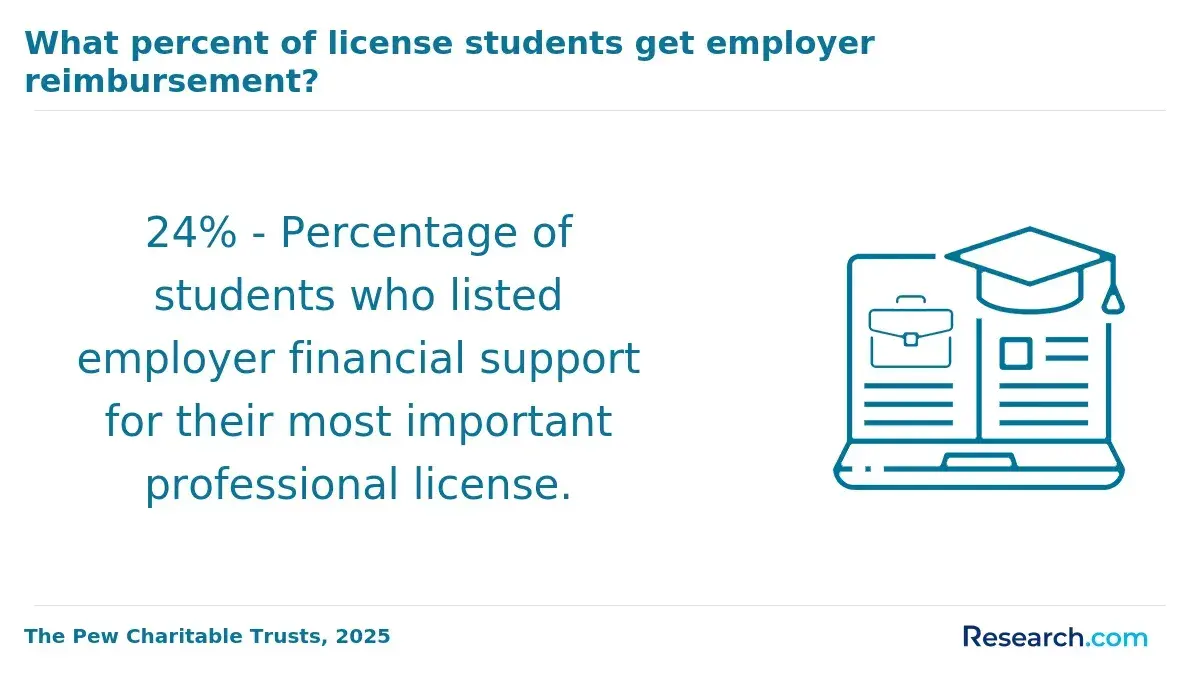
Many colleges and professional organizations provide targeted financial aid to encourage students transitioning from an associate degree to a bachelor's program in cloud computing. Studies show about 60% of STEM transfer students receive scholarships or grants, helping to ease the costs of continuing education.
Below are several common types of funding available for these students.
- Institutional Transfer Awards: Offered by universities to support associate degree holders pursuing a bachelor's, these awards typically consider academic performance, earned credits, and sometimes financial need. Eligibility varies but often requires maintaining a minimum GPA and proof of progress in cloud computing coursework.
- State-Funded Grants: Available in many states for students studying in-demand fields like cloud computing, these grants usually require state residency and enrollment in qualifying programs. They aim to boost local workforce development by funding relevant technology education.
- Professional Organization Scholarships: Industry groups and cloud-specific associations often provide scholarships to students committed to cloud computing careers. These awards focus on academic merit, dedication to the field, and may give preference to underrepresented groups or those with certifications.
- Academic Merit Awards: Some scholarships prioritize students with strong GPAs, typically around 3.0 or higher, and may require essays or recommendation letters. These awards reward academic excellence and a demonstrated passion for advancing cloud computing skills.
Many professionals working in cloud computing can substantially offset their tuition expenses by utilizing employer tuition reimbursement programs tailored for degree advancement. Approximately 67% of large U.S. employers provide some form of educational assistance, often prioritizing IT and cloud computing roles.
Below are key factors to consider when exploring these benefits:
- Eligibility Requirements: Employees usually need to have completed a minimum tenure, commonly between six to twelve months, before qualifying for tuition reimbursement. Maintaining a satisfactory GPA, often 2.5 or higher, is typically required to continue receiving benefits.
- Annual Benefit Caps: Organizations often limit reimbursements to a specific amount, generally ranging from $5,000 to $7,500 per year. These caps help companies manage budgets while encouraging employees to complete their degrees on schedule.
- Transfer Credits Acceptance: Tuition reimbursement frequently covers degree completion pathways, including transferring credits from an associate degree to a bachelor's, enabling employees to finish their education efficiently.
- Tax-Free Reimbursements: Many employers provide funds on a tax-free basis, allowing employees to maximize the benefits without additional tax liability on the aid received.
- Post-Graduation Work Commitments: Some companies require employees to remain employed for a specified period after graduation to retain the reimbursement, ensuring a return on their investment in employee education.
Accreditation serves as a vital quality guarantee, ensuring an associate degree in cloud computing meets the rigorous academic standards necessary for seamless transfer to a bachelor's program. A 2023 survey by the Computing Technology Industry Association (CompTIA) found that over 70% of employers require candidates' education credentials to come from accredited programs, underscoring accreditation's role in credit mobility and professional advancement.
Institutional accreditation focuses on evaluating the overall quality and legitimacy of a school, which impacts how widely credits are accepted across different universities. In contrast, programmatic accreditation targets the specific cloud computing curriculum, ensuring it meets industry and academic benchmarks.
Verifying both types is crucial because regional accreditation impact on cloud computing degree transfer can vary, and programmatic accreditation often influences recognition by employers and licensing boards.
Students should carefully assess transfer credit acceptance and accreditation for cloud computing programs to protect their educational investment and avoid losing credits during the transition. Staying within fully accredited pathways not only maximizes credit acceptance but also maintains the long-term value of the degree. For those balancing work and study, exploring options such as an MBA online no GMAT can complement cloud computing education and career growth.
Transferring from an associate degree to a bachelor's degree in cloud computing significantly expands career options and prepares students for leadership or highly technical positions. The U.S. Bureau of Labor Statistics forecasts a 15% growth in information technology jobs, including those in cloud computing, between 2021 and 2031, highlighting rising industry demand.
Below are several key roles where a bachelor's degree is particularly valuable:
- Cloud Solutions Architect: Designs and oversees cloud systems to meet business needs. This role demands advanced knowledge of cloud infrastructure and architecture, skills typically gained through a bachelor's program.
- DevOps Engineer: Focuses on streamlining software development and deployment processes using automation. A bachelor's degree provides the in-depth understanding of both coding and cloud environments necessary to innovate and maintain efficient pipelines.
- Cloud Security Analyst: Protects cloud-based data and applications from cyber threats. Higher education equips professionals with expertise in security protocols, risk assessment, and compliance standards critical for this role.
- Cloud Project Manager: Coordinates teams and resources to deliver cloud initiatives on time and within budget. The leadership, project management, and technical knowledge acquired through a bachelor's degree are essential here.
While the path from an associate degree to a bachelor's in cloud computing is often streamlined, administrative oversights can cause unnecessary delays or significant credit loss. Research shows that students lose about 30% of their earned credits during transfer due to mismatched course requirements or missing articulation agreements.
Being aware of these challenges is crucial, especially when considering transfer challenges in US cloud computing programs. The following are common pitfalls students should avoid:
- Unverified Credit Transfer: Failing to confirm which credits will transfer before applying can result in repeating courses, extending the time and cost needed to complete your bachelor's degree.
- Insufficient Advising: Not consulting academic advisors experienced in cloud computing education often leads to selecting non-transferable courses or misaligned electives, which stall academic progress.
- Ignoring Curriculum Differences: Underestimating differences in course depth and breadth between institutions may leave students unprepared for bachelor-level coursework and missing key prerequisites.
- Neglecting General Education: Overlooking the importance of completing required general education courses early can create bottlenecks later, delaying graduation.
- Major Changes during Transfer: Changing majors without assessing the impact on credit applicability frequently results in lost credits and additional semesters of study.
Addressing these issues proactively can ease the transfer process. Students should research articulation agreements carefully and seek specialized advising tailored to cloud computing pathways to avoid common mistakes when transferring to a bachelor's in cloud computing. For those interested in related fields, you might also explore can you get a physics degree online as an alternative educational path.
What Graduates Say About Transferring from an Associate to Bachelor's in Cloud Computing
- Benny: "Choosing to transfer from an associate to a bachelor's degree in cloud computing was a strategic decision for me, as I wanted to deepen my technical skills and open more career doors. The affordability of the transfer pathway made it a practical choice, allowing me to continue my education without overwhelming debt. Pursuing this pathway truly transformed my understanding of cloud systems and boosted my confidence in facing industry challenges."
- Greyson: "Reflecting on my journey, the main reason I transferred from an associate to a bachelor's in cloud computing was the comprehensive curriculum that aligned with my long-term goals. The cost was more than reasonable compared to starting a bachelor's from scratch, which eased my financial worries. This pathway not only enriched my knowledge but also expanded my professional network, which has been invaluable for finding job opportunities."
- Cooper: "Professionally, transferring into a bachelor's in cloud computing program after completing my associate degree was a crucial step in advancing my career in tech. I appreciated how the transfer program was designed to be cost-effective while still delivering a high-quality education. The impact has been significant-I'm now equipped with advanced skills that employers value, and I feel ready to tackle complex projects confidently."
Other Things You Should Know About Cloud Computing Degrees
Articulation agreements set which associate-level courses transfer and how many credits count toward the bachelor’s degree, often in blocks of 60 to 90 semester credits. They can also name required grades, accepted course equivalents, and any upper-division cloud courses that still must be completed at the receiving university.
Yes, many bachelor's programs require foundational courses such as programming, networking, and introductory cloud concepts before accepting transfer students into cloud computing majors. These prerequisites ensure students have the necessary background to succeed in advanced coursework. Prospective transfer students should review prerequisites carefully to prepare accordingly.
Most bachelor's programs accept between 60 to 90 semester credits from an associate degree, covering general education and some core technical courses. The exact number depends on the institution and how closely the associate coursework matches the bachelor's curriculum. Students should work with academic advisors to maximize applicable credits.
- Cloud career paths: 2025 job guide | Online Courses, Learning Paths, and Certifications - Pluralsight https://www.pluralsight.com/resources/blog/cloud/cloud-career-guide-2025
- Microsoft Benefits https://usbenefits.microsoft.com/us/en/tuition-assistance.html
- Undergraduate Transfer Scholarship - Jack Kent Cooke Foundation https://www.jkcf.org/our-scholarships/undergraduate-transfer-scholarship/
- Top 23 Scholarships for Transfer Students to Apply for in March 2026 https://bold.org/scholarships/by-demographics/scholarships-for-transfer-students/
- 6 Cloud strategy pitfalls that could derail your university's digital transformation https://our-thinking.nashtechglobal.com/insights/6-signs-your-cloud-strategy-is-putting-your-university-at-risk
- How to Go from an Associate’s Degree to a Bachelor’s Degree | George Fox University https://www.georgefox.edu/adult-degree/articles/associate-to-bachelor-degree.html
- 5 Reason to Go from Associates Degree to Bachelor's | Tiffin University https://go.tiffin.edu/blog/5-reasons-to-go-for-it-turning-your-associate-degree-into-a-bachelors-degree/
- Associate vs. Bachelor’s in Information Technology: IT Degree Comparison Guide https://campus.edu/blog/information-technology/associate-vs-bachelors-in-information-technology-it-degree-guide
- Cloud Computing Degrees: What You Need to Know https://www.dice.com/career-advice/cloud-computing-degrees-what-you-need-to-know
- What is Cloud Computing? Career Paths and Certifications https://www.lpu.in/blog/what-is-cloud-computing-career-paths-and-certifications/