
2027 Can You Get a Cloud Computing Bachelor's Degree After 30?

Co-Founder and Chief Data Scientist
Many adults over 30 face the challenge of balancing career shifts, family responsibilities, and education when considering a cloud computing bachelor's degree. This demographic often worries about outdated skills and time constraints. Yet, nearly 45% of IT professionals earning a bachelor's degree in cloud computing started their programs after age 30, reflecting a growing trend of adult learners entering this field.
This article examines practical pathways, program flexibility, and financing options tailored to adult students-helping readers understand how to successfully navigate earning a cloud computing degree later in life and accelerate their career growth.
Key Things to Know About Getting a Cloud Computing Bachelor's Degree After 30
- Most programs accept transfer credits and prior learning assessments-vital for older students aiming to reduce time and cost while meeting admission criteria focused on professional experience.
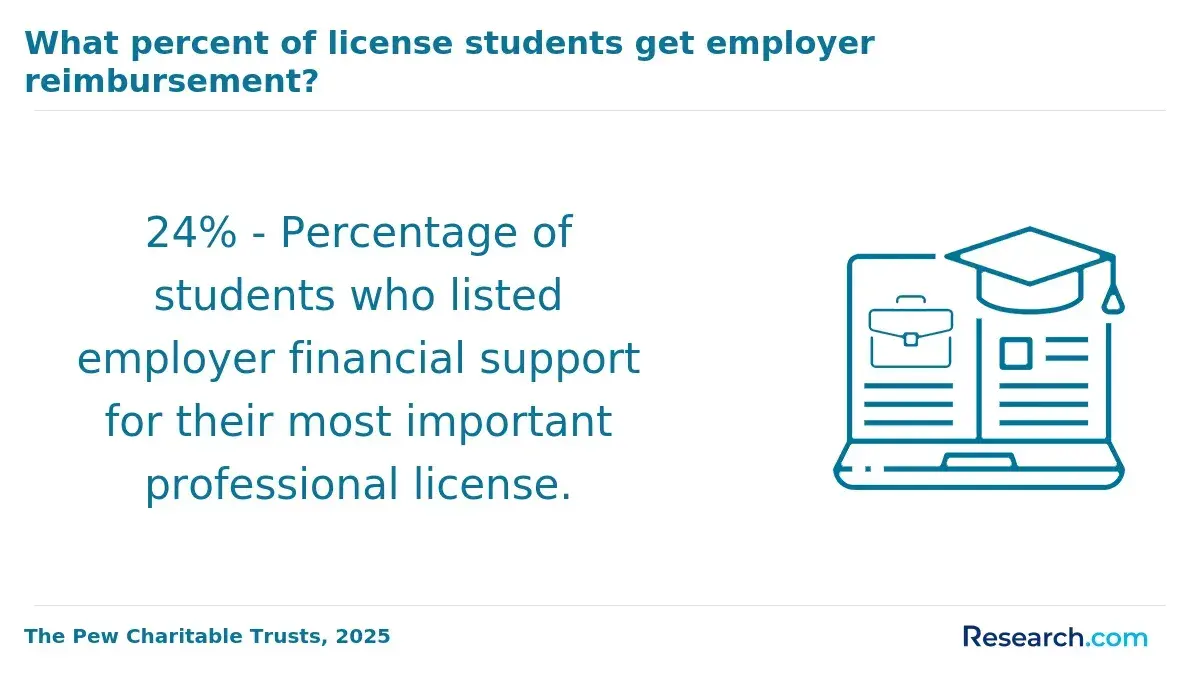
- Financial aid, employer tuition reimbursement, and flexible payment plans help balance education costs with family responsibilities-over 40% of students aged 30+ leverage such support.
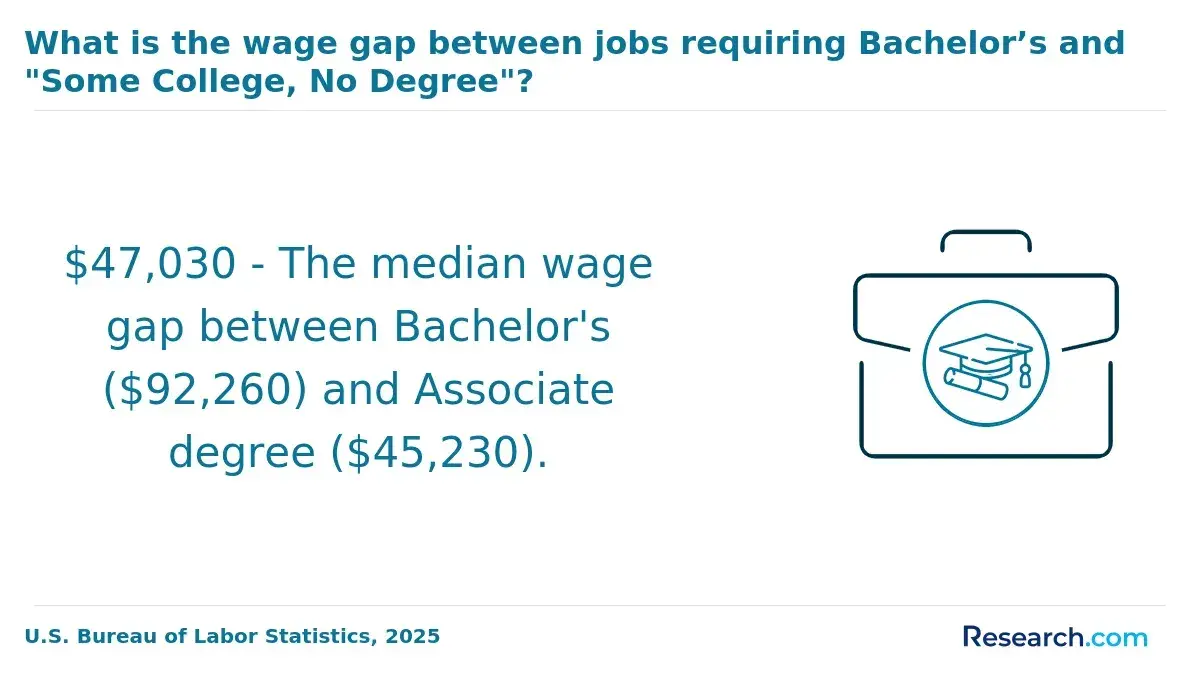
- Earning a cloud computing degree after 30 typically boosts long-term earnings by 15% to 25%, especially when paired with relevant work experience and industry certifications.
Can You Really Get a Cloud Computing Bachelor's Degree After 30?
Data from the National Center for Education Statistics (NCES) highlights a steady rise in adult learners aged 25 and older enrolling in bachelor's degree programs, including those in cloud computing. Returning to college after 30 is not only possible but increasingly common, as many institutions have redesigned curricula and support services to better meet the specific needs of adult students. This article examines key factors essential for earning a cloud computing bachelor's degree after 30-time commitment, finances, career impact, program options, and support systems-to guide adult learners through their educational journey.
- Enrollment Trends: There is growing acceptance and participation of adult learners pursuing bachelor's degrees in cloud computing, reflecting broader trends toward technology-focused education for non-traditional students.
- Program Flexibility: Colleges often offer evening, weekend, and online classes that accommodate work and family responsibilities, allowing adult students to balance education with life obligations effectively.
- Financial Considerations: Financial aid, scholarships, and employer tuition assistance programs target adult learners to make earning a cloud computing bachelor's degree after 30 more affordable and accessible.
- Career Impact: Earning this degree supports career changes, advancement, and salary growth within the high-demand cloud computing field, offering a strong return on investment.
- Support Systems: Academic advising, veteran services, childcare resources, and peer networks are increasingly available to help adult learners succeed academically and personally.
Though balancing multiple responsibilities can present challenges, millions of adults successfully complete bachelor's programs each year, leveraging tailored support to thrive. For those seeking the fastest credentialed pathway, including many military veterans and parents reentering the workforce, high-quality online courses provide valuable options. This guide aims to offer clear, research-based insights for adults pursuing cloud computing degrees later in life.
Why Are More Adults Over 30 Pursuing a Cloud Computing Bachelor's Degree?
More adults over 30 are returning to higher education to earn a cloud computing bachelor's degree, reflecting broader trends documented by the Lumina Foundation, NCES, and the American Council on Education (ACE). This rise is driven by several key factors shaping the adult learner journey and reflecting the benefits of pursuing a cloud computing bachelor's degree after 30.
- Career Transitions: Many adults seek new roles in technology-cloud computing provides expanding job opportunities and stability, making it an ideal pathway for career changers and those leveraging prior experience.
- Employer Tuition Benefits: The increasing availability of employer-sponsored education programs helps working adults shoulder less financial burden, encouraging ongoing education while employed.
- Layoffs and Economic Shifts: The pandemic's impact caused layoffs across sectors, motivating displaced workers over 30 to pursue resilient credentials that prepare them for future-ready careers in cloud computing.
- Increased Online Program Availability: Flexible, fully online cloud computing bachelor's programs accommodate adults balancing family and work, enabling convenient access without geographic restrictions.
- Wage Premiums and ROI: Research confirms cloud computing degrees lead to higher wages and faster career advancement, enhancing return on investment for adult learners.
Post-pandemic workforce changes also validate the growing demand for cloud computing skills, making the field more accessible for adults returning to school. Colleges now offer improved support tailored to adult students-including credit for prior learning and accelerated pathways-strengthening infrastructure for those seeking the fastest credentialed pathway.
Adult learners choosing cloud computing degrees for career change find that these expanding opportunities fit diverse circumstances-whether they are military veterans, parents reentering the workforce, or transfer students-highlighting how cloud computing education aligns with career advancement and job security goals after 30. For those exploring financing options, resources covering the most affordable online masters offer insight into cost-effective pathways.
What Are the Most Common Challenges Adults Over 30 Face When Pursuing a Cloud Computing Degree?
Time Constraints: Adult learners often juggle full-time employment, family care, and coursework simultaneously, limiting available study time. Research from the Bill & Melinda Gates Foundation shows that this pressure frequently leads to temporary withdrawal from studies, especially when programs lack flexibility such as asynchronous formats.
- Financial Pressures: Managing tuition alongside expenses like mortgages and healthcare intensifies challenges for those pursuing education later in life. Complete College America identifies financial strain as a major contributor to dropout rates among adults in tech-related fields, though support options like scholarships and employer tuition aid can alleviate this burden.
- Technology Gaps: Adults returning to education may struggle with modern software and remote learning platforms due to limited prior exposure. This technological hurdle can slow progress but can be overcome with preparatory courses and dedicated technical assistance.
- Imposter Syndrome: Many adult students experience self-doubt entering a rapidly evolving field such as cloud computing, which impacts motivation. Peer networks and mentoring can offer crucial encouragement to rebuild confidence.
- Academic Bureaucracy: Navigating complex processes like credit transfers, registration, and program requirements often overwhelms adult learners unfamiliar with academic systems. Access to tailored advising and simplified procedures can reduce attrition linked to administrative obstacles.
It is common for most adults pursuing a cloud computing degree to face two or three of these challenges concurrently, making it vital to understand these struggles are shared rather than personal failings. Recognizing this can empower learners to persist and explore effective solutions.
A professional who enrolled in a cloud computing bachelor's program after turning 30 described his experience as "a constant balancing act of work, family, and study." He recalled times when "the technology felt like an entirely new language," causing frustration early on. Yet, he valued the support systems that "helped me not feel isolated," including mentorship and flexible course options. He emphasized that overcoming imposter syndrome was gradual, saying, "I kept telling myself my previous experience counted, and that mindset shift was a turning point." His journey illustrates that while these difficulties are formidable, persistence paired with available resources can lead to successful degree completion.
Adult learners pursuing a bachelor's degree in cloud computing can choose from various program formats designed to fit diverse lifestyles and commitments. These options help professionals over 30 balance education with work and family obligations while advancing their tech careers.
- Fully Online: Offering complete flexibility, fully online programs let students study remotely without campus visits. Institutions like Western Governors University (WGU) and Southern New Hampshire University (SNHU) have developed strong online platforms tailored for cloud computing education, ideal for those needing maximum scheduling freedom.
- Hybrid: Combining online coursework with occasional on-site classes, hybrid formats provide opportunities for direct interaction and networking while minimizing time spent commuting. This format suits learners who want some face-to-face engagement along with adaptable pacing.
- Evening and Weekend On-Campus: These programs hold in-person classes outside regular business hours, accommodating working adults who can commit to a predictable schedule for steady progress but require on-campus residency during sessions.
- Competency-Based Education (CBE): Schools like WGU offer CBE models that allow students to advance by demonstrating knowledge instead of clocking classroom hours. This approach accelerates completion for self-driven learners leveraging previous IT experience in cloud computing.
- Accelerated Cohort Models: These fast-paced, group-oriented programs move learners quickly through curricula, ideal for those eager to enter the cloud computing workforce rapidly. Though demanding, cohort models build peer support and momentum.
Finding the best cloud computing bachelor degree programs for adult learners means assessing personal schedules, learning preferences, and career goals. Many favor flexible online and competency-based paths, while others choose hybrid or cohort formats for structure and collaboration. For professionals seeking a swift transition, exploring an accelerated online finance degree offers insight into fast-track education models that mirror options available in cloud computing.
Completion time for adults over 30 earning a cloud computing bachelor's degree varies considerably based on enrollment type, prior credits, and program format. While traditional full-time students generally graduate in four years, adults often study part-time due to work and family, extending their timeline to five years or more. Accelerated programs tailored to working adults can reduce this to three years or less, especially when combined with prior learning assessments.
Recognition of existing college credits, CLEP exams, and military training can shorten degree duration by one to two years, sometimes more. For instance, students entering with 30 to 60 transferable credits might only need two additional years of coursework. Designing a personalized timeline requires evaluating available study hours, current credits, and whether an individual can attend full- or part-time.
Flexible course scheduling, including competency-based and online options, helps adult learners balance education with other responsibilities, which affects time to degree completion. Recent government data shows a 15% nationwide growth in adult enrollment in IT-related bachelor's degrees over five years, underscoring increasing accessibility and interest.
- Prior Credits Impact: Transfer credits, military experience, and CLEP tests significantly reduce study time, rewarding adults with previous related learning.
- Enrollment Status: Full-time students may finish in three to four years; part-time learners should expect longer periods due to external commitments.
- Accelerated Programs: Specialized options enable dedicated students to complete degrees faster than traditional timelines.
- Flexible Learning: Online and competency-based models offer adaptable scheduling to fit adults' busy lives.
- Growing Demand: A 15% rise in adult enrollment reflects expanding opportunities for career changers and returning students.
A professional who completed a cloud computing bachelor's degree after age 30 shared insights about managing her journey. Balancing a full-time job and family required meticulous planning and strong discipline, especially when juggling deadlines and exams. She valued prior credit recognition, which relieved pressure by recognizing skills gained outside traditional classrooms. "It was challenging to stay motivated during the slower semesters, but flexible online courses made it possible to keep moving forward," she explained. Her experience highlights that while timelines vary, persistence combined with institutional support can lead to successful degree completion and career advancement.
Adults pursuing a bachelor's degree in Cloud Computing have access to a range of financial resources often overlooked due to the misconception that aid targets only traditional students. The Federal Student Aid office confirms that any enrolled student in an accredited program can file the Free Application for Federal Student Aid (FAFSA), regardless of age, to unlock federal funding opportunities.
Federal Financial Aid: Pell Grants are available for undergraduates who demonstrate financial need, alongside subsidized and unsubsidized loans. Subsidized loans are particularly beneficial since the government covers interest while students remain enrolled. Early FAFSA submission is crucial to maximize these benefits.
Employer Tuition Assistance Programs: Many companies, especially those in tech sectors, offer tuition reimbursement or support for continuing education. Checking with human resources can reveal eligibility criteria and repayment conditions.
State Adult Learner Grants: Several states provide grants specifically for adult learners returning to college, often requiring residency and attendance at in-state public institutions to reduce costs significantly.
Professional Association Scholarships: Cloud Computing-related organizations, including those connected to certifications like AWS, Microsoft Azure, and CompTIA, may offer scholarships to support career changers and underrepresented adult students.
Income-Share Agreements (ISAs): These innovative options let students pay tuition as a percentage of future earnings instead of upfront fees, helping to mitigate debt risk.
Choosing online or public programs can also lower tuition costs compared to private, on-campus alternatives-ideal for adults balancing work and family. Evaluating program costs before enrollment enhances financial aid effectiveness and debt management.
To optimize funding, adults should:
- Submit FAFSA promptly to secure all available federal aid.
- Explore employer tuition benefits comprehensively.
- Investigate state-funded grants aimed at adult learners.
- Apply for scholarships from professional cloud computing bodies.
- Consider income-share agreements or other payment plans as viable alternatives.
Recent data from the National Center for Education Statistics indicates that almost 40% of undergraduates are adults aged 25 and older, underscoring the expanding demographic of nontraditional learners seeking Cloud Computing degrees.
Employers widely respect a cloud computing bachelor's degree earned after age 30, especially when obtained from a regionally accredited institution. According to data from the Society for Human Resource Management (SHRM) and the National Association of Colleges and Employers (NACE), hiring managers focus on the credential itself rather than the graduate's age or time taken to complete the program. This attitude reflects an increasing acknowledgment of adult learners' valuable qualities beyond academics.
- Professional Maturity: Employers often appreciate older graduates for their life experience and reliability, attributes that enhance communication and problem-solving skills in cloud computing roles.
- Real-World Experience: Many adult learners bring prior work history or technical exposure that complements their education, making them competitive candidates for roles requiring both theory and practical knowledge.
- Persistence and Commitment: Balancing a degree program with family or job responsibilities demonstrates perseverance, an important trait in the rapidly evolving cloud computing industry.
- Industry Requirements: Sectors such as enterprise IT, government, and major cloud service providers typically require a bachelor's degree as a baseline credential, regardless of whether it was earned at 22 or 35-making the timing irrelevant for hiring decisions.
- Credential Verification: Employers verify the legitimacy of degrees through background checks; resumes do not indicate the graduate's age or the duration of study.
- Employment Trends: LinkedIn Workforce Insights reports a 22% annual rise in mid-career professionals earning technology-related bachelor's degrees, signaling a shift that embraces adult learners in cloud computing careers.
Prior work experience credit for cloud computing degrees plays a crucial role in accelerating degree completion for adult learners. Many programs designed for students over 30 recognize that professional knowledge gained outside academia can reduce both time and costs. One widely used method is Prior Learning Assessment (PLA), which evaluates a student's employment history, training, and skills to award academic credit. Well-established institutions like Western Governors University and Thomas Edison State University have robust PLA systems tailored for cloud computing students.
- Portfolio Evaluation: Students present a portfolio containing certifications, work samples, and reflective essays that demonstrate competencies aligned with cloud computing curricula.
- CLEP and DSST Exams: These standardized tests allow learners to earn credit by passing exams in relevant cloud computing subjects instead of completing courses.
- ACE-Recommended Credit for Certifications: Professional certifications recognized by the American Council on Education (ACE)-such as AWS Certified Solutions Architect or Microsoft Certified: Azure Administrator-often translate directly into college credits.
According to the Council for Adult and Experiential Learning (CAEL), adult learners typically receive between 15 and 30 credits for prior learning-equivalent to one or two semesters-making degree completion more manageable alongside personal responsibilities. Admissions offices carefully assess non-traditional applicants by looking beyond transcripts to rigorously evaluate work experience. Applicants benefit from clearly aligning cloud computing job duties and certifications with program goals, offering concrete examples of technical projects and leadership roles to present their professional background as a scholarly asset rather than a gap.
Years of experience in cloud computing and related IT areas often lead to significant credit toward degree requirements. Adult learners are encouraged to work closely with academic advisors to effectively map their professional background into academic progress. For those interested in complementary credentials to boost their career path, exploring options such as art therapy certification may also be beneficial to broaden professional expertise.
Admission requirements for cloud computing bachelor's programs often differ significantly for adult learners, especially those over 30, compared to traditional students. Many institutions acknowledge the value of life and work experience by adjusting typical academic expectations to better fit nontraditional applicants.
- Minimum GPA: Most programs require a minimum GPA around 2.5 to 3.0 from any prior postsecondary coursework. Some schools waive strict GPA thresholds for adult learners with relevant professional certifications or substantial work experience in cloud computing.
- Standardized Test Waivers: Applicants over 25 or 30 frequently benefit from SAT or ACT waivers, reflecting a practical focus on skills and prior learning rather than standardized exam results.
- Letters of Recommendation: While traditional programs emphasize academic references, adult-targeted programs often accept professional recommendations from employers or supervisors who can attest to technical abilities and work ethic.
- Personal Statements: Many programs request a personal statement to evaluate motivation, career objectives, and alignment of the applicant's background with cloud computing studies.
- Residency and Transfer Credit Policies: Flexible transfer credit options support adult learners-for example, accepting military training, community college coursework, or professional certifications-to accelerate degree completion.
- Open or Rolling Admissions: Many adult-focused cloud computing programs offer multiple start dates and less rigid entry criteria, easing enrollment for those juggling family or career obligations and differing sharply from selective traditional admissions.
- Low GPA and Academic Renewal: Candidates with previous low GPAs should seek programs offering academic renewal, grade forgiveness, conditional admission tracks, or probationary periods to demonstrate readiness for rigorous coursework despite past academic challenges.
Assessing your academic profile honestly is crucial when exploring admission criteria for nontraditional cloud computing students. Identifying institutions that emphasize adult learner support and flexibility can enable a smoother transition into this in-demand field. For those seeking accelerated credentials and specialized options, exploring accredited online electrical engineering programs may also provide complementary pathways into cloud-related careers.
Adult learners pursuing cloud computing degrees face significant challenges balancing full-time work, caregiving duties, and financial pressures. The Institute for Women's Policy Research reveals that these combined responsibilities reduce available study time and increase stress, often causing delays or dropouts. Rigid course schedules conflict with the unpredictable demands of adult life, underscoring the need for adaptable learning models.
Successful students frequently adopt structured time management techniques such as time blocking, where specific periods are reserved exclusively for studies, and the Pomodoro Technique, which alternates focused work intervals with breaks to maintain concentration. Choosing asynchronous courses with flexible deadlines also helps accommodate varying personal obligations.
External support plays a crucial role in degree completion. Employer policies allowing adjustable schedules or tuition support relieve pressure, while active involvement from partners or family in sharing household tasks lightens the load. College-provided resources including childcare and emergency funding can be essential safety nets.
Before enrolling, adults benefit from evaluating their personal support networks and engaging with their institution's adult learner services to identify resources and strategies that improve persistence and success.
- Work-Family Balance: Coordinating full-time employment and caregiving demands careful planning to preserve consistent study time and avoid burnout.
- Time Management Techniques: Methods like time blocking and Pomodoro help learners maintain steady academic progress amid busy schedules.
- Employer and Family Assistance: Flexible work hours and shared domestic responsibilities support continued momentum toward degree completion.
- Campus Support Services: Onsite childcare and emergency financial aid provide critical relief that lowers dropout risk for adult students.
- Proactive Preparation: Assessing support systems and communicating with adult learner offices before starting courses enhances the likelihood of success.
Research from the National Student Clearinghouse and Complete College America highlights that frequent, personalized advising-referred to as advising intensity-significantly boosts adult learner completion rates. For adults over 30 pursuing a cloud computing bachelor's degree, certain institutional support services prove especially beneficial in navigating academic and life challenges.
- Dedicated Adult Learner Advisors: Advisors with expertise in non-traditional student needs provide customized support for balancing coursework with work and family obligations, helping to optimize degree planning and course choices.
- Prior Learning Assessment Offices: These offices evaluate work experience and certifications for academic credit, reducing time and expense required to earn a degree by recognizing skills already acquired.
- Flexible Tutoring Hours: Evening and weekend tutoring accommodate busy schedules, providing accessible academic assistance outside typical business hours to maintain steady progress.
- Virtual Library Access: Remote access to digital resources and databases enables students to research and complete assignments without needing to visit campus, supporting distance learners' success.
- Career Services for Career Changers: Tailored services such as resume help, networking opportunities, and internships assist adult students transitioning into tech roles, increasing their employment prospects.
- Peer Networks for Non-Traditional Students: Groups and cohorts create community, fostering motivation and sharing advice to reduce isolation often felt by learners returning to education after a break.
When evaluating cloud computing programs, ask about the availability of these support services, as their presence strongly predicts persistence and degree completion. Choosing a program with robust adult learner infrastructure improves the likelihood of successfully earning your degree while managing professional and personal responsibilities.
What Graduates Say About Getting a Cloud Computing Bachelor's Degree After 30
- Benedict: "Enrolling in the cloud computing bachelor's degree program after 30 was a game-changer for me-especially because of the financial support options available that made it feasible without overwhelming debt. The program's solid accreditation gave me confidence that employers would recognize my qualifications, which truly paid off in job interviews. I'm now thriving in a role I never thought possible before returning to school."
- Greyson: "Choosing to pursue my degree in cloud computing after age 30 was a reflective decision driven by career growth desires. What stood out most was how the program balanced theoretical knowledge with practical skills, enhancing my professional appeal. The career services helped me transition smoothly into a STEM career, proving the program's value well beyond the classroom."
- Cooper: "As a mature student, I appreciated how the program acknowledged the challenges of returning to education later in life and offered flexible financial support opportunities. The accredited nature of the degree brought a level of professionalism that opened many doors in the tech industry. Today, I'm working in a highly satisfying cloud computing position that leverages everything I learned."
Other Things You Should Know About Cloud Computing Degrees
Adults over 30 might face challenges such as balancing studies with existing work or family responsibilities, updating their digital skills to match current technological standards, and finding programs that offer flexible learning options. Additionally, re-entering the academic environment after a long break can be daunting, but supportive resources are often available.
Yes, several institutions offer accelerated cloud computing bachelor's programs tailored for adults over 30, often including credit-for-prior-learning or work experience. These programs recognize professional certifications and relevant job experience, allowing students to reduce the time and cost required to graduate. Such options provide flexible schedules that fit around work and family commitments.
Yes. Most regionally accredited universities accept transfer credits, often up to 90 of the 120 credits needed for a bachelor’s degree. Schools usually review official transcripts course by course, and some also award credit for IT certifications such as CompTIA or AWS exams.
Adults over 30 should prioritize programs that offer flexible learning options, such as online or hybrid classes, to accommodate their schedules. Accreditation and industry alignment are important to ensure quality education and recognition by employers. Additionally, programs featuring practical experience, such as labs or internships, help build applicable skills for career transitions.
- Is it worth me starting a diploma or degree in an IT-related field at age 30? https://community.spiceworks.com/t/is-it-worth-me-starting-a-diploma-or-degree-in-an-it-related-field-at-age-30/381746
- Engineering school at 30 [working full time job + family responsibilities] https://talk.collegeconfidential.com/t/engineering-school-at-30-working-full-time-job-family-responsibilities/3671124
- Best Cloud Computing Programs 2026 https://hakia.com/degrees/cloud-computing/best-programs/
- Top 6 challenges of cloud computing to avoid | DoiT https://www.doit.com/blog/master-these-cloud-computing-challenges-to-achieve-your-business-goals/
- Affordable Master in Cloud Computing Online https://agtu.us/en/programs/graduate-programs/computer-science/master-cloud-computing/
- Best Online Cloud Computing Master's Degree Programs, Jobs, and Salaries https://careerkarma.com/blog/best-online-cloud-computing-masters-degrees/
- Top 11 Cloud Computing Challenges Everyone Should Know https://www.intuz.com/blog/cloud-computing-challenges
- Why a cloud computing degree makes sense https://www.infoworld.com/article/2263054/why-a-cloud-computing-degree-makes-sense.html
- Cloud Computing Degrees: What You Need to Know https://www.dice.com/career-advice/cloud-computing-degrees-what-you-need-to-know
- 7 Most Common Cloud Computing Challenges - GeeksforGeeks https://www.geeksforgeeks.org/blogs/7-most-common-cloud-computing-challenges/


