
2027 Is an Online Cloud Computing Bachelor's Degree Worth It?

Co-Founder and Chief Data Scientist
Imagine a professional with a non-technical undergraduate degree aiming to enter the rapidly evolving cloud computing sector but struggling to find a clear, credible educational pathway. This dilemma is common as employers increasingly value formal qualifications alongside practical skills. According to the National Center for Education Statistics, enrollment in online cloud computing bachelor's programs grew by over 40% between 2018 and 2023, reflecting rising demand. This article evaluates whether an online cloud computing bachelor's degree is a worthwhile investment, examining its benefits, challenges, and impact on career prospects to guide readers considering this educational pivot.
Key Things to Know About the Value of an Online Cloud Computing Bachelor's Degree
- Online cloud computing degrees offer flexible scheduling and transfer credit policies, crucial for military veterans and working parents balancing education with life goals.
- Programs from accredited institutions typically demonstrate positive return on investment through lower tuition and increased earning potential, with some military-friendly options providing cost savings.
- Graduates see improved career prospects-roles in cloud infrastructure and cybersecurity are projected to grow by over 15% through 2030, validating degree relevance for mid-career advancement.
What Are the Real Costs of Earning an Online Cloud Computing Bachelor's Degree, and How Do They Compare to On-Campus Programs?
Online cloud computing bachelor's programs generally present a more affordable option compared to traditional on-campus degrees, based on IPEDS and the College Board's Trends in College Pricing report. Tuition per credit hour for online programs ranges from $300 to $450, while on-campus costs are higher, between $350 and $600 per credit hour. This cost difference depends largely on whether the school is public or private and whether the student qualifies for in-state tuition.
- Tuition Per Credit Hour: The lower tuition rates for online courses contribute significantly to the cost comparison of online versus on-campus cloud computing degrees, often making online formats more accessible.
- Fees: Mandatory fees like technology, registration, and student activity fees apply to both formats. Online students may pay slightly higher technology fees, generally $50 to $100 per semester, to cover digital access expenses.
- Required Technology: Online learners must budget for a reliable computer, stable internet, and sometimes specialty software, which can add $500 or more upfront depending on what technology they already own.
- Indirect Costs: On-campus students often encounter commuting, housing, and meals costs that can total several thousand dollars annually, while online students avoid these but might have increased utility bills and home workspace expenses.
Several accredited online cloud computing bachelor's programs cost less than the national average, including Western Governors University, Southern New Hampshire University, Fort Hays State University, and Arizona State University Online. These schools offer fully online curricula with total tuition often under $15,000, providing affordable options for a quality education.
The sticker price differs substantially from the net price students pay after factoring in financial aid. Grants, scholarships, employer tuition assistance, and military benefits can dramatically reduce out-of-pocket costs. Prospective students should use net price calculators and apply early for aid to understand their personal expenses better. For working parents, veterans, or mid-career professionals, exploring financial aid might be as important as evaluating total tuition and fees.
Those comparing programs should also review transfer credit policies and employer perceptions, as these affect long-term value and career outcomes. For additional guidance on affordable options in other fields, see accelerated speech pathology programs online.
What Is the Return on Investment (ROI) of an Online Cloud Computing Bachelor's Degree Over a Career Lifetime?
Return on investment (ROI) in higher education evaluates the financial benefits of earning a degree relative to costs like tuition, fees, and opportunity expenses. In the case of an online cloud computing bachelor's degree, ROI measures how these expenses balance against increased earnings over a career. According to the Georgetown University Center on Education and the Workforce, ROI should factor in upfront costs alongside the lifetime income boost a degree offers. The PayScale College ROI Report provides discipline-specific data that helps estimate the economic value of cloud computing programs and their impact on long-term career earnings with an online cloud computing degree.
Calculating ROI begins by summing the total cost of your online degree-including tuition, books, and fees. Then, estimate the cumulative increase in earnings due to cloud computing expertise over a typical working life, often over 10 or 20 years. Subtract total costs from increased earnings, and divide by total costs for a percentage return. This method accounts for salary growth, employment rates, and career advancement potential within cloud-related fields.
The 10-year and 20-year ROI of low-cost online cloud computing degrees generally exceed the national average for all bachelor's graduates. Key points include:
- 10-Year ROI: Cloud computing graduates recoup education expenses faster because of higher starting salaries in IT roles.
- 20-Year ROI: Salary premiums expand over two decades as cloud skills remain in strong demand, enhancing long-term financial gains.
- National Average Comparison: Cloud computing ranks above average due to industry growth and specialized skills.
Non-monetary returns also add significant value beyond salary figures:
- Job Satisfaction: Many professionals find cloud computing careers engaging and innovative.
- Career Mobility: Credentials open doors to diverse roles across industries, reducing stagnation risk.
- Professional Credibility: An accredited online degree enhances employer perception and supports graduate school admission.
For working parents, veterans, and mid-career professionals, evaluating both financial and non-financial ROI factors ensures a well-rounded decision. Exploring financial aid options, transfer credit policies, and employer recognition-including options like the cheapest online school counseling programs (CACREP-accredited) as a reference for affordability-further supports confident enrollment choices. This comprehensive approach helps balance cost, career outcomes, and long-term benefits effectively.
How Do the Salary Outcomes for Online Cloud Computing Bachelor's Graduates Compare to Those With Traditional Degrees?
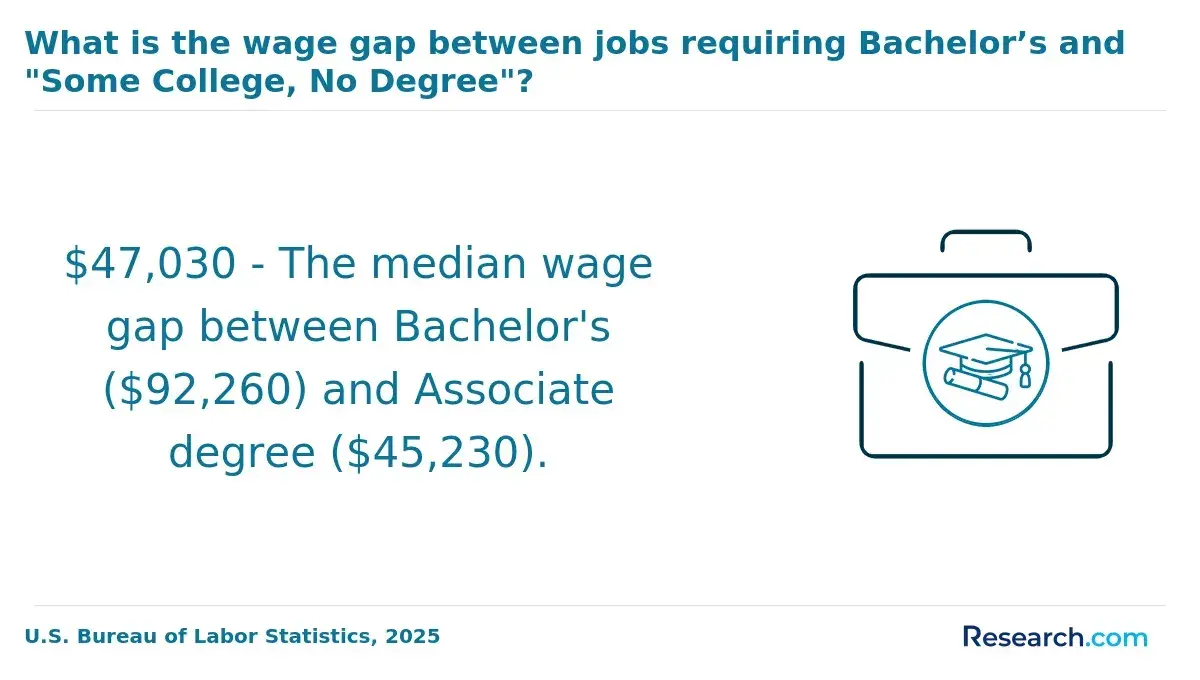
Graduates holding an online cloud computing bachelor's degree often enter the workforce with median starting salaries between $60,000 and $70,000 annually, according to data from the Bureau of Labor Statistics, PayScale, and LinkedIn Salary Insights. These starting figures closely mirror those of on-campus graduates, indicating that the degree's delivery method has minimal impact on initial pay. Over a decade, mid-career earnings typically rise to a range of $95,000 to $110,000 per year, influenced more significantly by factors such as specialization within cloud computing, geographic market conditions, and individual experience than by whether the degree was earned online or in person.
- Median Starting Salary: Early-career cloud computing bachelor's graduates, regardless of program format, usually secure similar median incomes, reflecting employer recognition of equivalent competencies.
- Mid-Career Earnings: After approximately ten years, salaries tend to increase substantially, especially for professionals advancing into leadership roles or developing niche expertise.
- Influential Factors: Institutional reputation, local job market demand, and skill specialization consistently play larger roles in salary variability than mode of program delivery.
- Income Projection:
- During the first five years post-graduation, salary growth is generally steady, with significant boosts tied to earning relevant certifications and accumulating practical experience.
- By the ten-year mark, individuals leveraging advanced technical skills or managerial responsibilities often approach the upper limits of the salary spectrum within the sector.
When asked about the real-world salary impact of an online cloud computing bachelor's degree compared to traditional paths, a professional who pursued the online route shared insights grounded in personal experience. Balancing work and family while managing coursework required disciplined time management and persistence. He noted that employer reactions to his degree format were generally positive once he demonstrated his technical skills and completed relevant certifications. "It wasn't about how I earned the degree but what I could do with it," he reflected. This perspective reinforced that career advancement and compensation correlate largely with demonstrated capability and ongoing skill development rather than the delivery method of the degree itself.
Graduates with a cloud computing bachelor's degree online can pursue diverse career opportunities for online cloud computing bachelor's degree graduates in the tech sector, with many roles accessible directly after completing a bachelor's degree. For instance, a Cloud Engineer builds and manages cloud infrastructure using platforms like AWS, Azure, or Google Cloud. While a bachelor's degree is usually sufficient, industry certifications such as AWS Certified Solutions Architect offer a competitive edge.
- Systems Administrator: Oversees IT systems and cloud environments, typically requiring a bachelor's degree; additional network or security certifications can boost career growth.
- Data Analyst: Interprets cloud-stored data to support business decisions, with many positions open to bachelor's degree holders, though advanced credentials in data science or business analytics can be preferred.
- Cybersecurity Specialist: Focuses on safeguarding cloud systems; entry-level jobs need a bachelor's degree, but certifications like CISSP or CEH are often critical for advancement.
- DevOps Engineer: Merges software development and IT operations to optimize cloud workflows, usually requiring a bachelor's degree plus relevant training or certifications.
The U.S. Bureau of Labor Statistics expects especially strong growth-between 15% and over 30% through 2032-in software development, information security, and data analysis fields, underscoring vibrant job prospects with a cloud computing bachelor's degree online. Selecting a specific concentration within an online cloud computing program helps tailor career trajectories toward roles such as cybersecurity or cloud architecture, enhancing employability.
For students weighing program affordability and outcomes, exploring options like an online school for game design may also provide useful insights into online education pathways and credit transfer strategies.
Students benefit from personalized support in course selection, degree mapping, and transfer credit evaluation. Advisors understand the unique needs of working adults, military veterans, and recent grads, guiding them toward timely degree completion. Other support services include:
- Tutoring and Writing Labs: Virtual centers provide targeted assistance on assignments and sharpen both technical and academic skills. These accessible resources help learners overcoming challenges in specific cloud computing areas or general coursework.
- Mental Health Counseling: Telehealth options ensure students can manage stress and maintain resilience-critical for success in demanding STEM-related programs.
- Career Services: Notable programs offer coordinated internships with industry employers, job search support including resume critiques and interview prep, and access to alumni mentorship communities. Strong employer partnerships create pathways to hands-on experience and future employment opportunities.
- Retention and Graduation Data: Analysis from the National Survey of Student Engagement and institutional reports reveal that programs with integrated support services consistently achieve higher retention and on-time graduation rates, making this infrastructure a key success factor.
A professional who built a career post-graduation shared how the support network eased her transition back into education. She appreciated having advisors who adapted plans as life circumstances changed and found the tutoring staff invaluable when complex topics threatened to derail her progress. The telehealth counseling gave her tools to handle pressure during intense project phases. She reflected that without these services, balancing work, family, and study might have felt overwhelming, but instead they provided steady encouragement and practical help that kept her moving forward confidently.
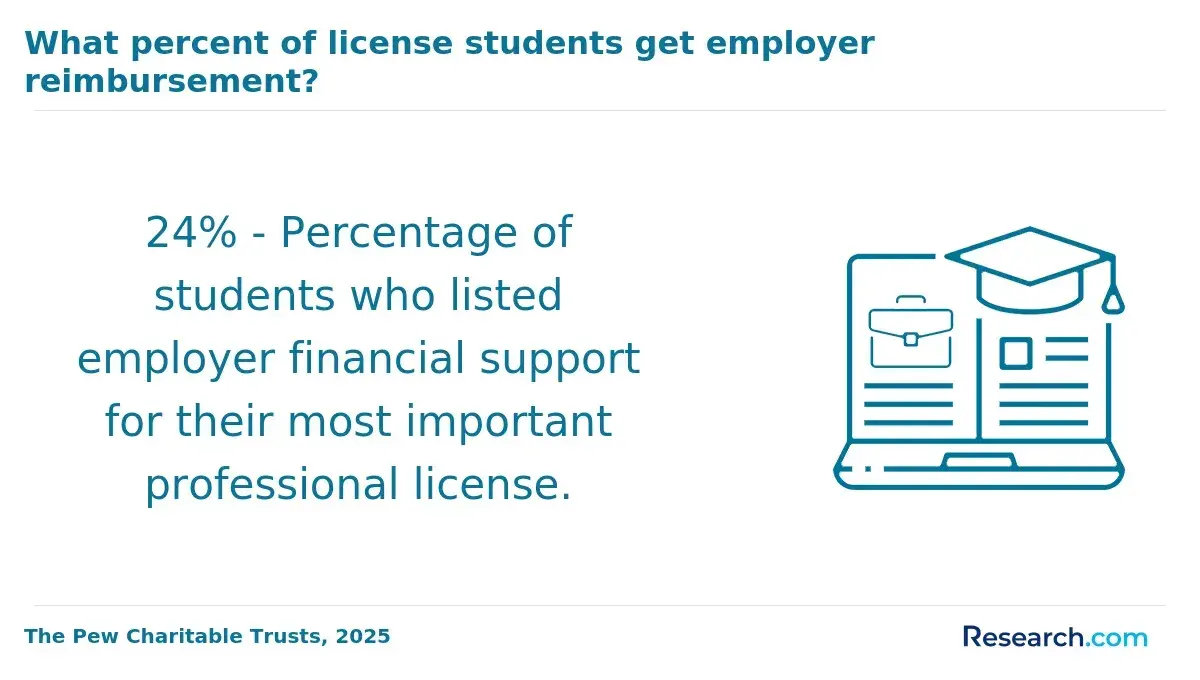
Surveys from the Society for Human Resource Management (SHRM) reveal that over 70% of employers now regard accredited online cloud computing bachelor's degrees as comparable to traditional on-campus credentials. This shift is most prominent in technology-focused sectors, where practical skills and certifications often outweigh the degree format. As a result, graduates from online programs frequently find their credentials accepted on par with campus-based peers.
In areas such as information technology, software engineering, and network management, online cloud computing degrees typically hold full parity with in-person degrees. Leading technology employers like Amazon Web Services, Google, and Microsoft actively hire candidates from accredited online programs, emphasizing demonstrated abilities and hands-on experience over the delivery mode of education. That said, certain specialized roles-especially cybersecurity positions within government agencies or research-intensive fields-may still prefer traditional degrees combined with hands-on laboratory access or security clearances.
Institutions offering online cloud computing degrees report strong employment outcomes, particularly benefiting nontraditional students such as military veterans, working parents, and professionals seeking career changes. Yet, prospective students should carefully analyze employer expectations within their targeted industry or organization. Conducting thorough research and networking can provide insight into how online credentials are valued in specific hiring contexts.
Accreditation is a crucial measure of quality and legitimacy for online cloud computing bachelor's degrees. Regional accreditation holds greater value than national accreditation because it offers enhanced transferability of credits, broader employer acceptance, and eligibility for graduate programs in cloud computing and related fields. Attending a regionally accredited institution increases the likelihood that your degree will be recognized by employers and academic institutions.
The six regional accrediting bodies recognized by the U.S. Department of Education are:
- HLC (Higher Learning Commission): Covers schools in the central United States.
- SACSCOC (Southern Association of Colleges and Schools Commission on Colleges): Oversees institutions in the southern U.S.
- NECHE (New England Commission of Higher Education): Accredits schools in the northeastern region.
- MSCHE (Middle States Commission on Higher Education): Covers mid-Atlantic states.
- NWCCU (Northwest Commission on Colleges and Universities): Oversees Pacific Northwest schools.
- WSCUC (WASC Senior College and University Commission): Accredits schools in California and Hawaii.
Prospective students should verify a program's accreditation status using the Council for Higher Education Accreditation (CHEA) database or the U.S. Department of Education's database to confirm the institution's recognition. While no specialized programmatic accreditation exists exclusively for cloud computing degrees, certifications like ABET for computing programs can enhance the quality and credibility of the curriculum.
Enrolling in an unaccredited or lapsed-accreditation program carries considerable risks. These include ineligibility for federal financial aid, difficulty transferring credits, and lack of recognition by employers or graduate schools. Data from a 2023 industry report show that 87% of employers prefer candidates who hold degrees from regionally accredited institutions-highlighting how accreditation strongly influences career prospects and long-term return on investment.
Most online cloud computing bachelor's degree programs require around 120 credits, typically completed in about four years when attending full-time. The traditional semester system usually spans 15 weeks per term, but various factors can significantly alter the timeline-especially for online students balancing work, family, or prior learning. Accelerated formats with eight-week courses allow students to focus intensively on fewer subjects, shortening the completion time while maintaining academic rigor.
Competency-based education (CBE) is a flexible model where progression depends on demonstrating mastery rather than spending fixed weeks on courses. This approach benefits motivated learners such as military veterans converting service credits or experienced professionals who can advance quickly through familiar material. Year-round enrollment eliminates typical academic breaks, enabling continuous study that often reduces total degree duration.
Institutions like Western Governors University and Southern New Hampshire University offer such accelerated online cloud computing bachelor's degrees, with average completion times between two and three years. These shorter pathways help reduce overall tuition costs and the opportunity cost of delayed entry into full-time employment. When planning your degree path, it is important to assess how existing credits, learning style, and personal responsibilities will influence your pace.
For those exploring flexible and affordable options, considering financial aid strategies, transfer credit policies, and employer perceptions is essential to maximize long-term return on investment. Veterans, working parents, and recent high school graduates alike can benefit from understanding these program variations as they weigh decisions about their educational futures. To explore comparable accelerated programs in other fields, examine an online master's degree in counseling.
- Federal Pell Grants: Need-based grants awarded to eligible undergraduate students, Pell Grants require no repayment. For the 2023-2024 academic year, the maximum award is approximately $7,395. These grants form a vital part of tuition assistance and scholarships for accredited online cloud computing degrees, helping reduce financial barriers.
- Direct Subsidized and Unsubsidized Loans: Federal student loans with fixed interest rates and flexible repayment plans. Subsidized loans cover interest while the student is enrolled and demonstrate financial need. Unsubsidized loans accrue interest from disbursement regardless of need, offering additional funding options.
- Institution-Specific Scholarships: Many online cloud computing bachelor's programs offer scholarships based on merit, financial need, or industry connections. Specific scholarships include the CompTIA Tech Scholarship, providing up to $2,500 annually to IT-related degree students; the Women in Technology Scholarship, awarding up to $5,000 to female computing students demonstrating leadership; and the Cybersecurity and Cloud Computing Scholarship Fund, distributing $1,000-$3,000 to veterans and active military transitioning into cloud computing careers.
- State Grant Programs: Varying by state, these grants generally require residency and enrollment in eligible programs. When combined with federal aid, they can provide substantial financial support.
The Free Application for Federal Student Aid (FAFSA) is essential to access these funds. Applicants must submit financial and household information online each October when the application opens. Early submission is critical to maximize aid, as many funds are distributed on a first-come, first-served basis.
Students should layer multiple aid sources-grants, scholarships, employer tuition reimbursement programs, and federal work-study-to minimize out-of-pocket tuition expenses. Knowing deadlines, eligibility, and award limits helps build a comprehensive aid package.
Those interested in enhancing career prospects might explore quick certifications that pay well alongside their degree to optimize return on investment and employer perceptions.
Admission standards for online cloud computing bachelor's degrees differ significantly by program selectivity and institutional policies. Competitive programs often expect applicants to hold a high school diploma or GED and maintain a minimum GPA between 2.5 and 3.0 on a 4.0 scale. Some require standardized test scores such as the SAT or ACT, though many have embraced test-optional admissions in recent years. Selective schools may also ask for prerequisite coursework in math, computer science, or related fields to prepare students for rigorous curricula.
Conversely, open-access or open-enrollment institutions typically accept students regardless of GPA or test scores, prioritizing accessibility. These schools usually require only a high school diploma or GED and allow students to complete foundational courses after enrollment, offering flexibility for those balancing other life responsibilities.
Many online cloud computing programs operate on rolling admissions, eliminating fixed deadlines. This format benefits non-traditional students, including working parents, veterans, and career changers, by providing multiple enrollment opportunities throughout the year.
- High School Diploma or GED: Essential for virtually all applicants as the basic credential.
- GPA: Competitive programs expect a minimum of 2.5 to 3.0; open enrollment schools rarely enforce firm standards.
- Standardized Testing: Required selectively; many schools have adopted test-optional policies.
- Prerequisite Coursework: May include math or introductory IT classes for selective programs; often waived or deferred in open-access settings.
- Admission Timing: Rolling admissions provide flexibility for candidates managing professional or personal commitments.
- Enhancing Applications: Prospective students with lower qualifications can improve chances by completing community college courses, earning relevant certifications, or submitting strong recommendation letters.
- Accreditation: Verify that the program has regional accreditation recognized by the U.S. Department of Education to ensure academic quality and transferability of credits.
- Cost and ROI: Compare tuition fees alongside long-term benefits using resources like the College Scorecard and the IPEDS Data Center. Consider all expenses beyond tuition, including technology fees, proctored exam costs, textbooks, and required residency components that might increase the total price.
- Program Format and Flexibility: Choose a delivery method that matches your lifestyle-fully asynchronous courses accommodate busy schedules, while hybrid or synchronous formats provide more direct interaction with instructors and peers.
- Career Outcomes Data: Research graduate employment rates, internship availability, and employer connections to assess the program's effectiveness in advancing your career opportunities.
- Student Support Services: Evaluate access to key services such as academic advising, tutoring, technical assistance, and career counseling-these are critical for succeeding in an online learning environment.
- Transfer Credit Policies: Understand how the institution applies existing credits, including military and other prior coursework, to reduce your time and costs.
Engage with admissions advisors through informational interviews to clarify program details. Request detailed net price estimates accounting for all fees and financial aid options. Keep track of financial aid deadlines to secure funding. Audit transcripts for eligible transfer credits. Finally, establish an enrollment timeline to organize your application process efficiently.
What Graduates Say About the Value of Their Online Cloud Computing Bachelor's Degree
- Benny: "I chose the online cloud computing bachelor's degree program because of its flexible schedule, which allowed me to balance work and study effectively. The affordability surprised me-it was a fraction of the cost of traditional programs, yet the quality was just as high. Earning this degree opened doors to higher-paying roles and accelerated my career growth faster than I expected."
- Greyson: "Reflecting on my journey, the biggest value of the online cloud computing bachelor's degree was how it strengthened my technical skills while fitting into my busy life. Investing in the program was a strategic move that paid off through new job opportunities and promotions. It gave me the confidence to transition into a specialized cloud architect role that I had long aspired to."
- Cooper: "From a professional standpoint, the online cloud computing degree equipped me with industry-relevant knowledge that was immediately applicable. I appreciated how the program's curriculum focused on real-world challenges, which enhanced my problem-solving abilities. Ultimately, this program was a smart investment that significantly boosted my earning potential and professional credibility."
Other Things You Should Know About Cloud Computing Degrees
Online cloud computing bachelor's programs typically use learning management systems where students access lectures, assignments, and exams. The experience often includes recorded videos, interactive labs, and discussion forums that simulate a classroom environment. Students can manage their schedules flexibly, but they need self-discipline to keep up with deadlines and actively engage with instructors and peers.
Many online cloud computing degrees offer specializations such as cybersecurity, data management, network administration, or cloud infrastructure architecture. These tracks allow students to develop expertise in specific areas aligned with industry demands. Choosing a specialization can enhance job prospects by focusing on roles that require targeted technical skills.
Accreditation means the program has been reviewed by a recognized agency for academic quality. For cloud computing, look for institutional accreditation from a U.S. Department of Education-recognized accreditor. Without it, credits may not transfer, and employers or graduate schools may question the degree.
- Best Value Cloud Computing Programs 2026 https://hakia.com/degrees/cloud-computing/best-value-programs/
- 5 Reasons To Learn Cloud Computing https://reviewnprep.com/blog/5-reasons-to-learn-cloud-computing/
- ROI in Cloud Computing https://www.alphaus.cloud/en/blog/roi-in-cloud-computing
- Financing & Scholarships â Fund Your Future-Proof Tech Career | Skillspire https://www.skillspire.net/admission/financing-and-scholarships
- Certification vs Degree: Which Holds More Weight in Tech? - ONLC https://www.onlc.com/blog/certification-vs-degree-in-tech/
- IT Scholarships: Your Chance for a Funded Tech Degree https://code.berlin/en/blog/it-stipendien/
- Online College Costs: A Breakdown of Tuition and Fees | OnlineColleges.net https://www.onlinecolleges.net/for-students/online-college-costs/
- Chea https://www.chea.org
- Cloud Computing https://www.fastweb.com/directory/scholarships-for-cloud-computing-majors
- How to Choose the Right Online Degree Program for Your Goals https://thestartupmag.com/how-to-choose-the-right-online-degree-program-for-your-goals/


