
2027 What Jobs Can You Get With a Cloud Computing Bachelor's Degree?

Co-Founder and Chief Data Scientist
Entering the tech world with a cloud computing bachelor's degree raises a key question: what career paths are available after graduation? Many graduates face uncertainty amid a rapidly evolving industry where skills must match emerging demands. The U. S. Bureau of Labor Statistics projects a 22% growth in cloud-related jobs through 2030, reflecting strong market opportunities but also intense competition. Understanding the range of roles-from cloud architect to security analyst-and their requirements is crucial for informed career decisions.
This article outlines the diverse job options for cloud computing degree holders and offers insights to help navigate the field with clarity and confidence.
Key Benefits of the Jobs You Can Get With a Cloud Computing Bachelor's Degree
- A cloud computing bachelor's degree offers versatility, enabling graduates to work in sectors like finance, healthcare, and technology, reflecting the growing demand for digital transformation expertise.
- The median salary for cloud computing specialists exceeds $90,000 annually, with substantial advancement opportunities due to ongoing industry expansion and innovation.
- This degree fosters long-term professional growth by providing foundational knowledge and skills applicable to evolving cloud technologies and diverse IT career pathways.
What Entry-Level Jobs Can I Get With a Cloud Computing Bachelor's Degree?
A cloud computing bachelor's degree offers several entry-level job opportunities where graduates can apply foundational knowledge and skills in real-world settings. About 60% of bachelor's degree holders find relevant positions within six months of graduation, highlighting strong demand for entry-level cloud computing jobs in technology. These roles allow new graduates to build practical experience and leverage core technical competencies.
- Cloud Support Associate: This position involves assisting clients and internal teams with troubleshooting cloud service issues, managing user requests, and maintaining cloud environments. The degree equips graduates with essential knowledge of cloud platforms, networking, and problem-solving required to succeed in this support-focused role.
- Junior Cloud Engineer: Graduates in this role help build and deploy cloud-based applications and infrastructure. Responsibilities include configuring virtual servers, automating deployments, and monitoring system performance. Hands-on training in cloud architecture and scripting within the bachelor's program prepares students for these daily tasks.
- Cloud Systems Administrator: This job entails managing cloud resources, backups, and system security. The curriculum's emphasis on cloud operations and administration gives graduates the skills needed for virtualization, storage management, and resource allocation.
- DevOps Associate: Focused on supporting continuous integration and deployment pipelines, this role requires scripting automated workflows and collaborating closely with development teams. Cloud computing courses covering automation tools and cloud services effectively prepare graduates for these responsibilities.
These best starter roles for cloud computing graduates utilize various aspects of cloud computing knowledge, including understanding cloud platforms, programming, automation, and security. For students considering further education, some may explore options such as an easiest masters degree to get to complement their technical foundation.
What Industries Hire Cloud Computing Bachelor's Degree Graduates?
A bachelor's degree in cloud computing opens doors to diverse career paths across multiple industries. Demand for graduates fluctuates based on skills and areas of specialization, reflecting broader employment trends. More than 70% of companies report growing demand for professionals with cloud and IT-related degrees, underscoring the value of this credential in today's job market.
Graduates with a cloud computing degree often find opportunities in various sectors that rely on cloud technology to optimize operations and data management. Below are key industries hiring cloud computing bachelor's graduates in the US, highlighting relevant roles and their application of cloud skills.
- Technology and Software Development: This sector leads demand for cloud computing degree jobs in technology and finance due to ongoing needs for building and maintaining cloud platforms, application development, and network security. Common roles involve cloud engineer, DevOps specialist, and systems architect.
- Healthcare: Leveraging cloud technology to enhance patient record management, telemedicine, and compliance, healthcare organizations employ cloud security analysts, data engineers, and IT consultants familiar with healthcare IT systems.
- Financial Services: Banks, insurance firms, and fintech companies use cloud computing to improve transaction processing, risk management, and data analytics. Positions often include cloud infrastructure management, cybersecurity, and compliance monitoring roles.
- Government and Public Sector: Increasing adoption of cloud solutions for public service delivery, data storage, and secure communications creates openings for cloud specialists focused on cloud migration projects and secure environment maintenance at federal or state levels.
- Retail and E-commerce: Retailers employ cloud computing to manage inventory, analyze customer data, and support digital marketing platforms. Graduates can become cloud developers, data analysts, or IT infrastructure managers.
For students curious about well-remunerated career options, cloud computing remains among the fun majors in college that pay well, particularly when targeting industries with robust demand. Exploring these pathways can guide those considering a bachelor's degree in cloud computing toward promising employment and growth opportunities.
Can You Get Jobs Outside Your Major With a Cloud Computing Bachelor's Degree?
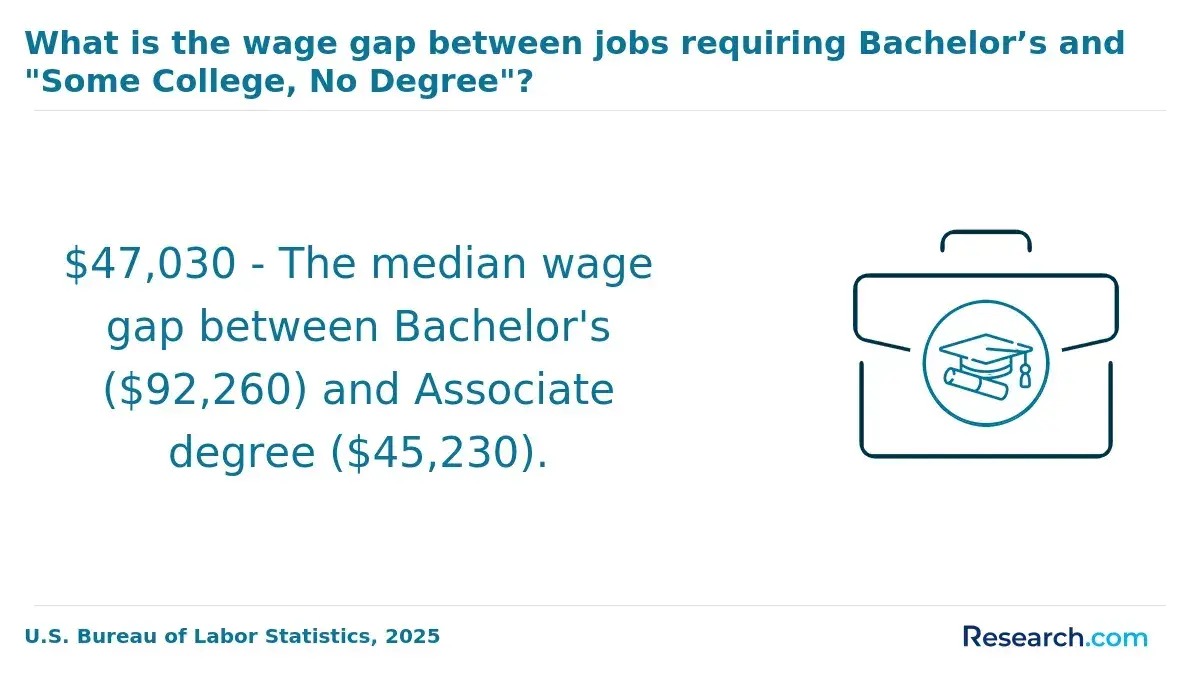
Many graduates with a cloud computing bachelor's degree find opportunities beyond their specialized field, thanks to versatile skills and shifting workforce demands. Research indicates that roughly 41% of graduates accept positions unrelated to their majors, illustrating the growing importance of career adaptability.
- Transferable Skills: The analytical thinking, problem-solving, and technical knowledge gained through a cloud computing program are valuable across a variety of roles. These abilities allow graduates to transition into areas such as IT consulting, technical sales, or project leadership with greater ease.
- Employer Hiring Trends: Employers increasingly focus on core competencies and relevant experience rather than strict degree alignment. This approach enables cloud computing graduates to qualify for jobs where their skill sets fit the company's needs, even if the role doesn't directly involve cloud computing.
- Experience and Additional Training: Practical experience from internships or projects enhances career prospects in closely related fields. Complementing a degree with targeted workshops or certifications can further expand employment opportunities outside the traditional cloud computing pathway.
The shift toward remote work continues to reshape professional landscapes, with surveys indicating that more than 70% of employers now support remote positions. A cloud computing bachelor's degree equips graduates not only with technical expertise but also with the communication and collaboration skills necessary for effective work in virtual settings.
- Cloud Solutions Architect: These professionals design and oversee cloud infrastructures, ensuring they are secure and scalable. Their knowledge allows them to coordinate projects and communicate efficiently with remote teams and clients.
- Cloud Engineer: Responsible for deploying and maintaining cloud platforms, cloud engineers troubleshoot issues and optimize system performance. A strong foundation in cloud services and programming enables them to solve problems and implement updates remotely.
- DevOps Engineer: Focused on blending development and IT operations, DevOps engineers use automation to streamline processes. Their familiarity with cloud environments supports smooth collaboration with distributed software teams.
- Cloud Security Analyst: These analysts monitor cloud systems for vulnerabilities and respond to security threats. Their skills in risk management and compliance are essential for protecting data while working securely from different locations.
One graduate shared that transitioning into remote roles was both challenging and rewarding. She emphasized how mastering digital communication tools and time management was crucial to staying connected and productive with her team. "At first, balancing flexible hours and collaboration felt overwhelming," she recalled, "but the problem-solving mindset and adaptability I gained in my program helped me establish a reliable routine." Her experience highlights how a cloud computing degree fosters not only technical ability but also the soft skills necessary for success in remote cloud careers.
Many professionals leverage a cloud computing bachelor's degree as a foundation for switching careers, driven by the evolving demands of the workforce. This degree provides valuable transferable skills that suit diverse roles, contributing to a trend where approximately 40% of technology degree holders pursue new career directions within five years after graduating.
The flexibility embedded in these programs allows graduates to navigate various occupational pathways, making career transitions more accessible than ever. Job flexibility for cloud computing degree holders is increasingly recognized as a key advantage, reflecting shifts in how professionals approach their career development. Such adaptability aligns with broader patterns of workforce mobility observed today.
A cloud computing degree enhances career switching prospects by cultivating essential skills such as effective communication, problem-solving, adaptability, and analytical thinking. These competencies help graduates engage with different teams, tackle complex challenges, and continuously learn in an evolving field. Success in transitioning also relies on gaining practical experience through internships, self-directed learning, or on-the-job training, which supplement theoretical knowledge. Having a clear career strategy and motivation further supports navigating new professional environments. For those interested in expanding their qualifications, exploring resources like easiest msw programs to get into can provide guidance on accessible educational opportunities outside of typical cloud computing roles.
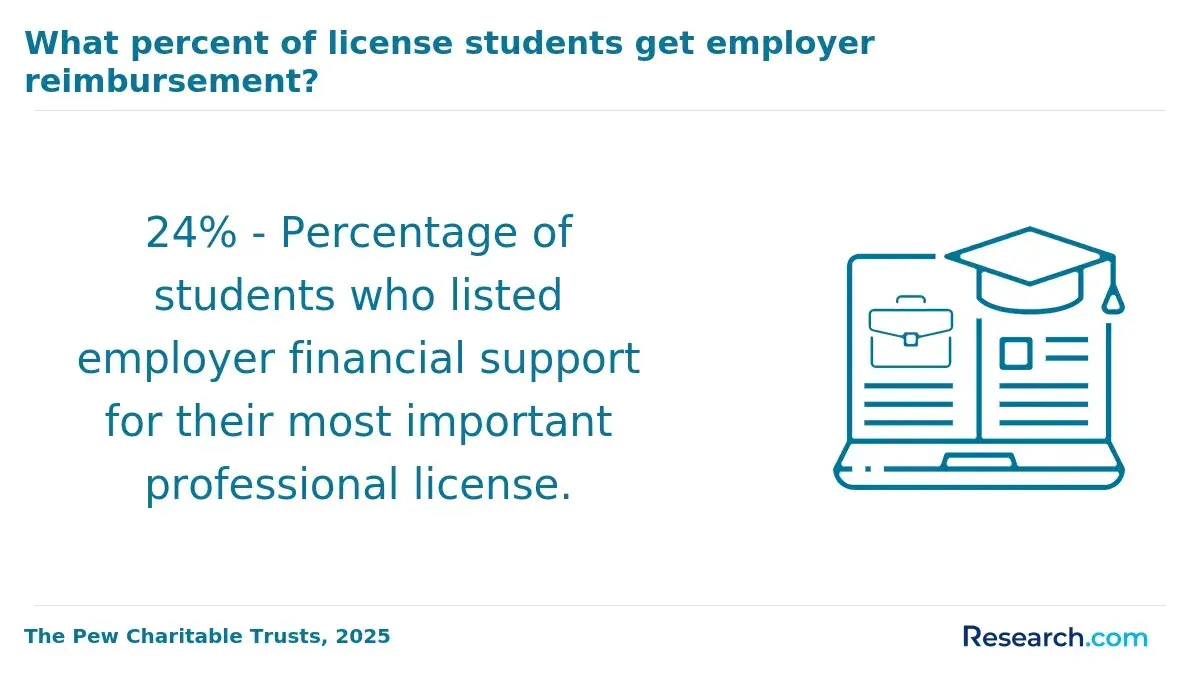
Salary prospects for graduates with a cloud computing bachelor's degree depend on factors like the industry, experience level, and area of expertise. Generally, having a bachelor's degree significantly raises earning potential compared to positions that require only a high school diploma, especially in technical fields. As professionals accumulate experience, they often access higher-paying roles within the technology sector.
- Cloud Solutions Architect: Professionals in this role design and implement cloud strategies tailored to business needs. They assess infrastructure, plan deployments, and ensure systems are secure and scalable. A cloud computing degree provides essential knowledge of cloud architectures, supporting salaries typically ranging from $110,000 to $160,000 annually.
- Cloud Engineer: Cloud engineers develop and maintain cloud services and networks, focusing on automation, security management, and system optimization. The technical skills acquired through a cloud computing program help these professionals handle complex infrastructure tasks, with salaries generally between $90,000 and $140,000.
- DevOps Engineer: Bridging development and operations, DevOps engineers improve software delivery by managing CI/CD pipelines and cloud infrastructure as code. Cloud computing education equips them with expertise in cloud environments essential for this work, contributing to earnings in the $95,000 to $150,000 range.
- Cloud Security Analyst: This position emphasizes protecting cloud-based resources by assessing security risks, ensuring compliance, and addressing vulnerabilities. Graduates with cloud computing knowledge in security principles are well-prepared for these responsibilities, earning between $85,000 and $130,000.
- Data Engineer: Data engineers build and maintain extensive data processing workflows on cloud platforms. Their training in cloud infrastructure and data handling supports efficient pipeline management, leading to compensation usually between $100,000 and $145,000 annually.
A cloud computing bachelor's degree provides a strong foundation for long-term career development and advancement across a variety of roles within the technology sector. Graduates often progress into positions with increased responsibility, such as cloud architect or cloud solutions manager, where strategic planning and system design are essential.
Many also develop specialized expertise in areas like cloud security, data architecture, or automation, which can lead to higher-paying roles and unique consulting opportunities. Additionally, experience and skill growth enable movement into leadership or cross-functional positions that blend technical knowledge with team management, budgeting, and interdepartmental coordination.
When asked about career growth opportunities, a professional with a cloud computing bachelor's degree reflected on the transition from technical tasks to managing complex cloud projects. He recalled, "Initially, the technical challenges were hands-on, but as I gained confidence, I found myself needing to balance client expectations and team dynamics." He also mentioned moments of uncertainty when taking on leadership responsibilities but emphasized that open communication and continuous learning helped him navigate these challenges. "It's rewarding to see the direct impact on both the team's success and the overall cloud infrastructure strategy," he shared, highlighting personal growth beyond technical skills alone.
Graduates with a cloud computing bachelor's degree often find that specific job roles require or strongly prefer additional professional certifications to meet industry standards and job responsibilities. These certifications validate specialized skills and significantly improve eligibility for certain positions, complementing the foundational knowledge gained in the degree program. Earning recognized certifications is key to standing out in competitive job markets and aligning with employer expectations.
- Cloud Solutions Architect: Candidates design cloud infrastructure tailored to organizational needs. Certifications such as the AWS Certified Solutions Architect or Microsoft Certified: Azure Solutions Architect Expert demonstrate proficiency with leading cloud platforms, building on the core concepts learned in a cloud computing bachelor's degree.
- DevOps Engineer: DevOps engineers focus on automating and optimizing cloud workflows by combining development and operations expertise. Pursuing certifications like the Certified Kubernetes Administrator (CKA) or Microsoft Certified: DevOps Engineer Expert reveals critical skills in automation and orchestration valuable for this role.
- Cloud Security Specialist: This role demands expertise in securing cloud environments and safeguarding assets. Certifications such as the Certified Cloud Security Professional (CCSP) and CompTIA Security+ serve as key credentials that highlight a candidate's understanding of cloud security principles alongside their degree knowledge.
For cloud computing graduates seeking to boost their career prospects, pursuing certifications required for cloud computing jobs after bachelor's degree completion is a strategic move. These professional certifications for cloud computing graduates help meet the increasingly specialized demands of employers. Additionally, prospective students can explore programs like an urban development degree online to complement cloud skills with interdisciplinary knowledge valued in related tech-driven fields.
While a bachelor's degree in cloud computing opens many career doors, some advanced positions require a master's degree for specialized knowledge, professional licensure, or advanced expertise. Recent data shows that around 35% of technology roles prefer or require graduate-level education, reflecting a broader shift toward higher academic credentials for complex responsibilities.
Several advanced careers requiring a master's degree after a cloud computing bachelor's degree include:
- Cloud Solutions Architect: This role demands designing sophisticated cloud infrastructures aligned with business strategies. A master's degree enhances understanding of advanced architectural frameworks and management skills essential for making strategic decisions.
- Data Scientist: Given the importance of data-driven insights in cloud environments, data scientists benefit from graduate education offering specialized training in machine learning and big data techniques that extend beyond a bachelor's curriculum. Pursuing a data scientist degree can be particularly valuable in this path.
- Cybersecurity Specialist: Advanced cloud security roles demand expertise in threat detection and cryptography. A master's degree ensures proficiency in these critical areas and often serves as a prerequisite for leadership positions.
- Cloud Research Engineer: Professionals focusing on developing innovative cloud technologies typically require graduate studies emphasizing research methodologies and innovation skills beyond the undergraduate level.
- IT Project Manager (Cloud Focus): Managing comprehensive cloud implementations involves complex project planning and organizational leadership skills usually cultivated in graduate programs.
Understanding master's degree requirements for specialized cloud computing roles helps prospective students align their educational paths with career goals in high-demand fields.
Employment opportunities in cloud computing are projected to expand significantly, with the U.S. Bureau of Labor Statistics estimating a growth rate of about 15% for computer and information technology jobs from 2021 to 2031. This faster-than-average increase reflects the growing reliance on cloud-based solutions as organizations pursue scalable, flexible, and cost-effective IT infrastructures.
Demand for skilled professionals in this field varies widely depending on the sector, with industries like technology, healthcare, finance, and government consistently requiring cloud expertise. Economic shifts and organizational budget changes can affect hiring trends, leading to variations in workforce needs across different markets. Candidates who possess up-to-date cloud computing skills are generally more competitive in today's evolving job market.
Several key factors influence the long-term outlook for careers in cloud computing. Advances in automation, artificial intelligence, and other emerging technologies continually reshape the skill sets needed for success. The growth patterns of specific industries dictate where cloud services will see the broadest adoption, especially in data-driven and digitally transforming sectors. Professionals must stay current with new cloud platforms, security protocols, and service models as the technology evolves. These dynamics ensure that adaptability and continuous learning remain essential for sustaining a strong presence in the cloud computing workforce over time.
What Graduates Say About the Jobs You Can Get With a Cloud Computing Bachelor's Degree
- Benny: "Choosing a cloud computing major felt like stepping into the future, especially with the growing demand for experts in cloud infrastructure and security. The program sharpened my skills in managing scalable systems, which made landing a role in a top tech firm much easier. I'm thrilled to see how this degree opened doors in both innovative startups and established companies."
- Greyson: "Reflecting on my journey, the versatility of a cloud computing degree truly stood out as I transitioned into the workforce. It equipped me not only with technical know-how but also with problem-solving abilities that employers across industries seek. Navigating my career path felt more structured and promising thanks to what I learned during my studies."
- Cooper: "From the start, I appreciated how pursuing a cloud computing bachelor's degree offered me specialized knowledge in areas like virtualization and distributed computing. These skills have been crucial in my role managing enterprise-level cloud solutions. Professionally, the degree gave me a competitive edge and confidence to tackle complex IT challenges."
Other Things You Should Know About Cloud Computing Degrees
Yes, many programs end with a capstone in the final term or final year. Students usually build a deployed cloud solution using AWS, Microsoft Azure, or Google Cloud, then document architecture, security, and cost controls. Some schools require a passing grade of 70% or higher.
Internships provide practical experience that is highly regarded by employers in cloud computing fields. They allow students to apply theoretical knowledge to real-world scenarios and familiarize themselves with industry tools and workflows. Completing internships can also expand professional networks and improve job prospects after graduation.
Professional certifications can complement a bachelor's degree by validating specialized skills in particular cloud platforms or technologies. Certifications from providers like AWS, Microsoft Azure, and Google Cloud often enhance a candidate's credibility and can improve chances for competitive roles. They demonstrate up-to-date knowledge and commitment to the field.
- What Can You Do with a Master’s in Cloud Computing? | UMGC https://www.umgc.edu/blog/what-can-you-do-with-a-masters-in-cloud-computing-systems
- Cloud career paths: 2025 job guide | Online Courses, Learning Paths, and Certifications - Pluralsight https://www.pluralsight.com/resources/blog/cloud/cloud-career-guide-2025
- Will i find employment with a non related IT degree? - TechExams Community https://community.infosecinstitute.com/discussion/106087/will-i-find-employment-with-a-non-related-it-degree
- Cloud Computing Predictions for the Next 5 Years: Technological Progress, Emerging Opportunities, and the Evolving Job Market https://cloudcomputingjobs.co.uk/career-advice/cloud-computing-predictions-for-the-next-5-years-technological-progress-emerging-opportunities-and-the-evolving-job-market
- Cloud Computing: Where to Start and Career Paths | EU Business School https://www.euruni.edu/blog/cloud-computing-where-to-start-and-career-paths/
- Why Choose a Career in Cloud Computing? Benefits, Roles & Top Qualifications | Learning People UK https://www.learningpeople.com/uk/resources/blog/why-choose-a-career-in-cloud-computing/
- 5 reasons why a career in Cloud Computing might be for you - Engage with us https://theengagepartnership.com/5-reasons-why-a-career-in-cloud-computing-might-be-for-you/
- What is the Job Outlook & Salary for a Cloud Engineer? | QuickStart https://www.quickstart.com/blog/cloud-computing/cloud-engineer-job-outlook-salary/
- Cloud Computing Professional https://www.ilxgroup.com/eur/career-paths/cloud-computing-professional
- 25 Best cloud computing jobs in work from, home (Hiring Now!) | Workopolis https://www.workopolis.com/search


