2027 Best Career Paths After a Cloud Computing Bachelor's Degree

Co-Founder and Chief Data Scientist
Choosing a path after completing a cloud computing bachelor's degree can be daunting. Graduates often face uncertainty amid a competitive job market evolving rapidly with new technologies.
With an expected 26% growth in cloud-related jobs through 2030, demand spans industries from finance to healthcare, creating diverse opportunities. Many graduates weigh factors like long-term growth, salary potential, and the best fit for their skills in system architecture, security, or data management.
Understanding the leading career paths in cloud computing is essential for informed decisions. This article explores the most promising roles available and how to navigate them effectively.
Key Things to Know About the Best Career Paths After a Cloud Computing Bachelor's Degree
- Entry-level roles like cloud systems engineer, support analyst, and junior developer offer strong starting points, with 72% of graduates entering these positions within six months.
- Specializing in areas such as security, architecture, or DevOps during studies directly expands career options and enhances employability in niche cloud sectors.
- Long-term progression depends on continuous skill upgrades, professional certifications, and aligning with emerging technologies like AI integration and multi-cloud management.
What Are the Top Career Paths by Industry for Cloud Computing Graduates?
Graduates with a bachelor's degree in cloud computing enter a rapidly expanding job market across diverse sectors. Employment in related computer and information technology roles is projected to grow 13% from 2021 to 2031, reflecting strong demand driven by cloud adoption. These trends highlight promising career paths aligned with evolving industry needs.
Key industries offering rewarding opportunities include:
- Technology Sector: Roles such as cloud solutions architect, cloud engineer, and systems administrator are common in this sector. Professionals design and maintain cloud infrastructure to support software development and IT operations, addressing complex technological challenges.
- Financial Services: Cloud computing graduates often serve as cloud security analysts or cloud data engineers in financial institutions. Their expertise supports secure data processing, scalability of financial applications, and compliance with regulations like GDPR and PCI DSS.
- Healthcare Industry: Cloud infrastructure specialists and health IT cloud engineers ensure secure patient data storage and enable integration of cloud-based electronic health record (EHR) systems. Their work is vital for enhancing healthcare delivery and information security.
- Retail and E-commerce: Graduates work as cloud operations analysts or cloud network engineers, managing cloud platforms essential for large-scale online transactions, customer data analytics, and smooth multi-channel retail experiences.
- Government and Public Sector: Careers such as cloud migration specialists and cloud compliance officers focus on modernizing government IT systems. They ensure migration to cloud environments while maintaining strict security and adherence to public sector standards.
Among these options, students considering their next steps can explore the highest paying careers for cloud computing graduates, making informed decisions aligned with market demand. For those also interested in related fields, MSW programs represent another educational pathway worth examining.
What Are the Future-Proof Careers After a Cloud Computing Bachelor's Degree?
Future-proof careers in cloud computing focus on adaptability and resilience to automation and market changes, making them essential for long-term job stability.
According to the U.S. Bureau of Labor Statistics, computer and information technology occupations are projected to grow 15% from 2021 to 2031, indicating robust demand. This growth reflects the expanding role of cloud computing expertise across industries.
Several high demand jobs with a cloud computing bachelor's degree offer promising futures due to evolving technology and economic reliance on cloud services:
- Cloud Architecture: Cloud architects design and manage scalable, secure cloud environments that support business operations. Their work is critical as organizations increase cloud adoption to improve efficiency and reduce costs across sectors like healthcare, finance, and manufacturing.
- Cloud Security Engineering: Specialists in this field protect cloud systems against cyber threats and ensure regulatory compliance. The rising prevalence of data breaches makes cloud security engineers vital for maintaining long-term digital safety.
- Cloud Data Engineering: Cloud data engineers build and optimize data pipelines within cloud infrastructures, enabling businesses to analyze large datasets effectively. Their role supports data-driven decision-making, a core need in modern enterprises.
Graduates equipped with cloud computing knowledge who pursue these resilient career paths are well-positioned to succeed despite industry fluctuations. For those seeking affordable educational opportunities, exploring an online bachelor's in engineering can be a strategic step toward entering these future-proof roles.
What Are the Highest-Paying Careers After a Cloud Computing Bachelor's Degree?
The demand for professionals with a bachelor's degree in cloud computing continues to rise, offering some of the most lucrative roles within the technology sector.
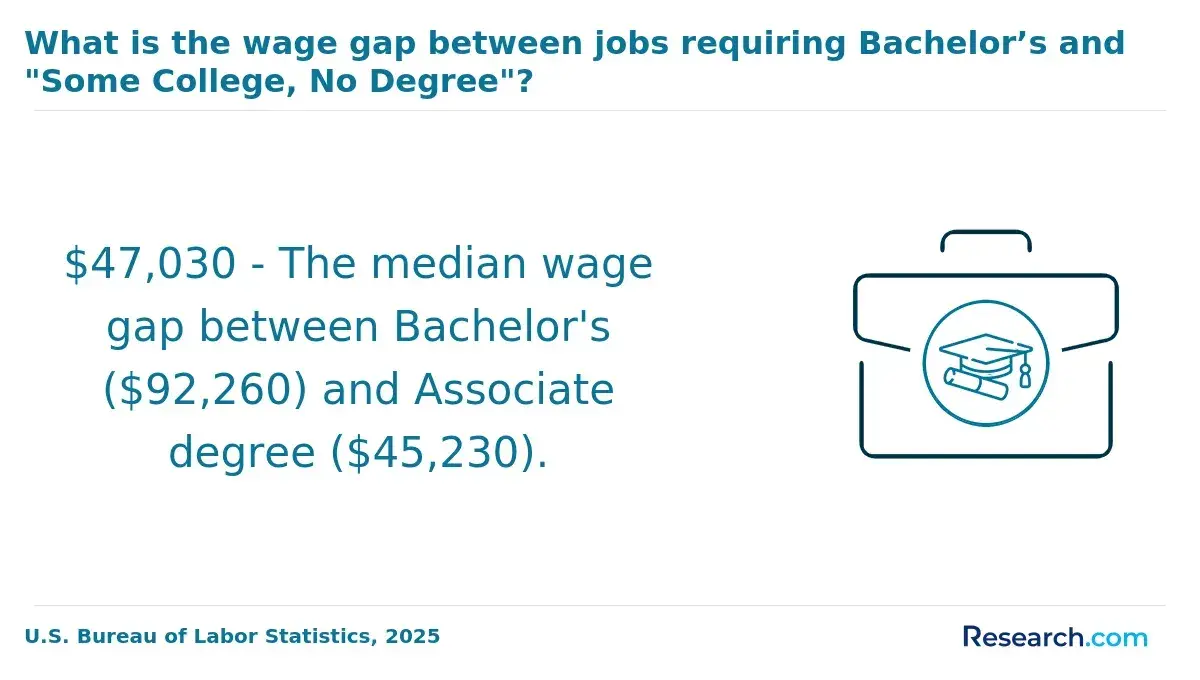
Specialized expertise and the ability to influence business outcomes contribute to higher earnings, with average annual salaries in the U.S. ranging broadly from $90,000 up to $150,000 or more depending on experience and role.
Below are several prominent career paths that reflect these earning potentials and responsibilities.
- Cloud Solutions Architect: Commanding salaries between $120,000 and $160,000 annually, architects design complex cloud infrastructures tailored to organizational needs, ensuring seamless integration with existing systems. This role is critical due to its strategic importance in shaping cloud deployments.
- Cloud Security Engineer: Earning approximately $110,000 to $140,000 yearly, these professionals protect cloud environments from cybersecurity threats. Their expertise in safeguarding data assets makes them indispensable in today's security-conscious landscape.
- DevOps Engineer: With annual wages from $100,000 to $135,000, DevOps engineers optimize cloud operations by automating deployments and enhancing system reliability, directly contributing to operational efficiency.
- Cloud Data Engineer: Typically earning $95,000 to $130,000 per year, data engineers develop and maintain cloud-based databases and workflows, enabling businesses to harness big data insights effectively.
- Cloud Systems Administrator: With salaries ranging from $85,000 to $110,000, administrators oversee cloud resource configurations and maintenance, providing essential support to keep cloud environments running smoothly.
A professional who graduated with a cloud computing degree shared his experience securing a competitive position in the field. He described the job search as challenging and filled with a learning curve, especially mastering emerging technologies and obtaining relevant certifications alongside his degree.
"It wasn't just about having the degree," he explained, "but also demonstrating practical skills and adaptability in a fast-evolving domain." His persistence in building a robust portfolio of projects and continuous learning was critical in landing a well-paying role that matched his qualifications and ambitions.
Graduates with a bachelor's degree in cloud computing often begin their careers in entry-level positions that strengthen both technical skills and operational knowledge.
Industry data shows that about 65% of these graduates find technical roles within six months, reflecting high demand for early-career professionals in this field. These initial roles lay the groundwork for diverse career paths in the cloud sector.
Typical entry-level cloud computing jobs include:
- Cloud Support Engineer: This role involves resolving cloud service issues and managing resources on platforms like AWS or Azure. It develops problem-solving and communication skills essential for advancement to cloud engineering or architecture positions.
- Junior Cloud Developer: Focused on coding and deploying cloud applications, this position offers early experience working with development teams to integrate cloud services, paving the way to software engineering roles specializing in cloud environments.
- Systems Administrator: Responsible for monitoring and configuring cloud-based networks and servers, this job provides experience critical for moving into cloud infrastructure or network administration careers.
- IT Analyst: This role assesses business processes to recommend cloud solutions that improve efficiency and data management, often leading to opportunities in cloud consulting or solution architecture.
These entry-level positions often entail hands-on work with major cloud platforms and open career paths into specialized fields such as security or operations management.
Prospective students exploring a cloud computing bachelor's degree may also consider related programs like an accelerated paralegal program online to diversify their skill sets for complementary roles.
A bachelor's degree in cloud computing cultivates versatile skills that employers increasingly seek, with over 80% of tech companies prioritizing skill-based hiring. These transferable abilities not only prepare graduates for specialized technical tasks but also empower them to assume broader strategic and collaborative roles in the workforce.
The following skills commonly developed during this degree directly influence career opportunities:
- Analytical Thinking: Students learn to dissect complex systems and data, equipping them for roles like cloud architects, data analysts, or cybersecurity experts who must optimize cloud environments effectively.
- Problem-Solving: Tackling challenges in distributed systems trains graduates for positions such as cloud engineers or systems administrators, where timely resolution of technical issues is critical.
- Communication: Explaining technical concepts to diverse teams is essential for cloud project managers, client liaisons, and consultants who bridge the gap between technology and business.
- Leadership: Overseeing cloud migrations or infrastructure projects demands leadership skills, suited to roles including cloud solutions managers and IT directors responsible for guiding teams and strategy.
When I spoke with a recent graduate, she described how her degree helped her embrace uncertainty early in her career. "The toughest part was adapting to fast-paced changes in cloud technology," she recalled, "but my problem-solving and analytical skills gave me confidence to navigate complex projects and lead team efforts."
She emphasized that the communication skills gained during group assignments prepared her to translate technical language for stakeholders, which became invaluable during client consultations. Reflecting on her journey, she noted that these diverse competencies expanded her career possibilities beyond traditional technical roles, allowing her to pursue leadership positions she hadn't anticipated before graduating.
Several specialized roles in cloud computing demand graduate-level education to tackle complex research, design challenges, and innovative developments.
Advanced degrees deepen knowledge of emerging technologies and theoretical frameworks crucial for these careers. For example, data from the U.S. Bureau of Labor Statistics shows that about 34% of computer and information research scientists possess a master's degree or higher, highlighting the value of further study.
Key jobs that typically require education beyond a cloud computing bachelor's include:
- Computer and Information Research Scientist: These experts focus on discovering new computing methods, improving cloud infrastructures, and crafting innovative algorithms. Graduate education is vital to mastering the advanced mathematics, data science, and experimental methods needed to drive these discoveries.
- Senior Cloud Solutions Architect: Advanced roles in system planning and architecture often need a master's degree in computer science or engineering. These positions demand a sophisticated understanding of complex cloud ecosystems and leadership in large-scale project design.
- Data Scientist in Cloud Analytics: Performing predictive analytics, machine learning integration, and quantitative modeling in cloud environments usually requires graduate-level expertise. This education equips professionals to handle the sophisticated data challenges that these roles present.
- Machine Learning Engineer or AI Researcher: Deep knowledge of algorithms, neural networks, and statistical analysis is essential in these fields. Graduate programs train specialists to innovate and develop AI solutions within cloud infrastructures.
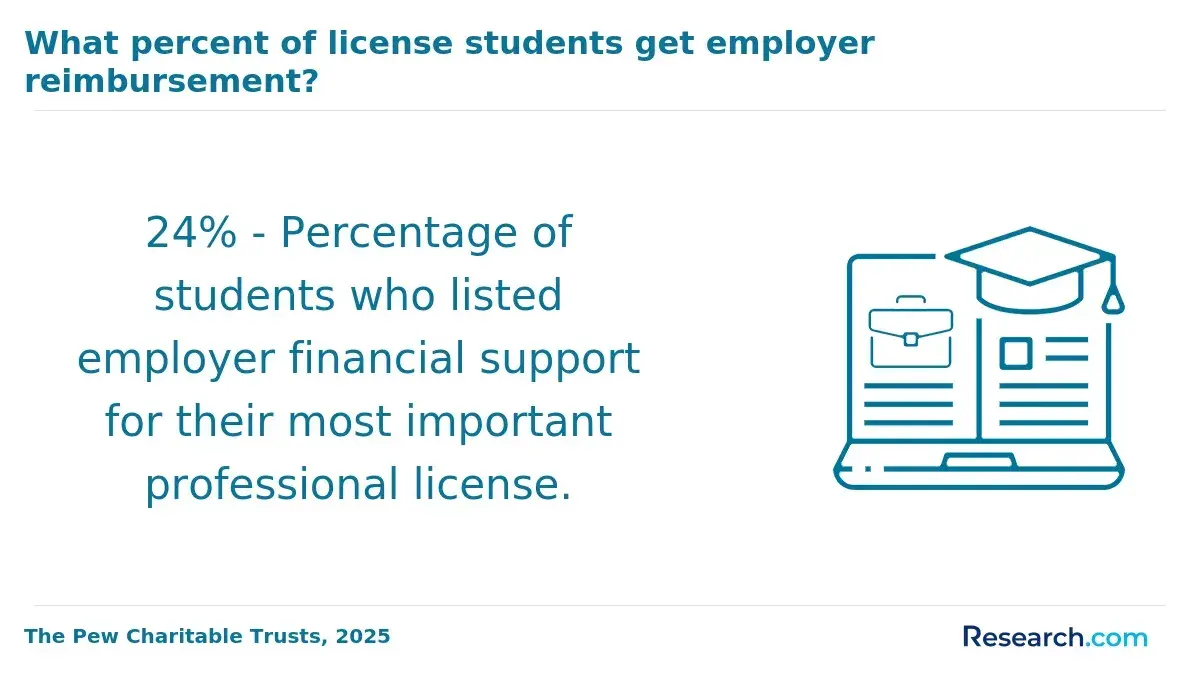
Many careers related to cloud computing demand certifications or licensure beyond a bachelor's degree to ensure professionals have specialized skills and meet industry standards.
These credentials are crucial in roles focused on compliance, security, and advanced technical expertise, with over 70% of cloud-related job postings requiring at least one certification. Such credentials help professionals manage complex cloud environments safely and effectively.
The following career paths commonly require additional certification or licensure:
- Cloud Architects: Typically need certifications like AWS Certified Solutions Architect or Microsoft Certified: Azure Solutions Architect Expert. They design scalable, secure cloud infrastructures that align with business objectives and regulatory requirements.
- Cloud Security Specialists: Often hold certifications such as Certified Information Systems Security Professional (CISSP) or Certified Cloud Security Professional (CCSP). Their role is vital in protecting cloud assets, managing risks, and ensuring organizational compliance amid increasing cyber threats.
- DevOps Engineers: Usually pursue AWS Certified DevOps Engineer or Google Professional DevOps Engineer certifications. These prove their ability to automate deployments, enhance system reliability, and streamline cloud workflows.
- Regulated Industry Specialists: In fields like healthcare or finance, licensure may be required alongside cloud certifications. These professionals comply with sector-specific regulations while managing cloud solutions in highly regulated environments.
A bachelor's degree in cloud computing equips graduates with versatile skills that open doors to a variety of roles beyond traditional positions like cloud engineer or systems architect.
Nearly 30% of technology graduates work in fields not directly related to their primary area of study, reflecting significant career mobility. This flexibility arises from transferable skills such as data management, cybersecurity, system integration, and strategic problem-solving.
Exploring alternative career options for cloud computing graduates reveals several promising pathways:
- Project Management: Graduates can apply their technical understanding to lead technology-driven projects involving cloud deployment or digital transformation. Their ability to communicate between technical teams and business stakeholders ensures projects meet goals efficiently.
- Technical Sales and Consulting: This path combines interpersonal skills with cloud expertise, enabling graduates to advise clients on adopting cloud services and crafting customized solutions.
- Data Privacy and Compliance: With growing regulatory focus on cloud security, many graduates contribute by developing policies that guarantee cloud operations meet legal standards, utilizing their cybersecurity knowledge.
- Education and Training: Some graduates design programs and workshops to teach cloud technologies, providing valuable insights to academic institutions or corporate training departments.
- Emerging Technologies: Cloud computing skills are increasingly relevant in areas like artificial intelligence and the Internet of Things (IoT), where graduates help develop intelligent systems reliant on cloud infrastructures.
For those interested in further education, exploring LCSW online programs can offer additional career advancement opportunities within or adjacent to technology fields.
The demand for remote and flexible work arrangements has expanded rapidly in recent years, with 48% of technology roles now offering remote or hybrid options, according to a 2023 Gartner report.
Graduates with a bachelor's degree in cloud computing are particularly well positioned to take advantage of this growth in the digital workforce. These evolving employment models create a variety of remote cloud computing careers that emphasize adaptability and virtual collaboration.
Several flexible job opportunities for cloud computing graduates can be pursued remotely, reflecting the inherently digital nature of the field. These roles often rely on online platforms and tools that enable seamless teamwork across distances.
- Cloud Solutions Architect: This role focuses on designing and deploying cloud infrastructure and services. Responsibilities like system design, configuration, and performance tuning can be managed remotely through cloud management consoles and collaboration software.
- DevOps Engineer: Essential for automating and streamlining software development and IT operations, this position handles continuous integration and deployment processes that can be coordinated from any location with internet access.
- Cloud Security Analyst: Tasked with monitoring and defending cloud environments, this role involves analyzing security threats and implementing protective measures remotely via secure system access.
- Technical Support Specialist: Providing assistance to users and clients through virtual communication tools, this flexible career allows work from home or alternative locations while helping resolve cloud service issues.
For those interested in expanding their skills beyond typical cloud computing roles, exploring programs like the SLP bridge program online can offer additional career pathways aligned with the evolving tech and digital landscape.
Deciding on a career path after earning a cloud computing bachelor's degree involves careful reflection on various important factors.
Studies show that nearly 76% of graduates who thoughtfully assess their career preferences and strengths experience greater job satisfaction within their first five years in the workforce. This highlights the value of intentional planning beyond simply accepting convenient job offers.
Key considerations to guide this decision include:
- Personal Interests: Pursuing roles that align with your genuine passions helps maintain motivation and engagement over time, fostering a more rewarding career.
- Long-Term Goals: Defining whether you aim to become a subject matter expert, seek leadership opportunities, or explore interdisciplinary roles allows for a more focused career trajectory.
- Market Demand: Understanding current and future trends within the cloud computing industry can direct you toward careers with stronger prospects for stability and advancement.
- Work Environment: Reflecting on preferences such as teamwork or independence, remote work versus onsite settings, and company culture ensures a better fit with your professional lifestyle.
- Skill Growth: Choosing paths that encourage continuous learning and adaptability is essential in a fast-evolving field like cloud computing to stay competitive and relevant.
What Graduates Say About the Best Career Paths After a Cloud Computing Bachelor's Degree
- Bryann: "Choosing a cloud computing bachelor's degree was a game-changer for me because I wanted a future-proof skill set that's highly sought after by companies worldwide. I started in a traditional IT role but quickly realized that specializing in cloud technologies opened doors to remote work opportunities, allowing me to collaborate with global teams without relocating. This degree truly gave me a competitive edge, transforming my career path beyond what I initially imagined."
- Tec: "Reflecting on my journey, pursuing a cloud computing bachelor's degree was driven by a fascination with how digital infrastructure powers modern businesses. I transitioned into a cloud architect role, which blends technical expertise with strategic planning-a challenging yet rewarding path. The degree deepened my understanding and gave me confidence to navigate complex systems, which has been invaluable as the cloud space continues evolving rapidly."
- Charina: "My decision to study cloud computing came from wanting to be at the forefront of innovation in IT. After graduating, I pursued an alternative career path in cybersecurity within the cloud environment, a niche that's growing exponentially. The degree provided me with a foundation to specialize, and professionally, it's been fulfilling to work on securing cloud infrastructures that businesses increasingly rely on every day."
Other Things You Should Know About Cloud Computing Degrees
The CISSP, CCSP, and CompTIA Security+ are the most recognized options for cloud security careers. CISSP requires five years of paid work experience, while CCSP needs five years in IT, including three in security and one in cloud security. Security+ has no experience prerequisite.
Familiarity with major cloud platforms like AWS, Microsoft Azure, and Google Cloud can significantly enhance job prospects. Hands-on experience or internships with these platforms increases a graduate's marketability and helps them adapt quickly to workplace environments that use specific cloud technologies.
Yes, internships and co-op programs provide practical exposure to real-world cloud computing environments, which complements academic learning. These experiences help students build professional networks, understand industry standards, and often lead to job offers after graduation.
Certifications like AWS Certified Solutions Architect or Microsoft Certified: Azure Administrator can significantly enhance a graduate's credibility and open up advanced roles in cloud architecture and system management in 2027. They demonstrate specialized skills valued by employers.
- Choosing the Right Cloud Computing Provider: Your Ultimate Guide https://k21academy.com/aws-cloud/how-to-choose-your-cloud-career-path/
- Top-Paying Cloud Certifications and Jobs https://digitalcloud.training/top-paying-cloud-certifications-and-jobs/
- Top 12 cloud computing careers of 2025 and how to get started https://www.techtarget.com/whatis/feature/Top-7-cloud-computing-careers-and-how-to-get-started
- 7 Jobs You Can Get with a Google Cloud Certification https://www.pluralsight.com/resources/blog/cloud/7-jobs-you-can-get-with-a-google-cloud-certification
- Cloud Computing Education, Jobs, Salary https://itchronicles.com/cloud/cloud-computing-education-jobs-salary/
- Cloud Computing Predictions for the Next 5 Years: Technological Progress, Emerging Opportunities, and the Evolving Job Market https://cloudcomputingjobs.co.uk/career-advice/cloud-computing-predictions-for-the-next-5-years-technological-progress-emerging-opportunities-and-the-evolving-job-market