2027 How to Become a Medical Staff Services Coordinator With a Healthcare Administration BS

Co-Founder and Chief Data Scientist
A healthcare administration bachelor's degree can prepare you for medical staff services coordination, but the degree alone may not get you hired. Hospitals and other healthcare organizations also need people who can verify practitioner qualifications, maintain accurate records, and keep credentialing processes moving.
This guide explains what coordinators do, how to build relevant experience, and whether a bachelor's degree, certification, or later graduate study fits your goals. It also shows what to check before committing to an online program or relying on a salary estimate.
Key Things You Should Know
- A healthcare administration BS is a relevant route into medical staff services, but employers may accept other degrees or experience; check local postings before enrolling.
- A traditional bachelor's degree generally takes four years of full-time study, although transfer credit can shorten the remaining coursework.
- There is no general US license for this coordinator role. Professional certification may help after you gain experience, but requirements vary by credential and employer.
What does a medical staff services coordinator do?
A medical staff services coordinator helps an organization verify and maintain the qualifications of physicians and other practitioners who seek clinical privileges. Depending on the employer, the work can include collecting applications, checking licenses and training with primary sources, tracking expiring documents, preparing files for committee review, and recording decisions accurately.
Credentialing verifies a practitioner's qualifications; privileging determines which clinical services the organization authorizes that practitioner to perform. Coordinators support these processes but do not make clinical privilege decisions themselves. The job calls for careful follow-up with practitioners, insurers, licensing bodies, and internal leaders, often under accreditation and organizational deadlines.
That operational focus matters when choosing education. A graduate management degree might support a later move into department leadership, but fast-paced online master's study in healthcare management is not a substitute for learning how credentialing files and workflows function.
What degree do you need to become a medical staff services coordinator?
There is no single nationally required degree for medical staff services coordinators. A healthcare administration BS is relevant because it introduces healthcare organizations, records, regulations, and operations. Employers may also consider applicants with degrees in business, health information management, or related fields, as well as candidates who have substantial medical staff office experience. Requirements in actual job postings should guide your choice.
If you already work in healthcare administration, scheduling, provider enrollment, or records management, you may have transferable skills. Seek opportunities to handle practitioner documents, track renewals, or support a credentialing team before assuming you need another degree. Associate degree holders considering a BS can use healthcare administration transfer planning for associate graduates to investigate how much prior coursework might count.
To make yourself a stronger applicant, compare several local coordinator postings, identify the software and verification tasks they name, and ask your current employer whether you can assist with those tasks under supervision. That gives you evidence of relevant work rather than a degree title alone.
Is a healthcare administration bachelor's degree worth it for this career?
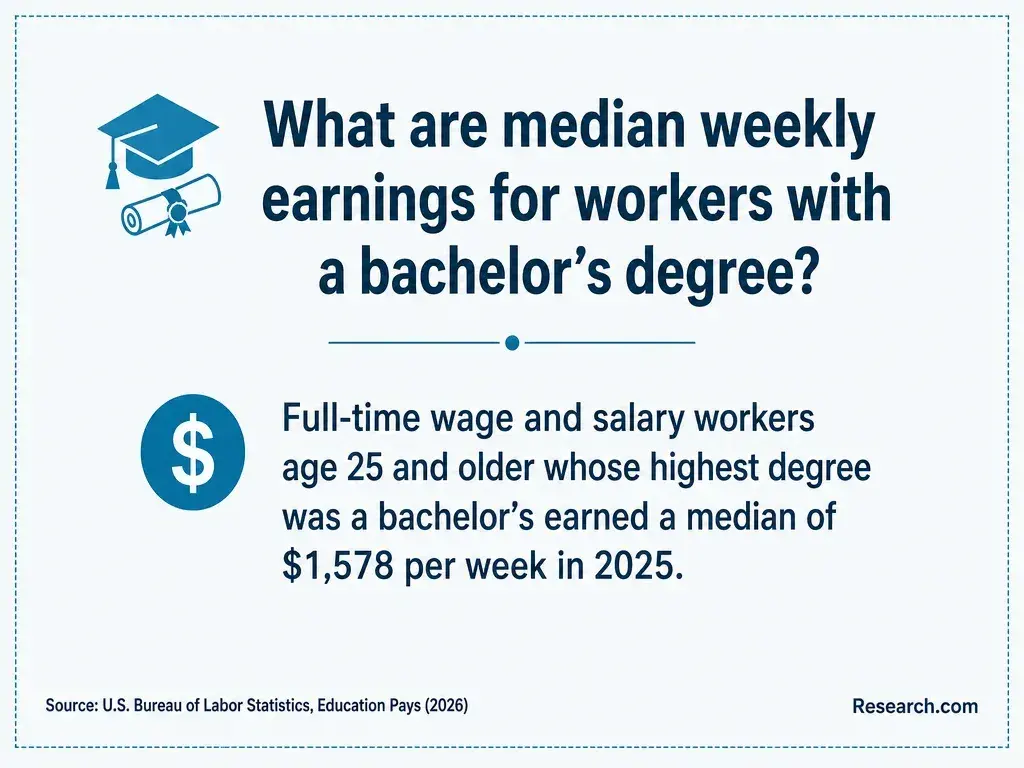
A healthcare administration bachelor's degree is most likely to be worth the investment if you need a bachelor's credential for the jobs you want and can build relevant work experience while studying. It may also keep broader healthcare operations roles open. Its value is less certain if you already qualify for local coordinator openings through experience or would need to borrow heavily for a program with little practical training.
Do not confuse this entry or intermediate-level decision with the decision to earn an MBA. An MBA generally teaches broad management subjects, such as finance, operations, and leadership; even a healthcare-focused MBA does not replace hands-on credentialing experience. If your eventual goal is management, compare likely responsibilities and employer support against online healthcare MBA tuition and program options before paying for graduate study. For a first coordinator position, relevant experience may provide a more direct return.
Healthcare administration bachelor's curricula vary, but commonly include healthcare systems, medical terminology, health law and ethics, health information, quality improvement, accounting or finance, and organizational management. For coordinator work, courses involving regulatory processes, documentation, databases, and professional communication may be particularly useful.
Review the actual course catalog rather than relying on the degree name. Ask whether students complete an internship or applied project and whether it can take place in a medical staff office. A BS is not specialized training in every credentialing procedure; employers may still train new coordinators on their systems and bylaws. If you later consider an MHA for leadership, CAHME-accredited graduate healthcare administration options are a separate academic pathway, not an undergraduate credentialing requirement.
Medical staff services coordinators generally do not need a state professional license merely to perform the administrative role. Employers may prefer or require a professional credential for particular positions. The National Association Medical Staff Services offers credentials such as the Certified Provider Credentialing Specialist (CPCS) and Certified Professional Medical Services Management (CPMSM); check its current eligibility, examination, and renewal rules before choosing one.
Certification is different from licensure and from an academic degree. Even shorter healthcare administration doctorate options and requirements concern advanced study, not authorization to perform coordinator work. Early in your career, focus first on the qualifications in target job postings and on supervised experience with credentialing processes.
A traditional healthcare administration bachelor's program typically takes four years of full-time study. Your remaining time can differ substantially if you transfer credits, attend part time, or enroll in shorter terms. Accelerated bachelor's study in health services administration may reduce calendar time, but a faster schedule can make it harder to work and gain the experience employers value.
There is no reliable single price for this degree: tuition varies by institution and residency status, and fees, books, technology, and any required placement expenses add to the bill. Compare each school's published tuition and mandatory fees for the credits you still need, then subtract only confirmed grants, transfer-credit savings, and employer assistance. Request a written transfer evaluation and a program-specific cost estimate before enrolling; a low per-credit price may not be the least expensive route if fewer credits transfer.
An online healthcare administration BS can be a sound choice if the institution is appropriately accredited, the curriculum meets your goals, and you can obtain practical experience. Online delivery by itself does not establish that a program is easier, cheaper, or more flexible than a campus program. Check whether courses require live attendance, group meetings, exams at fixed times, or an in-person internship.
Campus study may make local placements and face-to-face connections easier; online study may let you remain employed near healthcare organizations where you can seek experience. If timing is important, choosing a healthcare administration program around its start dates can help you compare enrollment schedules. Confirm the current calendar and placement rules directly with each school rather than assuming that "online" means start-anytime study.
Admission requirements depend on the school and whether you apply as a first-year student or a transfer student. Bachelor's programs commonly request prior transcripts and an application; schools may also specify prerequisite coursework, minimum grades, or documentation for transferring credits. An internship, if required, may have separate onboarding requirements set by the placement site.
Before applying, ask admissions for its transfer policy, the program's accreditation information, internship arrangements, and a course-by-course plan to graduation. If you already hold a bachelor's degree, first check whether employers will consider your existing education plus relevant experience. One-year master's options in healthcare administration address a different goal and should not be assumed to qualify you more effectively for coordinator work.
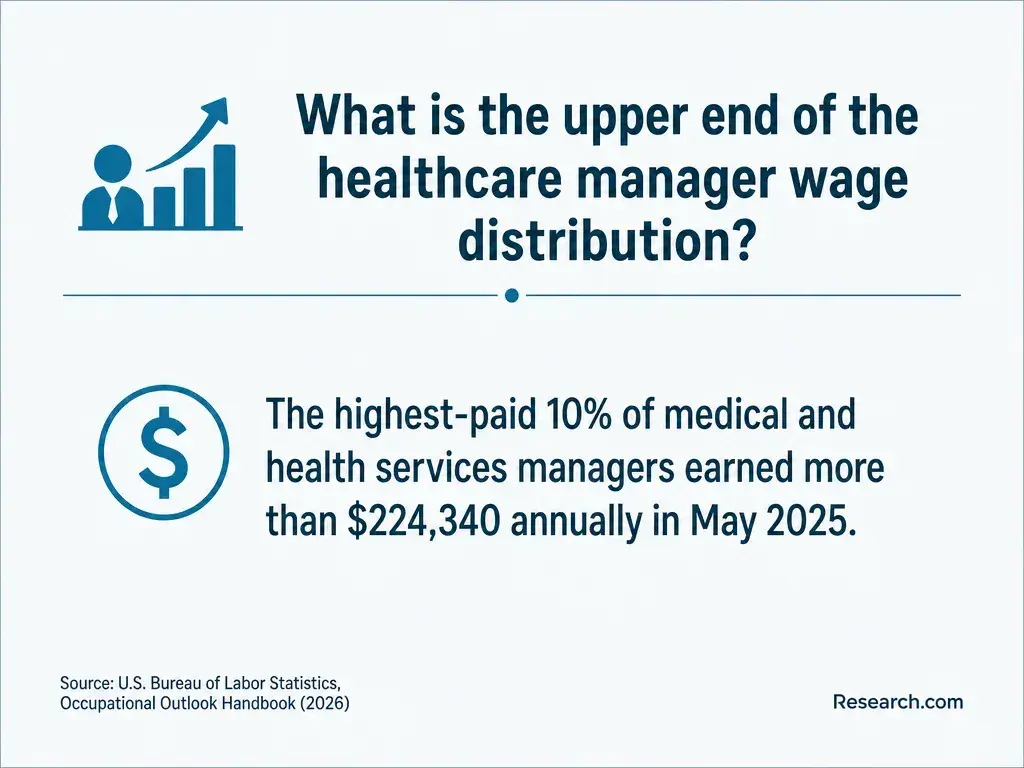
Pay for medical staff services coordinators varies by employer, location, experience, and whether a job includes supervisory duties. The US Bureau of Labor Statistics does not publish a distinct national median wage for this exact job title, so a broad healthcare manager figure would be a misleading estimate of coordinator pay.
For a useful local comparison, collect recent postings with stated pay ranges and similar duties, then distinguish coordinator roles from managers and directors. Ask employers whether compensation changes with certification or supervisory responsibility. If higher earnings are motivating further study, compare affordable health administration graduate schools against realistic openings and your total education cost - not against an assumed graduate salary increase.
What career paths and job outlook follow medical staff services coordination?
Experience in medical staff services can lead to senior credentialing specialist, medical staff services manager, or director roles. The progression usually depends on stronger knowledge of bylaws and accreditation processes, the ability to improve workflows, and eventually supervision and budgeting - not simply on earning a higher degree. Related paths include provider enrollment and credentialing operations, although their employer requirements may differ.
The Bureau of Labor Statistics projects management occupations overall to grow faster than the average for all occupations from 2025 to 2035 and reports a May 2025 median annual wage of $126,520 for that broad group. Neither measure describes medical staff services coordinators specifically or predicts an individual promotion. Use local openings to assess demand for your target role. For senior administrative leadership or research-oriented goals, explore online healthcare administration doctorate pathways only after checking whether those positions actually value doctoral study.
Other Things You Should Know About Healthcare Administration
Yes. Health systems, medical groups, and other organizations that verify practitioner qualifications may have related roles. Titles and responsibilities vary, so read the duties rather than relying on the job title.
No. Provider enrollment generally concerns participation in insurance networks and payment arrangements. Medical staff credentialing concerns verifying qualifications for an organization's appointment and privileging processes. Some jobs combine both.
Ask which practitioner types you would support, how files are assigned, what training is provided, which deadlines matter most, and whether the position includes privileging or payer enrollment tasks.
Give specific examples of confidential record handling, deadline tracking, primary-source checks, database accuracy, or resolving missing documentation. Explain your contribution without claiming you made decisions reserved for clinical leaders.
- Medical Staff Services Specialist Series Class Spec | State Universities Civil Service System https://www.sucss.illinois.gov/pages/classspec/ViewSeries.aspx
- How to Become a Certified Medical Staff Services Professional - National https://www.national.edu/2026/02/09/how-to-become-a-certified-medical-staff-services-professional/
- Medical Staff Coordinator - UNM Job Descriptions https://jobdescriptions.unm.edu/detail.php
- Can You Get into Healthcare Administration with No Experience? | Franklin University https://www.franklin.edu/blog/can-you-get-into-healthcare-administration-with-no-experience
- 5 Careers in Healthcare Administration | Warner Pacific University https://www.warnerpacific.edu/blog/careers-in-healthcare-administration/
- Healthcare Administration Associate vs Bachelor's Degree | Campus https://campus.edu/blog/healthcare/healthcare-administration-associate-vs-bachelors-degree
- Healthcare Administration Degree Programs | 2026 | Public Health - https://www.publichealthonline.org/healthcare-administration/degree-programs/
- starting your career in medical services | namss.org https://www.namss.org/Education/Starting-Your-Career
- A Day in the Life of a Medical Staff Credentialing Professional | HealthStream, Inc. https://www.healthstream.com/blog/a-day-in-the-life-of-a-medical-staff-credentialing-professional
- Credentialing Specialist Job Description [Updated for 2026] | indeed.com https://www.indeed.com/hire/job-description/credentialing-specialist