
2027 From Compliance Analyst to Healthcare Compliance Leadership

Co-Founder and Chief Data Scientist
Moving from healthcare compliance analyst to compliance leader requires more than knowing the rules. Managers must set priorities, oversee investigations, work with clinical and business leaders, and make a case for resources without compromising independence. This guide is for analysts considering a promotion, a healthcare administration degree, or an MBA. It explains the experience employers value, where certifications fit, and how to compare education options against their cost and career relevance - so you can choose a practical next step rather than assume another degree is required.
Key Things You Should Know
- The clearest path to leadership is to progress from identifying compliance risks to leading audits, corrective action, staff training, and cross-functional decisions; a degree alone does not establish that experience.
- A healthcare-focused MBA can strengthen budgeting and organizational leadership, while an MHA may offer deeper health-system administration; neither replaces healthcare regulatory expertise or a professional certification.
- The US median annual wage for all management occupations was $126,520 in May 2025, according to the Bureau of Labor Statistics (BLS). That broad figure is not the median pay for healthcare compliance analysts or a forecast of earnings after graduation.
What does a healthcare compliance analyst do, and how can the role lead to leadership?
A healthcare compliance analyst helps an organization identify and address risks involving such matters as patient privacy, billing, documentation, conflicts of interest, and internal policies. Depending on the employer, the work may include reviewing records, monitoring controls, preparing audit findings, investigating concerns, tracking corrective actions, and explaining requirements to staff. Compliance work overlaps with - but is not identical to - health information management, which often centers on the quality, governance, and use of patient information. A healthcare administration and health information management program comparison can clarify which field better matches your work.
Leadership starts when an analyst can translate a finding into an operational response: assess its significance, identify who owns the fix, coordinate with legal or clinical specialists, and verify that the change worked. Seek responsibility for an audit cycle, a training initiative, or a corrective-action project before assuming that a new credential will qualify you to manage a department. The goal is to show sound judgment and influence across functions, not simply a larger volume of reviews.
What degree do you need to become a healthcare compliance analyst?
There is no single degree required for every healthcare compliance analyst position. Employers may seek a bachelor's degree in healthcare administration, health information management, business, public health, nursing, or another relevant field, alongside experience suited to the work. Privacy-focused and billing-focused jobs can call for different technical knowledge; read the requirements of the positions you want rather than choosing a degree by title alone.
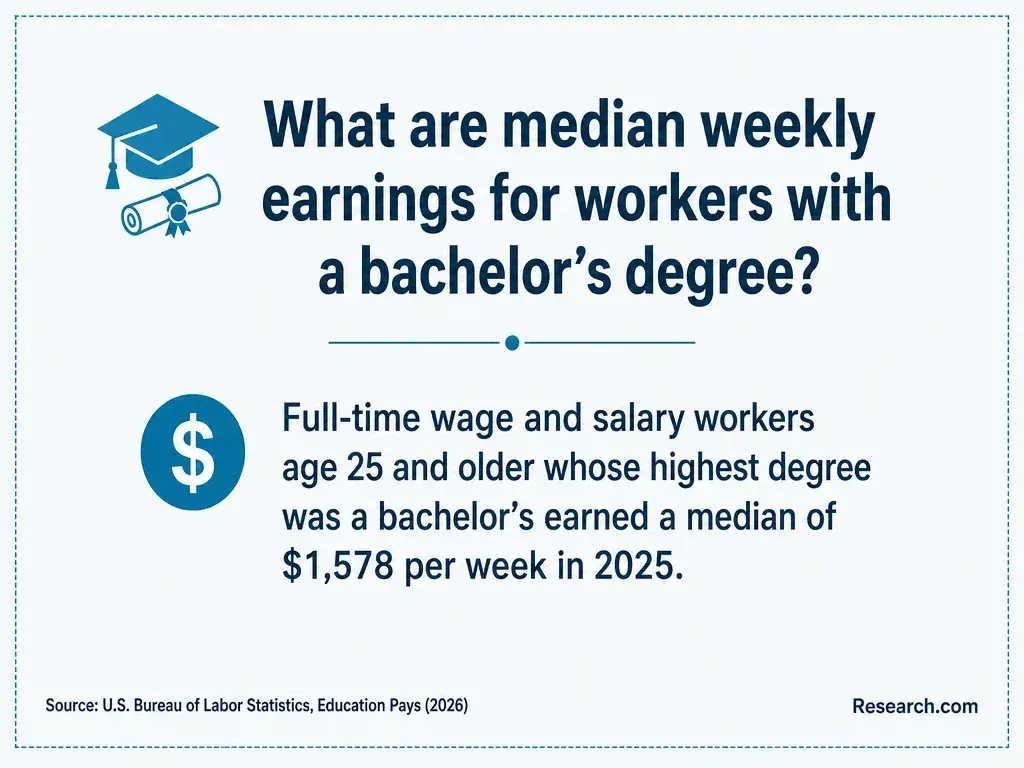
If you are building toward a bachelor's degree, check whether existing credits will transfer before enrolling. A guide to comparing associate-to-bachelor's health administration routes can help you assess that step. An experienced analyst seeking management should first compare job postings: if the gap is supervising people and budgets, graduate management education may help; if the gap is coding, privacy, or investigations, targeted training may be more direct.
Which healthcare compliance certifications advance leadership careers?
Certifications can demonstrate focused knowledge, but their value depends on your responsibilities. The Certified in Healthcare Compliance (CHC) credential is relevant to healthcare compliance practice; Certified in Healthcare Privacy Compliance (CHPC) is more focused on privacy; and Certified in Healthcare Research Compliance (CHRC) is oriented toward research settings. Verify the issuing organization's current eligibility, examination, and renewal rules before planning around any credential.
Choose a certification that matches the risks you actually manage. A privacy credential will not, by itself, demonstrate that you can direct a billing-compliance program. If you are still establishing your academic foundation, consider whether bachelor's study in healthcare administration at accredited institutions would address a broader qualification gap. For an experienced analyst, a relevant certification plus documented project leadership may be more useful than another general degree.
Healthcare administration programs generally approach regulation as an organizational management problem: how leaders design accountable processes, allocate resources, respond to risk, and balance patient, operational, and financial concerns. An MHA may emphasize health systems, quality, policy, and administration. A healthcare-focused MBA generally pairs a broad business core - such as finance, operations, and organizational behavior - with healthcare coursework. Course titles alone do not establish how much compliance training a program provides.
For an analyst, useful applied work might involve evaluating a compliance control, budgeting for a corrective action, or presenting a risk recommendation to executives. Someone moving into healthcare from another industry should check whether a program teaches health-system fundamentals as well as management; programs to consider for an MHA career change offer a starting point. Neither an MHA nor an MBA should be mistaken for specialized legal advice, clinical licensure, or proof of competence in every regulatory area.
Neither format is inherently better. An online program may let a working analyst apply assignments to current compliance problems without leaving a job. Campus study may make scheduled interaction and local employer relationships easier to pursue. The important difference is whether the program gives you usable leadership practice and access to people who understand healthcare operations.
Before choosing an online program, confirm live-session times, group-work expectations, required visits, and access to faculty and career services. "Online" does not necessarily mean asynchronous. An accelerated schedule can also compress project deadlines; compare healthcare-focused MBAs with accelerated schedules only after checking whether the pace is workable alongside audit cycles and investigation demands. If you need an internship or a substantial career change, ask how the specific format supports that goal rather than assuming online and campus students receive identical recruiting opportunities.
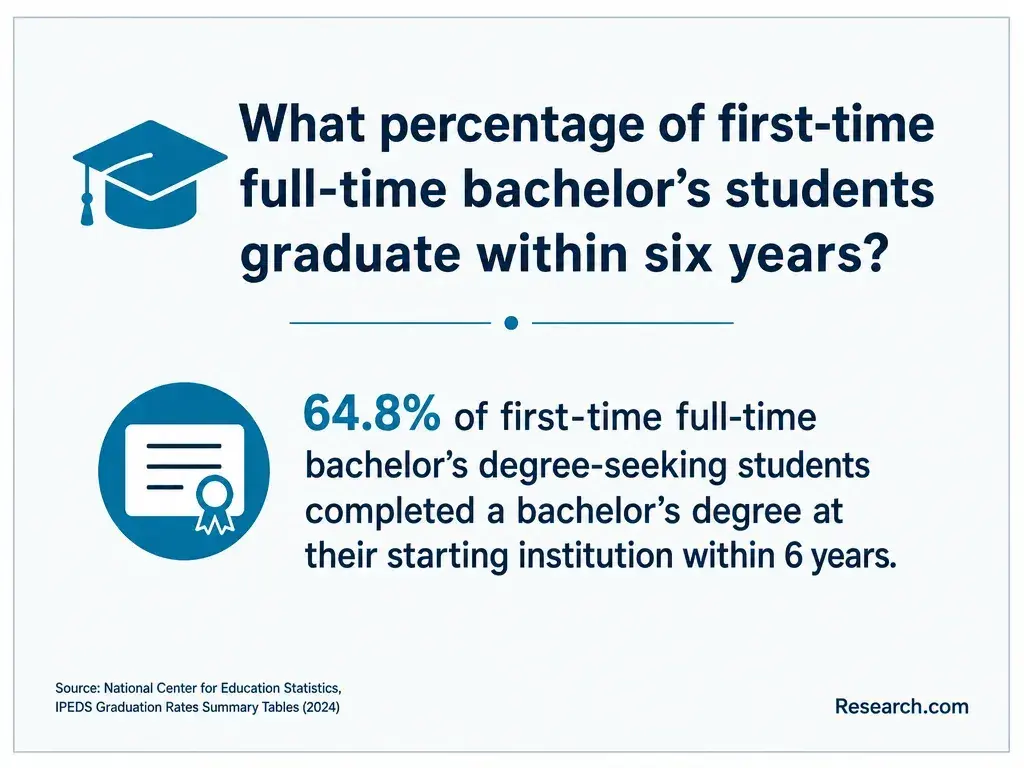
Requirements vary by school and degree level. Graduate programs commonly request evidence of prior undergraduate study and may ask for a résumé, statement, recommendations, or an interview. Some expect professional experience; testing and prerequisite policies differ. A nonbusiness bachelor's degree does not automatically rule out an MBA or MHA, but applicants should check whether they need preparation in accounting, statistics, or healthcare concepts.
For an accelerated option, admission eligibility is only part of the decision. Ask whether prerequisite courses, transfer-credit rules, or a fixed course sequence change your actual completion date. A healthcare management master's completion planning comparison can help frame those questions. Confirm every requirement with the program before applying, particularly if your prior education or compliance experience does not match its typical applicant profile.
Completion time depends on required credits, enrollment pace, course availability, and any internship or capstone. A program advertised as fast may assume continuous enrollment or a demanding course load. Use a one-year healthcare administration master's planning guide to identify questions about sequencing, then ask each school for a schedule based on your circumstances.
Compare the full amount you would pay, not just an advertised tuition rate. Request a written estimate that separates tuition and mandatory fees from books, software, travel, and any required campus visits. Then account for employer assistance, available aid, borrowing costs, and income you would give up if you reduced your work hours. Without a verified program and enrollment plan, a single price or completion estimate would be misleading.
A plausible progression is analyst to senior analyst or specialist, then compliance manager or director, and potentially chief compliance officer. Titles and reporting lines vary widely. Some professionals advance through privacy, revenue-cycle compliance, internal audit, or enterprise risk before taking broader responsibility. A director or executive must be able to prioritize risks across the organization, supervise investigations appropriately, communicate with governing bodies, and maintain an effective escalation process.
BLS projects about 1.1 million openings annually across all US management occupations from 2025 to 2035, including openings that replace departing workers. That figure does not measure openings in healthcare compliance; use actual postings in your target region to assess demand. A doctorate may suit someone pursuing research, teaching, or particular senior roles, but it is not a standard prerequisite for compliance management. If that is your goal, compare doctoral degree formats and time requirements in healthcare administration against the experience the role actually requires.
Pay varies by job scope, employer, location, and experience. BLS reports a May 2025 median annual wage of $126,520 for all management occupations. It is a broad benchmark, not an analyst salary, a healthcare compliance leader salary, or evidence that earning an MBA causes a pay increase. An analyst comparing promotion prospects should look at posted compensation for comparable compliance roles in the same labor market and distinguish base pay from any bonus.
To judge whether graduate study is affordable, compare the likely compensation difference between roles you could realistically obtain with the total cost of the degree - not the earnings of an unrelated executive occupation. Budgeting for an MBA in healthcare management can help you organize program comparisons. If your employer will fund a credential or give you management assignments without a degree, that may change the calculation substantially.
How do you choose an accredited healthcare administration program?
Start by verifying the institution's recognized institutional accreditation and the status of the specific program. Depending on the degree and school, specialized accreditation may be relevant, but institutional accreditation and specialized program or business-school accreditation are different claims. Check the accreditor's own directory and confirm that the online offering - not merely a related campus program - is covered where that distinction matters.
Then compare curricula against the leadership work you want: compliance governance, healthcare finance, operations, quality, and applied projects may matter more than a concentration label. Ask who teaches the relevant courses, whether you can use a workplace compliance problem for a project, and what career support is available to online students. Compare the net cost of an MBA with MHA alternatives, including lower-cost graduate options for healthcare administration professionals. Choose the option that closes an identified skills gap at a sustainable cost; if your main gap is hands-on leadership experience, seek that responsibility before committing to another degree.
Other Things You Should Know About Healthcare Administration
There is no universal professional license for healthcare compliance leadership. Particular duties may require a licensed clinician, attorney, or other specialist; confirm what a specific job requires.
That depends on the organization's reporting and independence arrangements. The manager should follow established escalation procedures and involve appropriate legal or board-level oversight when a conflict of interest arises.
Potentially, but only under the employer's approved privacy, security, and validation rules. Human review remains important, especially when a tool's output could affect an investigation or patient information.
No. Relevant requirements can differ by state, organization, payer, and type of service. Build a process for checking current authoritative requirements and involving specialists when an issue falls outside your expertise.
- Six Keys to Compliance | Harvard Law School Center on the Legal Profession https://clp.law.harvard.edu/article/six-keys-to-compliance/
- Career Paths in Healthcare Compliance | Seattle U School of Law https://onlinelaw.seattleu.edu/blog/career-paths-in-healthcare-compliance/
- Certified Professional Compliance Officer (CPCO) | AAPC https://www.aapc.com/certifications/cpco
- Healthcare Compliance Manager Salary & Career Guide 2026 | healthcaremanagement.org https://www.healthcaremanagement.org/careers/healthcare-compliance-manager/
- A Guide To Your Career In Healthcare Compliance | medtrainer.com https://medtrainer.com/blog/a-guide-to-your-career-in-healthcare-compliance/
- How to Become a Compliance Officer | accounting.com https://www.accounting.com/careers/compliance-officer/how-to-become/
- Healthcare Compliance Certification: What You Need to Know | drata.com https://drata.com/learn/hipaa/healthcare-compliance-certification
- The Role of the Healthcare Compliance Officer in Modern Medical Practices | DoctorsManagement https://www.doctorsmanagement.com/blog/the-role-of-the-healthcare-compliance-officer-in-modern-medical-practices/
- 10 Career Pathways in Healthcare Compliance Management | hospitalcareers.com https://hospitalcareers.com/blog/career-pathways-for-healthcare-compliance/


