2027 Evaluating a Patient Transportation Partnership for an MHA Capstone

Co-Founder and Chief Data Scientist
A patient transportation partnership may look successful because more rides are booked, yet still fail to reduce missed appointments or reach patients with the greatest need. For a Master of Healthcare Administration (MHA) capstone, the task is to test whether the partnership improves access at a sustainable cost—not merely describe its activity.
This guide is for prospective MHA students and healthcare professionals choosing or planning an applied project. It explains how to frame the evaluation, secure useful evidence, select a supportive program, and judge what the project can contribute to a healthcare management career.
Key Things You Should Know
- A strong capstone tests whether completed transportation is associated with better appointment access, using a baseline and, when feasible, a comparable patient group.
- Track completed-ride rates, missed-appointment rates, and cost per completed visit; ride bookings alone cannot establish patient benefit.
- Before choosing an MHA program or project partner, confirm data access, supervision, privacy rules, capstone requirements, and who can act on the findings.
What Is a Patient Transportation Partnership MHA Capstone?
It is an applied healthcare administration project evaluating an arrangement between a care organization and a transportation provider. Partners might include a hospital and a nonemergency medical transportation company, a clinic and a community organization, or a health system and a transit agency. The capstone asks a management question: Does the arrangement help eligible patients reach care reliably, equitably, and at a defensible cost?
The scope should be narrow enough to evaluate. For example, a student could examine transportation to outpatient dialysis appointments at one site rather than all rides across a health system. A useful final product might combine findings, operational recommendations, and a dashboard the sponsor can maintain. The student is evaluating service design and performance, not providing clinical care or assuming that every missed visit results from transportation.
Prospective students still completing an undergraduate degree may find planning a healthcare administration bachelor's transfer useful before comparing graduate capstones; an MHA ordinarily follows a completed bachelor's degree.
How Do You Evaluate a Patient Transportation Partnership?
Start with a decision the sponsor can actually make: renew a contract, change eligibility rules, add wheelchair-accessible capacity, or stop a poorly performing route. Define the eligible population, service period, partner responsibilities, and intended result before examining outcomes. Otherwise, a rise in ride volume can be mistaken for a rise in access.
A workable evaluation follows this sequence:
- Write a specific question, such as whether offering rides to eligible patients reduced missed specialty visits compared with the period before launch.
- Map the referral-to-visit process and identify where requests, dispatches, pickups, and appointments can fail.
- Agree on outcome definitions, a baseline, relevant comparison patients or sites, and the minimum data each partner can share.
- Compare outcomes and costs, investigate differences across patient groups, and check alternative explanations such as scheduling changes.
- Recommend a decision, name the evidence that supports it, and state what remains uncertain.
Transportation records and appointment records answer different questions. A provider may report a completed ride even if the patient arrives too late for the visit; a clinic may record a missed appointment without knowing why. If the project depends on joining these records, confirm early who can match them and under what permissions. Students interested primarily in building and governing clinical data systems may also want a healthcare administration and health information management program comparison.
What Research Methods Support a Healthcare Administration Capstone?
A mixed-methods design is often practical. Quantitative analysis can compare appointment attendance, ride completion, and spending before and after the partnership. Short interviews with patients, schedulers, dispatchers, and clinic staff can explain failures that administrative records do not capture, such as unclear pickup instructions or an inaccessible vehicle.
A before-and-after comparison is not proof that transportation caused a change. Patient eligibility, seasonal demand, clinic hours, and other initiatives may also have changed. Where data permit, compare eligible patients who received an offer with a carefully chosen group not offered the service, or compare sites with similar workflows. Document differences between groups and avoid claiming a causal effect the design cannot support.
Secure the sponsor's approval for data access and determine whether the activity is treated as quality improvement or research under applicable institutional policies. Use the minimum necessary patient information and follow the organization's privacy and security procedures. An MHA capstone is usually an applied management study; professionals seeking extensive independent research training can separately review online healthcare management doctorate programs.
Look for a curriculum that connects healthcare operations with evidence-based decisions. Operations courses can help a student assess referral queues, dispatch handoffs, and capacity. Healthcare finance can support cost-per-service analysis and budgeting. Statistics or applied analytics can help distinguish a meaningful change from routine variation, while policy and ethics courses provide context for eligibility, equity, contracting, and patient information.
Course titles alone are not enough. Ask whether students practice with operational datasets, receive instruction in evaluation design, and have a faculty adviser able to challenge weak comparisons. A capstone or practicum with an external sponsor is particularly valuable when the student can obtain data and present recommendations to decision-makers.
An MBA with healthcare coursework may be a better fit for someone seeking broad cross-industry management training. An MHA is generally the more direct choice when the goal is to study healthcare delivery, payment, and access in depth. Compare actual curricula rather than assuming either degree contains transportation-specific training; an affordable healthcare MBA degree program comparison can help frame that alternative.
A well-designed partnership can remove a practical barrier between scheduling care and receiving it. Possible benefits include more reliable arrival for recurring treatment, fewer failed referrals, and less staff time spent arranging last-minute rides. Those benefits depend on service hours, geographic coverage, accessible vehicles, language support, and the patient's ability to request a ride - not simply on having a transportation contract.
Coverage and payment require particular care. Medicaid nonemergency medical transportation rules, managed-care arrangements, Medicare-related benefits, and locally funded services differ; a capstone should identify the payer and eligibility rules that actually apply to its patients. It should also examine whether the partnership reaches people with high barriers rather than primarily serving patients who could already get to appointments.
For an administrator, the decision is whether the access gained justifies the operating commitment and whether the service can be improved. Professionals considering roles that oversee such decisions can use career planning for aspiring healthcare managers to explore broader management paths while recognizing that a transportation project alone does not establish eligibility for a leadership role.
Use measures that follow the patient from eligibility to completed care. A compact dataset should identify eligible patients and appointments, ride offers and requests, completed and failed pickups, arrival status, appointment completion, and partnership costs. Agree on definitions before comparing records: for example, a cancellation by the patient is not the same operational failure as a vehicle that never arrived.
The primary outcome should reflect the sponsor's goal, such as missed-appointment rate among eligible patients. Supporting measures can include completed rides per request, late arrivals, cost per completed visit, and patient-reported difficulty obtaining a ride. Break results down where lawful and feasible by service area, appointment type, accessibility need, or other relevant characteristics. Small groups and missing data can make apparent differences unreliable, so report their limitations.
Do not equate every completed appointment with a financial saving or improved health outcome. Those claims require additional evidence and a defensible time horizon. If the intended question requires prolonged follow-up and substantial independent research rather than an operational recommendation, compare doctoral program lengths for healthcare administration study before assuming an MHA capstone can accommodate it.
Either format can support a strong transportation evaluation. The decisive issue is whether the student can obtain a sponsor, approved data, timely faculty feedback, and access to the people who operate the partnership. The comparison below highlights practical differences to verify with each program rather than features guaranteed by its delivery format:
| Consideration | Online MHA | Campus MHA |
| Project site | May allow a project with a current employer or local organization; sponsor rules vary. | May offer local institutional connections; placements are not necessarily guaranteed. |
| Collaboration | Remote meetings can fit distributed partners, but live sessions may still be required. | In-person access can ease site visits, subject to schedules and permissions. |
| Data and supervision | Requires a clear process for secure access and remote adviser feedback. | Still requires data agreements, an available adviser, and sponsor cooperation. |
Ask programs who finds the sponsor, whether an employer-based project qualifies, when approval must be secured, and what happens if a partner withdraws. For working professionals, compare the actual capstone calendar—not just whether classes are online. Those weighing a shorter route can explore choosing a faster healthcare management master's program but should verify that its pace leaves enough time to arrange data access and complete a credible evaluation.
First, confirm that the university holds recognized institutional accreditation. Then check whether the specific healthcare management program has accreditation from the Commission on Accreditation of Healthcare Management Education (CAHME), if that distinction matters to your goals. Institutional accreditation and programmatic accreditation answer different questions; neither guarantees a transportation-focused capstone or a job.
Check the exact program and delivery option rather than assuming accreditation applies to every degree a university offers. When comparing CAHME-accredited MHA universities and program options, also inspect the capstone handbook, sponsor expectations, and faculty expertise. Those features determine whether the program can support this particular project.
MHA applicants generally need a completed bachelor's degree, but prerequisites, professional-experience expectations, test policies, and application materials vary by school. A non-healthcare major is not automatically disqualifying. Relevant preparation might come from operations, social services, analytics, public administration, or clinical work; applicants should identify any gaps in healthcare finance and quantitative methods.
Compare the full cost of completing a program, not just its advertised tuition rate. Confirm required credits, mandatory fees, books and software, any travel or practicum expense, and whether an extended capstone adds a term of charges. Employer assistance may lower personal cost, but reimbursement conditions and work commitments matter. A starting point for comparing published prices is affordable master's programs in healthcare administration; obtain a current, individualized cost estimate before enrolling.
Ask admissions staff whether students must find their own capstone sponsor and whether a proposed transportation evaluation meets program rules. A lower-cost program is poor value for this goal if it cannot support the required data access or supervision.
Which Careers Can Patient Transportation Capstones Support?
A well-executed project can demonstrate skills relevant to healthcare operations, access-to-care initiatives, quality improvement, population health, and community partnership management. Its strongest career value is usually for someone who can connect the findings to existing work—for example, a clinic coordinator moving toward operations management or a transportation-program employee seeking broader responsibility.
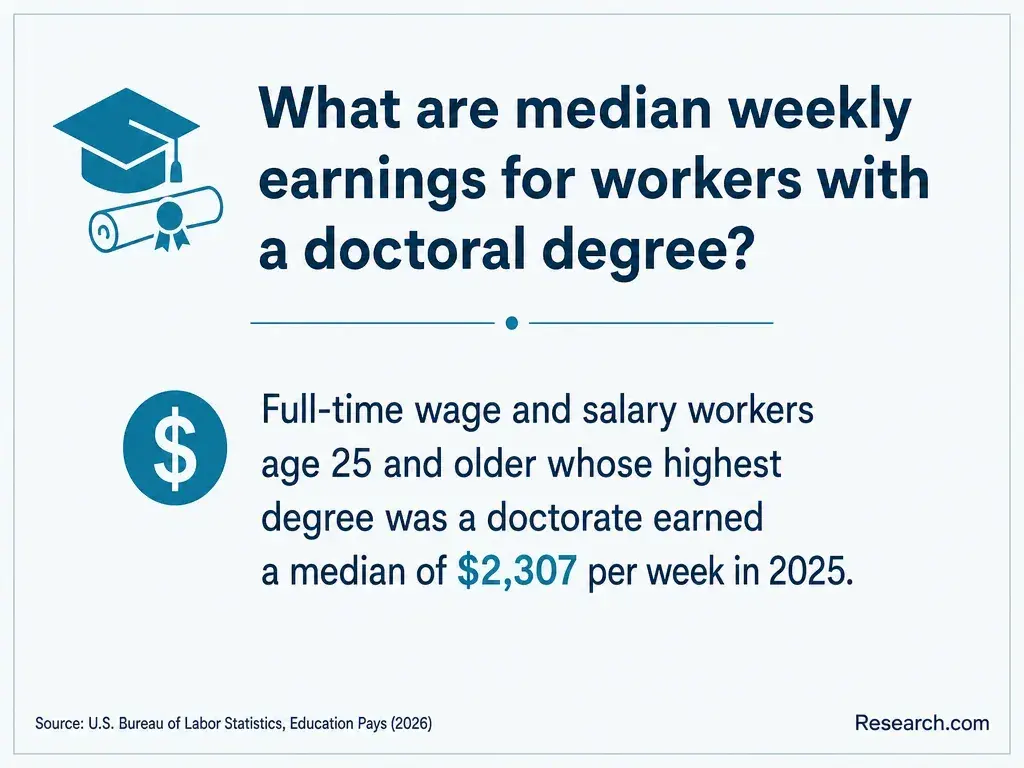
The capstone is evidence of applied skill, not a substitute for supervisory experience or a hiring credential. The U.S. Bureau of Labor Statistics reports a May 2025 median annual wage of $126,520 for all management occupations. That broad figure is not an MHA graduate salary or an estimate for transportation-access roles; compare actual job postings by occupation, location, and experience level instead.
Career changers should use the project to demonstrate a specific capability—such as evaluating a vendor or improving a referral process—and seek sponsor feedback they can discuss in interviews without disclosing confidential information. Applicants entering from another industry can also examine understanding MHA admission routes for non-healthcare graduates. If the desired role is primarily dispatch supervision or data engineering, targeted experience or technical training may be more direct than an MHA.
Other Things You Should Know About Healthcare Administration
It depends on the project's purpose, methods, and institutional policies. Do not decide independently that an evaluation is exempt; ask the school and healthcare sponsor for a formal determination before collecting data.
Possibly, with sponsor permission and the required consent and privacy procedures. Make participation voluntary and avoid implying that responses will affect care or transportation eligibility.
Report the result accurately. Identify whether failures stem from eligibility, referrals, dispatch, capacity, or measurement, and recommend changes the sponsor can test rather than hiding unfavorable findings.
Only as permitted by the sponsor, school, and any confidentiality agreement. A public or interview-ready summary should omit protected patient information and confidential contract details.
- Americans with Disabilities Act Title II Regulations | ADA.gov https://www.ada.gov/law-and-regs/regulations/title-ii-2010-regulations/
- Chapter 10 Methods for Comparative Studies - NCBI https://www.ncbi.nlm.nih.gov/books/NBK481584/
- Offering transportation services to economically... - PMC https://pmc.ncbi.nlm.nih.gov/articles/PMC9621216/
- Summary of the HIPAA Security Rule | hhs.gov https://www.hhs.gov/hipaa/for-professionals/security/laws-regulations/index.html
- Federal Transit Administration Funding and Non-Emergency Medical Transportation | FTA https://www.transit.dot.gov/ccam/NEMT
- Transportation Services | DHCS - CA.gov https://www.dhcs.ca.gov/services/medi-cal-resources/transportation-services/
- Addressing Transportation Barriers | cms.gov https://www.cms.gov/priorities/innovation/media/document/vbid-cy2023-transportation-use-case
- MHA Capstone - Health Systems and Population Health https://hspop.uw.edu/mha/program-experience/capstone/
- Program Evaluation of a Hospital Patient Transportation Service | ScholarWorks https://scholarworks.waldenu.edu/dissertations/9904/
- MHA 698: Applied Health Administration Capstone Project | cmich.edu https://libguides.cmich.edu/MHAresources/MHA698