2027 Engineering Technology Degree Programs With Rolling Admissions

Co-Founder and Chief Data Scientist
How does rolling admissions reshape access to engineering technology degree programs for career changers balancing unpredictable schedules? Nearly 40% of U. S. adult learners juggle employment and education, according to the National Center for Education Statistics, highlighting the demand for adaptable enrollment options. Unlike rigid traditional admission cycles, rolling admissions permit applications year-round, enabling timely entry into programs that integrate practical training and meet industry credentialing requirements. This flexibility can reduce downtime, critical for aligning academic pacing with employer hiring seasons in engineering technology fields. This article outlines key factors to consider when selecting rolling admissions programs to best fit individual timelines and career objectives.
Key Benefits of Engineering Technology Degree Programs With Rolling Admissions
- Rolling admissions in engineering technology permit staggered start times, enabling students to align enrollment with project cycles or internships, though this may complicate cohort-based peer learning and networking dynamics.
- This admission model allows responsive workforce entry as many employers prioritize candidates with immediate availability, supporting faster placement but potentially reducing time for comprehensive prerequisite mastery.
- Extended application windows often lower upfront cost pressures by enabling paced financing, yet they can dilute advising resources, requiring students to proactively manage their academic planning to avoid bottlenecks.
How Do Engineering Technology Degree Programs With Rolling Admissions Work?
Engineering technology degree programs with rolling admissions create a distinctive operational dynamic that reshapes how and when students enter technical education pipelines. This model directly affects workforce readiness by synchronizing student intake with employer hiring cycles, but it also introduces complexity in enrollment management and academic resource allocation tailored to specific industry demands.
- Continuous Application Intake: Unlike fixed deadlines, rolling admissions mean applications are accepted and reviewed on a rolling basis. This accelerates enrollment decisions, benefiting students who need flexibility and employers seeking timely talent infusion, particularly in sectors where demand spikes unpredictably.
- Access Versus Resource Constraints: Early applicants generally secure preferred courses and advising, while late applicants may face bottlenecks in hands-on labs or specialized classes. This tradeoff reflects the tight balance engineering technology programs must maintain between maximizing access and managing limited technical resources.
- Variable Cohort Composition: Rolling admissions produce a staggered cohort entry rather than uniform semester groups. While this complicates peer collaboration and identity formation, it enables institutions to adjust academic offerings based on immediate labor market feedback and emerging technology trends.
- Strategic Alignment with Industrial Cycles: Programs adopt rolling admissions often to align career transitions with project-driven industry needs. This reduces lag between education and employment, enhancing retention and facilitating employer-driven upskilling within evolving technical fields.
Engineering technology degree programs with rolling admissions process provide candidates adaptable pathways that reflect real-time industry conditions but require students to strategically consider timing impacts on course availability and peer interaction. When making enrollment decisions under this model, it's vital to weigh immediate workforce entry benefits against potential academic tradeoffs inherent in its flexible structure. Students interested in objective insights on credential value can further explore certificate programs that pay well for complementary career considerations.
What Are the Admission Requirements for Rolling Admissions Engineering Technology Programs?
Rolling admissions for engineering technology programs reflect a real-time, competitive environment where readiness and completeness of application material directly influence admission outcomes. Because these programs fill seats continuously rather than by fixed deadlines, applicants face the practical challenge of presenting all required credentials upfront, as hesitation or incomplete records may mean losing a spot to more prepared candidates. This dynamic favors those who have clearly demonstrated technical readiness and academic consistency before applying, highlighting a significant tradeoff between flexibility and proactive preparation in admissions strategy.
- GPA Requirement: Most programs expect a baseline GPA that reflects steady academic performance, particularly in math and science courses relevant to engineering technology.
- Transcripts: Complete and official academic transcripts are essential, emphasizing coursework in mathematics, physics, electronics, or drafting to confirm foundational knowledge aligned with technical application.
- Application Form: A thorough and accurate application form must accompany all materials, capturing educational background and any relevant work or internship experiences.
- Letters of Recommendation: Admissions committees often require letters that attest to an applicant's technical aptitude, problem-solving skills, and readiness for a hands-on learning environment.
- Personal Statement: Clear articulation of professional goals and motivation for pursuing engineering technology can differentiate candidates by linking their objectives to program outcomes and workforce needs.
- English Proficiency: For nonnative speakers, proof of English proficiency through standardized tests or equivalent documentation is necessary to ensure effective communication in technical and collaborative settings.
These requirements collectively serve to filter applicants who are immediately prepared to engage with the practice-driven curriculum and industry-relevant training typical in engineering technology. The emphasis on documented technical experience and prior coursework mitigates the risk of admission delays, which can be costly in programs that do not pause for additional preparation after application submission. This approach aligns with employer expectations for graduates who can quickly transition to productive roles in evolving technical workplaces, underscoring the need for candidates to match admission readiness with the fast-paced nature of rolling review processes.
When Should You Apply for Rolling Admissions Programs?
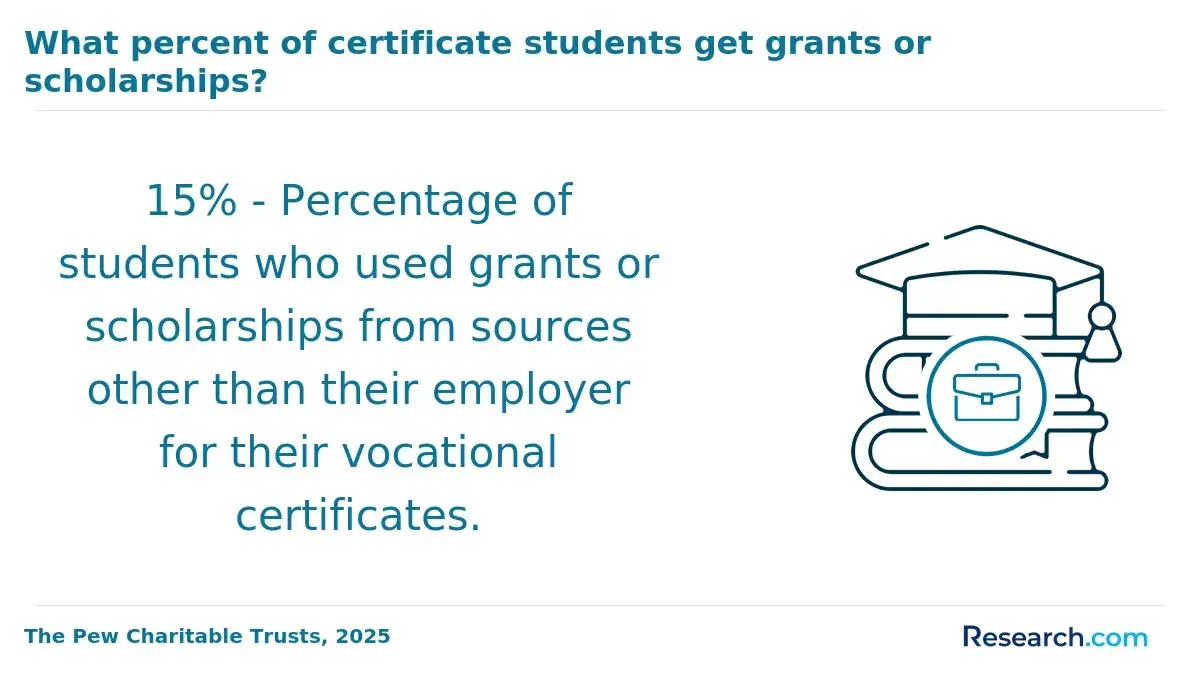
Rolling admissions engineering technology programs function on a continuous evaluation model rather than fixed deadlines, but this flexibility masks critical timing nuances that shape applicant success. Early submissions typically secure a strategic advantage given the limited seats and finite financial aid pools that programs allocate each term. As spots fill, the admissions process inherently tightens, making mid-cycle applicants contend with increasing competition and fewer available options. Late applicants risk waitlisting or deferral, encountering reduced program choice, delayed starts, and restricted scholarship eligibility, which can cascade into longer-term scheduling and financial challenges. The variable nature of rolling windows-some closing once full while others remain open longer-means applicants must assess not only their readiness but also institutional admission patterns to optimize timing aligned with both capacity and funding considerations.
Candidate preparedness further complicates application timing strategy. Early applicants who have finalized transcripts, recommendations, and personal statements position themselves to capitalize on optimal admission and aid opportunities. In contrast, those submitting mid-cycle face a tradeoff between the rush to meet less favorable conditions and the risk of incomplete documentation diminishing competitiveness. Waiting until the latter stages often forces tough decisions: accept limited or no options, postpone enrollment, or expedite preparations for the next round. Beyond admission outcomes, delayed application cycles can disrupt alignment with employer hiring rhythms where timely completion of credentials reflects adaptability to evolving technical demands. Consequently, applicants must weigh immediate accessibility against strategic timing that preserves academic and workforce momentum.
When I applied, I hesitated because I was still gathering recommendation letters and polishing my personal statement. By the time I submitted, some scholarships had already been awarded, and available spots were scarce. I remember feeling anxious as I waited to hear back, knowing a delay would push my start date and potentially interfere with job opportunities I was targeting. Ultimately, having submitted just before the cutoff allowed me to enroll that term, but the experience underscored how small timing differences in rolling admissions can critically affect both financial aid access and program options.
Rolling admissions are more prevalent in online engineering technology programs than in traditional on-campus formats due to the need for scalability and accommodating remote learners. This flexible application process for engineering technology degrees allows institutions to offer multiple enrollment periods throughout the year, improving accessibility for students balancing work or family commitments. By spreading application review and intake over time, programs can effectively manage demand, optimize faculty workload, and maintain steady enrollment levels. However, variability exists, as some online programs maintain fixed admission cycles to comply with accreditation standards or preserve cohort integrity.
For students, rolling admissions translate to faster enrollment cycles and diverse start times, which can expedite entry into the workforce but may also intensify competition during peak application windows in high-demand online engineering technology cohorts. Approximately 60% of online programs offer some form of rolling or extended admission windows, reflecting a strategic shift toward flexibility without compromising educational quality. Prospective students should weigh the advantages of adaptable timelines against the potential challenges of fluctuating availability and timing for securing financial aid. Those seeking accelerated progress might review options like an accelerated online bachelor's degree to optimize their path effectively.
Rolling admissions often prompt the assumption that such schools offer higher acceptance rates, but this is a misconception rooted in process confusion rather than admissions criteria. Rolling admission is a procedural model where applications are assessed continuously rather than after a fixed deadline, which impacts when decisions are issued but not inherently how selective the program is. Acceptance rates depend more on program capacity, annual applicant volume, and cohort size, especially in competitive fields such as engineering technology. For instance, a high-demand engineering technology program with limited enrollment remains selective regardless of whether admissions are rolling or set by strict deadlines.
The timing within the rolling admissions cycle can influence admission chances indirectly; early applicants sometimes face less competition simply because more seats remain available, while those applying later may encounter filled cohorts. However, this dynamic should not be confused with lower admission standards for late applicants. In practice, institutions maintain consistent rigor throughout the cycle. Acceptance rates vary widely across schools-from selective public technical universities to community college-linked programs with greater access-driven more by mission and resource allocation than admissions timing. Prospective students should weigh rolling admissions flexibility alongside program quality and graduate outcomes, especially where engineering technology competes with workforce demands and evolving employer expectations.
Tuition costs for rolling admissions engineering technology programs typically range from $300 to $600 per credit hour, reflecting similar pricing structures to traditional programs but offering greater flexibility in when and how costs are incurred. These programs often bill based on credit hours rather than flat annual fees, giving students control over pacing and budget management. While rolling admissions itself does not inherently reduce tuition, it impacts the timing and distribution of expenses, which can be critical for working adults balancing education with other responsibilities. Institutional fees, including technology charges ranging from $50 to $150 per term, plus course-specific fees for labs or materials, add to the overall financial commitment and vary depending on program delivery format.
The design of the program-whether accelerated, cohort-based, fully online, or competency-driven-significantly shapes the total cost experience beyond headline tuition. Accelerated or cohort models may lead to higher term costs by compressing coursework, while subscription-style payment models found in some self-paced programs typically charge $1,000 to $2,000 monthly for access to unlimited courses, benefitting fast learners but potentially increasing cumulative expenses. For those weighing a rolling admissions engineering technology program, assessing not just per-credit tuition but also fees, materials, and payment timing is essential. This cost approach supports more targeted financial planning, aligning with flexible enrollment timelines and diverse student needs. Prospective students may find useful benchmarks or comparisons when exploring options for programs such as a construction management degree that share similar pricing characteristics and delivery models.
Career outcomes for students admitted through rolling admissions in engineering technology programs are not inherently improved or hindered by the timing or nature of their application process. Rolling admissions serve as an enrollment strategy, allowing continuous application review rather than fixed deadlines, but do not guarantee academic or professional advantages. Instead, employability and long-term career success depend more decisively on institutional factors such as program accreditation, the rigor and relevance of curricula, and the specific field specialization chosen within engineering technology. Additionally, access to internships and hands-on experiences alongside robust professional networks shapes job readiness far more than whether a candidate entered early or late in the admission cycle.
There can be indirect effects related to timing; students admitted earlier via rolling admissions often matriculate sooner, which may lead to earlier graduation and workforce entry. This slight temporal advantage can matter in sectors with steady hiring rhythms-data from the National Association of Colleges and Employers (NACE) finds that early job seekers in technical roles sometimes experience marginally faster placement rates. However, this advantage hinges on strategic application timing rather than the rolling admissions framework itself. Outcomes also vary considerably across institutions, depending on how well they integrate career services and employer connections alongside their admissions policies. Geographic labor market dynamics and industry demand remain critical variables influencing employment prospects after graduation.
One engineering technology graduate recalled feeling uncertain after delaying her application through a rolling admissions process due to personal circumstances. She explained, "I hesitated because I wasn't sure if applying late would limit my chances, but the program kept accepting students, which gave me breathing room." Despite the pause, she secured an internship that enhanced her resume, highlighting how experiential learning opportunities outweighed concerns over admission timing. Her eventual job placement aligned with local industry demand more than the moment she was admitted, underscoring how rolling admissions primarily offer flexibility rather than a direct impact on career trajectories.
Salary outcomes for graduates of engineering technology programs are shaped predominantly by factors unrelated to the admissions process itself. Rolling admissions, while offering flexible application timelines that accommodate diverse personal and professional situations, do not directly influence earning potential or access to high-paying roles. Instead, critical determinants include the graduate's chosen engineering technology specialization, the academic institution's accreditation and industry reputation, and the quality of experiential learning such as internships or cooperative education. For example, electrical or mechanical engineering technology graduates may see starting salaries typically ranging from the mid-$50,000s to mid-$70,000s depending on geographic location and employer demand, illustrating how labor market variables surpass admissions format in defining compensation.
That said, rolling admissions can provide indirect advantages by enabling earlier enrollment and potentially faster program completion, which may lead to earlier workforce entry. This timing advantage could accelerate salary growth trajectories in some cases, but it is by no means a guarantee of higher pay. Employer expectations emphasize skills, practical experience, and professional networks over the method of admission. Consequently, prospective students should view rolling admissions primarily as a convenience that facilitates access rather than a lever for financial outcomes. Long-term career success in engineering technology depends more on leveraging institutional partnerships, continuing education, and market-specific demand than on flexible application windows.
Rolling admissions programs for engineering technology degrees create real challenges in student planning and career timing, despite their appeal for flexibility. The lack of a fixed deadline introduces complexity that affects both the student experience and workforce integration. This approach often demands tradeoffs that may offset the intended benefits of flexible admissions.
- Prolonged Uncertainty: Students face ongoing ambiguity about acceptance, complicating financial aid arrangements, housing commitments, and employment scheduling. This can delay crucial decisions, limiting thoughtful evaluation of program fit and career goals.
- Inequitable Course Access: Enrollment tends to cluster early, with about 60% of applicants submitting within the first two months of rolling admissions cycles. Late applicants often encounter restricted course availability or waitlisting, which can stall degree progression and delay entry into the job market.
- Fragmented Cohorts Impacting Collaboration: Staggered start dates prevent students from forming stable peer networks essential for hands-on teamwork, internships, and employer engagement. This disjointed experience can reduce practical learning opportunities and complicate employers' hiring processes that rely on predictable graduation timelines.
- Rushed Decision-Making Risks: The continuous application model may pressure students toward prematurely accepting offers without comprehensive program comparison. This can increase transfer rates and extend time to degree completion, undermining long-term academic and employment outcomes.
These disadvantages of rolling admissions programs in engineering technology illustrate how flexibility comes with operational costs affecting student success and workforce readiness. Prospective students should weigh these factors carefully against their personal circumstances to navigate practical tradeoffs effectively.
For those considering nontraditional timelines in academic pursuits, insights from related fields like business may also be relevant. See analysis of an accelerated business program for comparison.
Choosing among programs with rolling admissions involves weighing how flexible intake aligns with meaningful academic and career benefits. Flexibility alone doesn't guarantee quality or outcomes-prospective students must scrutinize how program design and support mechanisms sustain learning and employability over time. For example, a working adult relying on rolling admissions for flexible start dates will face setbacks if advising or internship opportunities do not keep pace with continuous enrollment.
- Curriculum alignment with industry trends: Prioritize programs integrating emerging technologies and applied projects that reflect current employer demands, as this influences job readiness beyond the admission convenience.
- Consistent student support despite rolling admissions: Evaluate if advising, tutoring, and career services are reliably available throughout the year to avoid resource shortages common in continuous intake models.
- Verified graduation and employment statistics: Strong completion rates and employment outcomes indicate a program's real-world value, since some rolling admissions offerings may admit more students but struggle to retain or place them.
- Flexible yet rigorous course delivery formats: For many, online or hybrid options combined with rolling admissions enhance access, but ensure critical lab or hands-on components remain robust to maintain essential skill development.
- Established industry relationships for career pathways: Programs with solid connections in engineering sectors facilitate internships and job placement, which can offset challenges from less traditional enrollment patterns.
Students seeking the best engineering technology programs with rolling admissions should also consider recognized top accredited engineering technology degree options that balance flexibility with proven outcomes. Resources on online associate degrees may offer additional pathways suitable for diverse schedules and goals.
What Graduates Say About Engineering Technology Degree Programs With Rolling Admissions
- Derrick: "Balancing a full-time job while returning to school was tough, but the rolling admissions for the engineering technology program allowed me to start right when I was ready rather than waiting for a new semester. I chose it because I needed practical skills quickly after realizing my previous career wasn't sustainable. Although I didn't pursue licensure, the hands-on projects and internships helped me land a role in a manufacturing firm where having a strong portfolio mattered more than certifications."
- Arjun: "I had to be very cautious with finances, so enrolling in an engineering technology program with rolling admissions offered the flexibility needed to manage both study and part-time work. The decision to focus on certifications within the program came after researching employer expectations-many valued real-world experience over formal licensure. This approach paid off as I secured a remote position in automation, but I'm aware that advancement might be limited without additional credentials down the line."
- Elias: "Switching careers meant I needed a program that didn't lock me into traditional academic calendars, so engineering technology with rolling admissions was ideal. The fast entry into the workforce was important since I was under time constraints, yet I quickly realized the challenge of competing against licensed engineers for certain roles. Completing multiple internships improved my technical toolkit, but I'm still considering further education to overcome salary growth ceilings I encountered early on."
Other Things You Should Know About Engineering Technology Degrees
Rolling admissions allow students to begin their studies at multiple points throughout the year, which can lead to greater flexibility in course scheduling. This model, however, might result in varied academic pacing, potentially affecting synchronization in project-based courses where cohort collaboration is crucial.
Programs with rolling admissions may have variable schedules for labs, internships, or co-op placements that align with traditional academic calendars. Students entering at nonstandard times might face delays or fewer options for these hands-on experiences, which are critical for engineering technology skill development and employer readiness. It's advisable to investigate how each program schedules experiential components and whether flexible timing options exist to avoid gaps in applied learning.
Employer perceptions tend to focus more on demonstrated skills and practical experience than on admission timing, but inconsistencies in cohort experience can affect networking and teamwork preparedness. Graduates who start at nontraditional times might have fewer peer connections, which can influence collaborative project work skills valued by employers. Choosing a program that fosters cohort integration and provides ample team-based learning regardless of start time enhances marketability.
Most programs require at least four years of high school math, including algebra II, and two to three science courses, usually physics and chemistry. Some ask for a minimum GPA of 2.5 to 3.0 and may require placement results in college algebra or trigonometry before enrollment.
- Colleges with Rolling Admissions | What is Rolling Admission? https://www.collegeadvisor.com/resources/colleges-with-rolling-admissions/
- Rolling application - Centria University of Applied Sciences https://net.centria.fi/en/education/how-to-apply/how-to-apply-for-bachelors/rolling-admission/
- Engineering Technology https://lakeland.edu/degrees/engineering-technology
- International rolling admission for bachelor's studies https://www.lut.fi/en/studies/apply-lut/applying-bachelors-programmes/international-rolling-admission-bachelors-studies
- 10 Best Online Colleges with Rolling Admissions for 2026 – Rankings https://www.collegeconsensus.com/rankings/best-online-colleges-with-weekly-start-dates/
- Which Type of Engineering Degree Is Right for You? A Guide to Engineering Majors—from Aerospace to Mechanical to Biomedical — Lantern College Counseling https://www.lanterncollegecounseling.com/insights/which-type-of-engineering-is-right-for-you
- Engineering Technology A.S. | Eastern Florida State College https://www.easternflorida.edu/academics/engineering-technology/index.php
- 88 Colleges With Rolling Admissions in the U.S. (2026) https://empowerly.com/applications/colleges-with-rolling-admissions/
- 7 Tips on How to Choose the Right Engineering College - An Easy Guide - Sri Manakula Vinayagar Engineering College https://smvec.ac.in/how-to-choose-the-right-engineering-college/