2027 Engineering Technology Programs With Placement Support for Practicum or Clinicals

Co-Founder and Chief Data Scientist
Many students enrolling in engineering technology programs face the challenge of securing high-quality practicum or clinical placements that genuinely prepare them for licensing and career success. Placement support varies widely-some programs offer robust, institution-led connections with industry partners, while others rely on student-initiated efforts with minimal guidance. This inconsistency often leaves candidates underprepared or delayed in certification milestones. According to recent data, only 62% of engineering technology graduates report satisfactory placement assistance that directly impacts their readiness for professional licensure. This article explores how placement support differs by program format and institution type, helping readers identify valid resources to enhance their practicum experiences and career outcomes.
Key Things to Know About Engineering Technology Programs With Placement Support for Practicum or Clinicals
- Placement support often includes personalized practicum matching, employer partnerships, and dedicated advisors-ensuring quality experiences that align with licensing and industry standards.
- Programs vary widely-campus-based options typically offer direct employer access, while online formats rely on regional affiliates and virtual networking to facilitate placements.
- Strong placement support correlates with higher licensure exam pass rates and improved job placement-critical for career advancement in competitive engineering technology fields.
What Are Engineering Technology Programs With Placement Support for Practicum or Clinicals, and Why Do They Matter?
Programs offering structured placement support for practicum or clinical training go well beyond requiring students to independently secure fieldwork sites. Instead, these programs actively broker and manage partnerships with employers and clinical facilities-ensuring students gain access to vetted, quality sites aligned with licensing and accreditation standards. This institutional backing significantly improves outcomes in students' clinical placements and career readiness, especially in engineering technology clinical placement and licensing preparation contexts.
- Placement Coordination: The institution arranges and verifies practicum opportunities, alleviating the burden on students to negotiate placements on their own.
- Student Advocacy: Schools often assist with clearance processes, schedule adjustments, and problem resolution during clinicals, reducing stress and barriers for students.
- Credential Validity: Accreditation agencies increasingly require evidence of rigorous practicum support, which correlates with fewer delays in professional licensure after graduation.
- Employer Perception: Employers recognize graduates from programs with managed placements as better prepared, improving job prospects and career advancement.
- Outcome Evidence: Data from graduate surveys and accreditation reports consistently show higher completion and employment placement rates for programs with well-developed placement support.
- Program Transparency: Reputable programs clearly describe their placement policies and expected practicum quality during recruitment and admissions.
Prospective students evaluating engineering technology programs with practicum placement support should prioritize how placement services are managed to ensure timely licensure and strong clinical outcomes. This is especially important for working professionals or place-bound students seeking licensed clinical roles through fully online SLP master's programs or related fields. Asking pointed questions about the institution's practicum support infrastructure helps clarify the real level of assistance offered.
Industries offering the highest mean and median starting salaries for engineering technology graduates include:
- Manufacturing: Includes aerospace, automotive, and electronics sectors requiring extensive hands-on technical training.
- Energy: Power generation and utilities industries emphasizing safety and regulatory compliance through strong clinical experience.
- Construction: Structural and civil engineering firms valuing practical site experience supported by solid placement infrastructure.
- Healthcare Technology: Fields involving medical devices and diagnostics where clinical placement experience is critical for licensing.
How Do Engineering Technology Programs Define Practicum or Clinical Requirements, and What Counts Toward Completion?
Practicum and clinical requirements in accredited engineering technology programs vary widely-shaped largely by institutional policies and national accreditation standards. These programs focus on applying theoretical knowledge through hands-on experience, ensuring students meet clearly defined competencies before graduating.
- Clock Hours: Required supervised contact hours typically range between 100 and 600, depending on specialization and accrediting bodies such as ABET. Programs with structured placement support often exceed these minimums, facilitating additional hours to boost practical readiness and meet stringent clinical requirements for engineering technology programs.
- Site Types: Accredited curricula usually require practicum experiences at approved, industry-relevant locations-manufacturing plants, engineering firms, research labs, or certified healthcare facilities for biomedical tracks. Hours logged at unapproved or informal sites, purely observational roles, or unpaid volunteer work without formal supervision typically do not count towards completion.
- Competency Outcomes: Programs mandate demonstration of technical proficiency, adherence to safety protocols, and problem-solving skills through supervised tasks. Assessments often involve onsite supervisor input alongside faculty evaluations to validate mastery rather than passive observation.
- Accreditation Standards: While entities like ABET provide general guidelines focusing on student engagement and competency assessment, no nationwide fixed minimum exists-leading to notable program-to-program differences. Programs offering placement assistance tend to ensure more rigorous, evaluative practicum experiences that enhance credential value and licensing readiness.
- Completion Criteria: Time spent only observing or at non-approved locations is generally excluded. Completion depends on satisfying both quantitative hour thresholds and qualitative competency benchmarks.
Placement Support Impact: Programs providing structured assistance in locating approved practicum sites often deliver clearer pathways to licensure and workforce entry. This infrastructure correlates with better employer recognition and aligns with outcomes favored in some of the most profitable majors.
What Types of Placement Support Do Engineering Technology Programs Actually Provide, and How Extensive Is It?
Engineering technology programs offer varying levels of placement support to assist students in securing necessary practicum or clinical experiences, impacting readiness for licensure and career progression. This support can range from merely providing resources to offering a fully managed placement process tailored to each student's needs.
- Site Identification: Many programs maintain comprehensive lists or databases of approved practicum or clinical locations. Students can review these options and independently pursue placements, a common approach for online or hybrid formats that prioritize student autonomy.
- Partner Organization Pre-Approval: To ensure quality and compliance, programs often vet and officially approve clinical partners. This involves verifying organizational credentials, licensure status, and supervision capabilities before permitting student assignments.
- Student-Site Matching Coordination: Some institutions provide dedicated staff who actively match students with placement sites. This service may include personal interviews, assessing student preferences, and negotiating placement details with host organizations-features more common at campuses with in-house career or clinical services.
- Liability Insurance Coverage: Because practicum work carries inherent risks, numerous programs facilitate or provide liability insurance to protect students and host sites, often making this coverage a mandatory criterion for placement acceptance.
- Supervisor Credentialing: Programs frequently require supervisors at placement sites to hold specific certifications or professional credentials, ensuring adherence to educational standards and maintaining program accreditation.
- Placement Monitoring and Support: Leading programs maintain oversight throughout the practicum or clinical period by conducting site visits, maintaining regular communication with supervisors, and addressing issues promptly to support student success beyond placement confirmation.
When I spoke with a professional who completed an engineering technology degree, he emphasized the difference that active placement coordination made. "At first, navigating site options felt overwhelming-there were many listings, but little guidance," he said. The program's dedicated coordinator helped narrow suitable sites, arranged interviews, and ensured all insurance and credentialing paperwork was handled smoothly. "That hands-on assistance removed a lot of stress and made me confident I could focus on my fieldwork instead of logistics." His experience underscored how robust placement support transforms practicum challenges into manageable milestones within a busy career transition.
- Geographic Reach: On-campus engineering technology programs tend to depend on established local or regional employer networks that have been built over many years. These networks provide practical placements within a reasonable commuting distance for students. In contrast, online programs face the complexity of serving a widely dispersed student body across multiple states or even countries. This requires them to build more expansive, often national placement networks to meet practicum or clinical training demands.
- Partnership Mechanisms: To accommodate diverse locations, online programs often form national site partnership agreements that secure a range of practicum spots at clinical sites across different regions. They may also use regional placement coordinators tasked with cultivating relationships near the student's geographic location or employ reciprocal placement arrangements with existing clinical affiliates to broaden options for students. Such strategies are crucial for the effectiveness of practicum placement assistance for online engineering technology students.
- Licensing and Regulatory Barriers: Online learners frequently encounter hurdles relating to state-specific licensing regulations that confine clinical placements to approved states or jurisdictions. This complicates placement availability and sometimes forces online programs to offer limited placement options or guide students through patchwork licensure policies. On-campus programs, with their localized clinical agreements, often avoid these issues by aligning directly with state licensing requirements.
- Student Support and Verification: Programs delivered in person typically provide immediate, hands-on supervision during placements, such as site visits and face-to-face mentoring. Online programs, however, rely principally on virtual monitoring-digital documentation and check-ins-to verify progress and compliance during clinical or practicum experiences.
Admissions Inquiry Recommendations: Prospective students evaluating online engineering technology programs should inquire about the scope and depth of placement partnerships. Specifically, it's important to ask whether the program maintains active agreements in the student's home state or across multiple states, what support services exist during placement, and how licensing reciprocity is handled to prevent delays in completion or licensure. Those seeking more comprehensive options might also explore affordable master's degrees online that include strong placement infrastructures by visiting affordable master's degrees online.
Accreditation agencies set essential guidelines that shape practicum and clinical placement standards in engineering technology programs. These standards ensure students receive supervised, practical training required for their professional growth and licensure.
- ABET: As the leading accreditor for engineering technology programs, ABET requires a specified minimum of supervised practicum or clinical hours, often emphasizing oversight by faculty or licensed professionals. Clinical sites must provide relevant equipment, follow safety protocols, and create opportunities for applying technical skills. Formal evaluations by supervisors and integration of feedback into the curriculum are also mandated.
- Regional Accrediting Commissions: Organizations like the Higher Learning Commission (HLC) and the Middle States Commission on Higher Education (MSCHE) oversee institution-wide quality but do not specify exact clinical hour requirements. Instead, they require evidence that programs offer adequate placement support and effectively blend practical training with academic objectives.
- Discipline-Specific Accreditors: Certain specializations-such as biomedical engineering technology-may adhere to accrediting bodies with more detailed practicum criteria, including enhanced qualifications for supervisors and tailored evaluation methods fitting clinical environments.
Programs accredited by these entities are generally better equipped with placement networks, supportive administration, and quality assurance processes that facilitate dependable practicum placements. Confirming that a program's accreditation is current and aligns with the licensing or employer requirements specific to your state is crucial to avoid complications in certification and employment.
Having spoken with a professional who built her career after completing an engineering technology degree, I learned that navigating placement was initially daunting due to limited transparency from some programs. She appreciated those programs where practicum coordinators actively connected students with well-matched clinical sites and provided continuous mentorship. This hands-on oversight eased anxieties and helped her translate classroom knowledge into workplace competence-an experience she credits for instilling confidence during licensure exams and early job interviews.
Minimum GPA requirements for admission to engineering technology graduate programs typically range between 2.75 and 3.0, varying by institution type and program selectivity. Large public universities commonly set a baseline around 2.75, allowing flexibility when other qualifications-like relevant professional experience-are strong. More competitive private nonprofit schools often require at least a 3.0, with some selective programs raising the bar to 3.25 or higher.
Programs with higher GPA thresholds generally correspond to more demanding clinical placement standards-emphasizing a link between academic readiness and success in practicum environments. Admissions committees appear to prioritize strong academic preparation as a key predictor of performance in real-world technical training.
Some institutions may extend conditional or provisional admission to applicants whose GPA falls slightly below minimums, factoring in elements such as letters of recommendation or exemplary prerequisite coursework to assess potential.
Applicants should carefully weigh both minimum GPA requirements and the average GPA of enrolled students, since the published floor often differs from the competitive reality of the admitted cohort. This difference can influence access to quality placements and ultimately impact licensure and career outcomes.
Across accredited engineering technology programs with placement support, GRE and other standardized test requirements have become increasingly uncommon-reflecting a broad shift toward test-optional or test-free admissions policies that gained momentum after 2020. This trend parallels changes in many health, social science, and education fields, where institutions reassessed the predictive value and equity of such exams.
Programs housed within research-intensive universities or linked to highly competitive clinical tracks are more likely to maintain GRE or equivalent test requirements. These programs argue that testing benchmarks applicant readiness in quantitative and analytical skills vital for advanced technical work and licensing pathways.
The presence or absence of standardized test requirements can reveal important aspects of a program's selectivity, student cohort quality, and the depth of institutional investment in student support-including practicum or clinical placement infrastructure. Programs requiring GRE scores may correlate with a focus on academic rigor and well-established placement networks, while test-optional programs often emphasize holistic admissions criteria, valuing professional experience and prior coursework.
To approach optional testing strategically:
- Assessment: Determine if your scores enhance your academic profile or fall below the program's recommended range.
- Application Strategy: Submit scores that strengthen your application-especially for competitive programs-but omit them if they do not represent your best work.
- Alternatives: Emphasize practical experience, certifications, and technical coursework successes when skipping tests.
- Inquiries: Ask admissions how test scores influence placement support decisions and access to clinical practicum.
This nuanced understanding equips applicants to discern between programs with authentic placement support infrastructure and those that merely reference it, ensuring better alignment with licensing and career goals.
The time required to complete an engineering technology program with practicum or clinical components varies widely depending on program structure, enrollment status, and the depth of required field experience. Full-time students in comprehensive programs typically spend two to four years completing both coursework and supervised practicum hours. These requirements often extend the total timeline beyond coursework alone-particularly in fields with high practicum hour thresholds.
Part-time options add flexibility but commonly double the overall completion time due to lighter course loads and limited practicum scheduling availability. Accelerated programs aim to reduce duration by integrating field experiences concurrently with coursework, permitting students to complete practicum hours in parallel rather than sequentially. This overlap can significantly shorten the time to degree.
Programs that provide robust placement support actively arrange practicum sites and oversee supervision schedules-helping students avoid delays. Without such institutional assistance, students may face unpredictable obstacles like site shortages or supervisor unavailability, pushing completion back by months or more. When evaluating the typical duration of engineering technology programs with clinical requirements, it's essential to consider whether practicum scheduling support is offered to maintain timely progression.
- Information Technology: Several hundred practicum hours often must be completed alongside evening or weekend classes to accommodate working students.
- Industrial Engineering Technology: Cooperative education models combine paid work terms with academic study, sometimes extending programs beyond three years.
- Biomedical Engineering Technology: Large clinical practicums require scheduling precision frequently aided by healthcare partnerships.
- Environmental Engineering Technology: Seasonal fieldwork demands flexible timelines.
Prospective students should inquire about placement coordination and average program completion times reported by alumni to assess program quality. Understanding the average time to complete engineering technology practicum programs is critical for planning post-graduation licensing readiness and employment.
For those interested in flexible learning options that balance work and study, exploring quality online masters in communications programs, which sometimes incorporate practicum components, may provide relevant comparative insight.
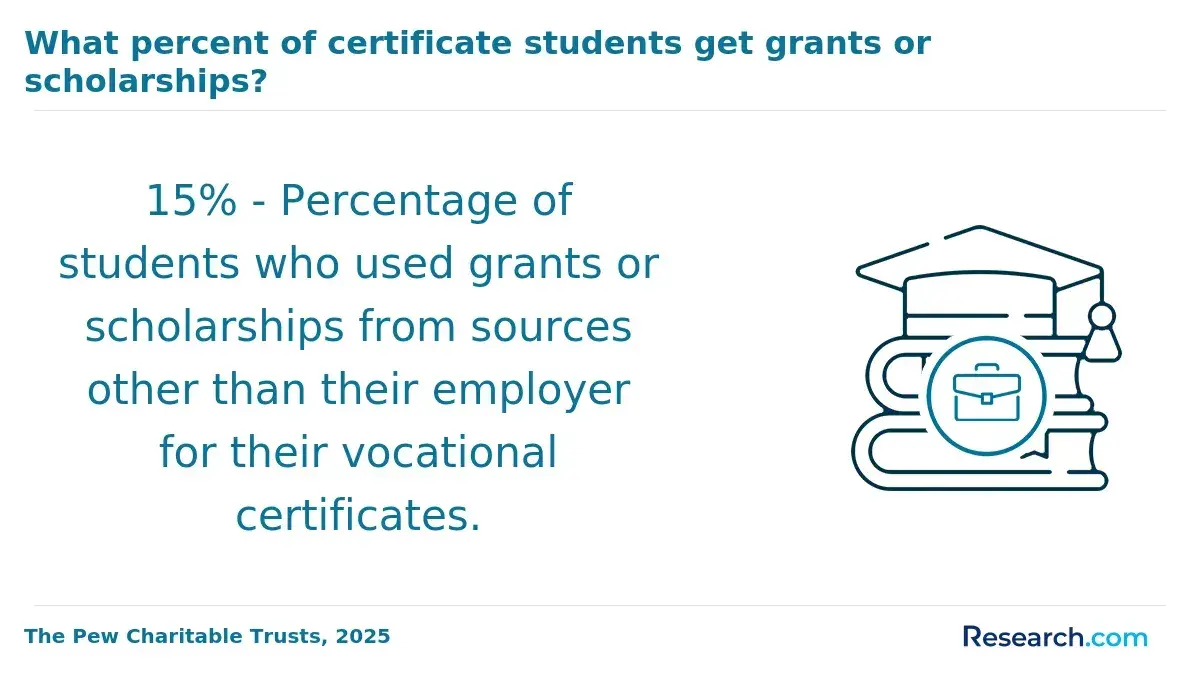
Tuition costs for engineering technology programs with placement support can range significantly-typically from around $10,000 annually at public institutions to more than $30,000 at private or specialized schools. Programs featuring dedicated placement staff, clinical coordination, and employer partnership management may include additional fees or surcharges to fund these vital services. These costs reflect the institution's investment in providing hands-on practicum opportunities aligned with licensing requirements and employer expectations.
When assessing program costs, prospective students should evaluate net cost rather than sticker price, factoring in aid, assistantships, and employer contributions. Programs with extensive placement infrastructure often report higher graduate employment rates and quicker job placement-advantages that can justify higher tuition by enhancing return on investment and earning potential. Institutional data commonly show that graduates from programs with structured clinical support attain industry licensure more efficiently and secure higher starting salaries.
Comparing total cost of attendance-including fees and living expenses-while weighing placement infrastructure value is critical. This support acts as risk mitigation, reducing time-to-completion delays and improving licensing exam readiness and practical skills. Applicants should ask specific questions about placement service design, clinical site networks, and measurable employment results to differentiate programs with effective support from those that only mention it in marketing materials. For working or place-bound students, exploring reputable online degrees can also reveal programs with solid practicum integration and placement pathways.
Students enrolled in engineering technology programs with placement support typically access a variety of practicum and clinical sites through their institution's affiliate networks. These sites often vary by discipline and career focus, providing tailored opportunities across multiple settings.
- Industrial and Corporate Settings: Opportunities at manufacturing facilities, research labs, and tech companies allow hands-on experience with industry-standard tools and workflows.
- Government Entities: Placements with agencies involved in energy, transportation, or environmental monitoring expose students to public-sector technology and regulatory frameworks.
- Healthcare Technology Centers: Medical device producers and hospital biomedical departments offer experience relevant to clinical equipment testing and maintenance, especially for biomedical technology students.
- Educational Institutions: University laboratories and technical schools often provide internships focused on instructional technology and prototyping.
- Consulting and Engineering Firms: These placements involve real-world projects across structural, electrical, or systems engineering domains.
The scope and diversity of an institution's placement network significantly shape students' professional development, enabling them to gain relevant skills aligned with their specialty or intended career path. Programs with limited or narrowly focused site options may hinder practical learning and career preparation.
Transparent programs typically provide detailed documentation about their site partnerships, such as published affiliate site lists, explicit placement success rates, and alumni outcome data to demonstrate employment or licensure achievements. These serve as indicators of a robust placement infrastructure.
Prospective students should actively inquire about the geographic reach and specialty areas of available placement sites, as network size and variety vary widely depending on institution scale, regional industry presence, and program maturity-making such due diligence critical for informed enrollment decisions.
Effective clinical supervision is vital for engineering technology students completing practicum or field placements-ensuring their experience aligns with both academic and professional criteria. Programs that rigorously vet supervisors require them to hold current credentials as mandated by accreditation bodies such as ABET or licensing boards relevant to engineering technology specialties.
- Credential Verification: Supervisors must maintain valid licensure or certification directly connected to the student's focus area-programs with strong placement frameworks confirm this before site approval.
- Supervisor Training: Beyond verifying credentials, quality programs provide supervisors with orientation and ongoing guidance to maintain consistent teaching standards.
- Site Approval and Monitoring: Robust programs conduct thorough pre-placement audits and continuously monitor supervisor performance, mitigating risks that could invalidate student hours.
- Risk Management: Without proper supervision, students risk losing counted practicum hours-potentially jeopardizing licensure eligibility and delaying career progress.
- Student Support: Effective programs create clear channels for students to raise concerns about supervision quality, ensuring prompt remedies such as reevaluation or placement changes.
- Applicant Questions:
- How does the program verify and document clinical supervisors' credentials?
- What ongoing evaluation or support is provided to supervisors?
- What procedures exist if supervisors don't meet established standards?
What Graduates Say About the Engineering Technology Programs With Placement Support for Practicum or Clinicals
- Derrick: "The placement support offered in the engineering technology program truly stood out to me-regular check-ins from coordinators ensured every practicum opportunity was tailored to my career goals in tech. I found that private institutions often provided more personalized placement assistance compared to larger public universities, which made a big difference in my readiness for licensing tasks. This hands-on approach gave me confidence and practical skills, which after graduation led directly to a role I'm passionate about."
- Arjun: "Reflecting on my time in the engineering technology program, I realize how crucial quality placement support was in bridging theory and workplace expectations-especially since licensing boards expect real-world experience. I noticed that online formats had distinct challenges with placements but were able to leverage local industry connections effectively, depending on the institution's network. For me, this meant securing a clinical practicum that aligned perfectly with my licensing requirements, helping me transition smoothly into my career."
- Elias: "As a professional who pursued engineering technology, I appreciated how placement support varies significantly by program type-campus-based programs tended to offer more structured clinicals, while some hybrid options required greater self-initiative. This difference impacts your ability to meet licensing prerequisites on time, so the placement support framework really matters. Looking back, the career outcomes for graduates with strong practicum assistance were notably better, reflecting the value of those early professional experiences."
Other Things You Should Know About Engineering Technology Degrees
Most engineering technology programs establish a dedicated placement office or coordinator to manage practicum and clinical site logistics. If a conflict arises - such as site unavailability or scheduling issues - these programs typically have backup agreements with alternative sites to ensure students complete required hours. In cases of site failure, students are promptly reassigned to another suitable location to maintain progression without delay.
Practicum and clinical placements provide hands-on experience essential for understanding real-world applications, which directly supports licensing exam success. These placements help students develop practical skills, familiarize themselves with industry standards, and meet regulatory requirements. Programs with structured placement support often include preparatory workshops that align clinical tasks with exam content, enhancing student readiness.
Most 2027 engineering technology programs require a current background check, proof of immunization if the site is industrial or lab-based, OSHA 10 or site-specific safety training, and signed liability forms before placement. Many also require a minimum 2.5 GPA and completion of prerequisite technical courses before the first site visit.
- Get experience in engineering with an internship https://gradireland.com/careers-advice/engineering/get-experience-engineering-internship
- Where to Work with an Engineering Technology Degree? | DeVry University https://www.devry.edu/blog/where-can-you-work-engineering-tech.html
- The Essential Role of Engineering Internships — R.T. Patterson Company https://rtpatterson.com/the-essential-role-of-engineering-internships/
- Estimated Tuition Fees https://tup.edu.ph/pages/admission/estimated-tuition-fees
- Financial Aid for Engineering School | All Engineering Schools https://www.allengineeringschools.com/engineering-careers/article/financial-aid/
- Engineering Work Experience - Full Guide https://www.uniadmissions.co.uk/application-guides/engineering-work-experience-guide/
- Find the Best Engineering Jobs in Phoenix with CornerStone Staffing https://www.cornerstonestaffing.com/2022/02/28/navigating-the-engineering-career-path/
- Industry placement models for Engineering and Manufacturing – T Levels and industry placement support for employers https://employers.tlevels.gov.uk/hc/en-gb/articles/4403450137618-Industry-placement-models-for-Engineering-and-Manufacturing
- Engineering Technology Degrees and Certificates https://mcckc.edu/programs/engineering-technology/index.aspx
- Engineering placements: Before placement - Advice for universities and employers - Engineering Professors Council https://epc.ac.uk/toolkit/engineering-placements-before-placement-advice-for-universities-and-employers/