2027 Engineering Technology Degree Programs That Meet State Licensure Requirements

Co-Founder and Chief Data Scientist
Many students and working professionals face the challenge of selecting an engineering technology degree program that aligns precisely with state licensure requirements. This alignment-crucial for eligibility to practice, goes beyond degree completion, involving program accreditation, mandated curriculum components, required supervised practice hours, and multi-state reciprocity rules.
Nearly 45% of candidates report delays in obtaining licensure due to enrolling in non-compliant programs offering remote or accelerated degrees.
Navigating these complexities can be overwhelming without clear criteria. This article breaks down the essential factors that ensure a program meets state licensing standards and provides a practical framework to help readers make informed decisions confidently.
Key Things to Know About the Engineering Technology Degree Programs That Meet State Licensure Requirements
- Programs must hold accreditation from recognized bodies, such as ABET, to ensure curriculum content aligns with state board requirements and industry standards.
- Degree curricula include mandated topics and supervised practice hours, often exceeding 4,000, to prepare candidates for licensure exams and real-world responsibilities.
- Understanding multi-state reciprocity rules is essential for graduates who seek licensure portability across state lines, an increasingly important factor given today's mobile workforce.
What Does It Mean for a Engineering Technology Degree Program to Meet State Licensure Requirements, and Why Does This Distinction Matter?
An engineering technology degree program that truly meets state licensure requirements is much more than just a course of study in the field.
It must be specifically designed to align with rigorous standards mandated by state licensing boards; standards that go beyond institutional marketing claims and focus on verified accreditation, curriculum content, and supervised practical experience.
State licensure is not automatic upon graduation; each state licensing board conducts its own thorough review to determine if an applicant's degree program complies with their specific criteria. This means many graduates face additional hurdles if their program was not developed with licensure alignment in mind.
The regulatory landscape for licensure is complex and varies by state and discipline, often shifting as laws and professional standards evolve. This variation makes selecting the right degree program a legally significant decision, particularly for students who seek licensure in a specific state or plan to work across multiple jurisdictions.
Evaluating engineering technology degree alignment with state licensure ensures that the program meets essential requirements, reducing the risk of future obstacles.
- Accreditation: Programs must hold accreditation recognized by state boards, demonstrating the educational quality and curriculum meet established standards.
- Curriculum Compliance: Degree content must cover mandated technical subjects and competencies that licensing bodies require for professional practice.
- Supervised Experience: Certain states require applicants to document supervised fieldwork or internships integrated into their educational program.
- State-by-State Variations: Licensure rules are not uniform-what qualifies in one jurisdiction may fall short in another.
- Licensing Board Evaluation: Boards independently assess transcripts and experience documentation instead of relying solely on institutional representations.
- Consequences of Mismatched Programs: Students who choose non-aligned programs often must complete extra coursework, repeat supervised practice, or even acquire separate credentials before licensure.
For those considering graduate options, including online learning, careful program evaluation is vital. Exploring an online master degree aligned with state licensure requirements for engineering technology programs can offer the flexibility needed without sacrificing compliance.
Asking targeted questions about accreditation, curriculum alignment, and supervised experience during admissions will help candidates avoid costly setbacks and secure a degree that meets their professional goals.
How Do State Licensing Boards Define Curriculum Requirements for Engineering Technology Programs, and Who Sets Those Standards?
State licensing boards establish curriculum standards for engineering technology degree programs in the United States through official regulatory documents such as administrative codes, licensing board rules, and program approval criteria.
These documents clearly define the mandatory coursework and competencies a program must include to qualify graduates for licensure.
Responsibility for setting these curriculum requirements varies by state. It may rest with an independent professional licensing board, a division within the state's department of education or health, or a legislative committee overseeing occupational regulations.
These entities maintain the official standards all programs must meet to have their graduates eligible for licensure.
A critical distinction exists between programs approved by licensing boards and those merely accredited by regional or national bodies. While accreditation validates educational quality, it does not always align with specific state licensure mandates.
Only formal approval by a state licensing board guarantees that a program's curriculum meets licensure requirements, underscoring its importance when evaluating programs.
Engineering technology programs typically maintain direct communication with licensing boards to demonstrate ongoing compliance.
This collaboration involves submitting curriculum plans, course syllabi, and graduate outcome documentation. Such interactions allow programs to adapt promptly to evolving requirements and sustain their approved status.
Licensing boards regularly update their curriculum standards to reflect technological advancements, shifting industry practices, and educational innovations. Programs must stay vigilant about these revisions, ensuring timely adjustments to coursework and instructional content to remain compliant and keep graduates eligible for licensure.
Most profitable degrees also consider licensure eligibility as a critical factor-this underscores why understanding state licensing board requirements for engineering technology program accreditation is essential when choosing a graduate path.

Which Accreditation Bodies Certify That a Engineering Technology Program Meets State Licensure Eligibility Standards?
For state licensure in engineering technology, accreditation is a critical factor. Regional accreditors like SACSCOC (Southern Association of Colleges and Schools Commission on Colleges) and HLC (Higher Learning Commission) validate an institution's overall credibility but do not guarantee the specific engineering technology curriculum or supervised practice components required by licensing boards.
Instead, programmatic accreditation is more directly linked to licensure eligibility, as it scrutinizes the curriculum, faculty qualifications, and hands-on training embedded within the program.
- ABET Accreditation: Recognized nationally, ABET sets rigorous standards for engineering technology programs, covering student competencies and curriculum design. Many states mandate ABET accreditation for candidates seeking licensure.
- NASNTI and Other Specialized Accreditors: In certain jurisdictions, specialized accreditors focused on applied sciences or technology may also be accepted, although these are less prevalent than ABET.
Programs undergoing accreditation must provide detailed documentation, such as course syllabi, faculty credentials, and evidence of supervised student practice, to demonstrate compliance.
Reviews occur every 4 to 6 years, during which any identified shortfalls require corrective action plans and follow-up assessments. Thus, current accreditation status reflects ongoing quality assurance rather than a one-time endorsement.
Given the dynamic nature of accreditation, verifying a program's active status through the accrediting agency's official online directory is crucial, rather than relying on institutional websites that may lag behind updates.
Reflecting on this, a professional who completed an engineering technology degree shared that navigating program choices was daunting until he confirmed ABET accreditation: "It wasn't just about name recognition; I needed assurance the courses matched what the licensing board expected and that practical experience was included."
"Checking the accreditor's site gave me confidence. When I contacted the school, they were forthcoming about their review cycles and improvement plans. It felt reassuring to know they didn't just get accredited once and forget about it. That transparency was key in deciding to enroll," he said.
Licensure requirements for engineering technology practitioners differ widely by state, complicating decisions for students unsure where they will practice or relocate.
These state licensure variations for engineering technology practitioners influence which degree programs will qualify candidates for licensure and can cause unexpected hurdles for graduates moving across state lines.
- Credit Hour Requirements: States set diverse minimum credit hour thresholds-Texas, for example, requires 120 credit hours with specific coursework, while North Carolina permits an associate degree with as few as 60 credit hours under certain rules.
- Curriculum Mandates: Required courses vary; Ohio prioritizes applied engineering and project management classes along with hands-on experience, whereas Florida emphasizes core sciences and ethics training within its licensing criteria.
- Supervised Experience Thresholds: The amount of supervised, progressive work experience needed also fluctuates. California demands four years under a licensed engineer, while Georgia accepts just two years to qualify for licensure.
- Acceptable Degree Levels: Some states require a bachelor's degree-Illinois, for instance-while others allow associate degrees combined with experience, like Arizona's board rules.
This variability means a program meeting one state's standards may not qualify in another, directly affecting careers if professionals move. Prospective students exposed to the impact of state licensing differences on engineering technology program selection should research their target state's regulations carefully.
Verifying that programs align with specific state requirements is critical-national accreditation alone does not ensure licensure eligibility.
By examining state-specific requirements and consulting licensing boards early, candidates can make informed choices for programs that support their career plans-even those researching online universities that are accredited across this complex regulatory landscape.
State licensing boards often outline curriculum mandates for engineering technology degree programs using one of three methods-specific course titles, minimum credit hours within designated subjects, or competency outcomes aligned with industry and ethical standards.
These variations reflect differences in how states regulate licensure eligibility, requiring graduates to demonstrate proficiency across foundational knowledge areas.
- Mathematics: Applied math courses such as calculus, algebra, and statistics are essential for problem-solving and design tasks.
- Physical Sciences: Classes in physics and chemistry provide the scientific basis that underpins many engineering applications.
- Core Engineering Technology: Hands-on instruction covering materials science, CAD, manufacturing methods, and instrumentation equips students for practical technical challenges.
- Systems and Controls: Training in electronics, control systems, and systems analysis prepares students to understand complex operational environments.
- Communication and Ethics: Coursework emphasizing professional communication, technical writing, and ethical responsibilities fosters workplace readiness.
- Capstone or Applied Projects: Integrative projects or supervised practicums are commonly required to validate applied skills.
Programs interpret and present these requirements differently, some transparently linking courses to licensure criteria, others less so.
Since many updates to curricular mandates, over 65% of states revised theirs within the past five years, occur frequently, students should directly request explicit mappings between program coursework and licensing board expectations. This practice mitigates the risk of enrolling in a program misaligned with state regulations.
A professional who built her career after completing an engineering technology degree recalls the uncertainty she faced in verifying whether her program met her home state's licensing standards. "The hardest part wasn't the coursework itself but figuring out how it matched the board's specific requirements," she explained.
She emphasized that requesting detailed curriculum-to-licensure equivalence from admissions advisors was invaluable, helping her avoid surprises during credential evaluation. This clarity, she reflected, gave her confidence to pursue licensure without unnecessary delays or extra classes.
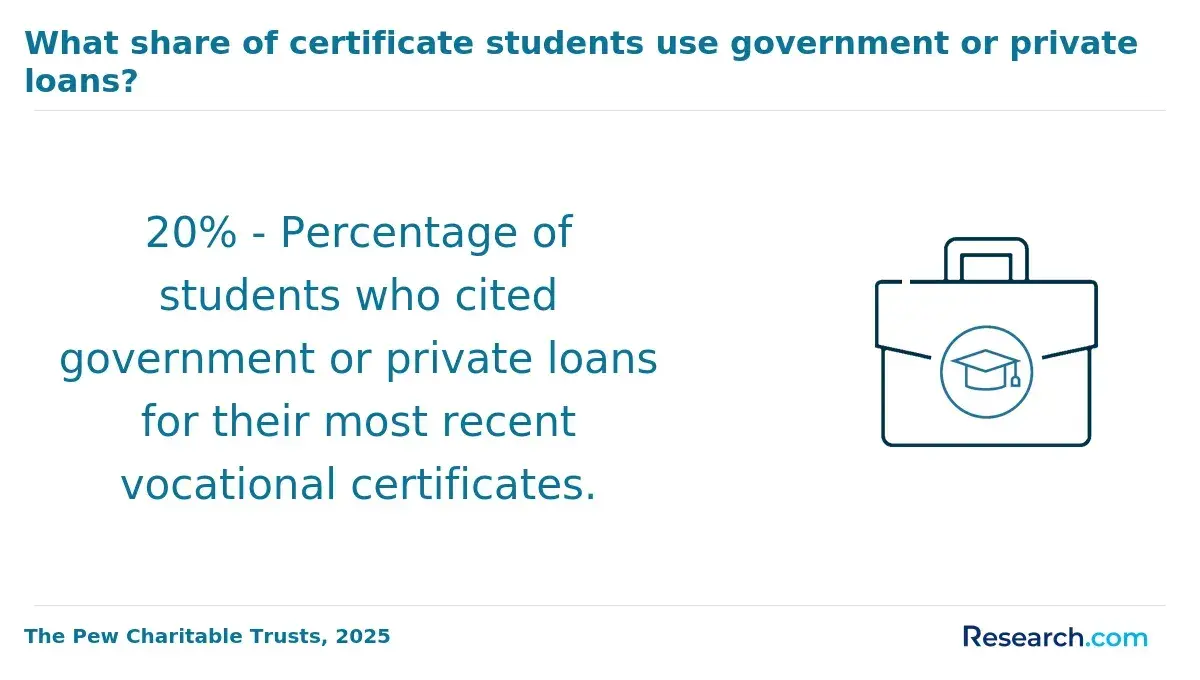
State licensing boards require engineering technology graduates to complete specific supervised practice hours to ensure practical competency before licensure.
These hours often include both pre-degree experiences, typically between 600 to 1,200 hours embedded within academic programs through internships or co-op placements, and post-degree supervised work, commonly ranging from 1,000 to 4,000 hours under licensed professionals' guidance.
- Field Experience Structure: Programs tailor their practical training to meet exact state licensing board criteria, not just general accreditation, placing students in approved environments such as engineering firms, manufacturing facilities, or infrastructure projects under strict supervision-usually one licensed engineer for every five candidates.
- Documentation Standards: Detailed logs and evaluations from supervisors are essential to verify completed hours and skill levels, creating a formal record for licensure applications.
- Risks of Noncompliance: Hours gained under unrecognized supervision or outside approved settings risk being invalidated by boards, forcing costly and time-consuming repetition after graduation.
- Verification Advice: Prospective students should seek explicit, written confirmation from both their educational institution and the state board that practice hours will satisfy licensure prerequisites before enrollment.
- Recent Trend: According to the National Society of Professional Engineers, many states are increasing their supervised hour requirements to reflect growing industry demands, emphasizing the importance of aligned program design.
After submitting their applications, engineering technology graduates face a state licensing board review that carefully assesses whether their degree program satisfies mandated educational standards. This evaluation relies on several critical documents to verify eligibility, including:
- Official Transcripts: Confirming degree completion and detailed coursework.
- Course Descriptions: Curricula syllabi or outlines to ensure alignment with state requirements.
- Practicum or Internship Logs: Documentation of hands-on training hours essential for licensure.
- Program Approval Letters: Written proof from the institution verifying compliance with licensure guidelines.
Programs that maintain clear licensure alignment documentation typically help graduates avoid delays or application denials by streamlining verification. Many such schools even assign staff to assist students in compiling these materials effectively.
If the licensing board identifies gaps-like insufficient coursework or practical hours-graduates may be required to complete additional steps, including:
- Board-approved supplementary coursework.
- Challenge exams testing required competencies.
- Extended supervised work experience until requirements are met.
Prospective students should directly inquire about their program's licensure application approval rates and whether dedicated personnel support the application process. Transparency here is crucial for avoiding surprises.
A 2023 National Society of Professional Engineers report found that nearly 70% of engineering technology graduates from programs actively supporting licensure alignment obtained professional licensure within two years-demonstrating the tangible benefits of thorough program support.
Many engineering technology degree programs-including some accredited ones-fail to satisfy state licensing board requirements because of several hidden pitfalls that students rarely notice until applying for licensure.
A common failure is curriculum gaps, where programs omit crucial content areas mandated by the state, such as ethics or specialized technical subjects required for eligibility.
Another frequent problem involves insufficient credit hours in required specialization domains, leaving graduates short of the mandated coursework and supervised practice hours essential for licensure eligibility.
- Accreditation Lapses: Even programs with initial accreditation can lose or fail to maintain the current programmatic accreditation that state boards require, often leaving degrees unsupported for licensure.
- Unqualified Site Supervisors: Practical training supervisors lacking credentials recognized by the licensing boards may invalidate fieldwork components that are critical for licensure.
- Failure to Update Curriculum: When state licensing rules change, programs that delay updating their courses and policies risk becoming noncompliant without informing students.
These issues frequently remain invisible to prospective and even enrolled students until the licensure application stage, where they become costly and difficult to resolve.
To avoid such traps, students should verify program approval by directly contacting their state licensing board and reviewing its official published list of state-approved programs. Asking specific questions about curriculum content, credit hours, supervisor qualifications, and accreditation status during admissions consultations is vital.
Additionally, considering reciprocity agreements between states can help those planning to work across state lines confirm multi-state licensure compatibility.
Students choosing online or remote programs, such as real estate schools online, should be especially diligent, as some programs lack proper state-approved accreditation for engineering technology degrees or fail to meet required supervised practice hours for licensure eligibility. Due diligence at the outset can save significant time, money, and frustration down the road.
Online engineering technology degree programs face significant regulatory challenges in ensuring graduates meet diverse state licensure requirements. Each state establishes its own rules, yet many programs enroll students from multiple jurisdictions simultaneously-creating complex compliance demands.
Well-resourced programs adopt targeted strategies to manage multistate licensure requirements for engineering technology online degrees effectively.
- State-Specific Curriculum Tracks: Programs tailor curricula to satisfy individual states' licensure mandates, including credit hours, content areas, and supervised practice requirements.
- Enrollment Restrictions: Some programs limit enrollment to students in states where licensure alignment is verified, ensuring credentials are recognized by home state boards.
- Regulatory Partnerships: Collaborations with legal and regulatory experts enable ongoing, real-time monitoring of changes in state licensure rules-covering curriculum updates, exam prerequisites, and experiential training mandates.
- Disclosure Obligations: Online programs operating across state lines must often disclose specific licensure alignment details before admitting students, frequently under agreements like the State Authorization Reciprocity Agreement (SARA). This transparency clarifies acceptance of credentials for licensure in a student's state.
- Student Guidance: Prospective students should request detailed state-specific licensure disclosure documents and avoid enrolling based on general assurances. Confirming explicit program commitments to licensure alignment in their particular state avoids costly delays or ineligibility.
Understanding these controls allows students to critically evaluate online engineering technology degree programs-not merely through marketing but via licensure eligibility criteria that protect their investment of time and resources.
Students interested in graduate options may find value consulting resources similar to those outlining affordable degrees-such as the recently available masters in history-to understand how online programs vary considerably in alignment with regulatory and licensure standards nationwide.
Graduates who realize their engineering technology degree does not meet their state's licensure criteria often face significant hurdles that disrupt their career progression.
- Administrative Challenges: States require degrees from accredited programs that follow specific curricula. Falling short means denied exam eligibility and demands for extra transcripts, paperwork, or proofs of additional coursework.
- Financial Burdens: Closing curriculum gaps typically requires enrolling in post-degree certificate or bridging programs at full tuition cost-without financial aid-and paying fees for retaking licensure exams or reapplication.
- Career Impact: Unlicensed graduates cannot legally work in their field, limiting job opportunities and income growth. Delays also reduce valuable experience time, hindering long-term advancement.
- Remediation Options:
- Joining state-approved post-degree certificate or bridging courses targeting licensure deficiencies.
- Completing supervised work hours, where allowed, to compensate for academic gaps.
- Seeking licensure in a state with less restrictive rules, though this may complicate credential transfer later.
- Practical Realities: Each path demands trade-offs in money, time, and professional disruption-post-degree courses often cost thousands and take months; supervised hours require qualified oversight and extended commitment.
- Program Accountability: While some programs bear ethical duties to maintain licensure alignment, legal remedies for graduates are scarce. Verifying accreditation and licensure standing before enrollment remains the best safeguard against costly surprises.
Interstate reciprocity agreements and licensure compacts, like the Counseling Compact and the Nurse Licensure Compact, shape the mobility of licenses across states.
For Engineering Technology practitioners, such agreements remain limited, requiring many to navigate individual state licensure boards when relocating.
- Reciprocity Eligibility: A license from one state may be accepted in another only if the degree program meets educational standards of both states-not merely the original licensing state. This ensures consistent competency and eases license recognition.
- Compact Participation: Not all states take part in every compact, and some Engineering Technology specialties lack formal multi-state agreements, prompting graduates to pursue separate endorsements or reapply for licensure in each state.
- Degree Program Design: Programs aligned with multi-state licensure criteria-accreditation, curriculum content, and supervised practice hours-increase graduates' chances of smooth license transfer.
- Limitations: Even with compacts, variations in state law, renewal processes, and certifications may hinder full reciprocity. Careful due diligence before relocating is essential.
- Practical Guidance: Students intending to practice across states should ask admissions about reciprocity compatibility to avoid unexpected licensing challenges after graduation.
Recent data reveals that while over 30 professions benefit from interstate compacts, Engineering Technology is on the verge of broader multi-state cooperation, which could significantly improve licensure portability soon.
What Graduates Say About the Engineering Technology Degree Programs That Meet State Licensure Requirements
- Derrick: "Completing my engineering technology degree was a rewarding challenge-especially because the program had to meet strict state licensure requirements. The accreditation process ensured the curriculum was comprehensive and aligned with industry standards, which gave me confidence that my education was meaningful. I also appreciated how the supervised practice hours prepared me for real-world applications, making the transition into my career much smoother."
- Hannah: "Reflecting on my time in the engineering technology program, I realize how critical it was that the curriculum satisfied licensure mandates set by state boards. Beyond coursework, the supervised practice hours were indispensable-they pushed me to apply theory under expert guidance. Another important aspect was understanding multi-state reciprocity-knowing my degree would be recognized across states broadened my career options significantly."
- Miguel: "From a professional standpoint, earning an engineering technology degree that complies with state licensure requirements is essential for credibility. The emphasis on accreditation means you're building skills endorsed by regulatory authorities-which employers value highly. I found the requirement to complete supervised practice hours demanding but invaluable, and the insight into multi-state reciprocity helped me navigate obtaining licensure in different regions seamlessly."
Other Things You Should Know About Engineering Technology Degrees
Most state boards look for ABET accreditation, especially programs accredited by the Engineering Technology Accreditation Commission. Some states also require a specific program content review, such as a minimum of 24 semester hours in math and basic sciences. Applicants should confirm the exact board rules before enrolling.
State licensure requirements can change due to updated regulations or new accreditation standards. Students enrolled in ongoing programs should maintain close contact with academic advisors to ensure their coursework and practicum hours remain compliant. Some schools offer transitional guidance or curriculum adjustments to keep students aligned with current licensure mandates, but gaps may require additional coursework or training after graduation.
Costs vary widely depending on the institution, but licensure-qualifying programs commonly take two to four years for completion. Associate degree programs may qualify for some technician-level licensure, while bachelor's degrees are often required for professional engineering technology licensure. Tuition ranges broadly-from community college rates to those of four-year universities-and should be weighed alongside potential additional fees for practicum placement and licensure exam preparation.
- Unequal paths for engineers https://archive.investigativereportingworkshop.org/investigation/engineerings-unequal-paths/
- Engineer Licensed in Another State https://www.illinoisengineer.com/engineer-licensed-in-another-state.html
- GovCore > Bridging the Gap: Interstate Compacts and Reciprocity Agreements in Occupational Licensing https://www.getgovcore.com/resources/bridging-gap-interstate-compacts-reciprocity-agreements-occupational-licensing
- From the Executive Director: Avoiding Common PE Application Problems - Florida Board of Professional Engineers https://fbpe.org/avoiding-common-pe-application-problems/
- Criteria for Accrediting Engineering Technology Programs, 2025 - 2026 - ABET https://www.abet.org/accreditation/accreditation-criteria/criteria-for-accrediting-engineering-technology-programs-2025-2026/
- Online Engineering Degree Programs https://asuengineeringonline.com/online-engineering-degree-programs
- Professional Engineer License Requirements | Insureon https://www.insureon.com/blog/engineer-licensing-requirements
- EIT Accreditation - Short Engineering Courses https://www.shortengineeringcourses.com/why-eit/accreditation/