2027 Does an Online Engineering Technology Degree Qualify You for Licensure?

Co-Founder and Chief Data Scientist
Many career changers consider enrolling in an online engineering technology degree program to gain flexibility while advancing their skills. Yet, questions about whether these online credentials satisfy licensure requirements remain common. Approximately 60% of engineering technologists work in fields where state licensure or certification impacts career progression.
Since licensure often demands accredited education, supervised work experience, and passing rigorous exams, understanding the compatibility of online degrees with these standards is crucial. This article examines if an online engineering technology degree qualifies graduates for licensure and highlights key factors students should evaluate before committing to such programs.
Key Things to Know About Online Engineering Technology Degree Licensure Qualifications
- Accreditation by ABET or similar bodies ensures an online engineering technology degree meets educational standards required for professional licensure in most states.
- Licensure eligibility varies widely by state, with some requiring degrees from specific approved programs or additional exams beyond the online curriculum.
- Completion of clinical, practicum, or supervised work experiences is often mandatory for licensure, impacting graduates from online programs lacking hands-on components.
Does an Online Engineering Technology Degree Qualify You for Licensure?
Online education has become increasingly prevalent in fields that lead to professional licensure, reflecting both advances in digital learning and broader acceptance by regulatory authorities. Enrollment in online degree programs grew by more than 30% between 2015 and 2020, indicating rising confidence in remote education pathways. This trend includes online engineering technology degree programs that many students pursue as a route toward licensure. Understanding the relationship between these programs and licensure eligibility requires consideration of several key factors.
Whether an online engineering technology degree qualifies for licensure depends largely on how well the program meets established educational standards rather than its delivery mode. Critical factors include institutional recognition, a structured curriculum covering essential competencies, and the inclusion of practical or lab components required by licensure boards. Graduates should ensure their online program satisfies or exceeds licensing requirements, as licensure eligibility hinges on meeting these standards. Prospective students may also explore options among online colleges that accept FAFSA for affordable accredited programs that align with these goals.
Which Engineering Technology Careers Require Professional Licensure?
Professional licensure in certain engineering technology careers is vital to protecting public safety through verified competence, ethics, and professionalism. Nearly 60% of engineering technologists pursuing advanced roles seek licensure to unlock broader career opportunities and meet stringent industry standards. Below are key engineering technology careers where licensure is commonly required to legally practice or provide services.
- Civil Engineering Technologists: These professionals support infrastructure projects like roads and bridges. Licensure ensures compliance with safety regulations and engineering standards, preventing structural failures and protecting public welfare.
- Electrical Engineering Technologists: Engaged in designing and testing electrical systems, licensure certifies their ability to uphold critical safety protocols and electrical codes necessary to avoid accidents and maintain power reliability.
- Environmental Engineering Technologists: Responsible for managing pollution control and sustainability efforts, licensed environmental technologists have validated expertise to safeguard public health and natural resources.
- Manufacturing Engineering Technologists: Those overseeing manufacturing processes pursue licensure to demonstrate adherence to industrial safety standards that minimize workplace risks.
- Surveying Technologists: Since surveying affects legal property boundaries, licensure helps assure authorized, accurate measurements that underpin land use and ownership rights.
When speaking with a graduate holding an engineering technology degree who recently pursued licensure, he described the rigorous journey as "both daunting and rewarding." He noted that understanding the responsibility tied to licensure was eye-opening, emphasizing how it elevated his confidence in delivering work that met recognized safety and quality benchmarks. "The process wasn't just about passing exams," he explained, "but about committing to uphold standards that impact real-world safety and legal matters." This direct experience highlights why professional licensure remains a crucial element in several engineering technology fields.

What Accreditation Is Required for Engineering Technology Licensure?
Accreditation is a key factor in confirming whether a graduate of an online engineering technology program meets the educational criteria for professional licensure. Programs accredited by recognized agencies typically produce higher licensure exam pass rates-around 80% for ABET-accredited programs-demonstrating their effectiveness in preparing students for certification. Below are several primary accreditation bodies that influence licensure eligibility in engineering technology fields.
- ABET (Accreditation Board for Engineering and Technology): ABET is widely regarded as the leading accrediting agency for engineering technology programs. Its comprehensive evaluation ensures curricula meet rigorous academic and professional standards, directly supporting graduates' qualification for licensure.
- AACET (Accreditation Agency for Engineering and Technology): AACET emphasizes practical, industry-relevant skills in engineering technology education. Its accreditation validates program quality and assists licensing boards in verifying that the education aligns with professional competencies.
- NAIT (National Association of Industrial Technology): NAIT accreditation focuses on industrial technology programs, helping maintain standards specific to this sector. It plays a role in licensure recognition, particularly for specialized areas within engineering technology.
- The Higher Learning Commission (HLC): Although HLC accredits institutions rather than individual programs, its regional accreditation assures minimum quality requirements, which supports the acceptance of engineering technology degrees for licensure purposes.
Licensure eligibility for graduates of online and traditional engineering technology programs depends heavily on varying state regulations. Nearly 30% of states enforce stricter rules on accepting online coursework toward engineering technology professional licensing requirements by state, creating inconsistency in qualification standards. This diversity influences whether an online degree meets educational prerequisites for licensure across different jurisdictions. The following discussion explores this patchwork of state licensing regulations.
Each state's board sets its own criteria for licensure, often differing in how they assess the approval of online programs and educational content. Some states require degrees from regionally accredited institutions or mandate certain in-person components, limiting the recognition of fully online engineering technology degrees. These state-specific engineering technology licensure regulations impact both initial licensure and later professional mobility, as acceptance in one state does not ensure approval in another. Prospective students should carefully evaluate state rules to align their educational plans with their intended licensure locations and career paths, just as they might compare affordability among programs, such as consulting resources for affordable online executive MBA programs.
Online engineering technology programs carefully design their curricula to satisfy licensure education standards. Reflecting the rise in remote learning, a 2022 survey found more than 40% of undergraduate STEM students took at least one online course, showing growing acceptance of these formats. Below are common online course categories essential for engineering technology licensure eligibility.
- Foundational Theory: These courses cover critical subjects like mathematics, physics, and materials science, ensuring students grasp the core scientific principles necessary for engineering technology practices.
- Applied Practice: Focused on the use of industry-standard tools, software, and hands-on techniques, these classes equip students to apply theoretical knowledge in practical, real-world engineering scenarios.
- Professional Ethics: Ethics education addresses the responsibilities engineers have regarding safety, public welfare, and professional conduct, often required for licensure to promote integrity within the field.
- Research Methods: Training in data analysis, problem-solving, and project-based learning sharpens critical thinking and supports ongoing professional development vital to licensure readiness.
When discussing "What Online Courses Are Required for Engineering Technology Licensure?", a professional with an engineering technology degree shared her experience navigating online coursework to qualify for licensure. She recalled feeling uncertain at first about whether her primarily virtual education would meet board criteria but found that the structured integration of theoretical and applied courses truly reflected traditional programs. The emphasis on ethics and project-based learning, she noted, was particularly reassuring and helped build her confidence. While the process demanded discipline and self-motivation, she valued how the coursework prepared her for practical challenges in her field and reinforced the professional standards expected by licensing authorities.
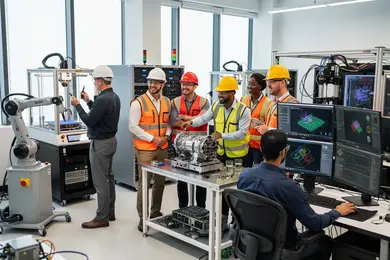
Many online engineering technology degree programs incorporate practical experience components such as internships or cooperative education to meet licensure requirements. Although the specific demand for these experiences varies, research indicates that nearly 60% of students who engage in internships improve their employment outcomes. These internships aim to provide hands-on learning that complements academic theory, helping students apply their knowledge in real-world contexts. This foundation is essential for meeting the experiential learning criteria relevant to professional licensure.
The necessity and format of internship experiences depend largely on how each program aligns with licensure and curriculum standards. Internships serve primarily as a means to develop applied skills and professional competencies, rather than simply fulfilling administrative obligations. Some online programs may offer alternatives such as virtual labs, simulation projects, or industry collaborations to achieve similar experiential goals. Ultimately, the value of practical engagement in these programs is measured by how well it prepares candidates for licensure through meaningful, relevant experience.
Licensing exams serve as a standardized measure of competency for both online and traditional Engineering Technology graduates. According to the National Society of Professional Engineers, the pass rate for these licensure exams is approximately 60% on the first attempt, emphasizing the tests' rigor. The following points highlight essential elements of how licensing exams function for online Engineering Technology graduates seeking professional licensure.
- Eligibility Requirements: Candidates must hold a degree that meets specific educational standards, many of which are fulfilled by accredited online Engineering Technology programs. Meeting these criteria is mandatory to qualify for exam participation.
- Exam Content: Tests typically cover core subjects such as mathematics, applied engineering principles, design, ethics, and problem-solving skills. This ensures candidates demonstrate both theoretical understanding and practical knowledge.
- Preparation Methods: Exam preparation is mostly self-guided, utilizing study guides, practice exams, and review courses. Online graduates benefit from virtual resources and remote study groups tailored to the licensing exam requirements.
- Testing Administration: Exams are conducted at authorized testing centers under standardized conditions. Increasingly, secure online proctoring options are available, offering convenience and integrity for remote examinees.
Verifying whether an online engineering technology program aligns with professional licensure requirements is a critical step for students planning their careers. Research shows that nearly 30% of students select programs that fail to meet licensure eligibility, making thorough verification essential. Below are key methods to determine if an online engineering technology degree supports licensure goals.
Official Program Disclosures: Many accredited programs provide clear statements about their recognition by educational or licensure authorities. Reviewing these disclosures helps students confirm if the program meets the necessary standards to support licensure.
Institutional Accreditation: Ensuring the school offering the program is properly accredited by reputable agencies is vital. This often signals that the program complies with industry expectations and licensure requirements and can be verified through the institution's website or trusted educational databases when you verify online engineering technology program accreditation.
Licensing Board Requirements: Although requirements vary by state, consulting relevant licensing boards offers guidance on acceptable degrees and program criteria. Checking these boards' websites or contacting them directly can clarify whether the degree satisfies educational prerequisites to check licensure eligibility for engineering technology graduates.
Program Outcomes: Confirming graduation rates, job placement statistics, and licensure pass rates provides insights into program quality. Programs sharing such data often better prepare students for licensure pathways and employment success.
For students exploring options beyond engineering technology, investigating an online masters in construction management may also be worthwhile.
Licensure pathways for online engineering technology students can be more complex than for traditional students due to variable state licensure requirements for online engineering technology degrees and program differences. A recent survey indicates that only about 55% of candidates with online engineering technology degrees clear initial licensure eligibility on their first attempt, highlighting obstacles tied to online educational pathways. Below are key challenges these students often confront.
- Varied Program Expectations: Licensing boards differ in how they evaluate online degree programs, making it difficult for students to ensure their curriculum aligns with specific board criteria. This inconsistency can delay or complicate licensure approval.
- Documentation Requirements: Applicants must produce detailed proof of coursework and experiences to meet licensure standards. Online students face hurdles documenting that their program fulfills technical and experiential benchmarks due to diverse credit distributions and institutional structures.
- Program Alignment: Confirming that an online engineering technology program meets professional licensure standards is often unclear before enrollment. Many programs vary widely in how well they prepare students for credentialing across states.
- Eligibility Pathways: Understanding additional licensure requirements beyond the degree, such as work experience or supplemental courses, presents a challenge. These eligibility details can differ by program design or state regulations, adding complexity for online learners.
- Educational Planning: Prospective students may also find it difficult to identify programs optimized for licensure preparation, which can affect their confidence in meeting all criteria needed for professional recognition.
For those exploring related fields or considering additional credentials, resources like bookkeeping certification programs provide valuable comparative insights into certification pathways beyond engineering technology.
Perceptions of online education in licensed professions have shifted notably over recent years. Once met with skepticism, online degrees now enjoy wider acceptance as legitimate credentials. A 2022 survey found that 67% of employers view online degrees from accredited institutions as equivalent to traditional programs. This evolving attitude invites closer attention to the recognition of online engineering technology degrees in licensed professions.
Respect for online engineering technology degrees typically hinges on the program's quality, learning outcomes, and the graduate's demonstrated competencies rather than its mode of delivery. As acceptance grows, these degrees increasingly meet expectations for professional licensure eligibility. Graduates from reputable programs can compete effectively with campus-educated peers. For those comparing options, exploring resources about online masters in mental health counseling illustrates broader acceptance trends for online degrees across licensed fields.
What Graduates Say About Online Engineering Technology Degree Licensure Qualifications
- Derrick: "Choosing to pursue an online engineering technology degree was initially about balancing work and study, but I quickly realized it also opened doors for licensure opportunities that I hadn't considered. The flexibility of online learning allowed me to focus deeply on understanding the practical aspects required for professional certification. Today, holding a licensure has given me confidence and credibility, dramatically enhancing my career growth in the field."
- Arjun: "When I started my online engineering technology program, I was unsure if it would qualify me for licensure compared to traditional routes. Reflecting back, the program's accreditation and the curriculum aligned well with licensure board requirements, which made the process smoother than expected. Earning my license has been pivotal in establishing my expertise and has expanded my professional network significantly."
- Elias: "From a professional standpoint, I saw pursuing an online engineering technology degree as a strategic move toward licensure, especially given my demanding job schedule. The focused coursework and accessible online resources provided a solid foundation to prepare for licensing exams. Holding a license now allows me to take on more complex projects and advance into leadership roles with greater authority."
Other Things You Should Know About Engineering Technology Degrees
Engineering technology graduates usually begin with the NCEES Fundamentals of Engineering exam, then complete supervised experience before the Principles and Practice of Engineering exam. Many state boards require 4 years of qualifying experience for a bachelor’s degree, but some allow 5 years for engineering technology degrees.
Yes, relevant work experience can enhance licensure eligibility, especially if the online program has limited practical training. Many licensing authorities accept professional experience as a substitute or complement to academic requirements, provided it aligns with the competencies needed for licensure.
No, a regionally accredited online engineering technology degree can fulfill educational requirements for licensure just like an in-person degree. The critical factor is that the program meets the licensing board's standards for curriculum quality and accreditation, regardless of delivery format.
- Engineering Technology Jobs | DeVry University https://www.devry.edu/blog/engineering-technology-jobs.html
- Licensure | NCEES https://ncees.org/licensure/
- Online Engineering Degrees | Jumpstart Your Engineering Career https://www.oedb.org/rankings/online-engineering-programs/
- Licensure, Registration & Certification - ABET https://www.abet.org/accreditation/what-is-accreditation/licensure-registration-certification/
- Licensure and Qualifications for Practice https://www.nspe.org/nspe-advocacy/explore-issues/professional-policies-and-position-statements/licensure-qualifications
- Professional Engineer Licensing https://www.harborcompliance.com/engineer-license-requirements-registration
- Engineering Industry Article https://rocketcert.com/engineering-pdh
- Recognizing the Value of Engineering Technology Degrees In Licensure https://www.pemagazine-digital.com/pemagazine/issue_4_2024/MobilePagedArticle.action
- Status Checker https://evalcompany.com/status-checker/
- Free online Technology / Engineering courses | OpenLearn - Open University https://www.open.edu/openlearn/education-development/university-ready/free-online-technology-engineering-courses