2027 Engineering Technology Degree Jobs That Do Not Require Licensure

Co-Founder and Chief Data Scientist
What career options are available for graduates with an engineering technology degree seeking jobs without licensure? Many recent graduates and career changers prioritize entering the workforce quickly while avoiding lengthy licensing procedures. Approximately 45% of engineering technology professionals find roles that do not require professional licensure but value practical skills and technical expertise. These alternative career paths offer opportunities in manufacturing, quality control, technical sales, and project coordination.
Understanding these non-licensed careers can help graduates leverage their skills effectively. This article explores engineering technology degree jobs that do not require licensure and highlights potential career outcomes for those pursuing this route.
Key Benefits of Engineering Technology Degree Jobs That Do Not Require Licensure
- Absence of licensure allows engineering technology graduates to enter the workforce faster, reducing barriers to employment and accelerating career start times by months or even years.
- Diverse industries such as manufacturing, construction, and telecommunications offer roles without licensing, providing broader job accessibility and flexibility across multiple sectors.
- Working in non-licensed positions helps graduates develop transferable technical and project management skills, fostering early professional experience that supports sustained career advancement.
What Jobs Can You Get With a Engineering Technology Degree Without Licensure?
Graduates with an engineering technology degree can find a variety of technical roles that do not require professional licensure, allowing them to enter the workforce more quickly and with less regulatory burden. Employment in technician-related occupations is expected to grow by 4% from 2022 to 2032, signaling steady demand for these skills. Below are common non-licensed career paths that make use of the practical knowledge gained in engineering technology programs.
- Engineering Technician: This role supports engineers by performing tests, gathering data, and maintaining essential equipment. The hands-on training received through an engineering technology degree equips graduates with the technical skills needed to assist in design and manufacturing processes without requiring a license.
- Quality Control Inspector: Inspectors examine products and materials to ensure they comply with standards and regulations. An engineering technology education provides critical understanding of systems and measurement techniques, helping inspectors maintain accuracy and uphold quality without the need for professional licensure.
- CAD Technician: CAD technicians create detailed technical drawings and plans using computer-aided design software, aiding engineers and architects in product development. Proficiency in drafting software and design principles taught in an engineering technology program enables success in this role without certification.
- Manufacturing Technician: Working on the factory floor, these technicians optimize production processes and troubleshoot machinery issues. Engineering technology graduates apply their knowledge of process control and equipment operation to enhance efficiency without holding a professional license.
- Field Service Technician: Responsible for installing, maintaining, and repairing technical equipment at client sites, field service technicians rely on practical skills learned during their studies. This position demands problem-solving abilities and technical expertise achievable through an engineering technology degree without licensure.
A degree in engineering technology opens pathways into numerous practical careers that emphasize applied skills over professional licensure credentials. For those considering advanced education options that build on such degrees, exploring 1 year PhD programs online free can provide flexible, accelerated routes toward higher qualifications.
Which Industries Hire Engineering Technology Graduates Without Licensure?
Many industries prioritize practical skills and applied knowledge from engineering technology graduates over formal licensure credentials. Approximately 60% of engineering technicians work in roles that do not require a professional engineer license, reflecting a trend toward valuing transferable technical expertise. Below are key industries that actively hire these graduates without the need for licensure.
- Manufacturing: This sector relies on engineering technology graduates to enhance process optimization, quality control, and equipment maintenance. Their hands-on skills contribute to improving production efficiency without involving licensed engineering oversight.
- Construction: Graduates support project management, materials testing, and construction inspections, focusing on executing plans and ensuring compliance with specifications. While licensed engineers handle design and safety, these professionals provide vital technical implementation at job sites.
- Telecommunications: Engineering technology professionals assist with network installation, maintenance, and troubleshooting. Their expertise with electronics and communication systems allows them to work effectively without the need for licensure usually reserved for regulatory compliance and system design roles.
- Energy: Within utilities and renewable energy companies, they take on roles such as equipment testing, system monitoring, and technical support. Their applied knowledge ensures smooth operations and maintenance, supporting energy production where licensure is not mandatory.
What Entry-Level Jobs Are Available Without Engineering Technology Licensure?
Many industries provide entry-level roles that emphasize practical skills and foundational knowledge over formal licensure. For graduates with an engineering technology degree, this opens doors to various positions where hands-on experience is valued. Employment in technician roles is expected to remain stable, with a modest growth rate in the coming decade according to labor forecasts.
- Engineering Technician: Engineering technicians support engineers by helping develop and test prototypes, gather performance data, and carry out routine technical tasks. Degree programs prepare graduates to operate diagnostic instruments and software effectively, enabling them to contribute immediately without needing a professional license.
- CAD Drafter: These professionals create detailed digital drawings and blueprints for products or construction projects. Proficiency in CAD software, gained through engineering technology studies, allows them to deliver accurate and efficient design support without requiring licensure.
- Quality Control Inspector: Inspectors monitor production processes to verify that items meet design specifications and quality standards. The background in engineering technology equips graduates to interpret technical requirements and perform thorough inspections independently.
- Field Service Technician: Responsible for installing, maintaining, and troubleshooting equipment, field service technicians apply their engineering technology training to resolve mechanical and electronic issues on-site. Their practical knowledge reduces reliance on licensed professionals for everyday technical repairs.
One engineering technology degree graduate shared that securing an entry-level position without licensure required a focus on honing practical skills during internships and personal projects. Though initially uncertain about career options due to the absence of a license, he found that demonstrating hands-on competence and problem-solving abilities during interviews was crucial. He noted, "It wasn't about having a certificate on the wall but showing I could handle real-world technical challenges right away." This approach helped him navigate early job opportunities more confidently and reinforced the value of a skills-based foundation in the field.
Salary levels for non-licensed roles in engineering technology vary widely, influenced by factors such as industry demand, technical skill, leadership duties, and business impact. Many non-licensed positions, particularly those requiring specialized knowledge, offer competitive compensation, with engineering technicians earning a median annual wage around $67,000. The following roles highlight some of the top non-licensed engineering technology career salaries.
- Manufacturing Engineer: These professionals enhance production efficiency and streamline manufacturing processes using their engineering technology expertise. With salaries typically between $65,000 and $95,000, they command high earnings without needing professional licensure due to their focus on implementation over design approval.
- Sales Engineer: Combining technical product knowledge and communication skills, sales engineers translate complex details for clients. Their ability to influence purchasing decisions supports salaries often ranging from $70,000 to $100,000 or more without requiring licensing.
- Field Service Engineer: Responsible for installation, maintenance, and repair of advanced equipment, field service engineers leverage hands-on technical skills, earning between $55,000 and $85,000. Their role emphasizes practical support rather than licensed design work.
- Application Engineer: They customize technical solutions to meet client needs, blending problem-solving with engineering technology insight. Salaries generally fall between $65,000 and $95,000, reflecting the role's implementation focus that doesn't require licensure.
- Quality Control Engineer: Overseeing product standards and inspections, quality control engineers earn about $60,000 to $90,000. Their work prioritizes ensuring defect-free outputs by applying technical knowledge without engaging in licensed engineering design.
For those exploring educational opportunities related to these careers, including options for affordable programs, consider reviewing CACREP accredited schools.
Employers frequently emphasize practical skills and adaptability when hiring graduates without professional licenses in engineering technology roles. A recent survey by the National Association of Colleges and Employers (NACE) reveals that 92% of employers prefer candidates who are eager to learn and adjust to new technological advancements. The following competencies are especially important for enhancing job prospects without licensure.
- Technical Software Proficiency: Mastery of computer-aided design (CAD) and other relevant engineering software is crucial. These tools enable graduates to develop precise models and drawings, which facilitate collaboration and increase efficiency across multidisciplinary teams.
- Analytical Problem Solving: The ability to diagnose issues, troubleshoot systems, and implement effective solutions is indispensable. This skill supports continuous improvement and helps maintain smooth operations in diverse engineering environments.
- Clear Communication: Conveying complex technical information in an understandable way is vital for working alongside non-technical stakeholders and interdisciplinary teams. Skillful documentation and verbal exchanges also strengthen overall project coordination and execution.
- Quality Control Awareness: Understanding testing methods and quality standards ensures products and processes comply with safety and performance expectations. This knowledge reinforces product reliability, which is highly valued in many sectors.
- Adaptability and Lifelong Learning: Demonstrating flexibility in adopting new methods and tools keeps graduates relevant amid evolving technology trends. Employers increasingly seek individuals who proactively expand their skill sets to meet changing industry demands.
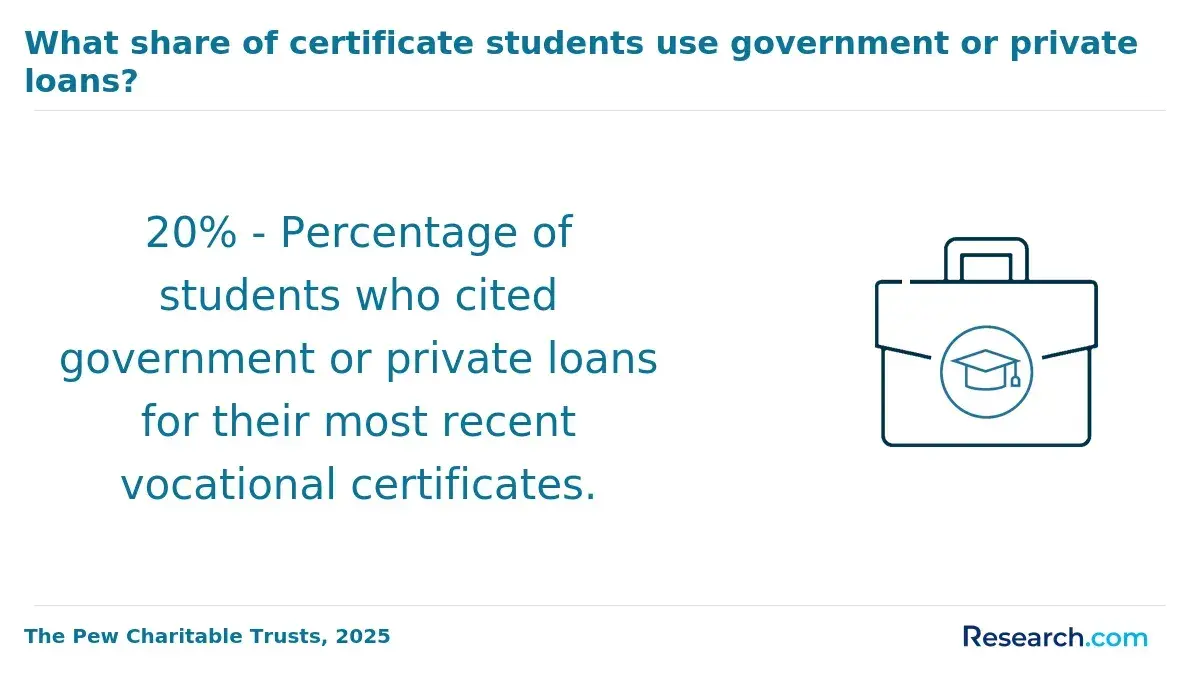
Certifications can sometimes serve as alternatives to professional licensure in specific engineering technology career paths, particularly those that are not subject to strict legal oversight. While licensure is a formal process mandated by governmental boards to ensure public safety and authorize official duties, certifications are industry-issued credentials that validate particular skills or knowledge without conferring legal authority. According to a survey by the National Association of Manufacturers, nearly 70% of employers in technical fields value industry-recognized certifications as equally or more important than licensure when hiring for certain roles, highlighting the rising importance of certifications as flexible credentials. This trend supports the viability of certifications as accessible options for career growth, especially for those seeking non-licensed engineering technology certifications for career advancement.
Certifications are often sufficient in roles focused on applied technical work such as equipment operation, process improvement, and systems maintenance, where legal accountability and safety oversight do not demand licensure. For example, a certified manufacturing technician can perform essential tasks independently without requiring a professional engineer's license. However, certifications cannot fully replace licensure in positions involving legal responsibilities or public safety, so job seekers should verify licensure requirements for their desired roles. Those interested in related fields can also explore flexible education options like an online psychology degree affordable to complement their technical credentials and enhance their professional profile.
The rise of digital collaboration tools and virtual workplaces has significantly boosted remote job availability across many fields. Studies show remote work increased by over 150% since 2005, enabling a broader range of technical careers to flourish from home. For engineering technology graduates, several remote roles utilize their skills without requiring professional licensure. Here are common options they can pursue.
- CAD Technician: These professionals remotely develop and adjust technical drawings using computer-aided design software. Their work supports engineers by translating specifications into precise models, emphasizing practical skill rather than licensed engineering oversight.
- Field Service Engineer: Remote troubleshooting, maintenance, and repair of equipment often fall under this role. Engineering technology graduates use diagnostic tools to resolve technical issues from a distance, focusing on application rather than design authority.
- Manufacturing Coordinator: Managing production workflows and quality control remotely is key here. Professionals optimize processes and monitor systems through digital platforms, applying their technical knowledge without needing licensure.
- Technical Sales Engineer: This position blends engineering expertise with client communication by explaining product functionality and benefits. Success depends on deep technical understanding rather than a licensed credential.
- Project Coordinator: Supporting teams by organizing engineering project tasks remotely, these coordinators assist in scheduling, documentation, and communication, leveraging their technical background to keep projects on track without requiring licensure.
A professional with a Engineering Technology degree shared her experience navigating remote jobs without licensure. She recalled feeling uncertain at first, worried her lack of official credentials might limit opportunities. Yet, as she applied her practical knowledge to roles like technical support and drafting, she realized employers valued hands-on skills and clear results. She described the transition to remote work as challenging but rewarding, highlighting how digital tools allowed her to stay connected and contribute effectively without onsite supervision or formal licensing hurdles.
Non-licensed applicants with Engineering Technology degrees often face significant challenges competing for roles where professional licensure is highly valued. Industry data indicates that around 60% of engineering firms prefer licensed engineers for key project responsibilities, limiting opportunities for those without credentials. Several specific barriers contribute to these employment difficulties.
- Employer Preferences: Many companies prioritize candidates with licensure because it signals verified expertise and professionalism. This preference reduces the competitiveness of non-licensed graduates in crowded job markets and can exclude them from critical roles.
- Credential Barriers: Licenses serve as standardized proof of competency, helping employers assess reliability. Without a license, candidates may be viewed as less qualified despite possessing comparable practical skills, which limits their access to certain positions.
- Experience Requirements: Positions open to non-licensed applicants often require multiple years of relevant work experience, creating a paradox where recent graduates cannot gain experience without first being hired, thereby restricting early career opportunities.
- Regulatory Restrictions: Certain projects and tasks legally require involvement by licensed engineers, particularly those involving public safety or legal accountability. Non-licensed graduates are often excluded from roles demanding responsibility for approvals or sign-offs, narrowing their job scope and flexibility.
Non-licensed professionals with engineering technology degrees face notable career limitations, particularly due to legal restrictions on roles that require a professional engineer (PE) license. Many states limit the authority to approve engineering designs or take legal responsibility for projects exclusively to licensed engineers. According to the National Society of Professional Engineers, approximately 30% of engineering roles require licensure or certification, illustrating a significant barrier for graduates pursuing career advancement without professional licensure. This data highlights clear employment restrictions and occupational entry barriers for those without a license in the engineering technology field.
These limitations manifest as restricted access to regulated positions, slower career progression, and a greater reliance on alternative qualifications or experience. Non-licensed engineering technology graduates often cannot independently certify engineering work or assume public safety accountability, which affects promotion opportunities in technical leadership or management. Nonetheless, some sectors allow non-licensed professionals to contribute effectively, especially if they bolster their skills through programs such as 6 week certification programs online. Overall, career growth prospects without professional licensure in engineering technology tend to necessitate extra effort in skill development and navigating roles aligned with regulatory limits.
Deciding to skip licensure after earning an engineering technology degree can significantly affect both immediate job prospects and future career trajectories. According to a 2023 survey by the National Society of Professional Engineers, licensed professionals are more likely to advance into supervisory roles, highlighting the importance of licensure for certain career paths. Below are critical factors students should consider before choosing to bypass professional licensure.
- Career Goals: Graduates aiming for roles that involve public safety, legal responsibility, or design approval typically require licensure. Skipping licensure may limit access to these positions but could be suitable for those focusing on technical support or implementation roles without certification duties.
- Industry Requirements: Some fields, such as construction or manufacturing, often mandate licensed professionals for leadership or project management roles. Knowing if your target industry values licensure helps determine if credentials or practical experience will better support your career.
- Long-Term Growth: Licensure commonly opens doors to higher-level responsibilities and mobility within organizations. Those seeking upward career movement should weigh the benefits of licensure against immediate employment advantages, as this credential can affect advancement opportunities.
- Job Accessibility: The licensure process can be lengthy and expensive, potentially delaying entry into the workforce. For roles emphasizing technical expertise over certification, skipping licensure might provide quicker employment without significantly impacting career satisfaction.
- Employer Expectations: Understanding whether potential employers prefer or require licensed professionals ensures alignment with organizational culture and job requirements. This insight helps graduates tailor their qualifications to marketplace demands and personal aspirations.
Students facing decisions about licensure may also consider pursuing graduate degrees that are worth it to enhance skills and career options beyond traditional licensure pathways.
What Graduates Say About Engineering Technology Degree Jobs That Do Not Require Licensure
- Derrick: "Choosing not to pursue licensure was a strategic decision for me because it allowed me to dive straight into the workforce after completing my engineering technology degree. The hands-on skills I gained made me confident to start a rewarding career without the extra hurdle of exams. I appreciate having the freedom to grow professionally without the constraints of mandatory licensure."
- Arianne: "Reflecting on my journey, working in a field that doesn't require licensure has been incredibly liberating. It allowed me to focus more on practical problem-solving and technical innovation rather than navigating regulatory processes. This flexibility has shaped my career path and encouraged continuous learning in ways I hadn't initially expected."
- Elias: "From a professional standpoint, an engineering technology degree without the need for licensure opens doors to diverse roles early on. This advantage meant I could gain valuable industry experience quickly, which significantly impacted my career trajectory. Having a license wasn't necessary to contribute meaningfully or advance in my field, which was a surprising but welcome realization."
Other Things You Should Know About Engineering Technology Degrees
Yes, in 2027, many engineering technology careers value practical experience as a key asset. Employers often seek candidates with hands-on skills and problem-solving capabilities. Experience can compensate for lack of licensure in fields like electronics, manufacturing, and quality control, making it crucial for job seekers to highlight their work experience.
Certifications such as the Certified Engineering Technician (CET) credential, OSHA 10 or OSHA 30, and Autodesk or SolidWorks certifications can strengthen applications for non-licensed engineering technology jobs. Employers often value them for CAD work, quality control, manufacturing support, and field technician roles.
In some cases, not holding a professional license can limit eligibility for specific government contracts or engineering projects that legally require licensed engineers. However, many private companies hire engineering technologists for internal roles that do not mandate licensure. Benefits and contracts thus depend largely on the employer's sector and the job's legal requirements.
- Remote Entry Level Tech Jobs | Working Nomads https://www.workingnomads.com/remote-entry-level-tech-jobs
- Unequal paths for engineers https://archive.investigativereportingworkshop.org/investigation/engineerings-unequal-paths/
- Graduate Without an ABET Engineering Degree https://www.illinoisengineer.com/graduate-without-abet-engineering-degree.html
- 5 High-Paying Tech Jobs That Don’t Need a Degree | Kable Academy - Kable Academy - Get a New IT Career in as Little as 12 Weeks https://www.kableacademy.com/5-high-paying-tech-jobs-that-dont-need-a-degree-kable-academy/
- High-Paying Engineering Jobs Without a Degree https://careerkarma.com/blog/engineering-jobs-without-a-degree/
- Executive Search and Outplacement Services for the Engineering, Architecture, Construction, and Manufacturing Industries https://www.davron.net/engineering-careers-without-masters-degree/
- Are IT certifications replacing the college degree? https://www.cio.com/article/3498535/are-it-certifications-replacing-the-college-degree.html
- Engineering jobs you can do without a degree https://www.youthemployment.org.uk/engineering-jobs-without-degree/
- Challenges, difficulties and barriers for engineering higher education https://www.jotse.org/index.php/jotse/article/view/1696/645
- Are Certifications Replacing Degrees In Hiring Decisions? - GradSimple https://gradsimple.com/are-certifications-replacing-degrees-in-hiring-decisions/