2027 Engineering Technology Degree Programs You Can Start Without Meeting All Requirements

Co-Founder and Chief Data Scientist
Many prospective students face barriers to enrolling in engineering technology degree programs due to strict entry requirements-low GPAs, incomplete prerequisites, or gaps in professional experience often halt progress. Yet, institutions increasingly offer conditional admission options that allow early enrollment, bridging foundational coursework, and evaluations of alternative credentials such as certifications or relevant work history.
These pathways address the urgent need for flexible access, especially as engineering technology graduates earn a median salary of $72,500-reflecting strong ROI in STEM-related careers. This article explores legitimate admission routes and institutional supports designed to help students start their programs before meeting all standard criteria.
Key Things to Know About Engineering Technology Degree Programs You Can Start Without Meeting All Requirements
- Conditional admission policies allow students to enroll in engineering technology programs while completing missing prerequisites-these students typically must meet academic benchmarks within a set timeframe to maintain enrollment.
- Bridge and foundational courses are frequently offered to ease transition-these classes focus on core competencies and can sometimes be taken before formal admission to satisfy entry requirements.
- Alternative credential reviews assess work experience, certifications, or military training-providing pathways for adult learners and career changers to gain credit or provisional entry despite incomplete transcripts.
What Is the Minimum GPA Requirement for an Engineering Technology Degree Program?
Minimum GPA requirements for an engineering technology degree program vary widely-selective universities often demand GPAs in the range of 3.0 to 3.5, reflecting competitive admissions and challenging coursework. Moderately competitive schools set standards around 2.5 to 3.0, balancing academic rigor with access, while open-admission or community colleges may accept GPAs as low as 2.0, emphasizing foundational skills and growth potential. These differences demonstrate how GPA expectations align with institutional priorities and program selectivity.
The evaluation process considers more than just raw GPA numbers. Factors like upward grade trends during junior or senior years, course difficulty, and grade replacement policies may improve the way a student's academic record is judged. For students who fall below posted GPA minimums, it is critical not to assume outright disqualification but to explore flexible pathways through engineering technology degree conditional admission GPA standards.
Initial steps for students include:
- Consultation: Speak directly with admissions counselors to clarify program-specific GPA policies and discuss your academic history.
- Holistic Review Requests: Ask whether the school offers a holistic admissions process that weighs work experience, recommendations, and personal statements alongside academic metrics.
- Conditional Admission: Inquire about provisional enrollment options that allow students to begin coursework while meeting required benchmarks on a defined timeline.
Such measures prepare applicants for navigating admissions more effectively. For those seeking additional routes, researching programs like the most affordable online MSW programs can provide insight into flexible degree options. The following section addresses institutions with explicit policies for students with academic deficiencies-highlighting bridge courses, alternative credential reviews, and support systems facilitating early enrollment despite incomplete qualifications.
Which Engineering Technology Programs Accept Applicants on Academic Probation or With Academic Deficiencies?
Several engineering technology programs admitting students with academic deficiencies offer conditional or provisional admission tracks-acknowledging that traditional GPA thresholds do not always reflect an applicant's potential. These pathways allow those with academic probation or incomplete prerequisites to enroll while completing foundational coursework and improving academic standing.
- Texas State University-San Marcos: This regionally accredited engineering technology program admits students with cumulative GPAs below 2.5 conditionally. Enrollees must complete up to 12 credit hours of foundational courses with a minimum 2.0 GPA during their first term. An academic advisor is assigned to assist with course selection and academic progress monitoring through regular meetings.
- Central Oregon Community College: Their associate degree pathway admits applicants with academic probation or missing prerequisites on a provisional basis. Students must earn at least a 2.5 GPA over 15 credits in the first semester. They benefit from monthly meetings with a student success coach to discuss performance and strategies for improvement.
- University of North Florida: Students with incoming GPAs under 2.0-but demonstrating upward GPA trends-may receive provisional admission to the bachelor's engineering technology program. The probationary semester restricts enrollment to 9 credit hours focused on math and science foundations. Weekly check-ins with academic advisors provide tailored study plans.
- Bridgewater State University: This Massachusetts-based, regionally accredited program admits transfers provisionally when STEM prerequisites are deficient. Students must complete up to 18 credit hours with a minimum 2.7 GPA. Regular advising sessions every three weeks help maintain momentum and address challenges promptly.
- Columbus State Community College: Their engineering technology pathway supports applicants with weak academic backgrounds via a transitional curriculum limited to 12 credit hours initially. Students must achieve at least a 2.3 GPA, while biweekly faculty-advisor meetings focus on academic challenges and workload management.
Policies for conditional admission can vary widely, especially between undergraduate and graduate engineering technology degrees. It's essential to verify the latest criteria directly with admissions offices, since these pathways continuously evolve.
Applying with academic setbacks does not automatically disqualify candidates-crafting a thoughtful personal statement that explains early difficulties and securing strong recommendations from employers or instructors can significantly strengthen an application. These elements highlight resilience and motivation, qualities that many conditional admission programs prioritize beyond grades alone.
Adult learners and career changers exploring flexible admission should also consider bridge or foundational courses and alternative credential reviews, which some programs use to evaluate readiness before full enrollment. This structure often includes consistent advisor support to guide students through probationary periods and academic milestones.
For those interested in expanding academic credentials, affordable online masters in clinical psychology also provide flexible options for learners balancing complex academic histories and professional goals. Exploring such programs can complement technical degrees and broaden career opportunities overall.
How Do Conditional Admission and Provisional Enrollment Work for Engineering Technology Degree Seekers?
Conditional admission and provisional enrollment provide distinct yet flexible routes for students entering engineering technology degree programs without fully meeting admission standards. Conditional admission imposes academic or prerequisite requirements-such as maintaining a minimum GPA, typically around 2.0 to 2.5, during initial coursework or completing essential foundation classes like college algebra or technical writing within one or two semesters. Failure to comply often leads to dismissal or reconsideration of enrollment status.
Conversely, provisional enrollment generally denotes a temporary, unclassified student status granted while awaiting missing materials-such as final transcripts or test scores-allowing course attendance without full degree-seeking privileges until documentation is complete.
Key conditions commonly attached to these statuses include:
- Academic Performance: Achieving and sustaining required GPA benchmarks in early classes to verify readiness.
- Course Completion: Finishing designated prerequisite or bridge courses designed to build necessary skills.
- Documentation Submission: Providing outstanding transcripts or test results within specified deadlines.
Students meeting these expectations typically advance to full admission, gaining access to all program resources. For instance, a professional who returned to education after a career break started under conditional admission due to lacking prerequisite credits. By completing the required courses with satisfactory grades within two semesters, he gained full standing. Reflecting on his path, he shared, "It was stressful at times not knowing if I'd make the grade, but the clear milestones helped me focus. The support from advisors made the difference-I knew the conditions were there to guide, not to block me."
Prospective students who haven't met all traditional prerequisites for engineering technology programs can pursue several alternative admission pathways that recognize varied backgrounds and skills. These flexible options expand access for individuals from diverse academic and professional experiences.
- Portfolio Review: This is common in applied engineering technology programs with a focus on practical or design skills, such as mechanical or civil engineering technology.
- Programs favor portfolios when curricula emphasize hands-on projects and technical competency.
- Applicants typically submit detailed collections of completed work, including project documentation, technical drawings, lab reports, or digital artifacts.
- Institutions require trained admissions panels or faculty committees to evaluate these portfolios impartially and consistently.
- Demonstrated Professional Experience: Candidates with significant industry experience-often in manufacturing technology, electrical engineering technology, or construction management-can leverage this route.
- Programs with industry partnerships or co-op opportunities particularly value direct workplace accomplishments.
- Documentation includes resumes, employer reference letters, certifications, and occasionally work samples.
- Institutions support this pathway by formalizing verification processes, usually managed through experiential learning offices or program advisors.
- Prior Learning Assessment Credit: Some programs grant credit for knowledge gained outside formal classrooms, benefiting adult learners and career changers in fields like information technology or industrial technology.
- This allows students to skip foundational courses by proving competency via exams or challenge tests.
- Submissions include transcripts of nontraditional coursework, course descriptions, or successfully passed competency exams.
- Structured PLA systems with trained evaluators and clear policies on acceptable proofs are essential institutional supports.
- Placement Testing as a Substitute: To make up for missing prerequisite classes, many technical programs administer placement exams in key subjects-mathematics, physics, or computer science fundamentals-especially relevant to electronics engineering technology.
- These assessments measure readiness for advanced courses or program entry levels.
- Applicants take institution-administered tests, supported by testing centers and academic advisors authorized to adjust admissions accordingly.
Those exploring conditional entry options for engineering technology degrees should actively seek conversations with department chairs or program directors since alternative pathways often operate through informal or case-by-case arrangements rather than centralized admissions offices. Such direct inquiries clarify documentation needs, timelines, and performance expectations conditional on early acceptance.
This strategic approach helps students who may be high school graduates below GPA thresholds, community college transfers still completing prerequisites, returning adult learners, or career changers with strong work histories but incomplete transcripts. For more information on flexible educational routes, exploring options like the cheapest online EdD programs can offer valuable insights into affordable degree pathways across disciplines.
Concurrent or co-requisite enrollment in engineering technology programs allows students to start core degree courses while finishing prerequisite classes they have yet to complete. This differs from conditional admission, which grants entry based on meeting future requirements but usually does not include taking core and prerequisite courses simultaneously. Typical course pairings might involve an introductory engineering technology class taken alongside foundational subjects like statistics or research methods. This approach helps accelerate degree progress but requires managing a heavier academic load.
Students considering this route should examine their program's policies by checking the course catalog for co-requisite options, consulting an academic advisor for personalized guidance, and requesting a degree audit to map out prerequisite and core course overlaps before registration. Balancing these dual responsibilities demands solid time management, especially for those juggling work or family commitments. Strategies to succeed include:
- Planning: Using calendars and digital tools to track assignments, tests, and study sessions.
- Prioritizing: Tackling tasks based on urgency and dedicating extra focus to challenging subjects.
- Seeking Support: Taking advantage of tutoring, collaborative study groups, and instructor availability.
- Self-care: Maintaining mental and physical well-being through adequate rest and breaks.
A professional who established her career after graduating from an engineering technology degree shared that starting while completing prerequisites was both demanding and rewarding. She recalled, "Balancing core labs with statistics classes stretched my schedule thin, but staying organized made it possible. Advisors were crucial-they helped me create a path that respected my family and work life." Over time, this dual-track approach strengthened her discipline and reinforced her commitment, illustrating how flexible enrollment can open doors without sacrificing academic success.
Community college partnerships open opportunities for students who do not yet meet full admission criteria to start engineering technology coursework at the two-year level-progressing toward bachelor's or graduate programs through structured pathways. These include 2+2 articulation agreements that specify which credits transfer directly to four-year institutions, reducing redundant classes and smoothing admissions. Dual enrollment allows high school or non-traditional students to earn early college credits essential for engineering technology majors. Meanwhile, pathway programs focus on strengthening foundational knowledge in subjects like math, physics, and technical communication, critical for successful transfers.
- Prerequisite Completion: Essential courses such as calculus, CAD basics, and introductory engineering principles that demonstrate readiness for advanced study.
- GPA Rebuilding: Opportunities for students to improve academic records, indicating preparedness for demanding upper-division coursework.
- Skill Development: Emphasis on critical thinking, laboratory experience, and technical writing valued by admissions committees evaluating transfer applicants.
Students should check if their intended engineering technology program holds formal articulation agreements with their community college system, often detailed on institutional websites or admissions offices. Without formal agreements, students can still plan transfers by consulting academic advisors to align coursework and meet key benchmarks mid-transfer.
Transfer admission policies typically evaluate community college coursework with more leniency than freshman admissions, recognizing demonstrated academic progress and potential. Recent data from 2023 shows nearly 40% of engineering technology bachelor's students began at community colleges-highlighting how these pathways expand access and diversity in the field.
When applicants seek entry into engineering technology programs without meeting every standard requirement, personal statements and letters of recommendation become crucial tools for presenting a fuller picture of potential. These materials enable candidates to highlight strengths that GPA, test scores, or missing prerequisites alone cannot reveal.
A compelling personal statement for conditionally admitted students should combine honesty about past academic challenges with optimism about future success. It should candidly explain any setbacks without lingering unnecessarily on difficulties, while emphasizing lessons learned and readiness to meet the program's demands. Candidates must also clearly describe how their previous professional, technical, or academic experiences have prepared them for rigorous coursework. Most importantly, applicants should articulate why the specific engineering technology program aligns with their career goals and learning style, demonstrating both motivation and realistic expectations.
- Personal Statement: A balanced narrative acknowledging obstacles paired with a confident, goal-driven outlook.
- Relevant Experience: Concrete examples from work or study that affirm preparedness for demanding technical study.
- Program Fit: Specific reasons explaining how the chosen program supports career objectives and personal growth.
- Recommendation Sources: Letters from supervisors or mentors familiar with the applicant's intellectual abilities and achievements hold greater weight than general character references.
The personal statement empowers conditionally admitted applicants to control their narrative-making it their strongest asset in persuading admissions committees to look beyond incomplete credentials.
Many academic programs offer bridge or foundational courses designed to help students meet admission requirements or strengthen essential skills before entering a specialized field of study. Understanding how these preparatory options work can help prospective students identify flexible pathways toward qualification and long term educational goals.
- Non-Credit Boot Camps: Offered primarily by community colleges and technical institutes, these short-term programs emphasize crucial skills like mathematics, physics, and fundamental technical knowledge needed for engineering technology degree programs. They do not appear as credit-bearing courses on transcripts but act as qualifying experiences that demonstrate readiness for full admission. Generally lasting a few weeks, boot camps tend to be affordable and cater to students requiring rapid preparation. Although they help satisfy foundational course deficiencies, they do not reduce the total credit hours required for the degree.
- Post-Baccalaureate Preparatory Sequences: Predominantly found at universities, these sequences target students holding bachelor's degrees in unrelated fields who need prerequisite knowledge before enrolling in engineering technology programs. These are credit-bearing courses fully recorded on academic transcripts and often include graduate-level content. Their completion generally applies toward elective requirements but adds approximately one or two semesters to the timeline before full admission. Tuition costs are comparable to standard rates, so financial planning is essential. This option offers a structured pathway for career changers or adult learners returning after a professional gap, fitting well among programs offering bridge courses for engineering technology admission.
- Certificate-Level Prerequisite Bundles: Mainly offered by community colleges and some four-year institutions, these certificates group core prerequisite courses into a formal package completed before or alongside degree coursework. They provide official certificates that show on transcripts and sometimes serve as transfer credits. While they help streamline admission and reduce duplicated coursework, added tuition costs and the extended time to degree completion should be expected. This pathway suits students needing documented competency for conditional admission or who are community college transfer students still working through prerequisite coursework.
- Self-Paced Online Remediation Modules: Increasingly popular at public universities and online colleges, these modules allow students to work independently through essential foundational topics recognized by engineering technology programs. Completion is typically recorded with pass/fail marks or certificates, serving as prerequisite evidence before full enrollment. This flexible route suits working adults or those balancing commitments-allowing customizable pacing and modest fees. However, since progress is self-directed, the full admission timeline may lengthen. Adult learners re-entering higher education after a professional gap often find this option helpful for meeting foundational course options to meet engineering technology entry requirements.
Bridge programs are often omitted from primary admissions brochures or websites. Prospective students should specifically request comprehensive details about foundational or bridge enrollment options from admissions offices to uncover all pathways and plan effectively. Those researching options might also explore programs like a blockchain school providing innovative modular learning frameworks that can inspire flexible course structuring in engineering technology fields.
Many engineering technology programs consider professional experience earned through work directly related to the field as evidence of readiness that can offset unmet academic requirements. This holistic admission review approach benefits students who fall short of standard GPA thresholds or prerequisite coursework, such as community college transfer students or adult learners re-entering education after a professional gap. Applicants should understand the professional background criteria for conditional admission to engineering technology degrees to effectively demonstrate their qualifications.
Key types of experience recognized by admissions committees include:
- Industry Certifications: Credentials from reputable organizations that validate technical skills and ongoing professional development.
- Field-Specific Employment: Multiple years in relevant roles showcase practical expertise and problem-solving abilities essential to the discipline.
- Management or Leadership Roles: Experience supervising projects or teams reflects responsibility and application of engineering technology concepts.
- Professional Contributions: Published papers, conference presentations, or patents highlight active engagement with advancing technology.
- Volunteer or Community Service: Involvement in mentoring, technical workshops, or nonprofit projects tied to engineering technology illustrates dedication and communication skills.
To provide effective documentation, applicants should:
- Prepare a Professional Resume: Tailor it for an academic audience by emphasizing measurable achievements, technical skills, and leadership experience.
- Gather Supporting Documentation: Include certificates, letters of recommendation focused on professional competence, and evidence of completed assignments or responsibilities in the field.
- Secure Relevant References: Select supervisors or colleagues who can verify hands-on abilities rather than academic performance.
It is critical to verify whether the target program formally accepts work experience in lieu of academic credentials before investing time in this application component. Not all institutions have a framework for evaluating such experience equally, making early communication and transparency essential. Those exploring pathways to enrollment may also benefit from reviewing bridge and foundational course options or institutional support systems that accommodate conditional admission.
For related fields, prospective students may consider exploring art therapy graduate programs as additional examples of programs that may offer flexible admission and holistic review processes for applicants with diverse academic and professional backgrounds.
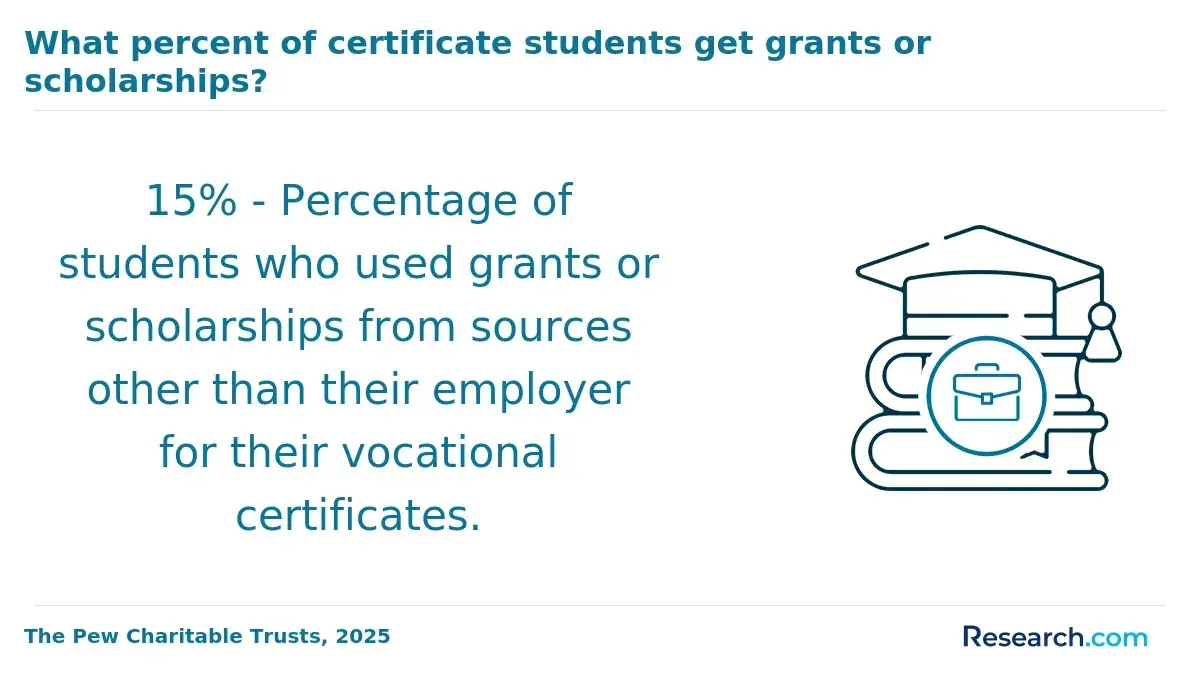
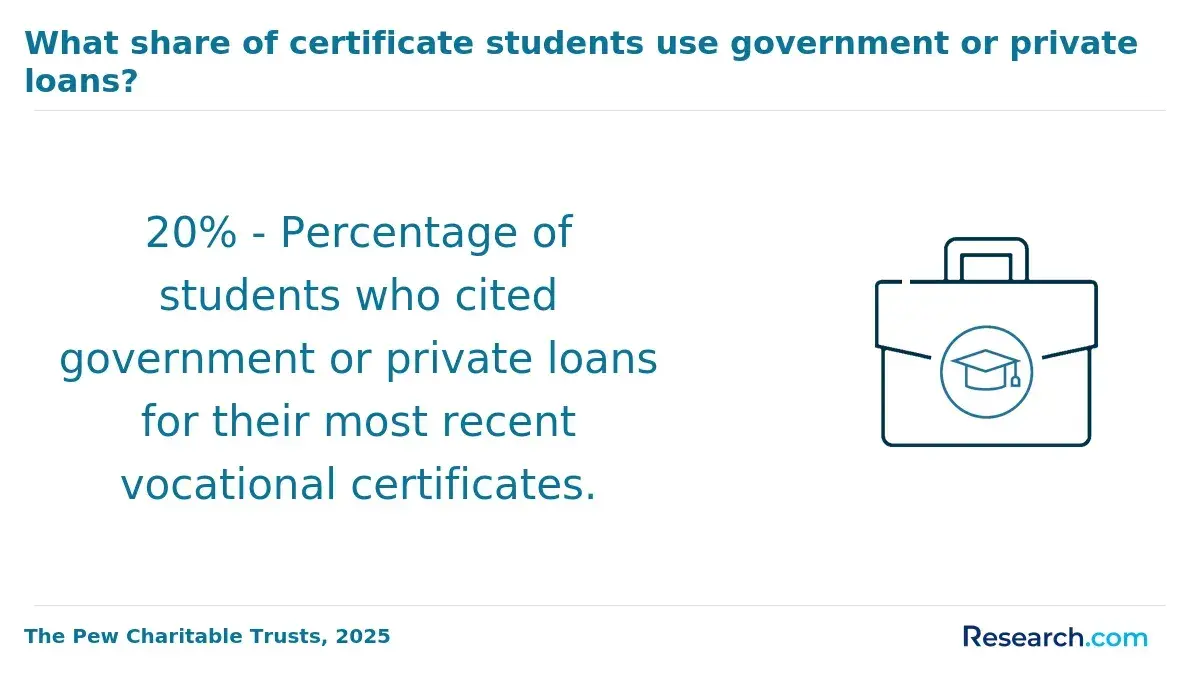
Financial aid and scholarship opportunities can play an important role in helping students manage the cost of higher education while pursuing their academic goals. Understanding the types of funding available for different admission pathways can help prospective students make more informed decisions about affordability, enrollment, and long term educational planning.
- Federal Aid: Students admitted conditionally into Engineering Technology programs can still qualify for federal financial aid if they enroll at least half-time and maintain satisfactory academic progress (SAP). This typically requires meeting specific GPA and course completion benchmarks to avoid disruption in aid eligibility during their provisional status.
- Institutional Scholarships: Many colleges offer scholarships aimed at students with conditional admission-especially those re-entering education or balancing work with study. These awards often recognize the resilience of learners overcoming academic interruptions while pursuing degrees in Engineering Technology.
- Private Scholarships: Various organizations provide funding directed at non-traditional learners, including adult students and those with non-linear academic histories such as course withdrawals or previous underperformance. These scholarships support diverse pathways into Engineering Technology fields.
- Enrollment Status: Financial aid and scholarships can depend heavily on maintaining minimum credit loads. Conditionally admitted students should verify enrollment criteria early, as insufficient credits may impact their funding and result in unexpected costs.
It is critical to engage both the financial aid office and the academic advisor before starting conditional enrollment. Coordinating aid details and program requirements upfront helps clarify financial responsibilities and prevent surprises related to eligibility or aid packaging that hinge on provisional academic standing.
Admission flexibility can vary between online and campus based programs depending on scheduling options, prerequisite requirements, and application policies. Understanding how different learning formats compare can help prospective students choose educational pathways that best fit their academic background, personal responsibilities, and career goals.
- Admission Flexibility: Online engineering technology programs-especially those operated by large public universities or for-profit schools-tend to provide more lenient entry requirements. They frequently allow prerequisite course waivers or conditional enrollment for students who haven't met traditional GPA standards or completed all necessary classes.
- Conditional Enrollment: Many online programs enable students to start coursework while finishing foundational classes or prerequisites. This option benefits adult learners, career changers, and community college transfers needing extra preparation time. Conversely, campus programs usually uphold stricter prerequisite enforcement and limit early enrollment opportunities.
- Alternative Credential Review: Online institutions sometimes evaluate professional experience, certifications, or nontraditional backgrounds instead of solely relying on formal academic transcripts. This broadens access without sacrificing academic integrity.
- Support Infrastructure: Students admitted conditionally should carefully assess available resources. Online learners may face limited access to live tutoring, academic advising, disability services, and mental health support compared to on-campus students. The quality and availability of these services vary significantly between schools and delivery methods.
Flexible admission policies do not indicate inferior program quality. Prospective students must confirm that programs hold regional or ABET accreditation and investigate graduation rates and employment outcomes before enrolling. Selecting programs solely for ease of entry risks overlooking critical factors that contribute to long-term success.
What Graduates Say About Engineering Technology Degree Programs You Can Start Without Meeting All Requirements
- Derrick: "The flexibility of the engineering technology degree program allowed me to start even without meeting all the initial requirements, which was a huge relief. The professors were clear about the academic obligations-maintaining a minimum GPA and completing prerequisite courses within a set timeline-to stay on track. I appreciated how the program balanced rigorous performance benchmarks with support, pushing me to grow while managing my own pace."
- Arjun: "Starting the engineering technology program without having every requirement completed felt daunting at first, but I soon realized the timeline expectations were reasonable and well-structured. The program demanded consistent performance benchmarks like timely project submissions and exams, which kept me accountable. Reflecting back, this experience sharpened my discipline and taught me how to adapt quickly to academic challenges."
- Elias: "From a professional standpoint, what stood out was how conditional admission didn't mean lowered standards-quite the opposite. The academic obligations, including regular assessments and progression requirements, ensured that every student maintained a high level of commitment. Meeting these benchmarks within defined timelines was challenging but ultimately rewarding, reinforcing my confidence in pursuing a career grounded in engineering technology."
Other Things You Should Know About Engineering Technology Degrees
Some programs accept recent college algebra, trigonometry, or precalculus as substitutes for missing math prerequisites, and a few allow placement testing instead. Students usually must complete the required course within the first 12 credits or by the end of the first semester, with approval from the engineering technology department.
Many programs provide bridge courses or remedial classes designed to address knowledge gaps in math, science, or technical fundamentals. Academic advising and tutoring are commonly available to guide students through their conditional status. Additionally, peer mentoring, workshops on study skills, and access to learning centers help students meet performance benchmarks and transition smoothly into full program standing.
Transfer students usually undergo a detailed credit evaluation to identify which courses from their previous field align with engineering technology requirements. Programs often require completion of missing prerequisite coursework, sometimes via bridge classes, before full matriculation. Counselors work closely with transfer students to develop tailored academic plans that balance catching up on foundational knowledge with progressing toward degree milestones.
- Engineering & Technology Transfers, Pathways and Bridging Guide https://www.conestogac.on.ca/handbook/engineering-and-technology-transfers-pathways-and-bridging-guide
- Welcome to Bridge2ENGG https://www.ualberta.ca/en/engineering/student-services/bridge-2-engg.html
- 10 Do's and Don'ts of Personal Statements https://www.imperial.ac.uk/engineering/departments/design-engineering/study/meng/application-information-and-faq/personal-statements/
- Innovation https://www.league.org/innovation-showcase/creating-seamless-pathways-stem-students
- Online vs. On-Campus B.Tech: 9 Key Things To Consider https://www.upes.ac.in/blog/advanced-engineering/btech-online-vs-on-campus
- What are the alternate pathways to science and engineering undergraduate courses? https://www.curtin.edu.au/study/help-support/app/answers/detail/a-id/2447/what-are-the-alternate-pathways-to-science-and-engineering-undergraduate-courses/
- What Is Conditional Admission? How Does It Work? https://blog.prepscholar.com/what-is-conditional-admission
- Graduate Without an ABET Engineering Degree https://www.illinoisengineer.com/graduate-without-abet-engineering-degree.html
- 13 Scholarships for Engineering Students | Financial Aid https://www.petersons.com/blog/13-scholarships-constructed-for-engineering-students/