2027 Best Online Supply Chain Management Programs for Professionals Seeking Manufacturing Careers

Co-Founder and Chief Data Scientist
Facing sudden disruptions in manufacturing supply chains, many mid-career professionals struggle to quickly acquire skills that align with evolving employer demands and advanced technologies. Nearly 70% of adult learners pursuing further education today prioritize online programs for their flexibility and ability to balance work, as reported by the National Center for Education Statistics, which reflects a critical shift toward accessible learning formats.
This trend amplifies the importance of selecting supply chain management programs that not only offer scheduling adaptability but also deliver relevant expertise recognized by hiring managers. This article evaluates the top online supply chain management programs aimed at addressing these precise challenges to support effective career advancement decisions.
Key Things You Should Know
- Programs emphasizing advanced analytics and AI integration align with 2025 projections from Deloitte showing 48% of SCM roles demanding data fluency, pressuring candidates to weigh high upfront costs of specialized tracks against accelerating automation skill gaps.
- Employer surveys in 2024 reveal 61% of recruiters prioritize applicants with demonstrable cross-functional project experience over pure certification, indicating that program selection should weigh experiential learning intensity over credential quantity.
- Federal labor data highlights a 12% employment growth in SCM roles tied to manufacturing innovation hubs by 2028, creating geographic access advantages but requiring learners to consider timing tradeoffs between immediate entry and program duration for maximum return.
What is an online supply chain management degree and how does it support manufacturing careers?
An online supply chain management degree benefits manufacturing careers by equipping professionals to resolve practical challenges such as supply volatility and raw material shortages. For example, a graduate managing a complex assembly line leverages analytics and vendor negotiation skills acquired through the program to reduce lead times and control costs—an operational necessity in tight-margin manufacturing settings.
Manufacturing environments demand proficiency in integrated technologies like ERP systems and data analytics, which are central to real-time decision-making and quality assurance. This specialization advances manufacturing professionals by developing expertise in coordinating cross-functional teams, thus improving efficiency in process-driven plants or highly mechanized factories.
The U.S. Bureau of Labor Statistics projects 9-16% growth for supply chain and operations positions, reflecting manufacturers' urgent need to build resilient, automated supply networks amid frequent global disruptions. This outpaces many traditional roles and justifies the practical investment in advanced degrees aligned with industry trends.
Prospective students should critically evaluate programs for practical coursework on supply chain modeling, hands-on case studies reflecting manufacturing's complexity, and courses covering regulatory compliance and sustainability standards. Flexible pacing and project-focused curricula enable working professionals to integrate learning directly with current job functions, minimizing career interruption.
Those exploring broader operations leadership may consider comparative trajectories such as MBA operations management, which incorporates supply chain insights within wider strategic frameworks but may demand a longer-term commitment and broader managerial focus.
How do online supply chain management programs compare to on-campus options for working professionals?
Working professionals often face a critical decision when choosing between online supply chain management programs vs. on-campus classes for working professionals. Online programs provide unmatched flexibility, especially for manufacturing workers juggling shift schedules and project deadlines.
Unlike on-campus classes requiring fixed attendance, asynchronous coursework lets students apply new skills immediately while maintaining job continuity.
However, this flexibility comes with tradeoffs: virtual programs typically limit hands-on experiences such as lab simulations or in-person capstone projects, which can be vital for manufacturing professionals focused on lean inventory control. To bridge these gaps, active engagement through virtual networking, internships, or employer partnerships becomes essential.
Employer expectations increasingly lean toward analytical expertise and certifications over physical classroom time. The labor market reflects this shift, with roles like logistics analyst in manufacturing supply chains projected to grow by 16.7%—accompanied by a median salary near $82,320.
Working professionals need to balance program curriculum alignment with industry-relevant skills and the practical challenge of maintaining self-discipline in online learning environments.
Deciding between flexible supply chain management education options for manufacturing career advancement involves evaluating your capacity to self-manage studies alongside job demands and identifying supplemental opportunities to offset limitations in face-to-face instruction.
For those also considering further business credentials, an online MBA under 30k might complement supply chain skillsets by broadening managerial capabilities.
Which online supply chain management programs are considered the best for manufacturing-focused students?
Strong online supply chain management programs focused on manufacturing careers must extend beyond logistics theory to address production realities such as lean manufacturing, quality control, and automation.
Employers in sectors like aerospace and electronics expect graduates to understand how to synchronize supply chain planning with shop-floor operations, including real-world applications of just-in-time inventory and ERP systems. This directly impacts inventory management and supplier coordination, which affect production schedules and operational efficiency.
Choosing among the best online supply chain management programs for manufacturing professionals requires assessing how effectively curricula align with evolving manufacturing technologies, especially Industry 4.0 advancements, and the flexibility to accommodate working students in shift-based roles.
Programs tied to manufacturing hubs often provide enhanced experiential learning through virtual internships or industry projects, which are critical for transitioning from technical roles to managerial positions.
Cost considerations remain significant. A 2025 BestColleges analysis of online business management degrees shows average tuition near $10,400 with net prices closer to $6,000 after aid, reflecting a more accessible route for career pivots without excessive debt. Such affordability paired with learning relevant to manufacturing supply chain roles supports a better return on investment than many traditional on-campus options.
Prospective students evaluating top supply chain management courses focused on manufacturing careers should also review program outcomes carefully, including graduate placement rates in manufacturing supply chain functions. For working professionals balancing education and employment, options like executive MBA programs with supply chain concentrations may offer complementary leadership training alongside operational expertise.
What accreditation and industry standards should online supply chain management programs meet?
Accreditation fundamentally dictates the practical value and employer credibility of online supply chain management programs. Regional accreditation from agencies recognized by the U.S. Department of Education or the Council for Higher Education Accreditation is a baseline ensuring academic rigor and credit transferability. Without this, graduates face limited acceptance by manufacturers prioritizing vendor reliability, logistics expertise, and regulatory adherence.
Augmenting this, industry-recognized certifications for supply chain management programs aligned with AACSB or ACBSP standards demonstrate curriculum relevance to manufacturing operational needs.
Frameworks like those from the Institute for Supply Management (ISM) or the Council of Supply Chain Management Professionals (CSCMP) embed essential competencies such as procurement, inventory control, risk management, and lean manufacturing—skills pivotal for professionals transitioning from retail or other sectors into production-centric roles.
Cost considerations remain vital for working adults balancing study and employment. Several regionally accredited online supply chain management degrees offer annual tuition between $4,500 and $6,000, significantly below national averages. This price range, featured among the cheapest 1 year online MBA programs, facilitates upskilling without excessive debt, which is critical when employer tuition reimbursement may be inconsistent.
Institutions incorporating competency-based assessments and experiential learning accelerate job placement and salary growth by verifying practical skills beyond theoretical knowledge. Neglecting these elements risks credential inflation and stagnated career advancement despite formal degree attainment.
What courses and specializations in online supply chain programs align with manufacturing roles?
Online supply chain programs tailored to manufacturing roles demand a precise alignment with operational realities such as minimizing downtime and controlling costs. Core competencies include demand planning, production scheduling, and inventory optimization, which directly confront manufacturing's unique pressure to maintain seamless workflow.
Advanced methodologies like lean manufacturing and Six Sigma equip professionals to systematically reduce waste and improve ongoing processes, addressing continuous margin challenges in production environments.
Strong candidates must grasp how technologies, including ERP systems and industrial IoT, impact data management on complex factory floors. Manufacturing supply chains also require nuanced vendor relationship management alongside compliance and risk controls that respond to the volatility of sourcing materials and components. This specialized focus enhances employability by meeting employer expectations around preventing bottlenecks and stabilizing output.
For example, a distribution center manager needs to coordinate tightly with production lines to avoid costly shutdowns, while a general manager uses supply chain analytics to dynamically adjust resource deployment.
According to career data cited by ASU Online in 2024, these roles generally offer six-figure salaries, with distribution center managers earning about $107,230 annually and general managers approximately $105,770.
Students should critically evaluate the extent to which programs address sector-specific needs—for instance, automotive manufacturing's emphasis on just-in-time inventory or electronics' demand for rapid traceability.
Without such targeted instruction, graduates may face skills gaps in competitive roles. Prioritizing programs that integrate case studies, industry collaborations, and technology-driven analytics better prepares candidates to navigate manufacturing's operational complexities.
What are the typical admission requirements for online supply chain management degrees?
Admission to online supply chain management degrees, especially those focused on manufacturing, demands more than baseline academic credentials; it requires alignment with workforce realities that emphasize technical competence and leadership. Bachelor's programs typically accept applicants with a high school diploma or GED and a GPA near 2.5 to 3.0, but those targeting manufacturing often expect prior coursework in math or economics to support complex, quantitative challenges in the field.
Master's level programs set higher bars, requiring completed undergraduate degrees in relevant areas such as business or engineering and two to three years of manufacturing or operational experience. This reflects employer preference for candidates with proven impact in supply chain roles rather than purely academic achievements. GRE or GMAT scores are sometimes requested but frequently waived for experienced professionals, shifting the focus to practical expertise and strategic thinking.
Applicants must also provide letters of recommendation validating their professional competence and a targeted statement of purpose reflecting their role ambitions within manufacturing logistics or operations. These elements signal readiness to tackle data-driven decision-making and advanced operational problems.
In practice, graduates from top online master's programs tend to step into leadership positions with salaries surpassing $100,000. This outcome highlights a tradeoff: the rigorous admission process filters for candidates prepared to engage deeply with industry challenges, which aligns with supply chain demands in manufacturing enterprises seeking analytical skill and operational leadership.
Employer Confidence in Online vs. In-Person Degree Skills, Global 2024

How long do online supply chain management programs take and what do they cost?
Faster credential completion often outweighs lengthier, comprehensive programs when navigating supply chain management education relative to current industry demands. For example, a 12-month certificate specializing in automated logistics can position students quicker for roles in advanced manufacturing than a traditional 24-month associate degree. Time-to-entry impacts not only earning potential but also the ability to capitalize on rapid technological shifts in digital supply chain systems.
Program durations vary notably based on credentials: certificates generally span 6-12 months; associate degrees take about 18-24 months; bachelor's degrees require 36-48 months, with accelerated options reducing this to 18-24 months for working professionals.
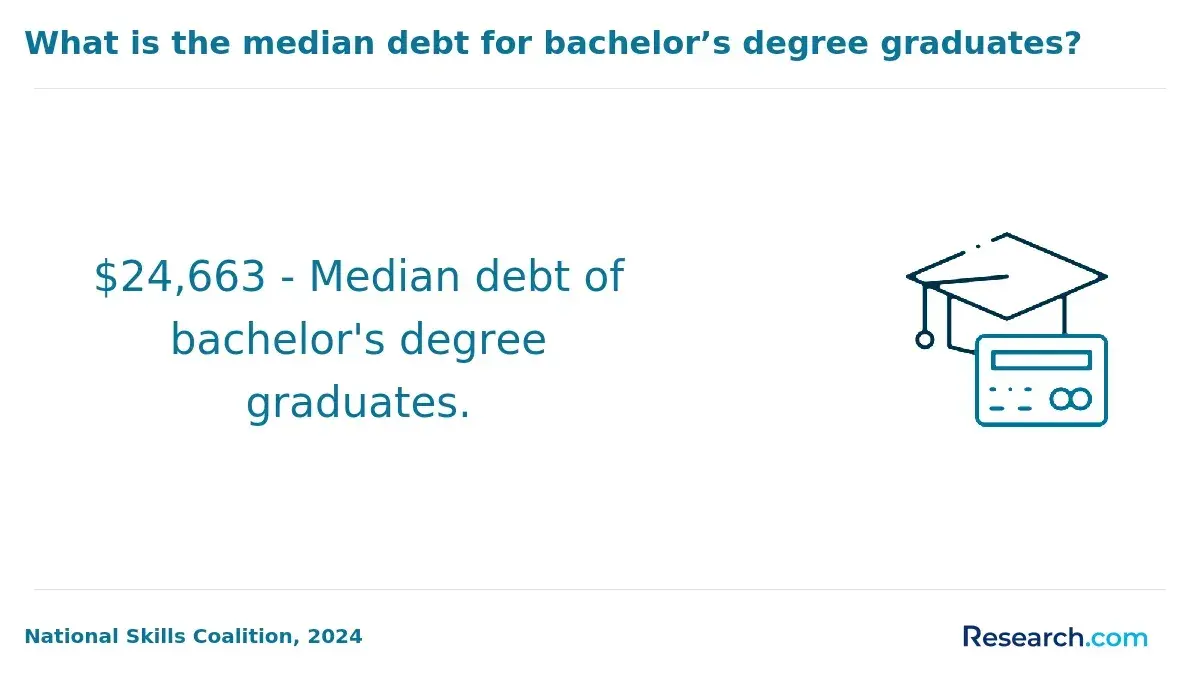
Costs scale accordingly: certificates range from $1,500 to $5,000; associate degrees fall between $10,000 and $20,000; bachelor's programs climb to $25,000-$60,000; master's degrees start near $20,000 and may exceed $60,000.
Students must carefully weigh upfront tuition against potential income loss due to longer time commitments or intensiveness of coursework, especially when employer tuition reimbursement isn't available.
Employers prioritize candidates with practical experience and current knowledge of Industry 4.0 tools and digital supply chain management systems. This makes program selection a strategic decision balancing cost, duration, and curriculum relevance rather than a simple credential accumulation exercise.
What manufacturing careers can you pursue with an online supply chain management degree?
Choosing an online supply chain management degree requires scrutiny beyond curriculum aesthetics, focusing on production-centered skills applicable in manufacturing environments. For instance, a procurement manager negotiating automotive parts contracts must expertly balance cost, quality, and delivery timing to maintain assembly line flow and avoid costly delays.
Programs aligned with certifications such as APICS/ASCM or CSCMP offer graduates distinct advantages by integrating employer-valued credentials that reduce onboarding time. However, candidates should weigh the tradeoffs between certification-prep focus and deeper strategic content, especially if transitioning from unrelated fields where foundational supply chain knowledge is limited.
Mastery of manufacturing resource planning (MRP) and enterprise resource planning (ERP) software is indispensable, given their central role in synchronizing supply with production schedules. Without applied competencies in these platforms, even theoretically strong graduates may struggle to meet operational demands in industries with tight tolerances, such as electronics or pharmaceuticals.
Key practical challenges include navigating regulatory compliance and mitigating global disruption risks, which vary significantly by product sector. Understanding these factors equips graduates to anticipate bottlenecks and implement process redesigns that directly influence manufacturing efficiency and cost containment.
Ultimately, this degree supports diverse manufacturing career trajectories that depend on precise, real-time decision-making and quantitative analysis to optimize resource flows and sustain competitive advantage.
What salary ranges and advancement opportunities exist in manufacturing supply chain roles?
Manufacturing supply chain roles present a clear wage progression linked to experience and scope of responsibility. Entry-level positions start near $60,000 annually, while seasoned managers typically earn around $95,000, and senior directors can exceed $130,000. Navigating this salary ladder demands not only time but also demonstrated expertise in logistics optimization, procurement strategy, and technology integration—skills best developed through targeted education combined with hands-on operational leadership.
Advancement paths typically move from coordinator or analyst roles into planner and buyer positions before reaching management roles that oversee production flow, vendor relations, and inventory control. Career changers often turn to flexible online bachelor's programs to bridge knowledge gaps, though this creates an inherent tension between acquiring practical experience immediately and dedicating time to formal studies that signal validated expertise to employers.
Employers prioritize candidates who pair operational know-how with proficiency in automation, data analytics, and other emerging technologies. Maintaining industry-recognized certifications further accelerates upward mobility, particularly for positions demanding cross-functional leadership.
Manufacturing professionals must also manage supplier risks in globalized supply chains and implement lean manufacturing principles to deliver measurable cost and efficiency gains.
In practice, success hinges on combining technical mastery with continuous adaptation to evolving industry realities, balancing real-world challenges against educational investments-a crucial consideration for anyone pursuing strategic pivots in manufacturing supply chain roles.
How can professionals choose a reputable online supply chain program for manufacturing careers?
Choosing an online program focused on manufacturing supply chains requires verifying how well the curriculum addresses sector-specific challenges like sustainability integration and digital technologies. Many programs neglect these critical competencies, yet leadership roles combining sustainability, resilience, and digital supply chain expertise command salaries near $213,990 with growth above 4%, as noted in an ASU report. This underscores demand for skills that extend beyond traditional logistics management.
Practical coursework covering ERP systems, demand forecasting, and supplier risk management tailored to manufacturing contexts is essential. For instance, automotive supply chain professionals must navigate just-in-time inventory controls alongside environmental compliance—nuances often absent from generic supply chain curricula. Candidates should also prioritize programs offering relevant case studies or simulations that mirror real-world manufacturing challenges.
Flexibility matters but should not come at the expense of depth or industry connections. Programs connected to certifications like APICS or ISM tend to enhance job market credibility more than purely academic options. Employers seek candidates trained in emerging workforce trends, such as sustainability officer roles that couple supply chain strategy with corporate environmental goals.
Assess graduate outcomes rigorously: strong placement rates and active employer partnerships indicate curricula aligned with market needs. Consider the total tuition cost against potential salary advancements to avoid pricey programs with outdated materials or limited applicability to current manufacturing supply chains.
Other Things You Should Know About Supply Chain Management
Programs that integrate hands-on experience with industry-standard software like ERP and advanced analytics tools improve job readiness significantly. Employers prioritize candidates who can directly apply these tools to optimize manufacturing supply chains. When selecting a program, prioritize those offering practical software labs or simulations, as theoretical knowledge without applied skills limits immediate workplace value.
While some certifications such as CPIM or CSCP boost credentials, their integration within degree programs varies widely. Programs embedding certification prep increase efficiency, but separate certification pursuit remains viable. For manufacturing professionals aiming to accelerate advancement, choosing a degree program that either aligns coursework with exam content or offers direct certification pathways will optimize time and improve employer recognition.
Prioritizing programs with established industry partnerships yields more immediate hiring opportunities and relevant internships, which are critical for career pivoting. However, academic rigor ensures deeper technical expertise that supports long-term advancement in complex manufacturing roles. For early-career professionals seeking entry or rapid transition, network strength in a program should be the deciding factor; for those targeting senior technical or managerial roles, academic depth carries greater weight.
References
- Supply Chain Management Degree: Top Careers https://www.straighterline.com/blog/top-degrees-todays-top-careers-supply-chain-management
- Manufacturing Supply Chain & Logistics – Degrees for Jobs in SCM https://supplychainmanagementedu.org/industry-specialties/manufacturing/
- Pathways to SCMP Designation | Supply Chain Canada https://www.supplychaincanada.com/education-and-training/pathways-to-scmp-designation
- Logistics and Supply Chain Management https://www.onlinebusinessschool.com/logistics-and-chain-supply-management/
- CPSCP | Become a Certified Supply Chain & Procurement Expert https://cpscp.org/become-a-certified-supply-chain-procurement-professional/
- What Can You Do With a Supply Chain Management Degree? 9 Careers to Consider https://www.rasmussen.edu/degrees/business/blog/what-can-you-do-with-supply-chain-management-degree/
- Online supply chain management courses | edX https://www.edx.org/learn/supply-chain-management
- Online B.S. in Logistics & Supply Chain Management | Marian University https://www.marian.edu/academics/programs/bachelors/online/logistics-supply-chain.php
- Supply Chain Jobs Salary: What to Expect https://www.ism.ws/careers/supply-chain-jobs-salary/
- Supply Chain Career Paths: What Each Role Actually Leads To https://www.scoperecruiting.com/blog/supply-chain-career-paths