2027 Best Value Online Engineering Technology Degree Programs: Affordable Accredited Options with the Strongest ROI

Co-Founder and Chief Data Scientist
Rising tuition and fees challenge many budget-conscious students, working adults, parents, military learners, and career changers, seeking affordable, accredited online engineering technology programs. Balancing cost with quality proves complex, especially as employers increasingly require accredited credentials and value ROI-driven education decisions.
Flexible degree formats and transfer credit options add layers of consideration for those managing work and family. Approximately 80% of engineering technology graduates report salary increases within two years, highlighting strong career potential when selecting the right program.
This article examines how to evaluate total program cost, accreditation, flexibility, and career outcomes to identify online engineering technology degrees offering the best long-term value and advancement.
Key Things to Know About the Best Value Online Engineering Technology Degree Programs
- The best-value online engineering technology programs combine competitive tuition, financial aid, credit transfer options, and flexible formats to minimize total costs and support working students.
- Evaluate accreditation, graduation rates, support services, program pacing, and career outcomes to ensure educational quality and maximize return on investment.
- Review hidden fees, residency rules, credit policies, salary expectations, and employer recognition to confirm career advancement and long-term financial stability.
What Are the Best Value Online Engineering Technology Degree Programs?
More students today prioritize value-focused online engineering technology degree programs that combine affordability, accreditation, flexibility, and strong career outcomes.
Data shows that online program tuition can be up to 40% lower than traditional options, a crucial factor as student debt concerns rise and employers increasingly seek graduates with relevant technical skills.
These trends emphasize the importance of selecting affordable accredited online engineering technology degrees with strong ROI.
Below are key program categories offering excellent long-term value:
- Public Regional Universities: These institutions often provide low in-state tuition rates and regional accreditation that ensures quality education. Their online programs typically offer flexibility and strong credit transfer policies, helping working adults and career changers graduate efficiently while managing costs.
- Competency-Based Education Programs: CBE programs let students advance by demonstrating skills rather than spending fixed time in class, which accelerates degree completion. This format is especially advantageous for adult learners with prior experience, enhancing the tuition-to-earnings ratio and boosting overall ROI.
- Community College Partnerships: Collaborative pathways between community colleges and four-year institutions enable students to start with lower tuition and transition smoothly into bachelor's programs. These partnerships focus on maintaining accreditation standards and maximizing credit transferability to reduce time and costs.
- Workforce-Aligned State University Programs: Tailored to meet regional industry demand, these universities emphasize practical skills and strong employer connections. Their programs enhance career readiness and earning potential while keeping tuition competitive, making them ideal for learners aiming for immediate workforce impact.
- Institutions with Robust Online Support: Schools investing in academic advising, tutoring, and career counseling improve graduation rates and student satisfaction. Combined with affordable tuition, these support services contribute significantly to long-term value for online engineering technology students.
Budget-conscious students and working professionals exploring affordable accredited online engineering technology degrees with strong ROI should also consider related fields; for example, exploring SLP master's programs online may provide additional career opportunities in healthcare technologies and support services.
How Do You Choose an Affordable Accredited Online Engineering Technology Degree?
Choosing an affordable accredited online engineering technology degree requires balancing cost, quality, flexibility, and long-term return on investment. With student debt concerns rising, nearly 45% of online learners prioritize regional accreditation to ensure credit transferability and employer recognition.
These factors are essential when comparing programs designed for budget-conscious students and working professionals:
- Accreditation Status: Regional accreditation guarantees rigorous academic standards and wider acceptance of credits. Students should seek institutions with transparent accreditation credentials to maximize degree value and potential transfer options.
- Tuition Transparency: Clear per-credit pricing and fee disclosures help avoid unexpected costs. Programs that publish exact tuition rates and refund policies empower students to better predict total expenses and manage budgets effectively.
- Transfer-Credit Policies: Flexible policies accepting prior coursework or military training reduce redundant classes and accelerate graduation. Confirming these policies through official resources can significantly lower overall program costs.
- Online Learning Flexibility: Competency-based and self-paced formats accommodate working adults by allowing faster degree completion. Robust digital platforms with academic advising and career services enhance student support and graduation success.
- Graduation Rates and ROI: Higher online graduation rates often reflect effective student engagement and post-completion outcomes. Aligning curriculum with industry standards improves employability, supporting a sustainable career path for adult learners.
Those seeking the best online engineering technology degrees for working adults can find more insights and rankings by exploring the cheapest online bachelor's degree options available today.
Which Online Engineering Technology Degree Programs Offer the Highest ROI?
Return on investment has become a critical factor for students comparing online engineering technology degree programs, especially as average student debt exceeds $30,000 and workforce demands evolve rapidly.
Graduates from well-structured programs often see mid-career salaries that surpass the total cost of their education, making ROI a key consideration when choosing a degree path.
The following factors highlight what drives strong returns in these programs:
- Graduation Rates: High completion percentages indicate effective support systems and manageable course loads, reducing time and money spent on education. Programs with on-time graduation above 60% tend to minimize debt accumulation and accelerate entry into the workforce.
- Workforce Engagement: Curricula aligned with emerging industry needs-such as automation and quality control—enhance employability by equipping students with in-demand skills. Partnerships with employers or integration of labor market data ensure that graduates remain competitive.
- Transparent Tuition: Affordable per-credit costs and clear fee structures, often found at regionally accredited public universities, help students plan financially. Options like credit transfer and competency-based assessments can shorten time-to-degree, lowering overall expenses.
A professional who earned an engineering technology degree online shared that balancing family obligations and work presented a major challenge. He appreciated how the flexible schedule allowed him to study evenings and weekends, while clear tuition fees helped avoid surprises.
"The ability to transfer previous credits cut my course load, which made a huge difference in affordability and time," he said. Reflecting on his experience, he emphasized that programs focusing on practical skills and flexible pacing offered the most valuable return for his career advancement.
Rising higher education costs drive many students to carefully evaluate the full expense of an online engineering technology degree-especially as tuition rates can vary widely.
Data shows that public universities typically charge between $200 and $400 per credit for in-state students, while private institutions often have significantly higher fees, increasing the need for budget-conscious decisions.
Below are key factors affecting the total cost for affordable accredited online engineering technology programs:
- In-State Tuition: Public universities offer the most affordable rates to residents, often granting strong value through lower per-credit charges and regional industry links that can boost career prospects.
- Out-of-State Fees: Non-resident students generally face higher tuition-sometimes double the in-state price-although some schools use flat-rate tuition plans that help cap expenses despite residency status differences.
- Flat-Rate Tuition Models: Many programs allow semester-based flat fees, benefiting students who take accelerated paths by reducing the total credits and time invested, leading to notable savings.
- Transfer Credit Policies: Generous credit acceptance for prior college coursework or credentials minimizes credits needed to graduate, lowering the overall tuition burden and supporting flexibility.
- Additional Fees and Accelerated Options: Technology fees and other ancillary costs add to tuition, but competency-based or accelerated degree formats can offset these by enabling quicker program completion and reduced total expenses.
Students seeking a balance of affordability and quality should also explore options like prior-learning assessments and accelerated degree tracks to optimize return on investment.
Those interested in expanding their credentials may find value in programs like the online PhD organizational leadership as a strategic next step after affordable accredited online engineering technology programs.
Employer perception and institutional credibility play crucial roles for students weighing affordable online engineering technology degrees. Recent studies reveal that over 70% of employers value regional accreditation and transparent outcomes more than whether a degree was earned online or on campus.
These factors shape how respected such programs are in competitive job markets, here are key influences employers consider:
- Regional Accreditation: Holding regional accreditation signals rigorous academic standards and transferability, which remains a primary trust factor among employers over the mode of instruction.
- Institutional Reputation: Nonprofit colleges with clear governance and proven graduate success often earn greater employer confidence than for-profit alternatives, highlighting the importance of institutional mission beyond cost.
- Workforce Alignment: Programs developed with input from industry partners or emphasizing relevant competencies help graduates demonstrate practical skills valued in engineering roles.
- Transfer-Credit Flexibility: Robust policies that accept previous college credits reduce barriers to degree completion and reflect positively on program legitimacy.
- Outcome Transparency: Access to graduation rates, employment statistics, and earnings information reassures employers that the program effectively prepares students for technical careers.
One professional who built a career after completing an affordable online engineering technology degree shared that navigating employer biases was initially daunting. She recalls, "I worried whether my online degree would be taken seriously during job interviews."
However, her experience with a regionally accredited and industry-aligned program proved crucial: "Once employers saw my practical skills and knew the program's reputation, their questions shifted from skepticism to interest."
Her journey underscores that while affordability matters, program credibility and clear outcomes ultimately earn respect in the workforce.
Accreditation remains a key factor in choosing an online engineering technology degree-employers recognize accredited programs more than 80% of the time for job qualifications and advancement. Over 90% of regionally accredited institution credits transfer smoothly, ensuring educational and career flexibility.
Below are essential accreditation aspects to prioritize:
- Regional Accreditation: This foundational institutional accreditation signals that a college meets rigorous standards for academic quality, financial stability, and student services. It's widely respected by employers and graduate schools while guaranteeing eligibility for federal financial aid.
- Programmatic Accreditation: Specialized accreditation-like ABET's Engineering Technology Accreditation Commission-focuses on curriculum relevance and faculty credentials specific to engineering technology. Such endorsement confirms a program's technical depth and alignment with industry expectations.
- Nonprofit Status: Accredited nonprofit schools typically prioritize educational quality and transparency over profit, often resulting in more affordable tuition and clearer data on graduation rates and graduate employment outcomes.
- Transfer Credit Acceptance: Accreditation facilitates smoother credit transfers within and between institutions, which is crucial for adult learners balancing work and study or planning to pursue advanced degrees.
- Institutional Transparency: Reliable programs provide open access to success metrics like graduation rates and job placement statistics alongside robust online support services, underscoring a real commitment to student achievement.
Working adults increasingly seek online engineering technology degree programs that fit busy lifestyles, offering flexible scheduling, accelerated options, and strong long-term educational value.
With nearly 40% of higher education students now enrolled in at least one online course, such programs are vital for workforce upskilling and career advancement.
Below are key program features that best support working adult learners:
- Asynchronous Learning: Programs designed around asynchronous coursework allow students to engage on their own schedules, ideal for balancing work and family, without compromising academic standards.
- Competency-Based Pathways: Focusing on skill mastery rather than seat time, these models enable experienced professionals to move quickly through familiar content, accelerating degree completion and reducing costs.
- Transfer-Friendly Institutions: Schools that recognize military training, professional certifications, and prior college credits help shorten time to degree, and lower tuition expenses, making education more affordable and accessible.
- Employer-Aligned Programs: Integrating workforce demands into curricula, these offerings improve career relevance and often include opportunities for tuition reimbursement or employer support services.
- Flexible Scheduling Structures: Accelerated terms, multiple start dates, and part-time enrollment options help learners maintain steady progression without overloading their personal or professional commitments.
These elements collectively empower working adults to complete accredited online engineering technology degrees with a strong return on investment, leveraging institutional flexibility and robust support systems to enhance persistence and success in competitive fields.
Rising tuition costs and growing student debt concerns make financial aid and cost-saving strategies essential for those pursuing online engineering technology degrees.
Nearly 60% of undergraduates file the FAFSA annually, reflecting a strong need for federal aid. For working professionals and adult learners, identifying affordable, accredited options with strong long-term ROI is critical.
Below are key financial aid pathways to consider:
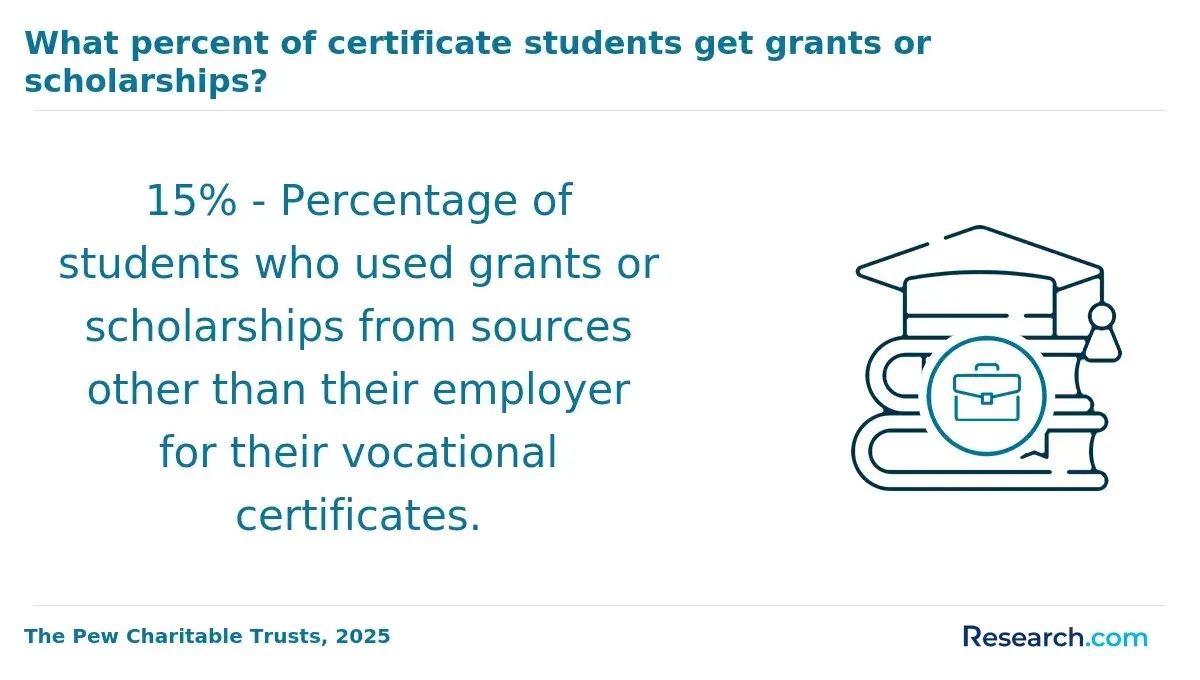
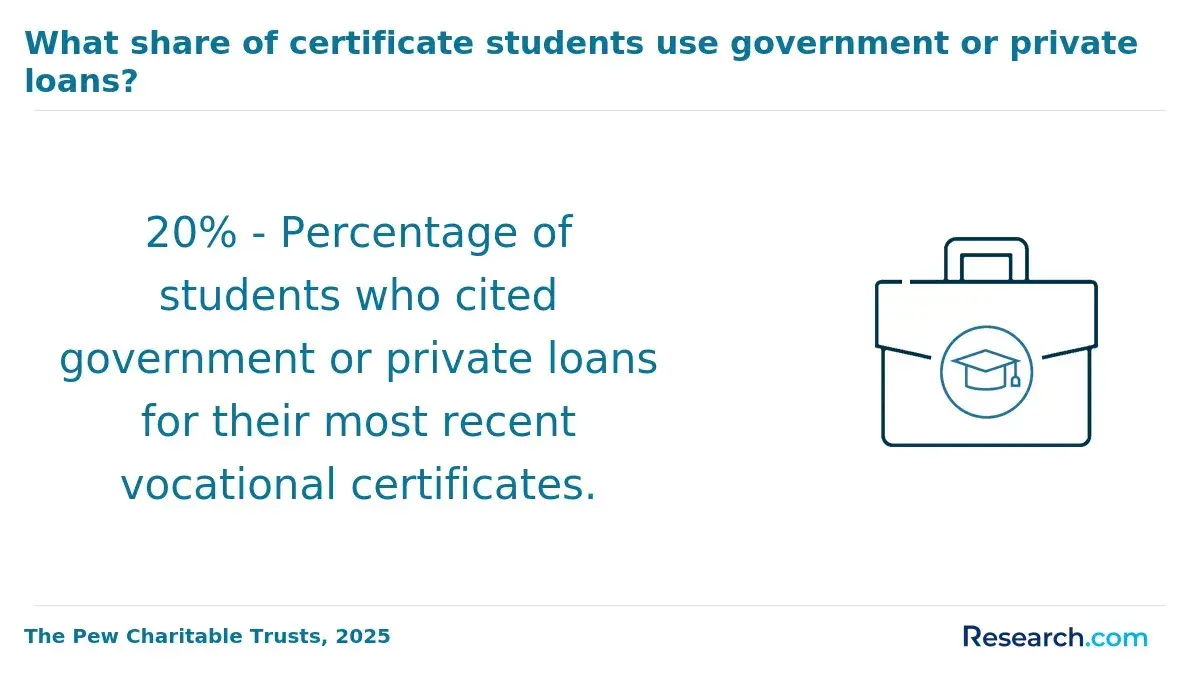
- Federal Grants and Loans: Students attending accredited online engineering technology programs generally qualify for federal aid, including Pell Grants that provide need-based funding without repayment. Federal Direct Loans offer low-interest borrowing but should be balanced carefully against expected earnings after graduation to avoid excessive debt.
- Employer Tuition Assistance: Many adult learners benefit from employer tuition reimbursement programs that cover partial or full tuition for coursework related to their jobs. This support makes online degrees a practical option for working professionals seeking career advancement without financial strain.
- Institutional Scholarships: Accredited institutions often award scholarships specifically for online engineering technology students, lowering net costs based on academic merit, financial need, or professional experience. These scholarships can substantially increase affordability.
- Transfer-Credit Savings: Accepting transfer credits from previous coursework or competency-based learning can shorten program length and reduce tuition expenses. Flexible transfer policies improve affordability and expedite degree completion for experienced students.
- Military and Veteran Benefits: Eligible active-duty military members, veterans, and their dependents may access GI Bill benefits or Tuition Assistance to cover tuition in approved online engineering technology programs, enhancing affordability for this group.
For budget-conscious learners comparing scholarships and grants for accredited online engineering technology degrees, evaluating these financial aid options alongside tuition pricing and program flexibility can greatly improve cost-effectiveness.
Prospective students should also explore affordable alternatives like a online MBA under 30k for complementary skills in leadership and management that enhance career value.
Students increasingly pursue online engineering technology degrees for flexible career options, competitive salaries, and strong long-term advancement. According to industry data, employment for engineering technicians is projected to grow 7% over the next decade, reflecting steady demand for skilled professionals.
The following career pathways highlight practical opportunities available to graduates.
- Entry-Level Professional Roles: Graduates often start as engineering technicians, quality control analysts, or CAD drafters-positions offering valuable hands-on experience supporting design and production teams. These roles provide accessible entry points while building foundational skills.
- Specialized Industry Careers: Opportunities in manufacturing technology, electronics design, HVAC systems, or construction management allow graduates to match regional labor demand and gain locally relevant employment with strong earning potential.
- Management-Track Positions: With experience, online engineering technology degree holders qualify for supervisory roles such as project coordinators, operations managers, or technical team leaders-combining technical expertise with leadership to advance career growth.
- Remote and Hybrid Jobs: Accredited programs with workforce-aligned curricula enable many graduates to work in roles like systems analysis or technical support remotely, reflecting increasing employer acceptance of online credentials.
- Graduate Education Preparation: Some students use their degree to pursue advanced studies in engineering, technology management, or applied sciences-enhancing mobility and long-term earnings through graduate school pathways.
When exploring online engineering technology degree career options, budget-conscious students and professionals should prioritize accredited programs that demonstrate strong graduate outcomes. Institutional factors such as quality accreditation and career services significantly impact long-term return on investment.
For those considering career shifts, resources related to a speech pathologist transition illustrate thoughtful career planning approaches applicable across fields.
Salary potential is a critical consideration for students seeking online engineering technology degrees-median starting wages in related fields typically range from $50,000 to $65,000 and often grow as demand for skilled technical workers rises.
With consistently strong employment trends, these programs offer substantial opportunities for long-term financial gain.
Key factors influencing earnings include:
- Industry Specialization: Graduates working in sectors like aerospace, manufacturing automation, or energy technology can command higher salaries early on, often surpassing $75,000, due to the niche skills and growing employer demand in these areas.
- Geographic Variability: Location significantly impacts compensation-urban and tech-centric regions tend to offer elevated wages that reflect higher living costs and concentrated industrial activity, while rural areas may offer lower starting pay.
- Experience and Advancement: Professionals moving into supervisory roles or project management frequently see earnings rise beyond $85,000, with decade-plus veterans in the field sometimes surpassing six-figure salaries by blending technical expertise with leadership.
- Transferable Competencies: Mastery of project management, data analytics, and relevant software enhances career flexibility-these skills not only improve employability but also leverage higher wage brackets across various industries.
- Accreditation and Outcomes: Choosing accredited online programs with solid employer recognition tends to boost salary outcomes by aligning education with workforce needs and providing transparent placement and salary data to guide informed decisions.
What Graduates Say About Best Value Online Engineering Technology Degree Programs
- Derrick: "As a student on a tight budget, I found that selecting a best value online engineering technology degree was crucial. Affordable accredited programs allowed me to avoid hefty debt while still gaining quality education. The strongest ROI came from degrees aligned with growing industries, which made the investment feel worthwhile."
- Arjun: "Reflecting on my journey as a working professional, I prioritized online engineering technology degree programs that offered flexibility without compromising on accreditation. The highest ROI was evident in programs that connected theory directly to practical skills, making career advancement achievable. Pursuing these degrees opened doors to roles in automation and aerospace sectors, which are rapidly expanding."
- Elias: "Focusing on career growth, I appreciated how some online engineering technology degrees specialize in fields like renewable energy and manufacturing. Choosing accredited, affordable programs ensured I gained credible qualifications with excellent job prospects. The investment paid off when I landed a management role, demonstrating the degree's strong ROI in my field."
Other Things You Should Know About Engineering Technology Degrees
Hands-on labs and practical experiences are essential in engineering technology degrees because they develop the applied skills needed in the field. Many top online programs incorporate virtual labs, simulation software, and at-home lab kits to ensure students gain real-world problem-solving abilities despite the remote format. These components help bridge theory with practice, enhancing job readiness after graduation.
Yes, many affordable online engineering technology programs offer part-time options designed for working adults. While part-time study may extend graduation timelines, it allows learners to continue earning income and gaining work experience-both of which contribute positively to return on investment. The flexibility of these programs helps balance education costs with career advancement.
Most accredited online engineering technology programs require remote lab kits, simulation software, or short on-campus lab residencies to meet hands-on requirements. Programs often specify a minimum number of lab hours or a final capstone with documented practical work, especially for ABET-aligned degrees.
Yes, certifications like Certified Manufacturing Engineer (CMfgE) and Certified Engineering Technician (CET) can enhance job prospects and salary potential. Many online programs prepare students to meet eligibility requirements for these credentials-boosting professional credibility. Earning recognized certifications alongside the degree often strengthens the return on investment by signaling verified expertise to employers.
- Types of Financial Aid for Online Colleges https://www.umassglobal.edu/blog-news/types-financial-aid-online-colleges
- DSC Ranked Number One in the Nation for Most Affordable Online Engineering Degrees https://www.daytonastate.edu/news-and-events/news-releases/2019-news-releases/most-affordable-online-engineering-degrees.html
- Ranked for Best Online Engineering Programs https://online.usm.edu/blog/best-online-engineering-programs/
- Technology & Engineering Degrees https://www.snhu.edu/online-degrees/technology-engineering
- Scholarships for Online Engineering Students https://www.onlinecolleges.me/financial-aid/scholarships/engineering/
- Engineering Technology Jobs | DeVry University https://www.devry.edu/blog/engineering-technology-jobs.html
- What Is the Demand for a Degree in Engineering Technology? - DegreeQuery.com https://www.degreequery.com/queries/what-is-the-demand-for-a-degree-in-engineering-technology/
- Associate Degree in Engineering https://www.pennfoster.edu/programs/trades/engineering-technology-associate-degree
- Most Affordable Engineering Degree Programs Online https://careerkarma.com/blog/cheapest-online-engineering-degree/
- Can You Actually Earn an Engineering Degree Online? How It Works and What It Costs https://money.com/online-engineering-degrees/