2027 Does an Online Speech Pathology Degree Qualify You for Licensure?

Co-Founder and Chief Data Scientist

Reviewed by Rhea Paul, PhD
SLP Education & Research Expert
An online speech pathology degree can lead to licensure, but only if the program is built for that purpose. The key question is not whether classes are online. It is whether the degree meets accreditation standards, includes supervised clinical practice, satisfies your state board’s rules, and prepares you for required certification or licensing exams.
This matters most for students who need flexibility: working adults, career changers, parents, military-affiliated learners, and students who cannot relocate for graduate school. Online delivery can make the academic portion more accessible, but speech-language pathology remains a clinical profession. You should expect in-person practicum experiences, detailed documentation, and state-specific licensure steps.
According to the American Speech-Language-Hearing Association, approximately 70% of speech pathologists hold a master's degree, often involving rigorous practicum components. Before enrolling, students should confirm that an online program is recognized by the appropriate accrediting bodies and accepted by the state where they plan to practice.
This guide explains when an online speech pathology degree qualifies for licensure, which careers require a license, what accreditation to verify, how state rules differ, and what practical challenges online students should plan for before committing to a program.
Key Things to Know About Online Speech Pathology Degree Licensure Qualifications
- Accreditation by the Council on Academic Accreditation (CAA) ensures an online speech pathology degree meets key educational standards required for licensure eligibility in most states.
- State-specific licensure requirements vary; some states mandate degree programs to be state-approved, creating eligibility differences for online graduates nationwide.
- Completion of clinical practicum or supervised experience hours, often required by licensure boards, critically impacts qualification and must be integrated into online speech pathology programs.
Does an Online Speech Pathology Degree Qualify You for Licensure?
Yes, an online speech pathology degree can qualify you for licensure if it meets the same professional standards required of campus-based programs. Licensing boards generally care about accreditation, curriculum, supervised clinical hours, examination eligibility, and documentation—not whether lectures were delivered online.
Online education has become more common in licensure-track fields. Enrollment in fully online postsecondary programs increased by over 30% between 2015 and 2020, which reflects broader acceptance of distance learning. Still, speech pathology is not a field where students can complete every requirement through coursework alone. Programs must provide a pathway to supervised clinical training that licensing boards will recognize.
Prospective students should evaluate three issues before applying:
- Accreditation and institutional recognition: The school should be properly accredited, and the speech pathology program should align with the standards required for licensure and professional certification.
- Clinical placement structure: A licensure-track program should explain how students complete supervised practica, where placements occur, and who verifies the hours.
- State compatibility: A program may meet requirements in one state but not automatically satisfy every state board. Students should check the rules for the state where they intend to work.
The safest approach is to treat “online” as a delivery format, not as proof of licensure eligibility. A high-quality online program should clearly disclose whether it is designed for licensure, which states it serves, and what additional steps graduates must complete. Students comparing flexible pathways may also review fully online slp master's programs while verifying clinical placement and accreditation details directly with each school.
Students researching allied health training may also compare how other credentialed fields structure licensure pathways, such as an accelerated CMA program, though speech pathology typically involves more extensive graduate-level preparation and supervised clinical practice.
Which Speech Pathology Careers Require Professional Licensure?
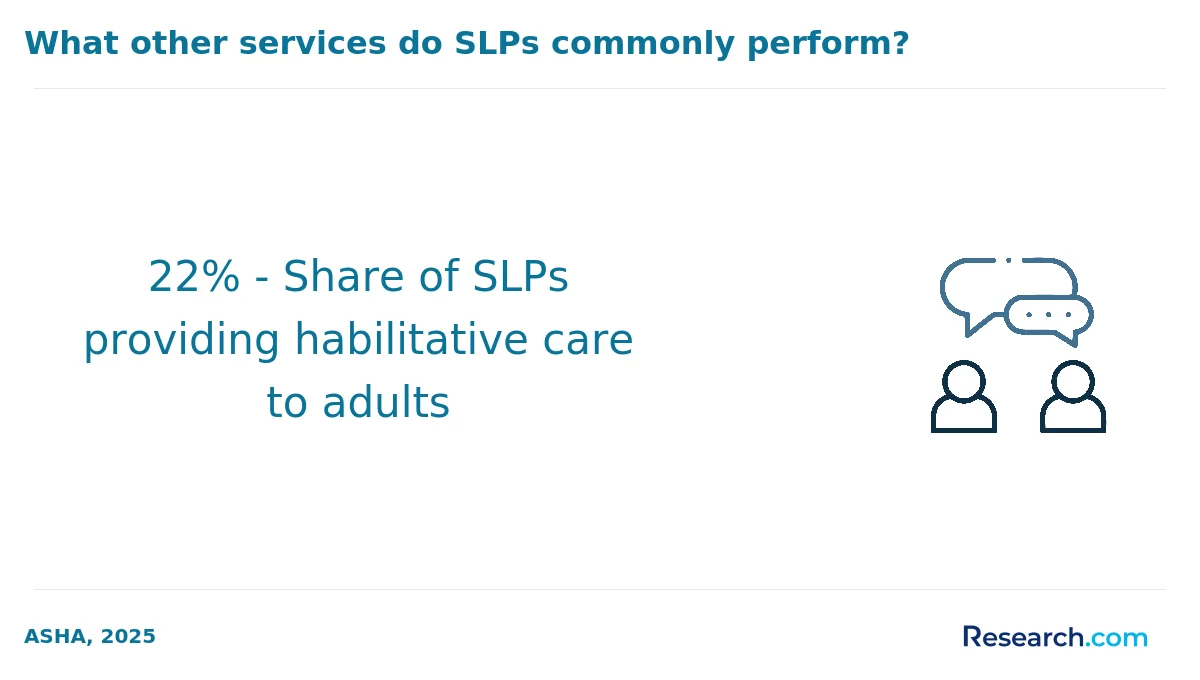
Licensure is required for many careers that involve diagnosing, treating, or managing communication, swallowing, hearing, or developmental disorders. The purpose is to protect clients and ensure that practitioners meet minimum education, clinical training, and ethical standards. Nearly 90% of licensed healthcare practitioners emphasize that licensure ensures patient safety and consistent care.
Licensure requirements vary by role and state, but the following speech pathology-related careers commonly involve professional licensure, certification, or state authorization:
- Speech-Language Pathologist: Speech-language pathologists assess and treat speech, language, voice, fluency, cognitive-communication, and swallowing disorders. This is the core licensed role most students mean when they ask whether an online speech pathology degree leads to licensure.
- Audiologist: Audiologists evaluate and treat hearing and balance disorders. This profession usually has separate education and licensure requirements from speech-language pathology, so students should not assume that an SLP degree qualifies them for audiology licensure.
- Early Intervention Specialist: Professionals working with infants and young children with developmental delays may need a license, certification, or state-issued credential. Requirements can depend on the work setting, funding source, and state early intervention system.
- Rehabilitation Specialist: Clinicians who help patients recover communication or swallowing function after stroke, brain injury, or neurological illness often need professional licensure when their duties include assessment or therapy.
The important distinction is scope of practice. If the position involves independent clinical judgment, diagnosis, treatment planning, or therapy services, a license is likely required. Support roles may have different requirements, but they also tend to come with limits on independence and clinical responsibility.
- Speech pathology graduate: "Navigating the licensing process required dedication beyond coursework. Balancing exams, clinical hours, and ethical understanding was intense. It was daunting, but knowing this step protects those we help made every hurdle worth it."
What Accreditation Is Required for Speech Pathology Licensure?
Accreditation is one of the most important checks for any online speech pathology program. It tells students, licensing boards, and employers that a program has been reviewed against recognized standards for curriculum, faculty qualifications, clinical training, and student outcomes.
Graduates from programs accredited by recognized bodies typically experience licensure pass rates above 90%, underscoring the value of proper accreditation. However, students should understand the difference between institutional accreditation and programmatic accreditation. Institutional accreditation reviews the school as a whole. Programmatic accreditation focuses on the speech pathology program itself and is often the more important licensure factor.
- Council on Academic Accreditation (CAA): The Council on Academic Accreditation under the American Speech-Language-Hearing Association is the primary accreditor to verify for speech-language pathology programs. CAA accreditation is often central to eligibility for the Certificate of Clinical Competence in Speech-Language Pathology (CCC-SLP) and state licensure.
- Commission on Accreditation of Allied Health Education Programs (CAAHEP): CAAHEP accredits programs across several allied health fields. Where relevant, this accreditation can signal that a program meets defined academic and clinical standards, but students should confirm whether it satisfies speech pathology licensure requirements in their state.
- Regional Accrediting Bodies: Regional institutional accreditation, such as accreditation from Middle States Commission or WASC, helps confirm that the college or university meets broader academic quality standards. It is important, but it does not replace speech pathology-specific accreditation when a state board requires programmatic review.
- Accrediting Bureau of Health Education Schools (ABHES): ABHES accredits certain health education institutions and programs. Students should verify whether ABHES recognition applies to the specific speech pathology-related program they are considering and whether the state licensing board accepts it.
Before enrolling, ask the program for written confirmation of its accreditation status, the exact accreditor name, and whether graduates are eligible to pursue licensure in your intended state. Do not rely only on phrases such as “accredited university” or “licensure-aligned.” Those statements may not answer the specific question a licensing board will ask.
Do Licensure Requirements Vary by State for Speech Pathology Careers?
Yes. Speech pathology licensure requirements vary by state, and this can affect online students more than campus-based students because online programs often enroll learners across multiple jurisdictions. A program may be well designed and accredited but still require state-specific review before a graduate can practice.
Nearly 40% of states maintain distinct requirements that affect the transferability and recognition of credentials, reflecting significant variability in licensing standards. These differences can involve education standards, clinical hour documentation, background checks, jurisprudence requirements, temporary licenses, supervised professional experience, or the timing of exams and applications.
State differences can affect online speech pathology students in several ways:
- Program authorization: Some states require institutions to be authorized to enroll residents or provide clinical placements there.
- Clinical supervision rules: Boards may define who can supervise, where hours may be completed, and what records must be submitted.
- Coursework expectations: Certain states may require specific content areas or documentation beyond the degree itself.
- Application sequencing: Students may need to complete exams, supervised experience, or temporary licensing steps in a specific order.
Because of these differences, students should identify their intended state of practice before enrolling. If you may move after graduation, review multiple states and ask the program whether it has a record of graduates obtaining licensure in those locations.
Students comparing state-based education pathways in allied health may also find it useful to review how programs with clear progression models are described in resources such as RN to BSN no prerequisites, while remembering that speech pathology licensure has its own clinical and accreditation requirements.
What Online Courses Are Required for Speech Pathology Licensure?
Online speech pathology programs that prepare students for licensure typically combine scientific foundations, clinical methods, ethics, assessment, treatment planning, and evidence-based practice. Coursework alone is not enough for licensure, but it provides the academic base students need before and during supervised clinical experiences.
Over 70% of graduate students in this field now partake in online learning formats, underscoring the modality's growing acceptance. Strong online programs use structured assignments, case-based learning, simulations, faculty feedback, and clinical preparation activities rather than relying only on recorded lectures.
Common course categories include:
- Foundational Communication Theory: Courses in speech, language, hearing, anatomy, physiology, phonetics, and language development help students understand how communication systems function and how disorders are identified.
- Applied Clinical Techniques: These courses train students in assessment, diagnosis, intervention planning, documentation, progress monitoring, and therapy methods. Online programs may use case studies, virtual labs, recorded demonstrations, and supervised practice preparation.
- Ethics and Professional Conduct: Students study legal responsibilities, professional boundaries, confidentiality, scope of practice, cultural responsiveness, and regulatory obligations. This content is essential because licensure is not only a technical credential; it also confirms readiness for ethical practice.
- Research Methods and Evidence-Based Practice: Students learn how to evaluate clinical research, interpret evidence, and apply findings to client care. This helps graduates make defensible treatment decisions and maintain professional competence after licensure.
Students should compare course lists against state licensure requirements and certification standards before enrolling. If a program does not clearly map its curriculum to licensure expectations, ask admissions or the program director for written clarification.
- Licensed speech pathology graduate: "It was not just about watching videos or reading, but actively engaging with the material and case-based exercises that made the learning stick. The online format was flexible, but the expectations were still clinical and rigorous."
Do Online Speech Pathology Programs Require Internships for Licensure?
Yes, licensure-track online speech pathology programs typically require supervised clinical experiences, practicums, internships, or field placements. Speech pathology is a hands-on profession, so students must demonstrate clinical competence with real clients under qualified supervision.
Data indicates that around 85% of online and hybrid allied health degree programs include practical clinical components, highlighting their importance. In speech pathology, these experiences are not optional extras. They are central to licensure readiness and professional preparation.
Clinical requirements may be handled in different ways depending on the program:
- Local placements: The program helps students complete supervised hours in schools, clinics, hospitals, rehabilitation centers, or community settings near where they live.
- Program-arranged sites: Some schools maintain formal placement partnerships and assign students to approved sites.
- Student-secured placements: Some programs expect students to help identify potential sites, while the school approves supervisors and verifies compliance.
- Residencies or intensive sessions: Hybrid programs may require short in-person sessions on campus or at designated clinical sites.
Before enrolling, ask who is responsible for finding placements, what happens if a site is unavailable in your area, whether the program has placed students in your state before, and how clinical hours are documented. A flexible online format is valuable, but weak placement support can delay graduation or licensure.
How Do Licensing Exams Work for Online Speech Pathology Graduates?
Licensing exams evaluate whether graduates have the knowledge and clinical judgment needed for entry-level professional practice. Online graduates generally follow the same exam process as campus-based graduates if they completed an eligible program and meet state board requirements.
Approximately 80% of candidates pass the national certification exam, demonstrating that online degree holders can be well-positioned for professional licensure when their programs provide strong academic and clinical preparation.
- Eligibility Requirements: Online graduates must meet the same education, clinical, and documentation requirements as other candidates. The delivery format does not usually determine eligibility; the program’s accreditation, curriculum, and clinical training do.
- Exam Content: Licensing or certification exams commonly assess assessment procedures, treatment planning, intervention methods, communication and swallowing disorders, professional issues, and ethics. Candidates should expect questions that test application of knowledge, not only memorization.
- Preparation Expectations: Students should prepare by reviewing graduate coursework, clinical cases, diagnostic frameworks, treatment approaches, and professional standards. Practice exams and structured review plans can help identify weak areas before test day.
- Testing Administration: Exams are typically administered through authorized testing systems under standardized conditions. Online graduates do not receive a separate or easier exam because they studied remotely.
Students should confirm which exam their state requires, when they are allowed to take it, and whether they must complete supervised professional experience before receiving a full license. These details can affect job timing after graduation.
How Do You Verify an Online Speech Pathology Program's Licensure Status?
Verifying licensure status is one of the most important steps before enrolling in an online speech pathology program. Research indicates that nearly 30% of students unintentionally enroll in programs that do not fully support licensure eligibility. The best protection is to confirm requirements directly instead of relying on general marketing language.
Use the following checklist before applying or paying a deposit:
- Review official program disclosures: Look for clear statements about accreditation, state authorization, clinical placement expectations, and licensure eligibility. A credible program should explain where it does and does not meet licensure requirements.
- Confirm institutional recognition: Verify that the college or university holds recognized institutional accreditation. This is usually a baseline requirement, but it does not by itself prove that the speech pathology program meets professional licensure standards.
- Check the state licensing board: Review your state board’s requirements and approved program guidance. If the board provides a list of acceptable programs or accreditation expectations, compare the online program directly against that list.
- Ask for written confirmation: Contact the program and request written information about licensure eligibility in your state. Save emails, disclosures, and advising notes in case questions arise later.
- Review graduate outcomes: Ask about licensure exam pass rates, clinical placement completion, graduation outcomes, and employment indicators. Programs that prepare students well should be able to discuss outcomes transparently.
Students planning a broader healthcare career comparison may also review related roles and compensation context, such as information about the medical coder salary, but licensure verification for speech pathology should always come from official program and state board sources.
Avoid enrolling until you can answer this question clearly: “If I graduate from this program, what exact steps remain before I can apply for licensure in my intended state?”
What Challenges Do Online Speech Pathology Students Face With Licensure?
Online speech pathology students can succeed in the licensure process, but they need to plan carefully. The most common problems are not caused by online learning itself. They usually come from state rule differences, incomplete documentation, unclear clinical placement responsibilities, or assumptions that accreditation automatically applies everywhere.
A 2022 survey from the American Speech-Language-Hearing Association found that about 20% of graduates from online speech pathology programs experienced delays or complications in licensure applications due to documentation or program requirement issues.
Common challenges include:
- Program Alignment: Students must confirm that the online speech pathology degree meets the educational standards of the licensing authority where they intend to practice. A program may be legitimate but not aligned with every state’s requirements.
- Documentation Requirements: Licensing boards often require detailed proof of coursework, supervised hours, supervisor qualifications, exam results, and degree completion. Missing or inconsistent records can slow an application.
- Clinical Practice Expectations: Fully online coursework still requires in-person clinical experience. Students may face delays if approved supervisors or placement sites are limited in their area.
- Eligibility Pathways: State-specific rules can be difficult to interpret, especially for students who live in one state, attend an online program based in another, and hope to work in a third.
Students can reduce risk by creating a licensure file early. Keep syllabi, clinical hour logs, supervisor credentials, program disclosures, accreditation documentation, and state board correspondence. Do not wait until graduation to discover what the board requires.
For prospective students comparing healthcare programs with different clinical models, reviewing options such as the best online DNP program may offer useful context, though speech pathology licensure remains governed by its own standards and should be evaluated separately.
Are Online Speech Pathology Degrees Respected in Licensed Professions?
Online speech pathology degrees are generally respected when they come from accredited, licensure-aligned programs with strong clinical training. Employers and licensing boards are more concerned with program quality, supervised experience, exam readiness, and professional competence than with whether academic coursework was completed online.
A 2022 survey found that 68% of healthcare employers regard online degrees as equally credible as traditional degrees when programs are accredited and meet professional standards. This reflects a practical shift in clinical hiring: the degree format matters less than whether graduates can document preparation and perform safely in practice.
That said, not every online degree carries the same value. Respect depends on several factors:
- Recognized accreditation: The program should meet the standards expected for speech pathology licensure and certification.
- Comparable clinical training: Graduates should complete supervised experiences that prepare them for real-world caseloads.
- Transparent outcomes: Exam pass rates, licensure outcomes, and employment indicators help show whether the program delivers results.
- State acceptance: A respected program should be able to explain where it supports licensure and where additional steps may apply.
The strongest online programs are not shortcuts. They are structured alternatives to campus study that preserve academic rigor and clinical accountability. Students evaluating healthcare program credibility may find accreditation comparisons in related fields useful, such as Capella University nursing accreditation, but speech pathology students should still verify SLP-specific recognition and state licensure alignment.
What Graduates Say About Online Speech Pathology Degree Licensure Qualifications
- Ricci: "Pursuing an online speech pathology degree felt like the right balance between flexibility and serious clinical preparation. I was initially concerned about whether an online program would meet licensure requirements, but researching accreditation and state approval helped me make a confident choice. Holding my license now allows me to work in diverse clinical settings and shows that the online path can pay off when the program is properly vetted."
- Piper : "Choosing an online path to earn my speech pathology degree was a practical decision because I needed to manage work and family at the same time. I learned quickly that not all online programs qualify for licensure, so I made sure to choose one that was accredited and recognized by the state board. Earning licensure after graduation strengthened my credibility and opened professional doors I had not expected."
- Rhett : "From a professional standpoint, obtaining a speech pathology license after completing an online degree program was efficient without reducing the rigor of training. The licensure process required accredited coursework and supervised clinical hours, both of which my program provided. Holding the license has advanced my career and allowed me to serve clients confidently across healthcare environments."
Other Things You Should Know About Speech Pathology Degrees
Yes, most reputable online speech pathology degree programs incorporate supervised clinical experiences as part of their curriculum. These clinical practicum hours are essential for licensing eligibility and are typically completed at approved local healthcare or educational sites. Students work directly with clients under the supervision of certified professionals to meet state and national licensure standards.
Licensing boards generally consider degrees from accredited online programs as equivalent to on-campus degrees, provided the program meets accreditation and clinical requirements. However, it remains important to verify that the online program is accredited by recognized bodies and that its curriculum aligns with licensure prerequisites. Some states may have specific policies, so students should always confirm with their state licensing board.
Many online speech pathology degree programs are designed to prepare students for the national licensing exam, known as the Praxis Examination in Speech-Language Pathology. These programs typically include coursework and practice tests aligned with exam content areas. Prospective licensure candidates should confirm that their program specifically supports exam preparation.
In 2027, online speech pathology programs must include rigorous coursework, supervised clinical experiences, and prepare students for eligibility for national exams like Praxis. Programs are designed to meet state and accrediting agency standards, ensuring graduates can pursue licensure similarly to their on-campus counterparts.
References
- U.S. Bureau of Labor Statistics - Speech-Language Pathologists https://www.bls.gov/ooh/healthcare/speech-language-pathologists.htm
- ASHA EdFind - Accredited Speech-Language Pathology Programs https://find.asha.org/ed/
- ETS Praxis - Speech-Language Pathology (5331) https://praxis.ets.org/test/speech-language-pathology-5331.html
- Baylor University - Master of Science in Speech-Language Pathology (Online) https://csd.robbins.baylor.edu/graduate/online-csd-graduate-program
- California State University-Northridge - Master of Science in Communicative Disorders (Online) https://tsengcollege.csun.edu/programs/CDS
- Pennsylvania Western University - Master of Science in Speech-Language Pathology https://online.pennwest.edu/programs/speech-language-pathology-grad/index.php
- New York University - Online MS, Communicative Sciences and Disorders (Speech@NYU) https://steinhardt.nyu.edu/degree/online-ms-communicative-sciences-and-disorders
- University of North Carolina at Greensboro - Speech-Language Pathology, M.A. (Online) https://csd.uncg.edu/graduate/masters-of-arts-online/