2027 Documenting Volunteer Hours for a Public Health Program

Co-Founder and Chief Data Scientist
A volunteer shift can strengthen a public health application, but an unsupported hours total may tell an admissions reviewer little. Students and early-career applicants need a record that shows when they served, what they did, who supervised them, and how the work relates to population health.
This guide explains how to build that record, which activities may count, and when a school, not the volunteer organization, must decide whether experience meets a requirement. You can use it to document service accurately without mistaking volunteer hours for admission, practicum, or certification credit.
Key Things You Should Know
- Keep a dated log of hours, duties, organization, and supervisor. Retain independent confirmation rather than relying on a résumé total alone.
- There is no universal number of volunteer hours required for public health admission. Check the specific program and distinguish a requirement from experience that merely strengthens an application.
- Volunteer service does not automatically count toward an academic practicum or professional certification; each has separate eligibility and verification rules.
How Should You Document Volunteer Hours for a Public Health Program?
Start a running log when you begin serving, not when applications open. Record the actual time worked, then describe your contribution in terms an admissions reader can assess: the population or program served, your responsibilities, the skills you used, and the limits of your role.
A food distribution volunteer, for example, might document outreach and resource coordination without claiming to have evaluated the program's health outcomes.
A simple documentation sequence helps prevent conflicting totals:
- Confirm with the organization which activities and time it considers volunteer service, including training or remote work.
- Log each service date, start and end time or duration, location or remote format, task, and supervisor.
- Reconcile the log periodically with the organization's sign-in system or coordinator, and save its confirmation.
- Before applying, total the eligible hours for each organization and tailor the activity description to the application's instructions.
Keep hours separate from impact claims: distributing materials is verifiable work; reducing disease risk requires evidence you may not have. Applicants exploring public health BS programs and career preparation can use the same log to identify skills they still need to develop through coursework or supervised projects.
What Counts as Public Health Volunteer Experience?
Relevant experience addresses a community or population-level health need, supports prevention, or helps a health-serving organization operate. Examples include health education outreach, vaccination-event logistics, disaster preparedness, food-access programs, environmental health projects, and assistance with approved community surveys. The work need not have "public health" in its title.
Describe the actual task rather than assuming all time at a health-related site is equivalent. Greeting visitors at a clinic can show service and communication skills, while developing accessible outreach materials may also demonstrate health communication. Neither activity should be presented as clinical care or independent research.
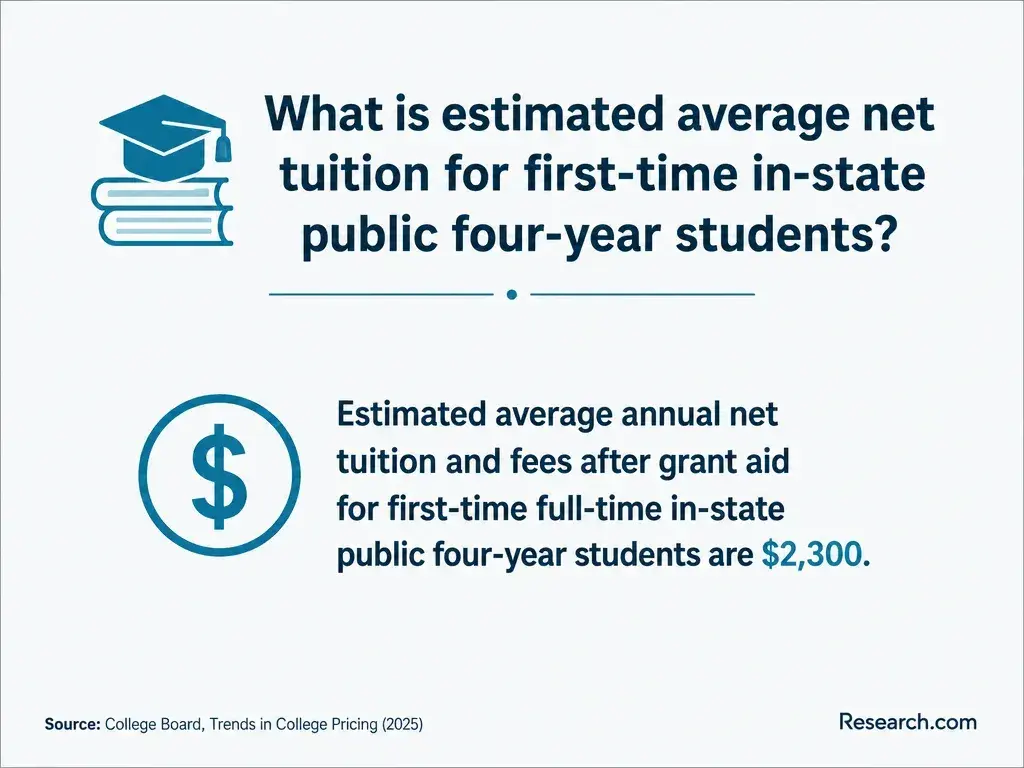
For students deciding how much time they can devote to unpaid service, compare that commitment with tuition and other obligations when considering low-cost public health bachelor's programs online; more hours are not automatically more valuable than sustained, well-supervised work.
What Records Prove Your Public Health Volunteer Hours?
The strongest record combines your detailed log with confirmation from someone authorized to verify it. An organization's attendance report, signed verification form, or coordinator email can establish dates and totals.
A supervisor letter can add context about duties, reliability, and supervision. Save application-specific forms too: a school may require its own signature or submission method rather than accept a general letter.
Ask the verifier to confirm only what their records support. If the organization can verify participation but not exact hours, say so and ask admissions whether your contemporaneous log is acceptable. Do not include client names, patient details, photographs, or restricted program data in an application.
If uneven grades are also part of your application, MPH applications after uneven undergraduate grades require a separate explanation; service documentation can show preparation but does not erase an academic requirement.
Not as a universal rule. A program may require relevant experience, invite applicants to describe community service, or impose no volunteer-hours minimum. Those are different policies. Check the admissions page and the application for your intended degree and entry term, then ask whether paid work, internships, caregiving-related community work, or research can demonstrate the same competency when relevant.
If experience is recommended rather than required, prioritize evidence of sustained responsibility and reflection over an arbitrary total. If a requirement appears unmet, request a written explanation of acceptable alternatives before assuming you are ineligible. Guidance on reviewing conditional public health graduate entry may help frame questions, but only the admitting program can confirm an exception or conditional offer.
Volunteer service is an activity you undertake with an organization. A practicum or MPH applied practice experience is an academic requirement governed by the school's approval, learning objectives, supervision, deliverables, and assessment rules. An organization's willingness to host you establishes neither course eligibility nor permission to use its data for coursework.
If you hope to use an existing volunteer role for fieldwork, contact the academic coordinator before counting it toward a course. Ask whether the site and supervisor qualify, whether the proposed tasks meet competencies, what agreement and deliverables are required, and whether prior hours can count.
Also establish who can authorize access to data and what may be shared in a portfolio. Unpaid fieldwork can add scheduling and transportation costs; include those obligations when comparing public health master's fees and earning potential.
Often, if the organization has legitimate remote tasks and the program accepts the experience for its intended purpose.
Possible assignments include preparing approved health-education materials, supporting outreach scheduling, translating materials when qualified, or helping organize nonrestricted program information. Remote availability does not imply flexible deadlines or independent access to participant data.
Agree on a supervisor, expected schedule, method for recording time, and review process before starting. Use only approved systems for any sensitive information. If you need remote service to satisfy an academic requirement rather than support an application, obtain school approval first.
When planning an online degree around work or caregiving, budget planning for online MPH study should account for any required live meetings and fieldwork time as well as tuition.
There is no single public health admissions threshold. Use the number published by the specific program if it sets one; if it does not, do not manufacture a target from another school's policy. An application may ask for a total so reviewers can understand the scale of an activity, not because a particular total determines admission.
Calculate hours from actual service periods, excluding time the organization or application does not count. Keep overlapping activities separate and avoid counting the same hour twice. If you are choosing between additional volunteering and finishing a prerequisite, a required course usually deserves priority.
For the broader education commitment, public health degree timelines and salary considerations can help you weigh time in school against service opportunities; neither predicts how an admissions committee will value your hours.
They may provide useful preparation, but they count toward a certification's experience requirement only if the certifying organization's current rules include that type of work. For example, CPH and health education credentials such as CHES or MCHES have distinct eligibility pathways. Do not infer eligibility from a public health degree, a volunteer title, or a supervisor's endorsement.
Identify the credential first, then check its official rules for qualifying education or experience, required duties, verification, and any examination. Keep task descriptions detailed enough to show what you personally did.
A doctoral application is a different decision altogether. Information about public health doctorate application accessibility cannot establish eligibility for a professional certification.
Requirements depend on the job's actual duties, employer, and state. Many outreach, program support, and public health analyst positions do not have a general public health license. Clinical roles and some specialized positions can have separate licensing or credential rules that volunteering and a public health degree do not satisfy.
Read postings for your target role and distinguish "required" credentials from "preferred" ones. Match your volunteer record to the tasks you can demonstrate, such as community outreach or program coordination, without claiming professional authority you did not hold. Additional education is not a substitute for a required license.
Likewise, lower-cost public health doctoral career pathways should be evaluated against the responsibilities of the job you want, not treated as a route around occupational requirements.
How Can You Choose a Public Health Program That Values Service?
Look beyond an admissions page that praises community engagement. Compare how programs assess applicants' service, whether students can work with community partners, how placements are approved and supervised, and whether schedules permit sustained participation.
Ask for the policy that applies to your intended entry term and whether volunteer experience can ever become an approved academic placement.
Choose based on the support you need, not the largest hours target. If finances limit unpaid service, ask about paid applied opportunities, placement assistance, and funding terms.
Research on online MPH scholarships and eligibility can inform that comparison, but confirm awards and conditions directly with each school. A good fit makes service educationally meaningful without assuming every applicant can afford extensive unpaid work.
Other Things You Should Know About Public Health Programs
Yes, if the application permits it. Use surviving schedules, emails, or organizational records to reconstruct dates, label estimates honestly, and ask a former coordinator what they can verify.
No. Report it as paid experience unless the application explicitly instructs otherwise. Describe its public health relevance without mislabeling your employment.
It may, particularly if you carried out identifiable community health activities. Record the host organization, specific tasks, dates, and someone who can confirm your participation.
Provide your log and available confirmation, explain any discrepancy, and follow its review process. Correct an error promptly rather than asking a supervisor to verify hours they cannot substantiate.
- Recordkeeping and Reporting | dol.gov https://www.dol.gov/general/topic/workhours/hoursrecordkeeping
- Summary of the HIPAA Security Rule | hhs.gov https://www.hhs.gov/hipaa/for-professionals/security/laws-regulations/index.html
- Protecting Privacy and Confidentiality | Scientific Integrity https://www.cdc.gov/scientific-integrity/php/protecting-privacy-confidentiality/index.html
- Chapter 1: Health Center Program Eligibility | hrsa.gov https://bphc.hrsa.gov/compliance/compliance-manual/chapter1
- Measuring, Reporting and Communicating Volunteer Impact | richmond.edu https://scholarship.richmond.edu/cgi/viewcontent.cgi
- Monitoring Your Progress - Main Section - Community Tool Box https://ctb.ku.edu/en/table-of-contents/evaluate/evaluate-community-initiatives/monitor-progress/main