
2027 Counseling Psychology Degree Careers That Do Not Require Graduate School

Co-Founder and Chief Data Scientist
Recent counseling psychology graduates often face a critical decision: which career paths allow immediate entry with a bachelor's degree, and which require further graduate education or credentials? Approximately 40% of counseling psychology-related roles admit candidates without advanced degrees, emphasizing skills and internship experience over formal qualifications. Employers increasingly seek practical abilities alongside academic knowledge, especially for roles in community outreach and human services.
This article examines career options for counseling psychology graduates that do not require graduate school while offering solid employability and growth potential, helping readers navigate education and career planning effectively.
Key Things to Know About the Counseling Psychology Careers That Do Not Require Graduate School
- Many counseling psychology roles allow direct workforce entry with a bachelor's degree, especially in support, case management, and community outreach positions.
- Employer expectations for entry-level jobs often prioritize interpersonal skills, certifications, and relevant internships over graduate education.
- Practical experience and internships significantly boost hiring prospects, making these positions accessible while providing meaningful long-term career growth opportunities.
What Career Paths Can You Pursue with a Counseling Psychology Degree Without Graduate School?
Many graduates with a counseling psychology degree find access to diverse career options immediately after earning their bachelor's, though opportunities depend on role type and industry demand. Data indicate that about 35% of bachelor-level holders enter the workforce without pursuing further graduate education, reflecting strong hiring trends in certain entry-level roles.
Here are some accessible entry-level counseling psychology jobs without graduate school that graduates often pursue:
- Human Services Assistant: This role involves supporting social service agencies by providing direct client assistance and coordination. It is widely accessible due to the broad applicability of interpersonal and organizational skills gained in a counseling psychology bachelor degree program.
- Case Manager: Bachelor's degree holders often serve in nonprofit settings managing client cases, tracking progress, and linking individuals with resources. These positions typically value foundational knowledge without requiring advanced degrees.
- Behavioral Health Technician: Many hospitals and clinics hire counseling psychology graduates to assist mental health professionals by observing patients and supporting treatment protocols. The role's entry-level nature makes it suitable for those without graduate credentials.
- Rehabilitation Specialist: Graduates contribute by helping individuals cope with disabilities, leveraging core concepts learned in their degree to design adjustment plans. This career path is open to those holding a bachelor's degree due to its focus on applied support rather than advanced clinical practice.
- Substance Abuse Counselor Assistant: Working under supervision, assistants support licensed counselors and engage clients using counseling theories understood at the bachelor's level. These roles provide valuable experience without requiring graduate-level qualification.
These career options highlight how the wide-ranging skills developed through a counseling psychology bachelor degree can open doors to multiple job paths. To explore additional opportunities, you might consider resources like the easiest DNP program online, which can be an accessible step for advancing in related health fields.
What Are the Highest-Paying Jobs for Counseling Psychology Degree Graduates Without a Graduate Degree?
Some of the highest-paying careers available to counseling psychology graduates can be accessed without pursuing graduate school, especially in roles where employers recognize the value of a bachelor's degree paired with specialized skills. According to the U.S. Bureau of Labor Statistics, positions related to behavioral health and human services often offer median annual salaries between $40,000 and $70,000. These roles benefit from growing workforce demand and critical responsibilities that justify competitive compensation.
Below are several well-compensated career options suitable for counseling psychology graduates holding a bachelor's degree:
- Behavioral Health Technician: Supporting licensed clinicians by assisting clients and managing treatment plans, this role commands favorable pay due to rising mental health service needs and its vital contribution to patient care.
- Human Resources Specialist: Leveraging interpersonal and conflict resolution skills, counseling psychology graduates excel in managing employee relations and recruitment, leading to salaries reflecting their importance in cultivating productive workplaces.
- Career Counselor: Providing vocational guidance and helping individuals map career goals, these professionals are valued for their advisory role in education and government sectors, often earning higher-than-average wages.
- Social Service Manager: Overseeing programs in mental health and family services, this position benefits from a psychological background that enhances program effectiveness and funding success, supporting competitive remuneration.
- Market Research Analyst: Utilizing insights into human behavior to interpret consumer data, this role is strategically important in business development and marketing, justifying high salaries in various industries.
What Skills Do You Gain from a Counseling Psychology Degree That Employers Value?
Counseling psychology degree programs develop a set of versatile skills that employers highly value, especially for positions that do not require graduate education. A 2023 LinkedIn survey found that 92% of hiring managers place equal or greater importance on soft skills compared to technical abilities. These competencies prepare graduates to successfully enter a wide range of professional environments.
Below are key transferable skills cultivated through a counseling psychology degree that contribute to workplace effectiveness:
- Effective Communication: Students learn to listen attentively and convey ideas clearly, adapting their style to suit different audiences. These skills support teamwork and roles in customer service, human resources, and coordination without needing advanced credentials.
- Critical Thinking and Problem Solving: The program trains students to evaluate situations carefully, identify relevant factors, and develop appropriate responses. Employers value this ability to handle challenges independently and make sound decisions.
- Emotional Intelligence: Through studying behavior and emotions, students gain empathy and interpersonal insight. These traits improve workplace relationships and conflict management, crucial for support or administrative positions.
- Organizational Skills: Managing research projects and assignments sharpens time management and prioritization abilities. Graduates become adept at juggling multiple responsibilities efficiently and meeting deadlines.
- Research and Data Literacy: Coursework enhances students' capacity to interpret data and apply findings, aiding evidence-based decision-making. This skill benefits jobs involving quality control, data analysis, or program evaluation.
A counseling psychology degree graduate shared that in their first job, adapting communication techniques learned through the program helped them navigate diverse team dynamics and resolve conflicts more effectively, underscoring the practical value of their interpersonal skills in real-world settings.
Many counseling psychology graduates secure entry-level roles immediately after earning their bachelor's degree, often without prior professional experience. Employers frequently create positions tailored to recent graduates, providing pathways into the workforce without requiring graduate school. Surveys suggest that more than 40% of counseling psychology bachelor graduates find their first jobs within six months.
Below are common entry-level roles accessible to counseling psychology graduates with no experience.
- Behavioral Technician: Typically working alongside psychologists or therapists, behavioral technicians support clients through practical interventions. These roles usually involve on-the-job training, making them ideal entry points for those without a background in clinical work.
- Case Manager Assistant: These positions focus on organizing and coordinating client care under licensed clinicians. The role emphasizes communication and organizational skills, aligning well with employer expectations for counseling psychology bachelors.
- Human Services Assistant: Engaging directly with clients and assisting in administrative duties, these roles are widely available in social service agencies. Many organizations recruit recent graduates to fill such positions as a stepping stone toward clinical careers.
- Rehabilitation Support Worker: In rehabilitation centers, support workers help individuals recovering from physical or mental health challenges. These jobs value empathy and patience, making them suitable for early-career hiring in counseling psychology.
For graduates considering broader healthcare roles, pursuing a bachelor of science in healthcare administration can also open additional career opportunities.
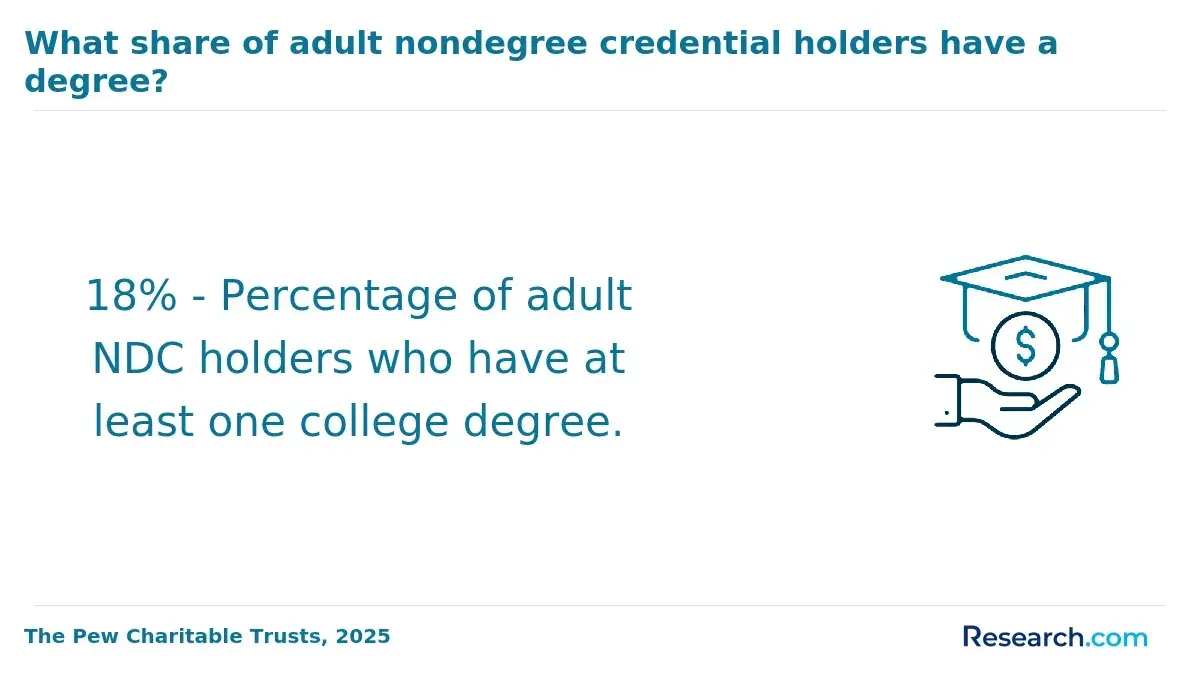
Certifications and short courses offer Counseling Psychology graduates practical ways to increase their job prospects without attending graduate school. These credentials provide targeted skills that employers recognize as valuable, making candidates more competitive in the job market. In fact, a 2023 survey by the National Association of Colleges and Employers found that 67% of employers prefer hiring individuals who possess certifications or short-term training alongside formal education.
Several options can help counseling psychology majors strengthen their career readiness:
- Mental Health First Aid Certification: This credential trains individuals to identify and respond effectively to mental health crises, demonstrating readiness to assist clients in distress. It is especially useful for roles in community support and crisis intervention.
- Certified Peer Specialist (CPS): Designed for those with lived experience in mental health, this certification enables professionals to offer peer support services. It expands opportunities in recovery and advocacy-focused positions.
- Trauma-Informed Care Training: These courses teach the impact of trauma on behavior and decision-making. Employers value this expertise for positions involving social services, youth programs, and nonprofit work.
- Life Coaching Certifications: Focused on coaching methods, goal-setting, and motivation, these programs open doors in personal development and wellness sectors.
- Substance Abuse Counselor Certification (non-clinical): Offering practical skills to assist clients with addiction challenges, this certification broadens career options without requiring clinical licensure.
A professional with a Counseling Psychology degree shared how pursuing the Mental Health First Aid certification helped bridge the gap between academic knowledge and practical application. They described initial doubts about managing real crises, but found the training comprehensive and confidence-building. Completing the course not only enhanced their skill set but also opened doors to community-based roles that didn't require graduate degrees. This experience affirmed that targeted certifications can effectively boost employability and professional growth without the extended commitment of advanced schooling.
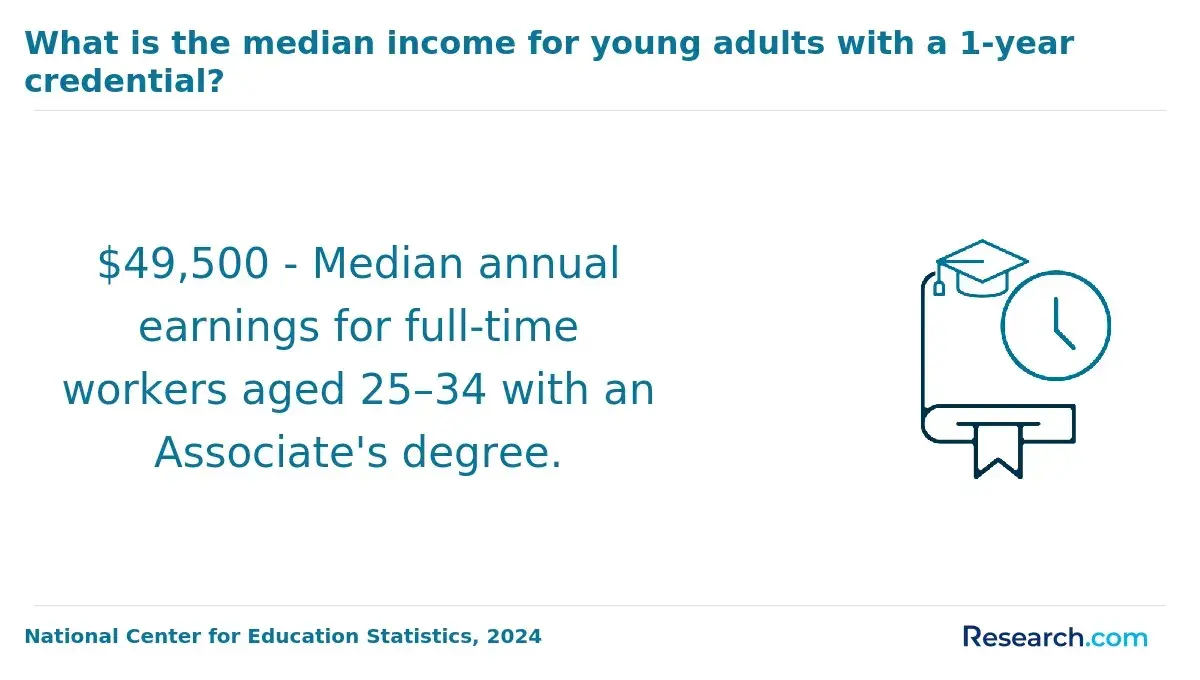
Employment opportunities for counseling psychology graduates without advanced degrees vary widely across industries. Some sectors demonstrate greater openness to bachelor's-level candidates due to their workforce needs and the nature of available roles. Recent data indicates that around 35% of counseling psychology graduates find jobs in fields that hire extensively at the undergraduate level.
Below are several key industries known for hiring counseling psychology graduates without graduate school and the reasons for their accessibility.
- Social Services: This sector offers many entry-level roles such as case management and outreach that support frontline efforts. The demand for diverse client services creates opportunities for bachelor's degree holders to assist licensed professionals.
- Human Resources: Corporations often recruit counseling psychology graduates for employee assistance, conflict mediation, and wellness initiatives. These job functions value interpersonal skills and psychological insight without requiring further academic credentials.
- Educational Support: Schools and nonprofits frequently employ graduates in student advising and program coordination roles. The variety of credential requirements in this field opens pathways for candidates without graduate degrees.
- Health and Rehabilitation: Organizations in this area hire graduates for rehabilitation aid and patient advocacy, driven by interdisciplinary collaboration and staff demand. Bachelor-level qualifications are often sufficient for these supportive roles.
Freelance, remote, and other non-traditional career structures increase access for counseling psychology graduates by reducing dependence on conventional workplace pathways. Digital and independent work models make it easier to enter the field without requiring graduate school or extensive professional experience. About 59% of bachelor's degree holders in psychology-related fields engage in some form of remote or freelance work, reflecting the growing shift toward flexible employment arrangements.
The following outlines several remote and freelance career pathways that offer greater flexibility and accessibility for counseling psychology graduates.
- Distributed Work Systems: Organizations operating fully or partially online employ team members across locations, often asynchronously. Roles such as wellness program coordination, client support via chat or phone, and mental health data assistance fit well here, reducing the need for physical presence.
- Digital-First Labor Markets: Online platforms connect professionals with clients on a project or hourly basis. Examples include telehealth support assistants and online community moderators for mental health content. These platforms allow graduates to gain experience and build portfolios without geographic restrictions.
- Project-Based Independent Contracting: Freelancers take on short-term assignments such as workshops, surveys, or resource development. Remote project management tools enable graduates to serve multiple clients across locations, promoting diversified work experience.
- Virtual Coaching and Peer Support Roles: While clinical therapy requires advanced credentials, coaching and peer support focus on guidance and lifestyle management. Graduates can offer these services online through supervised or certified digital platforms.
- Content Development and Online Education: Producing educational materials like articles, videos, or courses on behavioral health allows counseling psychology graduates to work flexibly for educational sites and health organizations.
Graduates with a counseling psychology degree can launch their careers by entering the workforce directly after earning a bachelor's degree, often finding entry-level roles that match their foundational skills. Early career momentum is shaped by gaining practical experience and exposure to diverse workplace environments, which helps build relevant competencies. About 60% of counseling psychology graduates secure employment related to their field within a year, highlighting strong workforce entry timelines. Those interested in exploring related healthcare roles might also examine the job outlook for medical billing and coding, which shares some workforce characteristics.
Long-term career growth in counseling psychology without graduate school typically comes from advancing within organizations through increasing responsibilities and expanded role scope. Many professionals develop their careers through on-the-job learning, professional development, and networking rather than formal education. This path varies widely depending on the role, with some advancing to supervisory positions in human services or educational settings. For those wondering how to start a counseling psychology career without graduate school, focusing on sustained engagement and skill growth is essential for success.
Skipping graduate school is a common pathway for many pursuing careers in counseling psychology, allowing earlier entry into the workforce. While this choice opens immediate job opportunities, it can also influence long-term professional development depending on the career direction. About 65% of counseling psychology-related jobs favor candidates with graduate degrees, reflecting a hiring preference for advanced qualifications.
Here are some important pros and cons of skipping graduate school for counseling psychology careers:
- Early Workforce Entry: Graduates with a bachelor's degree can begin working sooner, gaining practical experience and income without the delay and expenses of graduate school. This can be beneficial for those eager to start building their careers immediately.
- Opportunity Costs: Avoiding graduate school reduces financial burden and time commitment, allowing individuals to explore careers or pursue alternative education options such as an online bachelor's degree in biology or other related fields.
- Long-Term Advancement Limits: Many licensed counseling roles require graduate degrees, so skipping this step may restrict access to clinical positions and higher salaries down the line. Career growth might be slower or plateau earlier without advanced credentials.
- Flexibility in Career Exploration: Working post-bachelor's provides insight into the field, helping individuals better decide whether to pursue graduate education later or specialize in roles that do not mandate it.
Graduates holding a bachelor's degree in counseling psychology often find varied opportunities in the job market, reflecting a range of workforce demand and placement outcomes. Employment trends for bachelor's-level Counseling Psychology graduates show that median earnings generally fall between $35,000 and $50,000, depending on factors like industry growth and geographic demand. Many enter roles with accessible requirements, though some pursue selective positions that may offer higher compensation without requiring graduate education. These patterns highlight the broad participation of Counseling Psychology degree holders in diverse occupational settings.
Job market demand and placement patterns for Counseling Psychology degree holders reveal that outcomes vary widely across different career paths, influenced by supply and demand within the labor market. While opportunities exist in several sectors, factors such as role specialization, organizational needs, and competitive applicant pools affect salary and job stability. Graduates should consider market dynamics when selecting paths, with some fields rewarding niche skills and others offering more consistent employment. For alternative educational routes, exploring online accelerated nursing programs for non nurses can provide additional career options.
What Graduates Say About Counseling Psychology Careers Even Without Pursuing Graduate School
- Allana: "Graduating with a counseling psychology degree gave me practical insights into human behavior that proved invaluable when I entered the workforce without pursuing graduate school. I quickly found roles in human resources and client relations where understanding interpersonal dynamics was essential. Looking back, the degree helped me communicate empathetically and manage conflicts effectively, skills that really set me apart early in my career."
- Vance: "Reflecting on my time after finishing a counseling psychology program, I was initially unsure about not continuing with graduate studies. However, the critical thinking and problem-solving skills I developed made a significant difference in administrative and support positions I secured. Employers often commented on my ability to remain calm under pressure and provide thoughtful feedback, which I credit to my academic background."
- Robert: "Although I didn't pursue graduate school after earning my counseling psychology degree, it laid a strong foundation for my work in community outreach and nonprofit sectors. The coursework emphasized real-world applications and cultural competence, which helped me connect with diverse populations. I've found that the degree provided more than just knowledge; it gave me confidence and credibility in entry-level positions."
Other Things You Should Know About Counseling Psychology Degrees
While entry-level positions in counseling psychology may not require additional education, advancing to higher positions often necessitates further training or experience. Employers typically value candidates who pursue certifications or workshops to enhance their skills and knowledge. Remaining competitive usually involves seeking opportunities for professional development.
Entry-level and paraprofessional positions are often found in community health centers, nonprofit organizations, schools, social service agencies, and rehabilitation facilities. These organizations focus on support, coordination, and outreach roles rather than clinical therapy, making them accessible without graduate education.
A bachelor’s graduate can qualify for roles such as behavioral health technician, case management assistant, crisis hotline worker, and psychiatric aide. Many employers require a 4-year degree in psychology or a related field, plus CPR or Mental Health First Aid training and a background check.
Yes, many counseling psychology-related positions offer access to workshops, certification programs, and seminars that enhance practical skills. These options provide career growth and specialization opportunities without the time and financial commitment of graduate programs.
- MS In Counseling Vs Counseling Psychology: Focus & Benefits https://www.psychology.org/degrees/masters-in-counseling-vs-counseling-psychology/
- Master’s in Psychology - Is it Worth it? https://onlinecounselingprograms.com/online-counseling-degrees/online-masters-in-psychology/reasons-get-masters-in-psychology/
- Entry Level Psychology Jobs - PsychologyJobs.com https://psychologyjobs.com/entry-level-psychology-jobs/
- Best High-Paying Mental Health Jobs Without a Degree https://careerkarma.com/blog/mental-health-jobs-without-a-degree/
- CBT Certifications for Non-Mental Health Professionals https://www.nacbt.org/cbt-certifications-for-non-mental-health-professionals/
- Is a master's degree in counseling worth it? | edX https://www.edx.org/resources/is-a-masters-in-counseling-worth-it
- 7 Careers with a Master’s Degree in Counseling Psychology | The Chicago School https://www.thechicagoschool.edu/insight/career-development/7-career-opportunities-with-a-masters-degree-in-counseling-psychology/
- Best Counseling Certifications for 2026 | UniversityHQ https://universityhq.org/certifications/counseling/
- Will the Job Market Improve in 2025? Key Trends & Predictions https://mindfulcareer.ca/team/f/will-the-job-market-improve-in-2025-key-trends-predictions
- Is a Master’s in Counseling Worth It? https://teach.com/online-ed/counseling-degrees/best-online-counseling-programs/is-a-counseling-masters-worth-it/


