2027 What Job Postings Reveal About Counseling Psychology Careers: Skills, Degrees, and Experience Employers Want

Co-Founder and Chief Data Scientist
A recent graduate reviews numerous job postings for counseling psychology roles, searching for patterns in required qualifications. Surprisingly, over 65% of listings emphasize practical experience alongside advanced degrees.
This trend challenges assumptions that a master's or doctoral degree alone secures employment in this competitive field. Employers increasingly seek candidates with demonstrated clinical skills, cultural competence, and adaptability to diverse settings.
Understanding these expectations is critical for students and career changers aiming to enter counseling psychology. This article explores what job postings reveal about the essential skills, degree levels, and experience that employers prioritize, offering insights to guide career planning effectively.
Key Things to Know About Skills, Degrees, and Experience Employers Want
- Job postings emphasize strong interpersonal and assessment skills, with 78% requiring proficiency in evidence-based therapeutic techniques in counseling psychology roles.
- Employers frequently expect a master's or doctoral degree plus 2-5 years of supervised clinical experience as baseline qualifications for counseling psychology candidates.
- Careful analysis of postings reveals real-world hiring standards, guiding students to develop targeted competencies and meet evolving employer expectations in the field.
What Do Job Postings Say About Counseling Psychology Careers?
Job postings in counseling psychology provide a clear picture of the qualifications and skills employers prioritize, reflecting the realities of the profession. Most listings emphasize the necessity of at least a master's degree, with many roles favoring doctoral-level candidates for advanced positions.
Key skills commonly sought include strong interpersonal communication, empathy, and cultural competence, alongside the ability to design evidence-based treatment plans. A recent analysis found that about 78% of postings require a minimum of two years of clinical experience, highlighting the importance of practical training.
Patterns in job postings indicate a consistent baseline in education and clinical experience expectations regardless of setting. However, there is some variation depending on the role, with positions in schools often focusing on developmental expertise and crisis intervention, while healthcare environments lean toward diagnostic skills and collaboration.
Across all roles, employers regularly prioritize ethical practice, confidentiality, and increasingly, technological competence such as teletherapy capabilities, signaling evolving professional standards.
What Skills Are Most Requested in Counseling Psychology Job Postings?
Job postings in counseling psychology consistently highlight key skills that employers seek to ensure effective client care and professional success.
Research shows approximately 75% of listings emphasize communication and interpersonal skills as critical, reflecting their importance in therapeutic settings. These job announcements provide valuable insight into the capabilities most valued in this field.
The following are some of the most commonly requested skills found in counseling psychology job postings:
- Effective Communication: This skill includes clear verbal and nonverbal messaging, enabling psychologists to accurately interpret client needs and respond appropriately. Strong communication fosters trust and rapport, which are essential for productive counselor-client relationships.
- Empathy: Employers prioritize the ability to understand and share clients' feelings, creating a supportive, safe environment. Empathy strengthens the therapeutic alliance, encouraging clients to engage fully in their counseling sessions.
- Problem-Solving: Counseling psychologists must assess diverse client challenges and develop tailored intervention strategies. This skill ensures evidence-based approaches address emotional and psychological difficulties effectively.
- Cultural Competence: With increasingly diverse client populations, understanding cultural differences is vital. This competence helps reduce barriers related to misunderstandings or biases and promotes personalized, respectful care.
These core skills align with what employers explicitly list as requirements, indicating their foundational role in counseling psychology careers. For those exploring pathways into this field, acquiring these competencies alongside education can be crucial.
Additionally, understanding how much does it cost to become a medical billing and coding helps prospective students compare professional training costs within related healthcare domains.
What Degrees Do Employers Require for Counseling Psychology Careers?
Job postings for counseling psychology careers commonly outline educational requirements that correspond to the complexity of the position.
Entry-level roles may accept a bachelor's degree, while more demanding positions typically require graduate-level credentials. These demands reflect industry expectations and legal licensing mandates across various work settings.
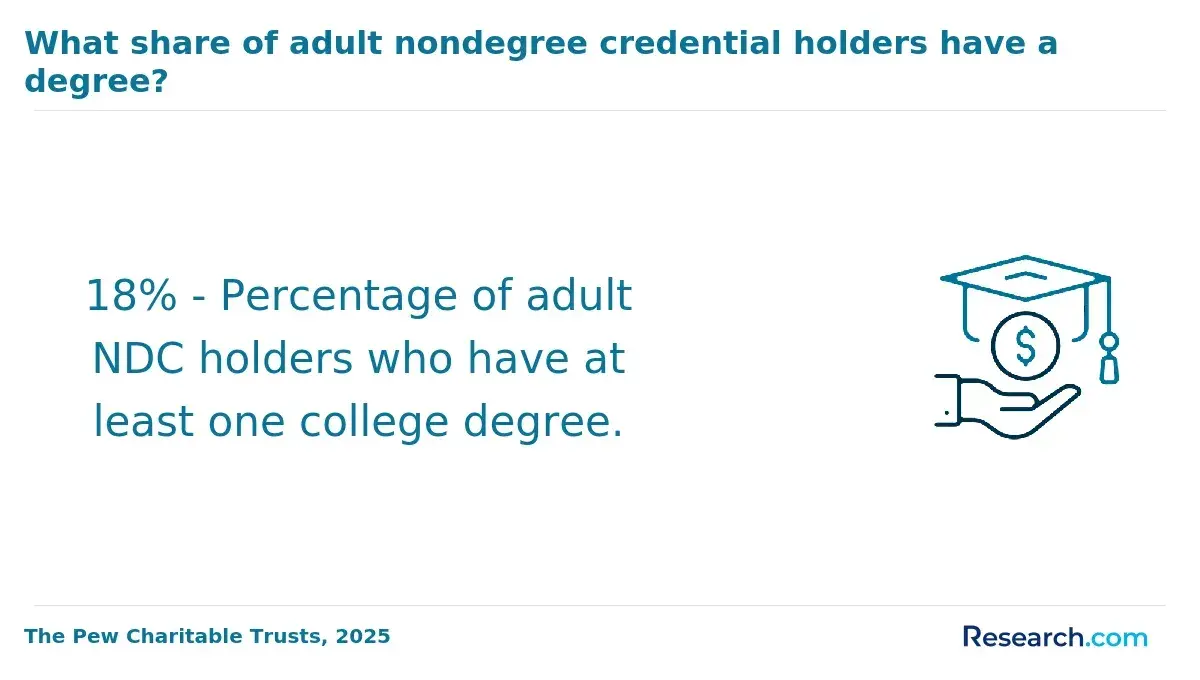
About 68% of counseling psychology job listings specify a master's degree or higher as the minimum qualification, underscoring the emphasis on advanced education for clinical and leadership responsibilities.
Here are some typical patterns seen in job postings for counseling psychology roles:
- Bachelor's Degree Entry: Positions such as assistant roles or case managers in educational and community service environments often require a bachelor's degree. These jobs might focus more on support functions rather than clinical duties.
- Graduate Degree Preference: Master's or doctoral degrees (PhD, PsyD) are usually required for roles involving independent therapy, psychological assessments, or supervisory tasks, aligning with licensing rules and professional standards.
- Industry Variation: Settings like hospitals, private practices, and clinical centers tend to prioritize candidates with advanced degrees and proper licensure, while some nonclinical roles may accept lower credentials combined with experience.
- Licensure Correlation: Graduate education often serves as a prerequisite for state licensure, which is mandatory for conducting psychotherapy and other regulated activities in most regions.
A counseling psychology degree graduate shared that navigating the transition from academic training to meeting employer expectations was challenging. "The theoretical knowledge was one thing," he said, "but understanding the licensure process and the specific degree needed for different roles took time."
He recalled feeling uncertain about which programs would fulfill state requirements before finally settling on a master's degree that offered supervised clinical hours. This experience deepened his appreciation for how critical precise educational qualifications are in opening doors within the counseling psychology profession.
Counseling psychology job postings list different experience expectations depending on the position's seniority and area of focus. Employers consistently use prior experience as a critical screening measure to identify candidates capable of handling job responsibilities effectively.
Below are common experience levels sought by employers in counseling psychology careers:
- Entry-Level Roles usually require little to no professional experience, often welcoming recent graduates who have completed internships or practicum work within their training programs.
- Early-Career Positions expect one to three years of supervised clinical experience, allowing candidates to develop direct client interaction skills in applied settings.
- Mid-Level Jobs typically demand three to five years of independent work in specialized environments such as schools, community agencies, or private practices.
- Senior or Supervisory Roles require more than five years of experience combined with leadership abilities, including team management or program direction responsibilities.
- Highly Specialized Positions may ask for extensive expertise in particular therapeutic modalities or specific populations exceeding general clinical practice requirements.
These varying requirements reflect the complexity and responsibility tied to counseling psychology roles. Prospective and current students can also explore affordable pathways to advanced qualifications through resources like cheap nursing programs, which may complement their career development.
Certain industries show a clear willingness to hire counseling psychology graduates who lack prior professional experience.
This openness is evident in entry-level job listings that value interpersonal abilities and foundational knowledge over extensive backgrounds. Recent data indicates that about 35% of such entry-level positions target graduates new to the field.
Below are examples of sectors known for recruiting fresh graduates:
- Social Services: Frequently hiring graduates to assist with community outreach, youth programs, and crisis support, this sector often provides on-the-job training to develop practical skills.
- Educational Institutions: Schools and colleges offer roles like student support aides or coordinators, emphasizing mentorship and collaboration in nurturing environments.
- Healthcare Settings: Hospitals and clinics employ behavioral health assistants and patient advocates, prioritizing teamwork and communication skills over formal experience, sometimes alongside certification requirements.
- Corporate Wellness: Emerging programs in workplaces occasionally recruit entry-level counseling psychology graduates to support employee assistance and wellness initiatives.
When speaking to a recent graduate with a counseling psychology degree about her job search, she recalled the initial uncertainty of entering the workforce without experience. She shared, "It felt intimidating at first, not knowing which industries would consider a fresh graduate seriously."
Through persistence, she discovered opportunities especially in educational settings where supervisors valued her eagerness to learn. She noted that gaining confidence and competence often came through experiential roles rather than textbooks, affirming how some industries cultivate new professionals from the ground up.
Certain fields within counseling psychology demonstrate notably higher demands for experience, specialized training, and advanced qualifications, making their hiring processes more selective.
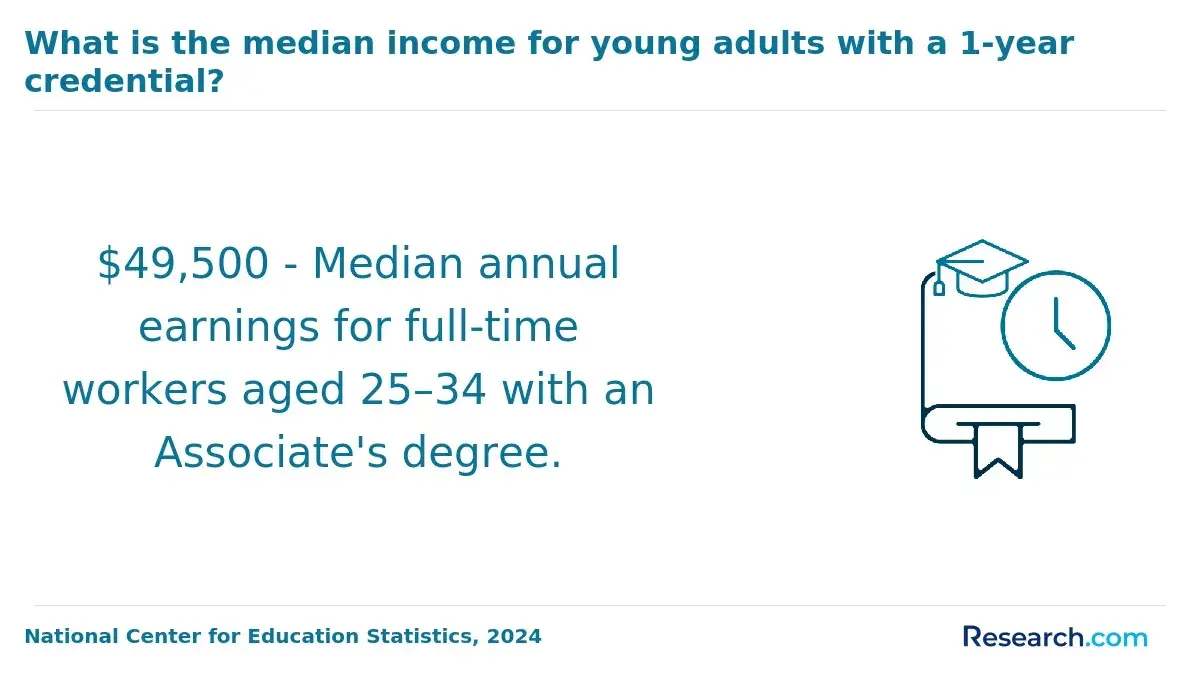
Job postings from these sectors often highlight requirements such as extensive clinical hours, licensure, or niche expertise. For instance, a recent 2023 survey found that over 70% of healthcare and education positions require a minimum of five years of relevant professional experience.
Below are key industries where these elevated expectations appear most frequently:
- Healthcare and Mental Health: These roles often require candidates to possess doctoral degrees such as PhD or PsyD, along with state licensure. Multiple years of supervised clinical experience and proficiency in evidence-based therapies, especially in specialized areas like trauma or substance abuse, are commonly sought-after.
- Educational Institutions: Universities and training programs emphasize a blend of clinical and academic skills. Applicants usually need a strong record of research, teaching, peer-reviewed publications, and experience in psychological assessment or program development alongside doctoral qualifications.
- Organizational Consulting: Counseling psychologists in corporate or industrial settings are expected to integrate clinical expertise with knowledge of organizational behavior and leadership coaching. Employment postings frequently call for experience advising mid- to senior-level executives and familiarity with employee well-being initiatives.
Employers evaluating candidates for counseling psychology careers rely heavily on specific credentials to determine qualifications and professional readiness.
Academic qualifications, licenses, and certifications serve as key indicators of an applicant's knowledge, skills, and adherence to ethical and regulatory standards. These credentials help hiring managers assess which candidates are best prepared to provide effective, ethical mental health care.
The following credentials are most frequently emphasized in counseling psychology job postings:
- Advanced Degrees: Holding a master's or doctoral degree in counseling psychology or a closely related field is a foundational requirement. These degrees ensure that applicants have a comprehensive understanding of psychological theories, therapeutic techniques, and ethical practices essential for competent clinical work.
- State Licensure: Licenses such as Licensed Professional Counselor (LPC), Licensed Mental Health Counselor (LMHC), or Licensed Clinical Professional Counselor (LCPC) are often mandatory. Licensure confirms that candidates have met rigorous state regulations, including supervised clinical experience and successful completion of licensing examinations.
- National Certifications: Credentials like the National Certified Counselor (NCC) demonstrate adherence to nationally recognized standards and ongoing professional development. Employers value these certifications as evidence of an individual's commitment to maintaining competence and ethical practice.
- Specialty Certifications: Some positions require or prefer specialized certifications in areas such as trauma counseling or substance abuse treatment. These credentials indicate targeted expertise that aligns with specific client populations and treatment needs.
Salary levels in counseling psychology-related job postings are shaped by a candidate's experience, educational background, and the complexity of the position. Employers frequently provide salary ranges instead of fixed amounts, allowing compensation adjustments based on individual qualifications.
Roles requiring advanced clinical skills or specialized licensure typically offer higher salaries and greater room for negotiation. Industry data shows that professionals with over five years of relevant experience can expect salary offers about 15-20% higher than entry-level positions, highlighting the impact of experience on negotiable salaries for counseling psychology professionals.
Experience also influences the flexibility of salary negotiation in job postings, with entry-level roles often presenting narrower pay bands due to standardized compensation policies. In contrast, positions demanding doctoral degrees, supervisory expertise, or niche therapeutic skills tend to have wider salary ranges, offering more room to negotiate.
Some employers, particularly private practices or specialized clinics, adjust salary offers to reflect proven competencies and achievements. Candidates interested in advancing within the counseling psychology profession may also explore related educational pathways, such as those listed at accredited medical billing and coding schools online, which can complement their credentials and potentially affect compensation structures.
Job postings serve as crucial tools for tailoring your resume to meet the specific expectations within counseling psychology careers.
Research indicates that up to 75% of applicants are filtered out by applicant tracking systems (ATS) when their resumes do not closely match job criteria, underscoring the importance of aligning your qualifications with employer demands. Effectively interpreting these job descriptions helps highlight the key skills and qualifications employers seek in counseling psychology candidates.
Consider these strategies to better match your resume to job postings:
- Interpreting Key Competencies: Carefully analyzing job descriptions reveals essential skills, such as trauma-informed care or psychological assessment, that should be clearly emphasized in your resume.
- Highlighting Relevant Experience: Showcasing clinical experience, internships, or practicum placements referenced in listings demonstrates direct relevance to employer priorities and enhances your application's credibility.
- Aligning Terminology: Using the specific language and certifications mentioned in the posting increases your chances of passing ATS keyword scans by mirroring the employer's phrasing.
- Prioritizing Educational Qualifications: Emphasizing required degrees, like a master's or doctoral degree in counseling psychology, ensures your credentials meet fundamental eligibility right from the start.
- Including Specialized Training: Incorporating additional credentials, such as certifications related to counseling approaches or degrees from respected sources, including options like the best DNP programs, can further strengthen your profile.
By refining your resume language, examples, and qualifications in line with job postings, candidates present a focused profile that speaks directly to what employers want, improving your chances in this competitive field.
Job advertisements offer a clear window into what employers expect from candidates in counseling psychology careers.
Examining these postings helps students understand the specific role requirements and workplace demands they will encounter. Recent data shows that more than 70% of counseling psychology job ads explicitly list necessary skills and qualifications, emphasizing transparency in hiring.
When reviewing job ads, consider these important factors:
- Responsibilities: Examine clinical duties, case management, assessment tasks, or program development outlined to grasp the practical scope of the position.
- Qualifications: Look for educational prerequisites such as master's or doctoral degrees, licensure, and any specialized certifications required to meet employer standards.
- Experience Levels: Check for specified years of clinical experience, preferred settings like community mental health or schools, and knowledge of particular client populations.
- Required Skills: Identify mentions of evidence-based therapeutic techniques, cultural competency, communication skills, and teamwork within interdisciplinary environments.
- Education Pathways: Some postings may highlight shorter certification options or special programs, such as a 1 year PMHNP program, which can complement counseling psychology degrees and expand qualifications.
Paying attention to these components also clarifies the degrees and experience requirements for counseling psychology careers, allowing candidates to align their academic and practical preparation with employer expectations.
What Graduates Say About Skills, Degrees, and Experience Employers Want
- Ariel: "As a recent graduate, I found that job postings were invaluable for identifying exactly how my fresh credentials aligned with current employer demands. They revealed which skills are most sought after and helped me tailor my resume to stand out in Counseling Psychology career openings. This strategic use of job ads made my job search more focused and efficient."
- Vivian: "With a few years of experience under my belt, I rely heavily on job postings to spot opportunities for advancement and to understand emerging trends in the Counseling Psychology field. These ads often highlight new certifications or specializations that can boost a professional's career trajectory. They have guided my continuing education choices and helped me stay competitive."
- Rocco: "Throughout my professional journey in Counseling Psychology, job ads have been a consistent source of industry insights and market demand. They reflect subtle shifts in employer priorities and the increasing importance of interdisciplinary skills. Reviewing them regularly has shaped my career decisions and kept me informed of evolving expectations within the profession."
Other Things You Should Know About Counseling Psychology Degrees
Supervised clinical experience is crucial because it ensures that counseling psychology candidates have practical, hands-on exposure to real client cases under professional guidance. Employers use job postings to signal that such experience is necessary for competent, ethical practice and for meeting licensure requirements. This requirement assures quality care and adherence to professional standards.
Many counseling psychology job postings explicitly mention the need for cultural competence, reflecting the growing recognition of diverse client populations. Employers seek candidates who are trained and experienced in working with clients from various backgrounds, demonstrating sensitivity and adaptability. This is often shown through language about multicultural counseling skills or experience with underserved groups.
Many postings require an active state license such as LPC, LMHC, LCSW, or psychologist licensure, often from the state board of professional counseling or psychology. Some jobs accept an associate or pre-licensed status only if post-degree supervised hours are already underway.
- Fastest Growing Careers In Psychology | Psychology.org https://www.psychology.org/resources/fastest-growing-careers-in-psychology/
- 48 Jobs You Can Get with a Psychology Degree - Mid-Atlantic Christian University https://www.macuniversity.edu/48-jobs-you-can-get-with-a-psychology-degree/
- 80+ Psychology-Related Careers to Consider https://www.verywellmind.com/a-list-of-psychology-careers-2794917
- Negotiate your salary after an offer for a job in psychology | Jobs in Psychology https://www.jobsinpsychology.co.uk/article/negotiate-your-salary-after-an-offer-for-a-job-in-psychology
- Career Opportunities and Prospects in Counselling Psychology • Psychology Town https://psychology.town/counselling-interventions/career-opportunities-counselling-psychology/