2027 Counseling Psychology Degree vs Bootcamp vs Certificate: Which Path Leads to Better Career Outcomes?

Co-Founder and Chief Data Scientist
Choosing the right educational path in counseling psychology can feel overwhelming-especially when salary outcomes, employer preferences, and job placement rates vary widely across degree programs, bootcamps, and certificate options. For instance, a recent study found that 65% of employers prioritize candidates with a formal counseling psychology degree over bootcamp or certificate holders. This disparity influences long-term career growth and return on investment, while networking opportunities often differ for full-degree students versus short-term learners.
This article analyzes these pathways side-by-side-examining salary, job market appeal, and suitability for diverse learner profiles-to clarify which leads to better career outcomes.
Key Things to Know About Which Path Leads to Better Career Outcomes: Counseling Psychology Degree, Bootcamp, or Certificate
- Counseling Psychology degree holders typically earn 20-30% higher salaries than bootcamp or certificate completers due to advanced clinical training and licensure eligibility.
- Employers prioritize degrees for long-term roles-bootcamps offer faster job placements but limited credential weight and networking scope.
- Adult learners benefit most from certificates for skill refreshment, while recent graduates aiming for clinical practice should invest in degrees for robust career growth.
How Does Counseling Psychology Degree Compare to Bootcamps and Certificates in Total Program Cost and Time to Completion?
Prospective students in counseling psychology face a significant choice between pursuing a multi-year degree and choosing faster, lower-cost alternatives like bootcamps or professional certificates-each pathway suits different career goals and learner needs. A traditional counseling psychology degree, usually at the associate's or bachelor's level, spans two to four years full-time. The National Center for Education Statistics (NCES) reports public in-state tuition averages between $6,000 and $10,000 annually, with private institutions charging up to $30,000 yearly. Part-time enrollment extends duration but enhances flexibility.
Bootcamps provide an intensive, immersive experience lasting from 8 to 26 weeks and focus on practical skills for counseling psychology roles without conferring formal degrees. Review sites like SwitchUp and Course Report indicate bootcamp tuition typically ranges from $7,000 to $15,000. These programs vary widely in intensity and format-full-time bootcamps demand a concentrated time commitment, whereas some part-time options extend over several months.
Professional certificates offered by platforms like Coursera, Google, or professional associations often feature self-paced or instructor-led formats, taking weeks to a few months to complete. Costs range from $200 to $2,000. These certificates emphasize targeted counseling psychology skills rather than comprehensive theoretical knowledge, appealing for those seeking rapid upskilling or supplemental credentials.
- Program Duration: Degrees require multiple years (2-4 years full-time); bootcamps span 2 to 6 months; certificates typically last weeks to a few months.
- Cost Range: Degrees cost approximately $12,000-$120,000 total depending on residency and institution; bootcamps vary between $7,000 and $15,000; certificates are the most affordable at $200-$2,000.
- Flexibility: Certificates offer the greatest flexibility through self-paced study; bootcamps usually require intensive commitment; degrees allow part-time study but extend completion time.
- Credential Type: Degrees award accredited academic qualifications; bootcamps provide skill certificates often without accreditation; professional certificates validate expertise in specific counseling psychology areas.
Evaluating counseling psychology program cost and duration comparison helps learners balance time investment and expenses for counseling psychology degrees, certificates, and bootcamps more effectively. Nonetheless, these metrics alone cannot predict career outcomes. Future sections will analyze employer preferences, salary potential, job placement rates, and the networking opportunities available through each educational path.
For those researching educational opportunities with accommodating acceptance policies, exploring nursing programs with high acceptance rates might provide useful insight into flexible academic pathways similar in accessibility.
What Career Outcomes Can Counseling Psychology Degree Graduates Expect Compared to Bootcamp and Certificate Completers?
Employment rates within six months provide a practical benchmark when comparing career outcomes for counseling psychology degree graduates versus those who completed bootcamps or certificate programs. Data from the Bureau of Labor Statistics (BLS) Occupational Employment and Wage Statistics reveal that degree holders often secure employment at rates near or above 80%, typically entering roles with greater responsibility like licensed counselors or clinical therapists. In contrast, bootcamp and certificate completers report more variable job placement rates after counseling psychology bootcamp and certificate programs-some bootcamps claim rates above 70%, though these figures are frequently self-reported and susceptible to survivorship bias or selective disclosure.
Median starting salaries further illustrate the differences: degree graduates usually earn $45,000 to $55,000 annually, reflecting the credentialing rigor and licensure requirements inherent to counseling psychology. Bootcamp completers, often entering therapy-adjacent tech roles or paraprofessional support positions, report salaries in the $35,000 to $45,000 range, while certificate holders experience broader variability depending on specialization and location. Job titles at first placement typically show degree holders entering licensed and clinical roles, whereas non-degree pathways often lead to assistant or technician positions without licensure eligibility.
- Outcome Gaps: These are field-dependent rather than universally large. The counseling psychology field's strict credentialing favors degree holders in competitive clinical roles.
- Skills-Based Hiring Trends: Some mental health employers are adopting skills-first hiring, benefiting bootcamp and certificate graduates with strong portfolios-though adoption varies by region and subfield.
- Data Reliability: Bootcamp outcome data is often self-reported; prospective students should verify programs with independently audited data or third-party validation such as CIRR membership for transparency.
- Interacting Factors: Career outcomes depend on credentials plus portfolio quality, networking, geographic market, and industry focus-none alone dictate success.
Deciding between pathways calls for understanding these nuances and using outcome data as a framework for asking better questions about fit and long-term growth. For those considering switching careers or supplementing education, insights from online RN programs offer parallels in balancing cost, flexibility, and employer recognition that may also inform choices about counseling psychology education.
Which Counseling Psychology Pathway - Degree, Bootcamp, or Certificate - Offers the Highest Starting Salary for Graduates?
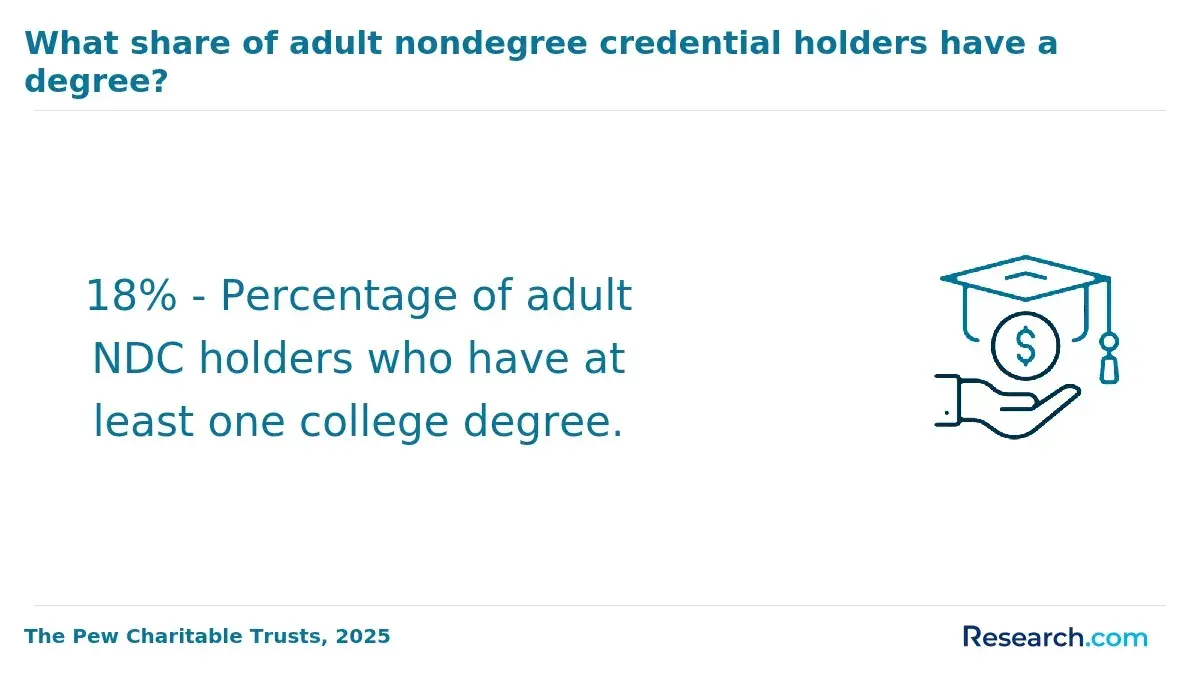
Data from the Bureau of Labor Statistics, LinkedIn Salary Insights, NACE surveys, and Glassdoor consistently show entry-level salaries favor those with counseling psychology degrees compared to bootcamp or certificate completions. Degree holders commonly start between $45,000 and $55,000 annually-figures influenced by degree level, licensing eligibility, and job market demands-while those entering through bootcamps or certificates usually earn between $35,000 and $42,000.
- Degree Advantage: Formal degrees open doors to licensed roles and a broader range of positions in clinical, educational, and corporate environments, which translates into higher starting pay.
- Bootcamp and Certificate Earnings: Though these programs allow quick specialization, they often limit access to licensed practitioner roles, leading to lower entry pay.
- Employer and Industry Influences: Large entities like hospitals and government agencies emphasize formal credentials, driving salaries upward. Smaller companies and startups tend to welcome bootcamp or certificate holders but offer reduced compensation.
- Geographic Variations: Metropolitan areas with high mental health demands favor degree holders with higher pay; alternative credential holders may find fewer opportunities in such markets.
- Salary Growth Patterns: Degree holders commonly advance more rapidly into supervisory and specialized positions that require advanced degrees or licenses, resulting in steeper salary increases over time compared to bootcamp or certificate completers.
- Salary Variability: Median figures mask wide personal differences based on prior experience, field specialization, location flexibility, and program reputation.
One professional who completed a counseling psychology degree reflected on his experience: "The process was challenging but rewarding-I navigated rigorous coursework and licensing requirements that felt overwhelming at times. Yet, these hurdles paid off with broader job access and confidence in advancing my career. It wasn't just about the salary but the credibility and career growth that came with the degree." His insights highlight how, beyond initial paychecks, the degree facilitated sustainable career progress and professional recognition.
Employer preferences for counseling psychology credentials continue to heavily favor formal degrees-such as bachelor's and master's programs-particularly in sectors subject to licensure and regulation. Large organizations, government bodies, and healthcare institutions often require accredited degrees, which provide core theoretical knowledge, clinical training, and supervised experience essential for ethical practice. These degrees remain a principal tool for initial candidate screening.
- Degree Versus Bootcamp Credential Value: While bootcamps and professional certificates have gained recognition for delivering targeted skills, they usually act as supplementary qualifications rather than replacements for degrees in most counseling psychology careers. However, startups, consulting roles, and some nonprofit sectors sometimes place nearly equal emphasis on skills demonstrated through certificates and portfolios.
- Skills-Based Hiring: Initiatives from major tech firms and government programs promoting skills-based recruitment have shown limited impact on improving job outcomes for non-degree holders in counseling psychology. Despite policy support, practical hiring practices still prioritize regulated academic credentials.
- Sector-Specific Considerations: Those pursuing clinical or institutional roles generally need degrees to qualify. Conversely, emerging domains like digital mental health, coaching, and wellness may accept certificates or bootcamp experience if candidates can prove applied skills and relevant experience.
- Pathway Options: For individuals weighing different educational routes, exploring 1 year degree programs can provide accelerated access to formal credentials valued in most counseling psychology sectors.
Admission to accredited counseling psychology degree programs typically demands strong academic records and completed prerequisites. Common requirements include:
- GPA Minimums: Often a 3.0 undergraduate GPA or higher is necessary to meet competitive standards.
- Prerequisite Coursework: Foundational classes in psychology or related areas are usually required before enrollment.
- Standardized Tests: Some programs still request GRE scores, though this is becoming less frequent.
- Letters of Recommendation: Multiple endorsements from academic or professional contacts help evaluate candidates' suitability.
- Application Timelines: Strict deadlines and enrollment windows require early planning and preparation.
By contrast, counseling psychology bootcamps and certificate programs often use open enrollment models with little to no academic barriers. They do not typically require prior degrees, minimum GPAs, or standardized tests. This openness is especially beneficial for career changers, working adults, and individuals balancing family or financial constraints who face hurdles entering traditional programs. Instead of selectivity, quality assurance in these programs hinges on rigorous curricula, qualified instructors, accreditation, and clear learner outcomes.
Academic selectivity serves a dual role-acting as both a gatekeeping mechanism and a sign of program quality that employers may trust. Degree programs' competitive admissions can indicate thorough vetting and strong theoretical foundations, while bootcamps and certificates must demonstrate value through measurable results and applied skills.
Prospective students should honestly reflect on their academic history, time availability, finances, and career aims. For some, degree program admission standards represent a meaningful credential signal. For others, these barriers may create unjust obstacles, making accessible bootcamp and certificate options more practical for acquiring counseling psychology skills and advancing their careers.
One professional I spoke with reflected on her journey through a counseling psychology certificate program after encountering challenges with traditional degree admissions. She described how balancing work and family left little room for lengthy applications or fulfilling demanding prerequisites. "The certificate's flexible schedule and no-test admission allowed me to start learning quickly," she said. Despite initial doubts about the program's recognition, she was reassured by the experienced instructors and clear learning outcomes. Over time, the skills she gained helped her build confidence and credibility in the field, illustrating how alternative pathways can provide meaningful access without long academic barriers.
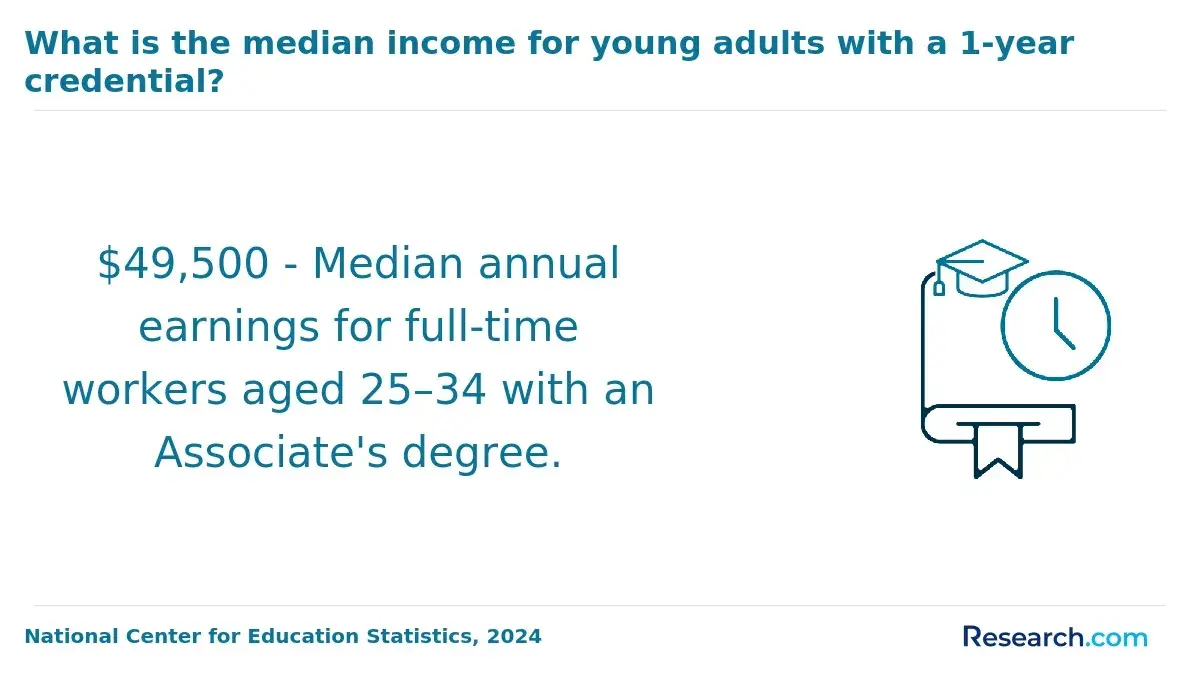
Curriculum Architecture: Degree programs in Counseling Psychology encompass a wide range of subjects-starting with general education courses, progressing through core major requirements, and supplemented by electives. They typically include research projects or a thesis, fostering a deep understanding of psychological theories, human development, and ethical practice. This extensive curriculum builds solid foundational knowledge that supports flexibility and adaptability throughout a career, though it often requires a longer commitment before entering the workforce.
Bootcamp Structure: Bootcamps deliver a concentrated, hands-on learning experience aimed at rapidly developing practical counseling skills. Designed for completion in weeks or a few months, their curricula center on immersive, project-based training that simulates real counseling scenarios. While they efficiently teach applied techniques-such as client assessment and basic interventions-they generally exclude the broad theoretical frameworks and research components found in degree programs, limiting preparation for advanced clinical roles or licensure.
Certificate Variability: Certificate programs range widely in depth and purpose. Entry-level certificates-often available through online platforms-introduce basic counseling concepts and are accessible to beginners, enhancing qualifications for paraprofessional positions but usually not sufficient for independent practice. Advanced certificates-granted by professional organizations-focus on specialized skills or fields within counseling psychology, boosting credentials for experienced practitioners. The relevance and value of certificates depend greatly on their scope and the learner's existing experience.
Theory versus Application: Degree pathways integrate comprehensive theory with supervised practical training, including clinical hours. Bootcamps prioritize applied skills and immediate job readiness. Certificates concentrate on specific knowledge areas and skill enhancement without the extensive theoretical or clinical immersion.
Capstone and Portfolio Development: Degree students commonly complete substantial research projects or clinical practicums that demonstrate mastery and critical thinking. Bootcamps require practical projects emphasizing application, whereas certificates rarely involve comprehensive portfolios or significant capstone work.
Knowledge Transferability versus Immediate Competency: Degrees cultivate broad expertise conducive to long-term career growth. Bootcamps deliver focused skill sets tailored for quick employment entry. Certificates offer targeted credentials that supplement experience or allow entry into support-level roles within counseling psychology.
Return on investment (ROI) in counseling psychology education depends heavily on individual circumstances and total costs-tuition, fees, materials, and the significant opportunity cost of foregone income during enrollment. Opportunity cost is the income lost by not working while studying, which can dramatically affect the true ROI comparison between degree programs and faster alternatives like bootcamps or certificates.
For example, a two- or four-year degree incurs not only tuition expenses but also several years without a salary, creating a notable hidden cost. In contrast, bootcamps and certificate programs offer shorter completion times and lower tuition, limiting opportunity costs and improving short-term ROI.
- Recent High School Graduate: With little or no income to forego, opportunity cost centers on tuition and fees. Degree programs, despite longer durations, tend to deliver higher cumulative salary premiums over five to ten years, resulting in stronger long-term ROI compared to bootcamps or certificates.
- Mid-Career Professional: Leaving a $50,000-per-year job to retrain raises opportunity cost substantially. Faster credential programs like bootcamps or certificates often recover costs within five years due to reduced tuition and shorter time out of the workforce, offering a more favorable immediate ROI.
- Part-Time Learner: Studying while employed reduces opportunity cost. Though credentialing takes longer, this path balances steady income with skill acquisition, yielding moderate ROI. Degree completion eventually supports higher salary increases and advanced career growth.
ROI is a useful measure but incomplete alone. Degree programs provide advanced knowledge, employer-preferred credentials, and specialization opportunities often necessary for lasting career trajectories. Bootcamps and certificates serve those seeking quicker entry or reskilling but may not unlock the same long-term benefits or networking access valued by many employers in counseling psychology.
Job placement rates for counseling psychology bootcamps, certificate programs, and degree programs vary significantly depending on how outcomes are reported and defined. Degree programs typically derive their placement data from institutional career services and national surveys like the Integrated Postsecondary Education Data System (IPEDS). These sources track employment closely related to graduates' fields and tend to provide independently verified and audited outcomes, offering a clearer picture of career success in counseling psychology roles directly tied to the education received.
Bootcamps and certificate programs often rely on self-reported job placement rates-sometimes audited by organizations such as the Council on Integrity in Results Reporting (CIRR)-which can lend some credibility. However, these figures often include anyone employed in broadly related fields, such as general mental health support or administrative roles, rather than strictly counseling psychology positions. This broader classification may inflate perceived career outcomes and complicate direct comparisons with degree program data. Those researching career outcomes of counseling psychology certificate programs versus degree pathways should ask for detailed breakdowns by role type, salary ranges, and the time taken to secure jobs to avoid misleading aggregate statistics.
Career Services: The presence of a strong career services infrastructure is crucial across all educational pathways. Features such as employer partnerships, personalized resume coaching, mock interviews, and active alumni referral networks significantly affect placement outcomes. Both degree programs and bootcamps benefit from these supports, so prospective students should assess the quality of career services when comparing programs.
Placement Definitions: It's important to understand that "placement" can mean different things depending on the type of program. While degree programs tend to track employment in roles directly related to counseling psychology, bootcamps may count any relevant employment, skewing figures upward.
Evaluation Advice: To critically evaluate job placement claims, prospective students should benchmark program statistics against industry averages and request placement data that is role-specific, salary-informed, and time-sensitive. This approach helps in making informed decisions aligned with career goals.
For those also considering alternative healthcare fields, resources such as this online pharmacy school guide provide valuable insight into parallel educational opportunities.
Networking opportunities in counseling psychology degree programs are a critical asset for students and graduates alike-often outweighing the formal curriculum in long-term career value. Degree programs typically provide extensive networking infrastructures, including active alumni associations, career fairs, and engaged faculty connections. Students benefit from involvement in Greek or professional organizations linked to the institution, offering multiple avenues for mentorship and peer support. The geographic reach and prestige of well-established universities amplify graduates' access to influential networks and employer partnerships, which can significantly boost job referrals and career growth over time.
- Degree Programs: Robust networks through alumni groups, institutional career services, faculty mentorship, and professional affiliations greatly enhance access to employer partners and broaden job opportunities, vital for sustained career development.
- Bootcamps: Bootcamps employ a close-knit cohort model fostering community despite smaller alumni pools. Some reputable bootcamps cultivate strong referral cultures and maintain employer partnerships-especially for counseling psychology roles intersecting with technology or digital tools. Although these networks are narrower than degree programs, they offer focused support that can enhance job placement rates and return on investment for targeted specializations.
- Certificate Programs: Credential providers-such as Google Career Certificates-form professional communities that vary widely in size and engagement. While certificate networks often provide episodic access to peer groups, mentors, or hiring managers connected to the credentialing body, they tend to be less formal and geographically limited. The career value depends heavily on the certificate's recognition within specialized counseling psychology subfields.
For working professionals and current degree students, supplementing education with a bootcamp or certificate may help expand network access and enhance specialized skills, though the scale and longevity of these networks typically differ from those available through traditional degree programs. Alumni access benefits for counseling psychology bootcamp graduates are increasingly recognized but remain more niche compared to the broader, established networks built through degree paths.
Exploring options for advancement and specialization, adult learners or recent graduates should consider how institutional affiliation and program reputation impact networking and credential value, especially when evaluating online paths like the post masters FNP certification or similar credentialing routes.
Geographic location heavily influences which counseling psychology pathway-degree, bootcamp, or certificate-yields stronger career prospects. Large metropolitan areas like New York, San Francisco, and Chicago feature dense employer networks that benefit bootcamp and certificate graduates, as many programs are based there and maintain strong local ties. Graduates staying within these hubs typically experience higher placement rates, while those relocating often face fewer job opportunities due to limited recognition and weaker networks.
In mid-sized regional markets, employers generally prefer candidates with formal degrees, since bootcamps and certificates have less established reputations. Degree holders in these areas tend to enjoy more reliable career advancement and better salaries. Smaller or rural regions often lack sufficient employer density and familiarity with alternative credentials, which poses challenges for bootcamp and certificate completers relying on local partnerships.
The growth of remote work has begun to bridge geographic gaps by enabling counseling psychology graduates of all credential types to pursue jobs with salaries aligned to expensive urban areas. Nonetheless, this broader access increases competition nationally. Recent data from SwitchUp shows that about 40% of bootcamp alumni obtained remote positions, underlining the importance of flexibility across locations.
- Employer Density: Urban centers favor bootcamps and certificates due to concentrated hiring networks, while less populated regions lean toward degree credentials.
- Credential Recognition: Degrees maintain widespread credibility; newer pathways have uneven acceptance depending on the market.
- Remote Work Impact: Expands job accessibility but heightens competition from a nationwide applicant pool.
- Pathway Fit By Location: Success in one city's job market-especially for bootcamps-may not translate elsewhere, making regional research essential before choosing a pathway.
Large corporations and government agencies often rely heavily on counseling psychology degrees as a firm initial filter when hiring-viewing accredited programs as essential for foundational expertise, ethical training, and licensing eligibility. Despite some degree requirements being loosened since 2020, data reveal minimal change in the actual credentials of hired professionals in these sectors. Degrees remain dominant where client trust and regulatory compliance are critical.
Conversely, startups, boutique firms, and employers focused on skills tend to prioritize evidence of practical ability over formal education. Portfolios, clinical simulations, and case results often outweigh degrees, with certificates and bootcamps increasingly accepted as valid proof of competency. This shift reflects a greater appreciation for tangible outcomes and adaptability, according to LinkedIn Talent Insights and Indeed surveys.
Since 2020, although many large organizations publicly dropped strict degree demands, real-world hiring patterns show gradual rather than rapid credential changes. Certificates and bootcamps have gained some traction in entry-level or support counseling roles, aligning with efforts to diversify the workforce. Nevertheless, degree holders continue to fill the majority of core counseling psychology positions.
For those evaluating educational pathways, it is crucial to supplement published hiring preferences with investigative research. Informational interviews with hiring managers at target employers can unveil cultural fit and implicit requirements. Additionally, studying LinkedIn profiles of recent hires uncovers the real credential mix and career trajectories-offering a clearer perspective on which pathway best suits various learner profiles and career goals.
What Graduates Say About Which Path Leads to Better Career Outcomes: Counseling Psychology Degree, Bootcamp, or Certificate
- Azrael: "Choosing the Counseling psychology degree was a game-changer for me-while bootcamps might promise quicker entry into the field, the degree provided a far superior return on investment through higher salary outcomes and more respected credentials. The rigorous curriculum also opened doors to mentorships and networking opportunities that I believe are unmatched by shorter programs. If you're aiming for long-term career growth and stability, the degree path is undoubtedly worth the commitment."
- Alvaro: "From my reflective standpoint, the certificate route suited my needs best-it offered a focused learning experience without the full-time commitment of a degree or bootcamp. Although salary gains were more modest compared to a degree, the certificate had surprisingly strong employer credential preferences in niche areas and excellent job placement rates for the right roles. For adult learners balancing work and education, this pathway strikes a great balance between flexibility and opportunity."
- Robert: "Professionally speaking, I found that the bootcamp experience provides the most direct route into entry-level positions, especially where quick skills application is valued over formal education. Employers tend to appreciate bootcamp graduates for practical know-how, yet long-term career growth might require later upskilling or formal degrees. For those who thrive in intensive, fast-paced environments, a bootcamp can be a powerful stepping stone that leads to rewarding job placement rates and useful industry networking."
Other Things You Should Know About Counseling Psychology Degrees
Degree holders in counseling psychology typically experience more substantial long-term career growth due to comprehensive training, supervised clinical experience, and eligibility for licensure. Bootcamps and certificates offer quicker entry into some counseling-related roles but often lack the depth required for advanced positions or independent practice. As a result, those with degrees usually have greater opportunities for leadership roles, specialization, and higher salaries over time.
State licensure usually requires a master’s or doctoral degree from a CACREP-accredited or otherwise board-approved program, 2,000–4,000 supervised clinical hours, and passage of the National Counselor Examination or the NCMHCE. Bootcamps and short certificates do not qualify for LPC or LMHC licensure.
In tight labor markets, degree holders tend to have a competitive edge because employers prioritize credentials linked to licensing and comprehensive training. Bootcamps and certificates may offer faster re-skilling options but often lead to more precarious positions with lower job security. During recessions, degree qualifications generally afford better resilience and access to stable counseling roles.
Counseling psychology degrees are accredited by recognized educational and professional bodies and are essential for licensure as a licensed counselor or therapist. Bootcamps and certificates vary widely in accreditation - many lack formal recognition and cannot substitute for a degree in regulated counseling professions. This affects their legitimacy with employers and eligibility for professional certifications or licenses.
- College Degree vs Bootcamp ROI https://oboe.com/learn/college-degree-vs-bootcamp-roi-1w04rks/assessing-certifications-college-degree-vs-bootcamp-roi-3
- Becoming a Psychologist - Canadian Psychological Association https://cpa.ca/students/career/becomingapsychologist/
- Bootcamp Certification vs. Degree: The Importance of Accreditation in Education https://www.qahe.org/article/bootcamp-certification-vs-degree-the-importance-of-accreditation-in-education/
- Interviewing: Hiring Managers Look for These Traits in Counselor | Bradley University Online https://onlinedegrees.bradley.edu/blog/what-hiring-managers-are-looking-for-in-counselors
- Cybersecurity Bootcamp vs Degree: Complete Comparison 2026 https://unihackers.com/compare/bootcamp-vs-degree
- Degree vs. Certificate Programs: What's the Difference? | CCU Online https://www.ccu.edu/blogs/cags/2021/04/degree-vs-certification/
- Admission Requirements https://www.torontomu.ca/psychology/programs/graduate/admission-requirements/
- Resume Help vs Reality: What Hiring Managers Actually Look For https://mindfulcareer.ca/blog/f/resume-help-vs-reality-what-hiring-managers-actually-look-for
- CourseCareers https://coursecareers.com/blog-posts/coursecareers-vs-bootcamps-pricing-speed-and-job-readiness
- How to Build Your Professional Network as a Psychology Undergraduate https://www.allpsychologyschools.com/blog/building-a-professional-network-in-psychology-as-an-undergraduate/