2027 What Careers Can You Pursue With a Counseling Psychology Degree? Salary Potential, Job Outlook, and Next Steps

Co-Founder and Chief Data Scientist
A recent graduate with a counseling psychology degree faces a diverse set of career options, from clinical roles in mental health agencies to corporate positions focusing on employee wellness.
Amid growing demand, the U.S. Bureau of Labor Statistics projects a 22% increase in psychologist roles through 2032, signaling strong job stability for degree holders. Salary potential varies widely, often depending on specialization and work setting, which makes understanding these factors crucial for effective career planning.
This article explores key career paths, salary expectations, job market trends, and practical next steps to help graduates navigate their professional journey in counseling psychology.
Key Things to Know About the Careers You Can Pursue With a Counseling Psychology Degree
- Careers with a counseling psychology degree span industries like healthcare, education, and corporate wellness, reflecting broad applicability beyond traditional therapy roles.
- Skills developed, such as active listening, assessment, and intervention design, are highly transferable to roles in social work, human resources, and research.
- The degree aligns with long-term growth, offering pathways to licensure, advanced clinical practice, and leadership roles amid a projected 22% employment growth through 2032.
What Careers Can You Pursue With a Counseling Psychology Degree?
A degree in counseling psychology opens doors to a variety of career paths across different industries such as healthcare, education, and social services. Employment of psychologists, including those with counseling psychology backgrounds, is projected to grow 6% from 2022 to 2032. Common career options with this degree include:
- Licensed Professional Counselor (LPC): LPCs provide therapy and counseling to individuals, families, and groups, helping clients address emotional, behavioral, and mental health challenges using psychological principles to improve well-being.
- School Counselor: School counselors assist students with academic planning, career guidance, and social-emotional support, often engaging in crisis intervention and promoting a positive educational environment.
- Marriage and Family Therapist (MFT): MFTs focus on improving communication and resolving conflicts within couples and families by applying counseling psychology techniques to relationship dynamics.
- Career Counselor: Career counselors help individuals explore career options, assess strengths and interests, and plan professional growth while addressing psychological factors influencing career decisions.
For students interested in expanding their healthcare skills beyond counseling psychology, exploring accelerated certified medical assistant programs can provide valuable clinical experience complementing psychological expertise in care settings.
What Are the Highest-Paying Careers With a Counseling Psychology Degree?
A degree in counseling psychology offers access to lucrative career opportunities across healthcare, education, and corporate sectors. According to the U.S. Bureau of Labor Statistics, psychology-related professions show faster-than-average job growth, making this degree a strong investment for those seeking top-earning jobs with a counseling psychology degree.
Consider these highest-paying careers available to counseling psychology graduates:
- Clinical Psychologist: Clinical psychologists diagnose and treat mental and behavioral disorders in settings like hospitals or private practice. Salaries typically range from $60,000 to $120,000 annually, reflecting factors such as experience and geographic location.
- Industrial-Organizational Psychologist: Applying psychology to workplace issues, these professionals enhance productivity and employee wellness. Their earnings generally fall between $70,000 and $130,000 per year, with higher potential in corporate or consulting environments.
- School Counselor: Focused on supporting student development and mental health, school counselors typically earn between $50,000 and $85,000 annually, working within educational institutions to foster academic and social success.
- Marriage and Family Therapist: These therapists address relationship and emotional challenges for individuals and families. Income usually ranges from $50,000 to $90,000, influenced by credentials and private practice growth.
- Neuropsychologist: Specializing in brain-behavior relationships, neuropsychologists often work with patients recovering from neurological conditions. Their salaries often start at $80,000 and can exceed $140,000 with advanced experience and research roles.
For students wishing to expand their qualifications, exploring programs like RN to BSN online can provide additional pathways in healthcare, broadening employment prospects.
What Is the Job Outlook for Counseling Psychology Degree Careers?
The career outlook for counseling psychology degree holders is promising, with demand growing faster than many other fields due to a heightened focus on mental health across society. Employment for psychologists, which includes counseling psychology professionals, is expected to increase by about 8% from 2022 to 2032, according to the U.S. Bureau of Labor Statistics.
This growth is driven by factors such as an aging population needing mental health services and expanding efforts to integrate psychological care in schools, workplaces, and community health settings. Opportunities are broadening beyond traditional therapy roles to include positions in hospitals, rehabilitation centers, and wellness programs, reflecting evolving workforce needs.
Overall, counseling psychology remains a versatile and in-demand discipline with stable employment prospects.
A professional with a degree in counseling psychology shared that entering the field brought unexpected challenges, especially navigating credentialing and building a client base while maintaining emotional resilience.
He mentioned, "It wasn't just about having the education but learning to apply it in diverse environments and adjusting to the realities of funding and institutional limitations."
He also highlighted the rewarding nature of the work, noting that "seeing real progress in clients made the persistence worthwhile," even when initial job searches felt uncertain due to competitive local markets.
His experience underscores how adaptability and dedication shape career success in this evolving field.
A counseling psychology degree equips graduates with essential skills in human behavior and communication, preparing them for a range of entry-level roles in health, education, and social services. Nearly 70% of graduates find employment in relevant fields within six months, underscoring the demand for these competencies among employers.
Common positions for graduates include:
- Case Manager: Responsible for coordinating client care and connecting individuals with community resources, this role benefits from counseling psychology training in client assessment and advocacy.
- Mental Health Technician: Supporting clinical staff by monitoring and assisting patients, this position relies on a foundational understanding of psychological conditions gained through the degree.
- Behavioral Health Specialist: Involved in implementing and evaluating behavioral interventions, this role draws on counseling psychology's focus on behavior modification techniques.
- Rehabilitation Specialist: Working to aid clients' recovery and promote independence, this job applies therapeutic communication skills developed during counseling psychology studies.
- Residential Counselor: Providing supervision and emotional support in group homes, this role leverages knowledge of group dynamics and psychological needs from counseling psychology coursework.
Graduates aiming for the best jobs for counseling psychology graduates at the entry level should consider these opportunities as they harness core interpersonal skills and ethical practices. Nursing PhD online programs also offer complementary expertise for those interested in expanding their clinical qualifications.
A counseling psychology degree cultivates a versatile set of interpersonal and analytical skills valuable in many professional contexts. According to the National Association of Colleges and Employers, communication and interpersonal abilities consistently rank among the most sought-after qualities by employers in graduate candidates.
Students develop various strengths through coursework and practical experience, including:
- Active Listening: This involves giving full attention, understanding verbal and nonverbal cues, and responding thoughtfully. Training often includes simulated counseling sessions and role-playing to build these essential communication skills.
- Empathy and Emotional Intelligence: Graduates learn to identify and interpret both their own feelings and those of others, fostering compassionate connections. Case studies and group discussions are integral parts of enhancing this sensitivity.
- Critical Thinking and Problem-Solving: Assessing diverse client situations to design effective interventions sharpens analytical abilities. Research projects and clinical supervision provide opportunities to apply these skills in practical settings.
- Cultural Competence: Exposure to multicultural theories and practicum prepares students to work respectfully and effectively with individuals from varied backgrounds.
- Ethical Judgment: Ethics-focused courses and legal training ensure students understand professional standards and how to navigate complex moral decisions responsibly.
A counseling psychology degree graduate I spoke with reflected on how the program challenged her to integrate theory with practice, particularly during her internships. She shared that managing emotional intensity while maintaining professional boundaries required ongoing self-awareness and resilience.
"It wasn't just about learning techniques but understanding the human experience behind every case," she noted, emphasizing how these experiences deeply shaped her approach to care and communication in her career.
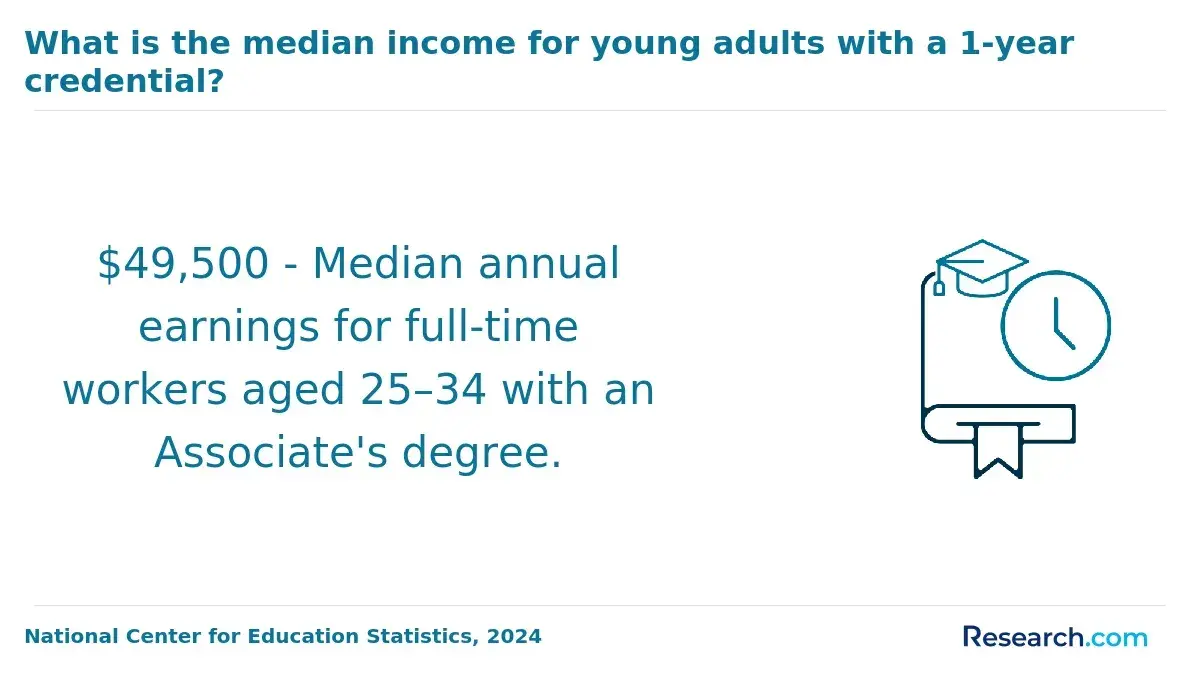
A counseling psychology bachelor's degree can lead to career growth into professional roles that don't require additional certifications or formal education. Data from the National Center for Education Statistics shows that about 35% of psychology bachelor's degree holders move into mid-level positions within five years, highlighting strong career progression opportunities.
Several advanced roles leverage the competencies developed through a counseling psychology degree:
- Behavioral Health Coordinator: This position entails managing patient care plans and facilitating communication between clients and healthcare teams. Graduates apply their understanding of mental health and behavioral science to coordinate multidisciplinary programs effectively.
- Human Resources Specialist: Focused on employee relations, recruitment, and conflict resolution, this role benefits from insights into human behavior and motivation. Counseling psychology graduates contribute to organizational development and training initiatives that enhance workplace well-being.
- Career Services Advisor: In this role, professionals guide clients through career planning, job searches, and personal growth. Counseling techniques are utilized to support individuals in making informed professional decisions and overcoming obstacles.
- Case Manager: Case managers design and oversee client care within healthcare or social service settings, requiring assessment and coordination skills gained through a counseling psychology education.
- Community Outreach Specialist: This job involves creating and implementing programs that raise mental health awareness and connect communities to resources. The degree equips graduates with communication strategies and a deep understanding of community needs.
Many careers related to counseling psychology require education beyond a bachelor's degree, including certifications or advanced degrees, to meet professional and legal standards. The U.S. Bureau of Labor Statistics reports that approximately 60% of psychology-related jobs mandate licensure or certification to practice clinically.
Careers demanding these qualifications include:
- Licensed Professional Counselor (LPC): Requires a master's degree in counseling psychology or a related field, completion of supervised clinical hours, and passing a state licensure exam. This allows professionals to provide therapy independently.
- Clinical Psychologist: Involves earning a doctoral degree (PhD or PsyD) and obtaining state licensure. These psychologists conduct assessments, diagnose disorders, and deliver a variety of clinical interventions.
- School Psychologist: Typically requires at least a specialist-level degree (EdS) and certification. They assess and support students' mental health in educational environments.
- Marriage and Family Therapist (MFT): Necessitates a master's degree in counseling or family therapy and state licensure, focusing on therapeutic work with couples and families.
- Substance Abuse Counselor: Certification or licensure is often required depending on state laws, enabling counselors to provide addiction treatment and support services.
These credentials not only uphold legal and ethical guidelines but also help professionals qualify for insurance reimbursement and demonstrate their readiness to handle complex psychological challenges safely and effectively.
Graduates with a counseling psychology degree have opportunities far beyond traditional clinical roles. Nearly 30% of counseling psychology graduates in the United States pursue interdisciplinary or non-clinical jobs within five years of earning their degree, demonstrating its broad applicability across various fields. This versatility allows for exploring diverse career paths that leverage core skills developed during study.
Some promising alternative careers for counseling psychology degree holders include:
- Human Resources Specialist: Managing employee relations, recruitment, and workplace training programs are central to this role. Counseling psychology graduates excel here due to their strong interpersonal skills and ability to resolve conflicts, making them valuable in supporting diverse workforces.
- Market Research Analyst: These professionals analyze consumer behavior to help companies make strategic decisions. The degree provides insights into human motivation and behavior, enhancing the interpretation of data and market trends.
- Health Educator: Designing wellness programs and promoting healthy lifestyles are key responsibilities. Knowledge of behavioral change theories gained in counseling psychology aids in creating effective educational interventions tailored to different populations.
- Organizational Development Consultant: Consultants improve workplace culture and efficiency by applying psychological principles. Counseling psychology graduates use their understanding of group dynamics and leadership to drive positive organizational change.
Another relevant alternative is becoming a career coach or vocational counselor, helping clients identify strengths and navigate career transitions with empathy and strong assessment skills.
For those interested in expanding their education, fields like an accelerated biology degree online offer additional pathways to complement a counseling psychology background and open new professional opportunities.
Salary potential for counseling psychology graduates varies considerably due to multiple professional and educational factors. According to the U.S. Bureau of Labor Statistics, the median annual wage for psychologists, including counseling psychologists, was around $82,180 in 2022, but earnings can differ significantly depending on the job setting and other influences.
Several key factors shape salary outcomes for counseling psychology graduates, including but not limited to:
- Industry Choice: Counseling psychologists employed in hospitals or private practice typically earn higher wages compared to those working in educational institutions or community organizations. The type of employer often dictates available resources, funding, and salary scales.
- Level of Experience: Entry-level professionals usually start with lower salaries, which increase substantially as they accumulate clinical hours, build a client base, and gain recognized expertise. Experience also opens doors to leadership or supervisory roles that offer higher pay.
- Geographic Location: Salaries vary based on regional demand, cost of living, and state regulations. Metropolitan areas or states with increased mental health service needs tend to offer more competitive compensation than rural or less populated regions.
- Specialization: Graduates focusing on specialized areas like neuropsychology, substance abuse, or child and adolescent counseling often access better salary opportunities due to targeted demand and required expertise.
- Role Responsibility: Positions involving supervision, administration, or program management usually come with greater compensation compared to entry-level clinician roles, reflecting added responsibilities.
For those interested in advancing in mental health fields more broadly, programs like the fastest psych NP program offer pathways to further specialization and potential salary growth.
Many individuals with a counseling psychology degree choose between continuing education and entering the workforce immediately. Data from the National Center for Education Statistics indicates that nearly 60% of psychology bachelor's degree holders enroll in graduate programs soon after completing their undergraduate studies.
Common options pursued after graduation include the following:
- Graduate Studies: Enrolling in master's or doctoral programs provides specialized knowledge and is often necessary for licensure. Advanced degrees open doors to clinical practice and higher-level counseling positions.
- Workforce Entry: Roles such as counseling assistants, behavioral health technicians, or case managers offer practical experience and professional networking. These positions can be stepping stones toward clinical careers.
- Certifications and Specialized Training: Pursuing certifications in areas like substance abuse or school counseling enhances credentials and improves job prospects in niche fields.
- Clinical Experience: Completing internships or supervised practice hours is essential for licensure and helps develop hands-on skills critical for effective counseling work.
What Graduates Say About the Careers You Can Pursue With a Counseling Psychology Degree
- Azrael: "Studying counseling psychology opened my eyes to the diverse career paths available, from clinical practice to organizational consulting. I initially chose this degree because I wanted to make a real difference in people's lives by understanding their emotional and mental health challenges. Now, working as a mental health counselor, I appreciate how the skills I gained help me tailor interventions effectively for various client needs."
- Alvaro: "Reflecting on my time in counseling psychology, I realize how essential this field is for fostering empathy and resilience in others. I was drawn to the program because I wanted to support individuals navigating life transitions and emotional struggles. After graduation, I pursued a career in career counseling, where I guide clients to discover fulfilling professional paths, which makes my work incredibly rewarding."
- Robert: "The impact of earning a counseling psychology degree has been profound in my professional life, especially in the realm of school counseling. My degree equipped me with evidence-based strategies to support students' academic and social development. Choosing this career was a thoughtful decision driven by my passion for mentorship and advocacy, and it continues to inspire me daily."
Other Things You Should Know About Counseling Psychology Degrees
Licensure is essential for most clinical and counseling psychology careers, as it legally authorizes professionals to practice independently and offer mental health services. Requirements vary by state but generally include completing a doctoral degree, supervised clinical hours, and passing a licensing exam. Without licensure, opportunities are limited to supportive or research roles rather than direct client care.
Yes, graduates can find roles in educational institutions, corporate environments, and community organizations. These positions often focus on program development, employee assistance, or counseling-related research, allowing professionals to apply their psychological knowledge without providing therapy. Such roles typically require strong communication and assessment skills.
Most states require the EPPP, the Examination for Professional Practice in Psychology, for psychologist licensure. Many also add a jurisprudence exam and supervised postdoctoral hours, often 1,500 to 2,000 before full licensure. State psychology boards set the exact requirements, so candidates must check their licensing board’s rules.
In 2027, counseling psychology graduates can pursue various non-clinical roles, such as human resources specialists, career counselors, corporate trainers, or research analysts. These positions allow use of psychological principles to improve workplace dynamics, enhance employee well-being, and conduct meaningful research without a clinical practice focus.
- What Can You Do With A Psychology Degree? | Psychology.org https://www.psychology.org/resources/alternative-careers-for-psychology-majors/
- Career options in psychology | BPS https://www.bps.org.uk/career-options-in-psychology
- 50+ Career Alternatives to Being a Therapist If You Enjoy Psychology But Dread Burnout https://valnelson.com/career-transitions/career-alternatives-to-therapist/
- Navigating a Career Without a Degree: A Comprehensive Guide https://mindfulcareer.ca/team/f/navigating-a-career-without-a-degree-a-comprehensive-guide
- Top 5 Highest-Paying Psychology Careers - Rivier Academics https://www.rivier.edu/academics/online/resources/program-resources/top-5-highest-paying-psychology-careers-rivier-university/
- Ten Popular Careers Early Career Mental Health and Counseling Professionals Can Pursue with Certifications and Specialty Training https://www.mojozy.org/blog/ten-popular-careers-early-career-mental-health-and-counseling-professionals-can-pursue-with-certifications-and-specialty-training
- Counseling Psychology Salary Outlook https://mastersinpsychologyguide.com/articles/counseling-psychology-salary-masters-graduate-students/
- Counseling and Clinical Psychology Careers https://psychology.tcnj.edu/academic-programs/psychology-major-specializations/counseling-and-clinical-psychology-specialization/counseling-and-clinical-psychology-careers/
- Alternative Careers for Counselors Who Are Burnt Out [2025 Update] — The Bad Therapist https://www.thebadtherapist.coach/blog/alternative-careers-for-counselors
- 10 Alternative Careers for Mental Health Counselors https://www.hiddengemcareercoaching.com/blog/alternative-careers-for-mental-health-counselors