2027 Best Career Pivot Options for People With a Counseling Psychology Degree

Co-Founder and Chief Data Scientist
Many graduates with a Counseling psychology degree face uncertainty when their initial career goals evolve-or when job markets shift unexpectedly-leading to questions about how best to leverage their skills in new sectors. With 48% of Counseling psychology professionals considering a career pivot to roles in high-growth fields like human resources, behavioral health, or organizational development, understanding transferable competencies is crucial.
This challenge intensifies for mid-career individuals seeking better compensation or meaningful work who must navigate credential requirements, effective networking, and resume reframing. This article explores practical, data-driven strategies for accessible entry-level roles and long-term success across diverse pathways.
Key Things to Know About the Best Career Pivot Options for People With a Counseling Psychology Degree
- Leveraging transferable competencies-such as active listening, empathy, and behavioral analysis-opens pivot roles in human resources, health coaching, and organizational development within rapidly expanding sectors.
- Credential upgrades in certifications like career coaching or mediation enhance accessibility to entry-level pivot roles while targeted networking in professional associations strengthens job placement prospects.
- Reframing resumes to emphasize measurable impact and interdisciplinary skills-rather than solely clinical experience-improves visibility in high-growth sectors like telehealth, education technology, and corporate wellness.
What Career Pivot Options Are Available to People With a Counseling Psychology Degree?
Career pivoting has become a normalized and strategic choice in today's workforce-driven by shifting industry needs, technology, and evolving personal goals. Data from the Bureau of Labor Statistics shows that workers often change jobs several times, underscoring adaptability as a key career asset.
The National Association of Colleges and Employers reports that employers increasingly value transferable skills alongside specific expertise, highlighting how degrees like counseling psychology provide a versatile professional foundation. LinkedIn Workforce Insights reveal that social science graduates successfully enter varied roles by leveraging broad skill sets, making a counseling psychology degree particularly valuable for those seeking career mobility.
This credential equips graduates with critical competencies-emotional intelligence, interpersonal communication, problem-solving, and ethical decision-making-that translate across sectors. Common pivot paths for counseling psychology graduates, given their transferable skills and entry-level roles for counseling psychology graduates, include:
- Human Resources: Roles in recruitment, employee development, and organizational culture benefit from graduates' insight into motivation, conflict resolution, and mental health awareness.
- Health and Wellness Coaching: This area draws on expertise in behavior change and mental wellness, enabling professionals to support clients' stress management and personal development, often in corporate or community programs.
- Program Coordination and Social Services: Graduates often pivot to managing nonprofits, government initiatives, or community programs, using skills in client advocacy and case management.
- Education and Training: Leveraging knowledge of human development and counseling theories, professionals can branch into academic advising, student support services, or corporate training roles.
- Market Research and User Experience: Some graduates apply qualitative analysis and behavioral insights to consumer research or UX design roles, combining social science perspectives with evolving tech fields.
These pivot options reflect the broad platform a counseling psychology degree provides-far from a narrow specialization, it cultivates emotional insight and analytical thinking highly valued by diverse employers. This article will explore strategic credentialing, networking avenues, resume reframing techniques, and long-term career outcomes to help graduates navigate deliberate, informed pivots.
For those considering advanced clinical roles, exploring a 12 month DNP program online can also complement or expand career prospects in health-related fields. Ultimately, counseling psychology graduates can confidently approach their career evolution with data-driven strategies rather than reactive changes driven solely by dissatisfaction.
Which Industries Outside the Traditional Counseling Psychology Field Hire Counseling Psychology Degree Holders?
Graduates holding a counseling psychology degree find career opportunities beyond traditional clinical roles across multiple industries with strong hiring volumes. These sectors value core competencies such as human behavior understanding, communication, and research skills typical of counseling psychology training-though recognition of the degree varies considerably.
- Healthcare Administration: Often recruiting counseling psychology graduates for patient advocacy, health education, and program coordination roles, healthcare administration values the credential especially when combined with management skills. Professionals able to navigate patient needs and interdisciplinary teams leverage counseling psychology knowledge to improve health outcomes.
- Human Resources and Talent Development: This sector frequently hires counseling psychology degree holders for employee relations, organizational development, and training positions. While the degree is seen as relevant for motivation and conflict resolution, applicants benefit from translating counseling psychology language into practical business terminology.
- Higher Education and Academic Research: Universities and research institutions view counseling psychology as a direct pipeline credential for academic advising, student affairs, and research coordination. Counseling psychology's alignment with diversity initiatives, counseling services, and behavioral data analysis creates clear demand in this sector.
- Nonprofit and Social Services: Community outreach, crisis intervention, and social programming roles in nonprofits welcome counseling psychology graduates. Here, the degree is well recognized, although supplemental skills like grant writing and policy advocacy may be necessary for advancement.
- Corporate Wellness and Employee Assistance Programs (EAP): Employers and vendors in wellness and EAP sectors hire counseling psychology holders to develop mental health programming. The clinical foundation is prized, but business acumen is critical to translating concepts into corporate practice.
- Market Research and Consumer Insights: Though a less traditional path, market research firms utilize counseling psychology expertise in consumer behavior analysis and user experience studies. Graduates must actively reframe their credentials to emphasize research methodologies rather than clinical practice.
- Technology and Human Factors: Tech companies engage counseling psychology graduates in user experience design and human-computer interaction roles. This nontraditional pivot hinges on applying knowledge of cognition and motivation within product development frameworks.
Shifting industries while maintaining familiar functions-such as research or communication-typically requires fewer new credentials than switching to fundamentally new roles. Counseling psychology graduates should leverage this distinction strategically when pursuing career pivots across industries hiring counseling psychology degree holders.
Informational interviews with professionals already working in adjacent fields provide invaluable insight and help tailor a personalized list of target employers. This networking strategy enhances the transition and supports long-term career growth beyond the counseling psychology field.
For those exploring healthcare career flexibility, a thoughtful approach to credentials might include programs like the cheapest online FNP programs, offering pathways complementary to counseling psychology training.
What Transferable Skills Does a Counseling Psychology Degree Provide for Career Changers?
Counseling psychology programs cultivate a range of transferable skills backed by O*NET data, the NACE competency framework, and program learning outcomes-skills that open doors beyond clinical roles.
Active Listening hones empathetic, attentive engagement, essential in customer service and human resources, where understanding perspectives resolves conflicts and builds rapport. Qualitative Research and Data Interpretation equips graduates to design studies, analyze narrative data, and extract meaningful insights-useful in user experience research, market analysis, and policy consulting. Emotional Intelligence fosters awareness and regulation of emotions, enhancing leadership, team dynamics, and educational settings through improved communication and empathy.
Ethical Decision-Making grounds students in confidentiality and professional standards, critical for roles in healthcare administration, compliance, and social work. Problem-Solving and Critical Thinking enable graduates to assess complex challenges and develop tailored interventions, valuable in nonprofit management, program development, and organizational strategy. Cross-Cultural Competency raises cultural sensitivity, preparing professionals for diversity initiatives, international development, and educational environments. Lastly, Communication Skills sharpen clear, compassionate verbal and written expression, benefiting careers in public relations, corporate training, and advocacy.
Career changers must actively map coursework, internships, and projects to these competencies-providing concrete examples rather than assuming new employers will recognize the connections. This mapping process is a skill in itself, aiding in crafting narratives that resonate with hiring managers. Future guidance on resume refinement and networking will build on this foundation, helping translate counseling psychology expertise into employer-friendly language.
Reflecting on these transferable skills, a professional who completed a counseling psychology degree shared how initially bridging the gap to new fields felt daunting: "I struggled to show how my research and interpersonal skills mattered outside therapy settings. Creating detailed lists of my internships and class projects helped me connect the dots for recruiters. It wasn't easy-sometimes I felt invisible-until I learned how to tell my story in a way that employers could understand and value." This journey underscored that mastering how to communicate transferable skills can be as important as possessing them.
Graduates can improve outcomes by tailoring resumes and cover letters to explicitly connect psychological knowledge with job functions, facilitating clearer understanding. Additionally, highlighting measurable achievements-such as client engagement or project leadership-and including volunteer work or additional training aligned with new fields can enhance employer perceptions.
- Credential Translation: Hiring managers outside psychology frequently struggle to interpret counseling psychology degrees within their industry contexts. This process-credential translation-requires mapping counseling psychology skills to employer needs, such as communication, problem-solving, and data-driven decision-making.
- Degree Type and Institution Prestige: Survey insights from SHRM, NACE, and LinkedIn find that degree type moderately influences initial screening, favoring master's or higher credentials for pivot roles. Institution prestige holds more weight with competitive or larger employers, signaling academic rigor. Smaller firms often prioritize relevant experience over school reputation. GPA plays a minor role mid-career but can differentiate entry-level applicants.
- Implicit Bias and Cross-Disciplinary Hiring: Many hiring managers exhibit implicit bias favoring traditional degrees aligned with specific roles-like business or IT for corporate jobs-often dismissing counseling psychology credentials by default. Navigating this requires proactive employer research, strategic networking, and emphasizing applicable skills or certifications beyond degree credentials, reducing reliance on passive credential evaluation.
- Employers with Cross-Disciplinary Hiring Histories: Targeting employers known for cross-disciplinary hires-identifiable through LinkedIn alumni data and recruitment materials-increases chances of positive credential translation. This strategy helps graduates build a track record of transferable skills before approaching more traditional organizations.
Counseling psychology graduates benefit greatly from this strategic presentation in navigating employer perceptions of counseling psychology qualifications in career transitions. For those exploring broader options, examining accessible roles and fields like biology major jobs can also provide insights into transferable skills applicable across disciplines.
Graduates with a counseling psychology degree often find a range of functional entry points that suit their skill set, regardless of the industry they choose. These roles capitalize on core counseling psychology competencies-such as understanding human behavior and communication-that give these graduates a competitive edge and often accelerate career growth compared to peers without similar training.
- Operations Coordinator: Core duties involve organizing workflows, managing team activities, and ensuring policy compliance. This role demands strong organizational, communication, and multitasking skills and usually reports to operations leadership. Counseling psychology insights into interpersonal dynamics and stress management help graduates navigate workplace challenges effectively.
- Communications Assistant: Responsibilities include content creation, supporting internal communications, and aiding public relations efforts. Key skills are clear communication, empathy, and audience understanding. Typically reporting to communications or marketing managers, graduates leverage their background in active listening and psychological persuasion to craft impactful messages.
- Data Analyst (Entry-Level): Tasks center on data collection, cleaning, and interpretation to guide decisions. Analytical thinking, attention to detail, and familiarity with data tools are essential. Reporting lines lead to data scientists or analysts. Counseling psychology training in research methods and statistics gives graduates a solid foundation for rapid upskilling.
- Policy Analyst Assistant: Supports policy research, gathers stakeholder input, and helps draft reports. The role requires critical thinking, qualitative analysis, and engagement capabilities, reporting to senior analysts. The degree's focus on behavioral responses and ethics enhances graduates' analytical perspectives.
- Sales Representative (Consultative): Focuses on client relationship-building, needs assessment, and solution delivery. Interpersonal skills, emotional intelligence, and negotiation are critical, with reporting to sales leadership. Counseling psychology strengthens empathy and rapport, key in consultative sales.
- Product Coordinator: Assists in product development, user feedback collection, and cross-team coordination. Project management, user-centric thinking, and communication are vital, usually reporting to product managers. Understanding user behavior and motivation from the degree helps improve product design and usability.
One counseling psychology graduate shared her journey-transitioning felt daunting at first, especially with the fear of starting over. However, her training eased adaptation by helping her build trust quickly and solve workplace issues more efficiently than peers. She emphasized that internships aligned with counseling psychology principles significantly shortened her ramp-up time. "It wasn't just a new job; it was a continuation of applying what I knew in fresh ways," she reflected, encouraging others to choose pivot roles strategically, focusing on long-term goals rather than immediate convenience.
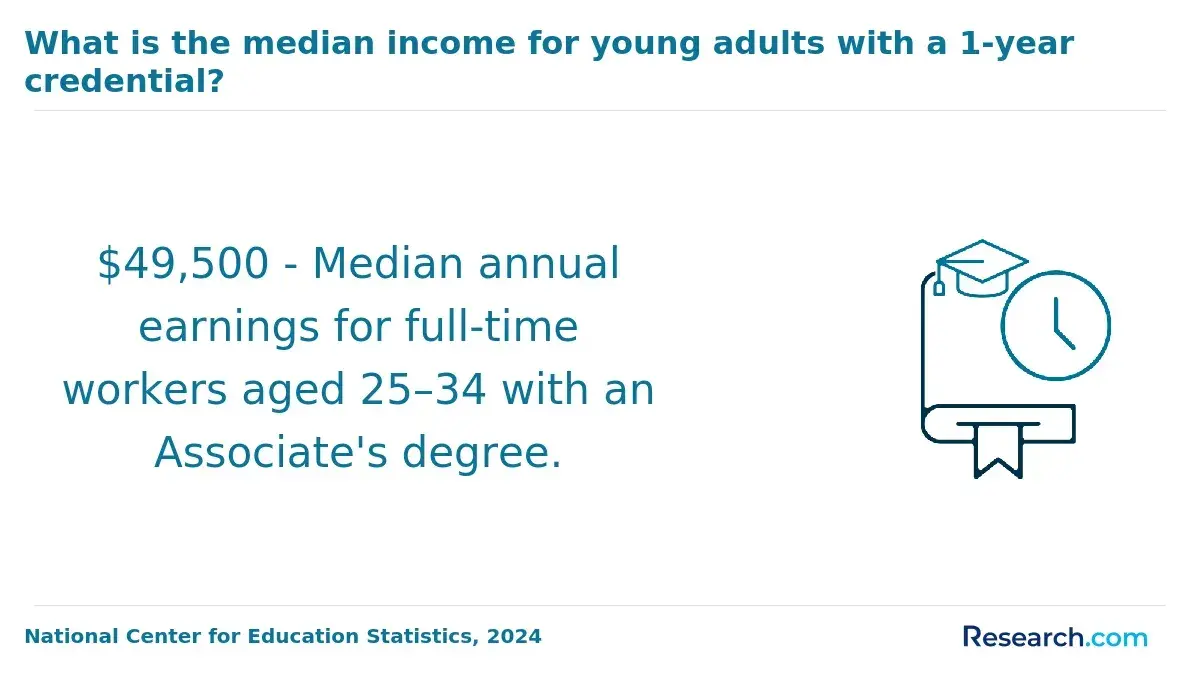
Graduates with a counseling psychology degree seeking higher earnings through career shifts can find considerably better compensation in several sectors compared to traditional counseling roles. While early-career salaries in counseling psychology typically range from $50,000 to $60,000 and mid-career earnings reach about $70,000 to $85,000 depending on context, alternative industries often offer substantially higher pay.
- Financial Services: Roles like organizational development consultants, talent management specialists, and behavioral finance analysts utilize counseling psychology expertise to impact workforce and client financial behaviors.
- Early-career salaries commonly exceed $80,000, with mid-career pay often surpassing $120,000.
- Compensation benefits from bonuses, profit-sharing, and commissions, reflecting the industry's revenue-driven nature.
- Management Consulting: Pivoting into human capital, change management, or leadership development consulting frequently begins near $90,000 and can rise past $140,000 at mid-career.
- Enterprise Technology: Positions such as user experience researcher or people analytics specialist offer starting salaries above $85,000, with rapid growth into six figures plus equity compensation.
- High-Growth Startups: Although base pay may start lower, equity and stock options provide potential for significant long-term gains tied to company success.
Differences in compensation largely stem from industry economics-high-margin sectors like finance and technology enable lucrative pay packages, whereas nonprofits and government roles operate with budget constraints. Evaluating the full compensation package is crucial, as base salary forms just one component; bonuses, equity, retirement contributions, health benefits, professional development funds, and flexible work arrangements all contribute to total value.
Career pivots toward high-paying industries often require extra investment in credentials, skill development, and networking. For example, moving into enterprise technology may demand advanced data analysis or software expertise, while consulting roles emphasize polished communication and business savvy. Balancing financial aspirations with realistic preparation costs ensures that transitions align with both monetary goals and personal circumstances.
Several industry sectors show robust employment growth where professionals with counseling psychology degrees have a competitive edge. These sectors align closely with counseling psychology competencies, creating tangible entry points beyond traditional roles.
- Healthcare and Behavioral Health: Growing awareness of mental health and expanded insurance coverage drive demand for professionals skilled in psychological assessment, therapy, and patient communication. Counseling psychology graduates fit naturally in integrated care and telehealth environments focused on behavioral interventions and care coordination.
- Human Resources and Organizational Development: The emphasis on employee wellness, diversity, and inclusion fuels opportunities for those with expertise in interpersonal dynamics and conflict resolution. Counseling psychologists contribute to talent management, coaching, and organizational change initiatives in dynamic workplaces.
- Technology and Digital Wellness: Rapid expansion of mental health apps and digital therapeutic platforms creates openings for counseling psychology experts who can design evidence-based interventions and user-centered content, leveraging their adaptability and research skills.
- Education and Academic Support Services: Increasing emphasis on social-emotional learning and student mental health programs in K-12 and higher education settings provides roles as coordinators or consultants developing supportive curricula and interventions.
- Nonprofit and Community Services: Rising social vulnerabilities and community mental health funding drive demand for professionals focused on advocacy, program evaluation, and culturally responsive direct service delivery.
- Corporate Wellness and Employee Assistance Programs: The trend toward holistic employee well-being offers counseling psychology graduates opportunities to lead counseling, stress management, and resilience training, applying clinical skills within workplace contexts.
Targeting these growth sectors involves focusing on employers in startups, innovative nonprofits, or expanding healthcare systems that value transferable skills and learning agility over formal credential matching. Screening for organizational growth, engaging with sector-specific networks, and tailoring resumes to highlight relevant competencies strengthen candidacy. Yet, professionals should balance the volume of opportunities and compensation against potential job volatility-assessing personal risk tolerance when planning a career pivot.
Earning a graduate certificate offers a focused, time-efficient path for counseling psychology degree holders aiming to pivot within or beyond their field. These programs-typically completed in under a year-demand significantly less investment than full master's or doctoral degrees, yet provide targeted skills highly valued by employers. According to the National Center for Education Statistics (NCES), graduate certificates signal specialized expertise without the prolonged commitment of another degree, making them a strategic tool for career realignment.
Graduate certificates differ notably from degree programs in terms of cost, duration, and labor market signaling. The American Council on Education highlights these credentials as a way for professionals to demonstrate current, job-ready skills that meet evolving workforce demands. Common certificate areas pursued by counseling psychology graduates include data analytics, project management, UX research, public health, nonprofit management, and financial analysis-each opening doors to diverse career pivot options with measurable labor market advantages.
- Targeted Skills: Certificates enhance employability by adding proficiency in fields relevant to multidisciplinary roles-such as data analytics for research-based positions or project management for leadership tracks.
- Labor Market Value: Research shows certificate holders in high-demand sectors often enjoy 5% to 15% higher salaries and stronger hiring preference than those without such credentials.
- Credential Inflation: Not all graduate certificates equally impact career growth. Key evaluation criteria include program accreditation, employer recognition, alumni success rates, and cost-benefit balance to avoid investing in low-value credentials.
- Timing Strategy: Ideal pursuit timing varies-before job applications to surpass credential requirements, during applications to affirm career shift commitment, or post-hire as ongoing professional development.
- Trend Insight: Enrollments among psychology and social science graduates increased by 30% over five years-reflecting rising acknowledgment of certificates as effective career pivot tools.
For counseling psychology professionals considering career pivot strategies using graduate certificates, it is important to integrate credential decisions with broader plans. This includes reframing resumes to highlight transferable competencies and networking strategically within targeted sectors. Some may explore accessible entry-level roles in emerging industries where enhanced credentials offer a competitive edge.
In evaluating options, candidates might also consider interdisciplinary certificates that complement their background. For example, public health certificates align with community wellness careers, while data analytics can open doors to research-oriented positions. Mid-career professionals seeking higher compensation or greater fulfillment often find these targeted credentials provide practical skillsets aligned with evolving high-growth sectors.
One illustrative niche is specialized technical and healthcare fields; those interested may explore recognized programs such as an ultrasound tech school to broaden their career flexibility beyond traditional counseling roles.
Academic credentials like degrees provide foundational knowledge but do not always signal readiness for roles outside counseling psychology. Professional certifications, however, serve as critical labor market signals-demonstrating specialized skills that meet employer expectations in related fields. For counseling psychology graduates pivoting careers, certifications aligned with target industry demands offer meaningful competitive advantages, while irrelevant credentials are less likely to impact hiring outcomes materially. This distinction is key for understanding certification benefits in counseling psychology career change.
Key career-relevant certifications include:
- Project Management Professional (PMP): Requires 35 hours of project management education and 4,500-7,500 hours of project leadership, costing around $555 for non-members with a 3-6 months preparation timeline. Highly valued in healthcare, business, and other industries needing project oversight.
- Certified Analytics Professional (CAP): Requires a bachelor's degree, 3 years of analytics experience, and passing a rigorous exam, costing $495-$695. Useful for those moving into data analytics and business intelligence.
- SHRM Certified Professional (SHRM-CP): Needs HR-related work experience and passing the SHRM exam, with fees of $300-$400 and 2-4 months study. Preferred for human resource management roles.
- Salesforce Administrator: Certification through passing the Salesforce Administrator exam, typically after 2-3 months of study, costs about $200. In demand for customer relationship management and sales operations jobs.
- Certified Career Counselor (CCC): Requires a master's in counseling, 3,000 supervised hours, and passing a certification exam. Supports career development and workforce advising roles.
Before investing in certifications, scan job postings for frequently listed credentials and review LinkedIn profiles of professionals who have successfully completed a professional certifications for counseling psychology career pivot. Conducting informational interviews provides employer insights on credential value. This research reduces risk of time and money spent on irrelevant certifications.
To optimize attainment within a pivot timeline, prioritize certifications that best complement your skills and have shorter preparation periods. Highlight certification benefits in counseling psychology career change by noting in-progress credentials on your resume and in interviews-this signals active professional growth. For those interested in further academic advancement, pairing certifications with a healthcare MBA can also enhance career flexibility and long-term outcomes.
Freelance and contract roles offer Counseling Psychology graduates a swift entry into new careers-leveraging the gig economy, where about 36% of U.S. workers engaged in freelance work in 2023. Platforms like Upwork and Fiverr reveal rising demand for project-based jobs that impart practical skills and build professional credibility.
- Content Development: Crafting mental health and client-focused materials sharpens communication abilities and produces portfolio samples showcasing expertise.
- Research and Data Analysis: Managing survey data or interpreting findings enhances quantitative skills, creating evidence of analytic competence valuable to employers.
- Virtual Assistance: Organizing calendars, correspondence, or databases demonstrates dependability and organizational strengths transferable across industries.
- Communications Consulting: Offering messaging advice to nonprofits or startups applies psychological insights, building relevant experience and references.
- Project Coordination: Overseeing deadlines and deliverables cultivates leadership skills and documents successful outcomes to support future job applications.
Starting a freelance career requires selecting platforms that align with target sectors and clearly packaging services to highlight a Counseling Psychology degree as a mark of trust and analysis. Beginners often set competitive rates to attract clients and gather positive feedback that justifies future fee increases. Translating freelance projects into detailed case studies and measurable results strengthens resumes and portfolios for full-time roles.
This pathway suits those with financial stability and openness to income variability-since highly regulated industries may not offer freelance access. For individuals with sufficient runway, freelancing compresses the timeline needed to establish cross-sector legitimacy, enabling faster pivots supported by real-world experience and professional networks.
Intentional networking is vital for Counseling Psychology graduates seeking to change careers-especially because they often start without established connections in new industries. Research from Harvard Business Review and MIT Sloan Management Review highlights that weak ties and referral-based hiring significantly increase job placement success in unfamiliar sectors. Adopting a strategic, consistent networking approach rather than sporadic efforts unlocks more opportunities.
- Alumni Network Activation: Identify Counseling Psychology alumni who have transitioned successfully to your target field. Reach out with personalized messages focusing on mentorship and career advice instead of immediate job requests.
- Professional Association Entry: Join industry-specific associations and actively participate in conferences, webinars, and local chapters. This facilitates interaction with practitioners and keeps you updated on job openings and trends.
- Informational Interview Campaigns: Request brief meetings using clear, polite templates like, "I admire your career path and would appreciate 15 minutes of guidance on entering this field." This lowers barriers for potential contacts.
- LinkedIn Strategic Connection-Building: Send connection requests with succinct, genuine introductions explaining your career pivot and interest in their expertise, avoiding generic notes.
- Community of Practice Engagement: Actively contribute to professional groups and forums related to your desired industry-both online and offline-to build credibility and relationships over time.
Many face networking anxieties-such as imposter syndrome, fear of rejection, and discomfort with self-promotion-but preparation and specific conversational frameworks ease these challenges. Starting with shared interests or asking about others' experiences creates natural dialogue without pressure.
Developing a regular networking routine-scheduling weekly outreach time, setting achievable contact goals, and tracking progress-transforms networking from a reactive job search action into a sustainable career-building habit. A 2023 LinkedIn study found that 70% of professionals were hired at companies where they had existing connections, underscoring the importance of sustained networking.
What Graduates Say About the Best Career Pivot Options for People With a Counseling Psychology Degree
- Azrael: "Graduating with a counseling psychology degree opened my eyes to the powerful transferable competencies that extend beyond traditional therapy roles-skills like active listening, empathy, and data analysis made pivoting into human resources a seamless transition. I found that entry-level roles in employee wellness programs were surprisingly accessible and served as a great foundation to build on. For anyone pivoting, my advice is to embrace credential strategies such as certifications in workplace mental health to stay competitive in high-growth sectors like corporate wellbeing."
- Alvaro: "Reflecting on my journey, one key insight from my counseling psychology background was the importance of resume reframing-highlighting interpersonal and research skills rather than just clinical experience drastically broadened my job prospects. Networking approaches also proved invaluable; joining interdisciplinary professional groups helped me break into the nonprofit sector focused on community mental health. In the long term, this degree equips you for a versatile career journey-never underestimate how varied your outcomes can be depending on where you invest your professional energy."
- Robert: "With counseling psychology training, I approached career pivoting from a highly strategic angle-I targeted high-growth sectors like digital mental health and teletherapy which demand fresh perspectives and tech-savvy practitioners. The credential strategies I pursued, including specialized training in telehealth platforms, positioned me ahead of the curve. What truly made a difference was leaning into the career's long-term outcomes-recognizing this field's evolving nature encouraged me to stay adaptable and continuously seek learning opportunities beyond my formal degree."
Other Things You Should Know About Counseling Psychology Degrees
Counseling psychology graduates should emphasize transferable skills such as communication, problem-solving, and empathy on their resumes. Highlighting experience with assessment, client advocacy, and ethical decision-making can appeal to employers outside traditional counseling roles. Using action-oriented language to demonstrate outcomes in diverse settings helps recruiters see the candidate's adaptability and value beyond clinical work.
Graduate programs in related fields such as social work, human resources, or organizational psychology provide specialized knowledge that supports a career pivot. These options add credentials attractive to employers in new sectors and build practical skills through internships or applied projects. This formal education signals commitment to the new path and can bridge gaps in experience.
No. School counselors usually need a state-approved master’s in school counseling or a closely related field, plus supervised internship hours and a state credential or license. In many states, the program must meet CACREP or state department of education standards before licensure or certification is granted.
- The Role of Professional Certifications in Career Change https://riddleworkforce.com/the-role-of-professional-certifications-in-career-change/
- 10 Alternative Careers for Mental Health Counselors https://www.hiddengemcareercoaching.com/blog/alternative-careers-for-mental-health-counselors
- Leveraging Your Psychology Degree: Jobs That Await You https://blog.jobflows.com/leveraging-your-psychology-degree-jobs-that-await-you/
- 14 Exciting Psychology Careers in High Demand https://www.ucumberlands.edu/blog/14-exciting-psychology-careers-high-demand
- How to Build Your Professional Network as a Psychology Undergraduate https://www.allpsychologyschools.com/blog/building-a-professional-network-in-psychology-as-an-undergraduate/
- Career Counseling in a Rapidly Evolving Job Market | IWU https://www.indwes.edu/articles/2025/11/career-counseling-rapidly-evolving-job-market
- 7 Careers with a Master’s Degree in Counseling Psychology | The Chicago School https://www.thechicagoschool.edu/insight/career-development/7-career-opportunities-with-a-masters-degree-in-counseling-psychology/
- Effective Networking Strategies for Career Changers https://www.jobcentreguide.co.uk/networking-for-career-change
- Fastest Growing Careers In Psychology | Psychology.org https://www.psychology.org/resources/fastest-growing-careers-in-psychology/
- Top Benefits of Pursuing a Counseling Psychology Diploma for Your Career - Cognizavest https://cognizavest.com/top-benefits-of-pursuing-a-counseling-psychology-diploma-for-your-career/