2027 Comparing Prevention Education and Individual Clinical Counseling

Co-Founder and Chief Data Scientist
Teaching a community how to reduce health risks and helping one person manage a mental health condition can address related problems, but they require different training and professional authority. That distinction matters if you are choosing a degree, changing careers, or deciding whether an existing public health qualification will support counseling work.
This comparison explains the roles, curricula, supervised experience, licensure, costs, and career prospects so you can choose a pathway that matches the work you actually want to do.
Key Things You Should Know
- Prevention education generally serves groups or populations through health communication and programs; clinical counseling provides individualized assessment and treatment under a state-regulated license.
- A public health bachelor's degree may support entry-level prevention work, while an MPH can deepen program-planning and evaluation skills. Neither degree alone qualifies someone for independent clinical counseling.
- Compare the full pathway, not tuition alone: counseling typically requires a qualifying clinical graduate degree, supervised practice, and state licensure; prevention jobs generally depend on the employer's required education and demonstrated skills.
What Is the Difference Between Prevention Education and Clinical Counseling?
Prevention education helps people and communities understand risks, build protective skills, and access resources. A health educator might develop a school substance-use prevention lesson, test whether its message is understood, and assess participation. Individual clinical counseling addresses a client's presenting concerns through assessment, a treatment plan, therapeutic sessions, and follow-up within a clinician's licensed scope.
The distinction is the purpose and responsibility of the encounter, not whether it happens one-to-one. A prevention educator may explain screening options to one person without diagnosing them; a counselor may lead a group therapy session while still providing clinical treatment. This comparison helps identify which preparation fits the work you want to perform.
| Decision point | Prevention education | Individual clinical counseling |
| Primary aim | Reduce risk and support health across a defined audience | Assess and treat an individual client's concerns |
| Typical work product | Educational materials, workshops, outreach, or program evaluations | Clinical assessments, treatment plans, and session records |
| Professional boundary | Refer people who need diagnosis or treatment | Practice within state licensure, competence, and confidentiality rules |
Choose by the tasks you want to be accountable for, rather than by a broad interest in mental health. An online public health degree tuition guide can help you assess the education investment, but a lower-cost public health degree is not a substitute for a qualifying counseling credential.
Which Public Health Degree Prepares You for Prevention Education Careers?
A bachelor's degree in public health, community health, or health education can prepare you for outreach, program support, and some health education positions, depending on the employer. Look for practice in audience research, accessible health communication, community engagement, program planning, and basic evaluation - not just a degree title. A supervised internship or a portfolio of reviewed educational materials can show that you can apply those skills.
An MPH, particularly a program with substantial community health or health promotion coursework, may fit someone who wants to design, manage, or evaluate prevention initiatives. It is not automatically necessary for entry-level work. If you already have communications, teaching, or nonprofit experience, compare job postings with your skills before committing to graduate study; targeted training and supervised projects may close a narrower gap. If completing an undergraduate degree while employed, short-session courses for online public health majors may affect scheduling, but check whether the pace leaves room for fieldwork and substantive projects.
Credentials such as CHES have separate eligibility and examination rules. A public health degree does not automatically award certification, and certification does not authorize clinical treatment.
What Degree and License Are Required for Individual Clinical Counseling?
For independent practice as a mental health counselor in the United States, the usual route is a qualifying master's degree in clinical mental health counseling or a closely related counseling field, followed by required supervised clinical experience, an examination, and approval from the state licensing board. License titles and rules differ by state. Counseling is not the only clinical route: clinical social work and marriage and family therapy have distinct degrees, supervised-practice rules, and licenses.
Before enrolling, identify the state where you intend to practice and ask its board whether the specific program and coursework meet its requirements. Also check who arranges clinical placements, how supervision is documented, and whether additional steps apply before independent practice. A doctorate in public health, including one found through a lower-tuition online PhD programs in public health comparison, is not a shortcut to a counseling license. Similarly, an MPH may complement a clinician's population-health work but does not replace clinical training.
Prevention-focused study emphasizes population needs assessment, social and behavioral influences on health, communication, program design, community partnership, and evaluation. Counseling study emphasizes interviewing, clinical assessment, diagnosis where within scope, treatment approaches, ethics, and supervised work with clients. Both can address mental health and cultural responsiveness, but sharing a topic does not make their competencies interchangeable.
The comparison below is a way to inspect actual course catalogs and placement requirements. A program's concentration name alone cannot establish the depth of training.
| Learning activity | Prevention-oriented public health pathway | Clinical counseling pathway |
| Methods | Identify audience needs and evaluate program reach or outcomes | Assess client concerns and select an appropriate treatment approach |
| Applied experience | Develop or evaluate work with a community or organizational partner | Provide supervised clinical services to clients |
| Ethical emphasis | Respect community priorities and use population data responsibly | Protect client confidentiality and practice within clinical competence |
If your interest is analyzing prevention outcomes rather than delivering education or therapy, biostatistics graduate programs for busy professionals represent a different, methods-intensive option. Choose that route only if the analytical work - not counseling or outreach - is your intended role.
Undergraduate public health admission follows the institution's first-year or transfer rules; admission to a particular major may involve additional requirements. MPH applicants generally need a bachelor's degree and must meet the chosen program's academic and application rules. A prior public health major is not universally required. Programs may value community experience, writing, and quantitative preparation, but their formal prerequisites differ.
Clinical counseling master's programs also set their own admissions criteria, which may include prerequisite coursework, relevant experience, an interview, or references. Admission is only the first checkpoint: a program can admit a student without guaranteeing that its curriculum satisfies a different state's licensing board. Applicants concerned about grades can compare public health master's entry with a modest GPA, while checking each school's actual policy rather than assuming one threshold applies everywhere.
Career changers should document transferable work - such as teaching, patient navigation, community organizing, or research - and identify the missing preparation for their chosen role. For counseling, prioritize evidence that you understand the commitment to supervised clinical practice; for prevention, show how you have communicated with or served a defined audience.
Online public health coursework may let you study away from campus, but group projects, live classes, and community-based assignments can still require fixed hours. An online MPH may include an applied practice experience at an approved site. Ask who finds the site, whether your current workplace is eligible, and what supervision and deliverables are required. When comparing online MPH programs with CEPH accreditation, confirm that the exact program you are considering falls within the accreditor's stated scope.
Online counseling coursework does not mean clinical experience can be completed entirely online. Practicum and internship placements require suitable clients, approved supervision, and compliance with program and state rules. Before accepting an offer, obtain written answers about placement support, required campus visits, live-session times, and whether the program meets educational requirements in your intended licensing state. Campus programs may offer local placement relationships, but neither format guarantees a convenient site.
The relevant timeline depends on your starting credential and destination. A prevention role may be accessible after an appropriate bachelor's degree and practical experience; an MPH adds graduate study if your target responsibilities warrant it. Independent counseling requires completing a qualifying graduate program and then meeting the state's supervised-practice and licensing conditions. Program length, part-time options, and the time needed to secure placements vary, so compare published plans of study rather than relying on an advertised completion time.
No single tuition figure captures the difference. Compare total required credits and per-credit charges, mandatory fees, travel or residency costs, placement-related expenses, and income you may forgo during fieldwork or supervised practice. A budget-friendly Master of Public Health programs comparison is useful for prevention-focused applicants only after confirming that the curriculum serves their intended role. A cheaper MPH is poor value if the actual goal requires clinical licensure; likewise, paying for a counseling degree may be unnecessary if you want to run education programs rather than treat clients.
Prevention pathways can lead to health education specialist, outreach coordinator, prevention program assistant, or community health roles in health departments, schools, health systems, and nonprofits. Titles are not standardized: inspect postings for whether the work centers on teaching, partnership building, program delivery, or evaluation. Entry-level candidates can strengthen an application with supervised outreach, accessible materials, and a clearly documented project rather than assuming a degree alone establishes readiness to manage a program.
Licensed clinical counselors may provide assessment and therapy in community agencies, healthcare settings, or private practice, subject to their state's rules and experience. Before licensure, graduates generally work under required supervision rather than independently. Research on prevention is another path, but it should not be confused with either frontline role; someone considering advanced epidemiology research can examine an epidemiology doctoral tuition assistance guide while recognizing that doctoral study is not a routine prerequisite for prevention education.
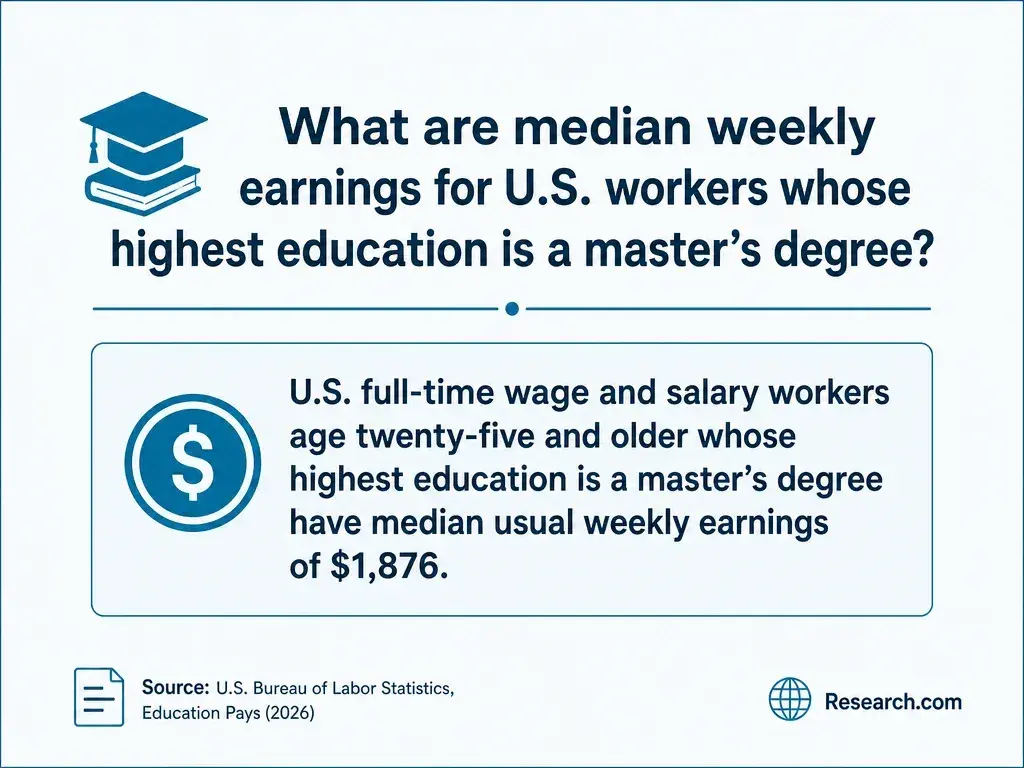
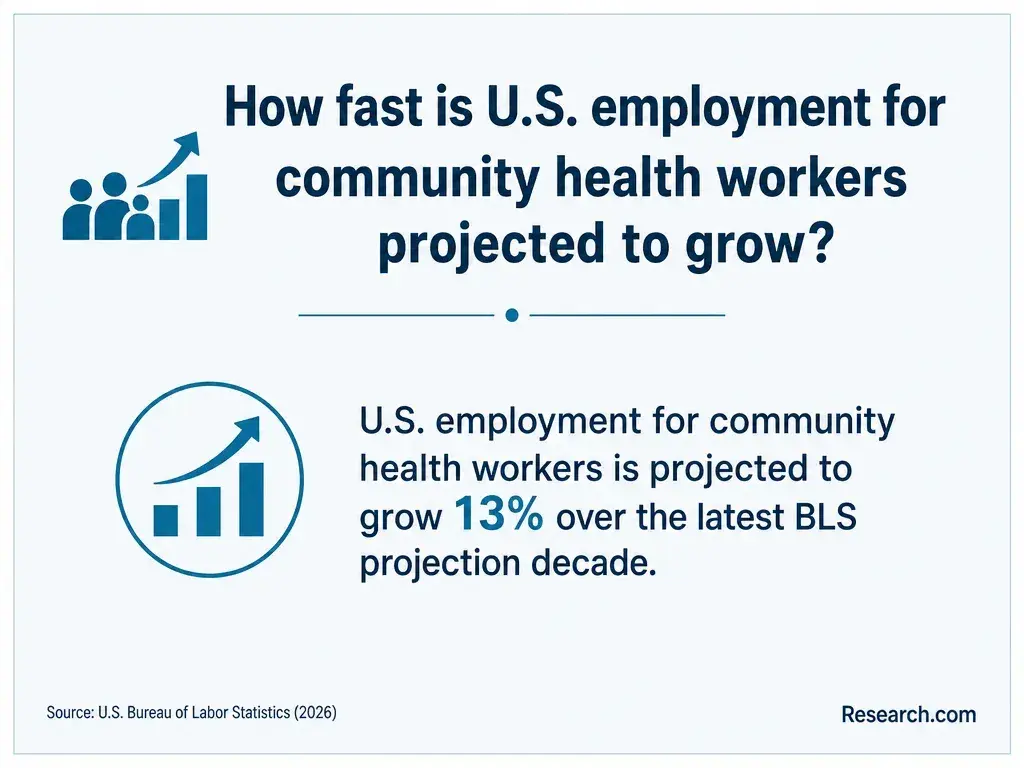
The US Bureau of Labor Statistics Occupational Outlook Handbook offers separate wage and employment projections for health education specialists and substance abuse, behavioral disorder, and mental health counselors. These are useful comparison categories, but they do not measure every prevention job or every licensed counseling specialty. Their occupation-wide median wages are not predicted earnings for graduates of a particular degree program.
For a sound comparison, check the latest published wage reference year and projection period for each occupation, then examine local job postings for the credentials and experience employers request. Compare likely starting roles and supervised-work requirements - not just the occupational medians. A discussion of comparing MPH graduate earning opportunities can provide additional context, but an MPH spans many occupations; it is not a single salary category. Factor in the cost and time of licensure before treating a counselor wage figure as a return on tuition.
How Can You Choose an Accredited Program for Your Career Goals?
First, match the program to the authority that matters for the job. Confirm institutional accreditation for any option. For an MPH, check the Council on Education for Public Health's listing for the exact school, unit, or program and whether your degree is covered. For clinical counseling, ask the intended state licensing board which educational and supervised-training requirements apply; then verify how the program meets them. Counseling-specific accreditation may be valuable, but do not assume an accreditation label alone guarantees licensure in every state.
Use the same questions when requesting written information from each finalist; the answers will reveal practical differences that program descriptions can obscure.
- Ask for the required courses, supervised experiences, and a sample schedule for your enrollment format.
- Confirm who approves and arranges placements, whether sites are available where you live, and what happens if a placement falls through.
- Request a complete cost estimate and check which expenses or supervised-work periods are not covered by tuition.
- For counseling, compare the curriculum against your intended state board's rules; for public health, confirm the exact scope of CEPH accreditation and the skills employers request.
Administrative fit matters too. If references are an application obstacle, comparing online MPH reference letter policies may help you build a shortlist, but an easier application should not outweigh curriculum, fieldwork feasibility, or career fit.
Other Things You Should Know About Public Health
Follow the organization's emergency and referral protocols, seek appropriate clinical or emergency support, and avoid attempting therapy outside your role. Learn those procedures before leading an outreach activity.
Yes. Educators can develop outreach and referral pathways while counselors provide clinical services. Define responsibilities and protect client information; a shared program does not create shared access to confidential records.
Yes, if they have the relevant planning and community-engagement skills. Clinical expertise can inform a program, but effective population-level education also requires attention to audience needs and evaluation.
No. Peer support draws on lived experience and operates within a defined support role. Its training and boundaries differ from licensed assessment and treatment; check local employer and certification requirements for the specific position.
- Defining the Scope of Prevention - NCBI - NIH https://www.ncbi.nlm.nih.gov/books/NBK32789/
- Mental Health Stigma | cdc.gov https://www.cdc.gov/mental-health/stigma/index.html
- eCFR:: 42 CFR Part 2 -- Confidentiality of Substance Use Disorder Patient Records https://www.ecfr.gov/current/title-42/chapter-I/subchapter-A/part-2
- The Difference Between Clinical & Counseling Psychology | National University https://www.nu.edu/blog/clinical-psychology-vs-counseling-psychology/
- Unleashing the Power of Prevention | NAM https://nam.edu/perspectives/unleashing-the-power-of-prevention/
- Prevention Glossary | ucla.edu https://super.ucla.edu/prevention-glossary/