2027 Comparing Per-Credit and Term-Based Tuition in Online MLIS Programs

Co-Founder and Chief Data Scientist
An online MLIS can fit around a job, but its tuition model can make the same study schedule affordable at one school and costly at another. The stakes matter. The U.S. Bureau of Labor Statistics reports a May 2025 median annual salary of $68,270 for librarians and media collections specialists, not a guaranteed starting salary for graduates.
This guide helps prospective students compare per-credit and term-based charges, calculate a realistic degree budget, and identify the policies that could change what they pay.
Key Things You Should Know
- Per-credit tuition generally rises with the number of credits taken. Flat term-based tuition depends more heavily on how many billed terms you need.
- Part-time students should compare the cost of their actual course sequence, including fees and minimum enrollment rules, rather than assuming either model is cheaper.
- BLS projects 2.6% employment growth for librarians and media collections specialists from 2025 to 2035. Keep borrowing decisions tied to your likely career path, not an assumed job offer.
What is the difference between per-credit and term-based tuition in online MLIS programs?
Per-credit tuition charges for each credit you enroll in. If you take fewer credits in a semester, your tuition bill for that semester generally falls, although fixed fees may not. Term-based tuition charges a set amount for an enrollment period, often subject to rules about the number of credits included, minimum enrollment, or a maximum course load.
The label alone does not tell you the full pricing policy. A university might bill tuition per credit while charging separate fees every term. Another might advertise a flat term rate but charge extra above a credit cap. Ask for the tuition schedule that applies specifically to the online LIS degree and your residency or enrollment classification.
For a student taking a steady, heavier course load, a flat term rate may spread across more credits. For someone taking one course at a time, repeated flat-rate terms may make the same required curriculum more expensive. Course availability matters: a term-based student cannot benefit from a higher credit cap if required classes cannot be taken together.
How much does an online MLIS program cost under each tuition model?
There is no reliable universal price for either model. Programs require different numbers of credits, set different rates, and apply different fees.
The comparison below shows how to build an estimate from a school's current published charges without mistaking tuition for the total cost of attendance.
| Charge | Per-credit model | Flat term-based model |
| Base tuition | Applicable rate multiplied by required credits | Applicable term charge multiplied by billed terms |
| Extra enrollment | Additional credits increase tuition | Additional terms increase tuition; credits above a cap may also cost more |
| Recurring fees | May apply each term or per credit | May apply each term or per credit |
| Other expenses | Materials, equipment, and any required travel | Materials, equipment, and any required travel |
To compare offers, use the same expected start period and degree requirements. Include prerequisite or foundation courses if they are required for you, and check whether a practicum, capstone, or additional term carries charges. An advertised rate is not a complete degree quote.
Which online MLIS tuition model is more affordable for part-time students?
Per-credit pricing is often easier to budget at a light course load because tuition follows the credits taken. It is not automatically cheaper: recurring student, technology, or program fees can accumulate over a longer enrollment period.
A flat term rate can work for a part-time student if the school's minimum load is manageable and the student can consistently take enough courses to make use of the rate. It becomes less attractive when work, caregiving, or course sequencing forces additional billed terms. Also check whether the school defines "part-time" differently for tuition, academic progress, and financial aid.
Compare two schedules for each program: the pace you expect to maintain and a slower pace you could afford if circumstances change. If the second schedule adds costly flat-rate terms, that financial risk belongs in your decision even if you intend to finish faster.
How do online MLIS programs calculate tuition, fees, and total degree costs?
Start with the program's required credits or billed terms, then add mandatory charges and realistic personal expenses. The following sequence helps separate a published tuition figure from what you may ultimately pay or borrow.
- Confirm the rate for your exact online program, enrollment period, and residency classification; do not assume online students receive an in-state rate.
- Map required courses and likely electives across actual terms, including any sequencing that could delay graduation.
- Add mandatory university, program, and technology fees, then estimate materials, equipment, and any required travel or fieldwork expenses.
- Subtract only funding you have confirmed, such as an awarded scholarship or approved employer reimbursement; distinguish your remaining out-of-pocket cost from any amount you plan to finance.
Previously completed graduate work might lower the credits you need, but acceptance and limits are school-specific. Explore accredited library masters transfer options, then request a written evaluation of your own courses before reducing a cost estimate.
Federal loan eligibility and terms depend on the applicable rules for your enrollment period and your circumstances. Ask the financial aid office which aid is available to you, what enrollment level is required, and how any relevant federal policy changes affect your start date. Borrowing can reduce today's cash payment without reducing the degree's cost.
What accreditation should an online MLIS program have?
For many professional librarian positions, the key credential is a master's program accredited by the American Library Association (ALA). Check the specific degree in the current ALA directory.
A university's institutional accreditation does not establish that its MLIS, MLS, Master of Science in Library Science, or differently named LIS master's program is ALA-accredited. Accreditation also does not verify a program's tuition model or guarantee that an elective is available online.
If you want to become a school librarian, check the education agency in the state where you intend to work. State certification or endorsement requirements are separate from ALA accreditation and may require particular coursework, field experience, or an educator credential. For example, someone comparing Illinois online MLIS options should verify Illinois requirements rather than assume any online LIS master's qualifies.
What coursework and specializations do online MLIS programs offer?
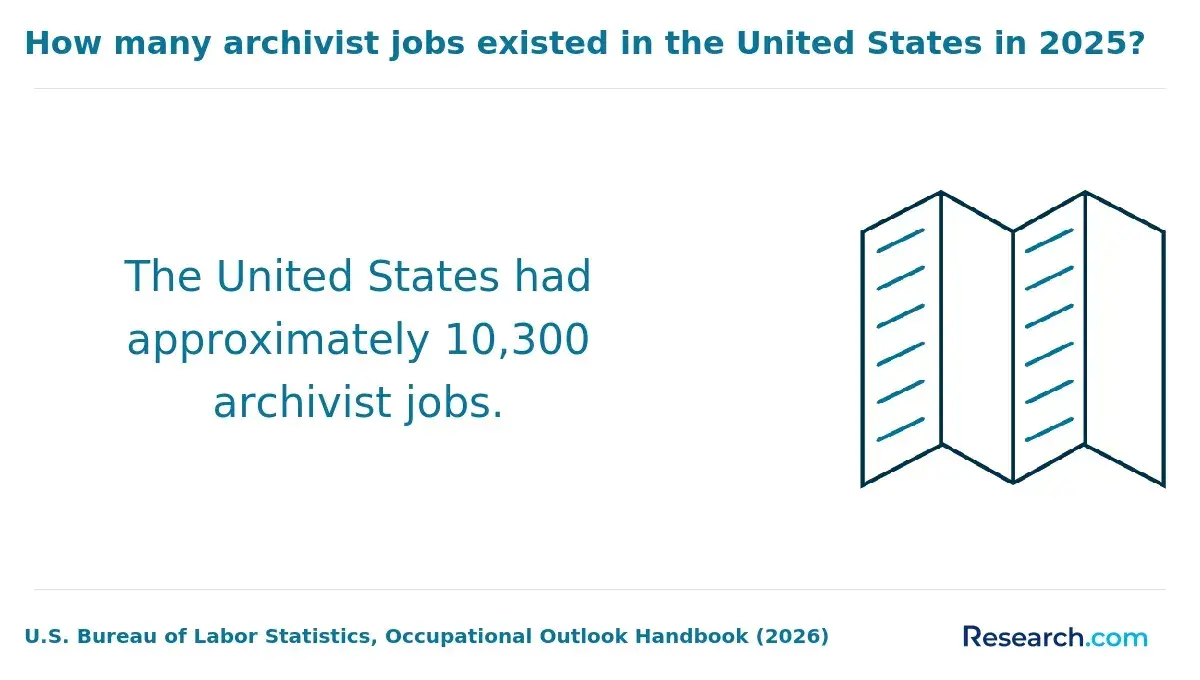
Core study commonly covers information organization, reference or information services, research methods, and management. Depending on the program, electives may address archives, digital preservation, metadata, youth services, or research data support. These choices matter financially when an elective is offered infrequently and adds a billed term to your schedule.
Distinguish an officially designated concentration from an elective pathway or a single relevant course. Ask which courses are required, which are offered online, how often they run, and whether a practicum or applied project can fit your location and timetable. Catalog inclusion does not guarantee a course will run during your planned term.
What are the admission requirements for an online MLIS program?
Applicants generally need a completed bachelor's degree and must submit the materials specified by the program, which may include transcripts, a statement of purpose, a résumé, and recommendations.
Minimum academic standards, test policies, deadlines, and prerequisite rules vary. Review the current admissions page for the exact degree rather than relying on a university-wide graduate admissions summary.
Admissions requirements also affect the budget. Ask whether you must complete foundation courses before or during the MLIS, whether those credits count toward graduation, and when you become eligible for any available aid. Prior library employment can strengthen an application, but it should not be assumed to replace a formal degree requirement or earn graduate credit.
How long does it take to complete an online MLIS degree?
Completion time depends on required credits, course load, term length, and whether required classes are available when you need them. A faster plan can reduce the number of flat-rate terms, but only if the workload is sustainable and the school permits the schedule. A slower plan may lower each per-credit bill while extending the period over which fees and living expenses accrue.
Students considering an intensive online library science degree should confirm the actual course sequence, weekly workload, and practicum timing before using an advertised completion timeline in a cost calculation. Online delivery does not mean every class or placement is self-paced.
What careers and salaries can an online MLIS degree lead to?
Depending on coursework and experience, an MLIS can prepare students to compete for professional roles in public, academic, government, and special libraries.
Related work includes archives, metadata, digital collections, and information management, although employers may accept or prefer other degrees for particular positions. Library technician jobs are a distinct occupational category and do not necessarily require an MLIS.
The BLS median cited earlier describes an occupation, not a program's graduate earnings or an entry-level offer. Before borrowing, compare the jobs you intend to pursue with local postings, your current earnings, and any experience you still need.
If your goal is an adjacent information role rather than professional librarianship, compare library information science degree options with relevant certificates or work-based training.
What should you compare when choosing an online MLIS program?
Build a side-by-side estimate for programs that meet your credential and career needs. Use the same assumptions about course load, start date, funding, and likely interruptions; otherwise, a low advertised rate can win a comparison it does not deserve.
Your final comparison should answer a few concrete questions before you commit.
- Is the specific master's program appropriately accredited for your intended jobs, and are any state credential requirements addressed separately?
- What is the total cost under both your expected schedule and a slower one, including recurring fees and possible extra terms?
- Which required courses and career-relevant electives are actually available online during your planned enrollment?
- What are the policies on credit caps, transfer credit, refunds, leaves of absence, practica, and employer-funded tuition?
Use those answers to choose the best online MLIS for your circumstances, not simply the lowest posted tuition rate. A per-credit program may offer valuable flexibility; a term-based program may offer better value when its courses and your schedule support a consistent, fuller load.
Other Things You Should Know About Library Science Programs
Possibly. Ask about approval, maximum time away, re-enrollment, and whether a leave changes your catalog requirements or financial aid. Do not assume that skipping registration automatically preserves your place.
Diploma and transcript wording varies by institution. Ask the registrar for a sample or its current policy if the distinction matters to you.
Some employers and schools support direct billing; others require students to pay first and seek reimbursement. Confirm both policies and the payment deadline before enrolling.
Some programs permit approved visiting or transfer coursework, but permission is not automatic. Obtain written confirmation that the course will satisfy your degree requirements before registering or paying for it.
References
- Pell Grant Enrollment Intensity and Cost of Attendance | ed.gov https://fsapartners.ed.gov/knowledge-center/fsa-handbook/2025-2026/vol7/ch3-pell-grant-enrollment-intensity-and-cost-attendance
- Residency Requirements | NM Higher Education Department https://hed.nm.gov/financial-aid/residency-requirements
- PA Tuition Rate Eligibility | pitt.edu https://www.tuition.pitt.edu/about/pa-tuition-rate-eligibility
- Rules Determining Resident and Nonresident Student Status for Indiana University Fee Purposes | University Policies https://policies.iu.edu/policies/vpso-07-rules-determining-resident-nonresident-student-status/index.html
- FAQs | Valdosta State University https://www.valdosta.edu/colleges/education/master-of-library-and-information-science/faqs.php
- MLIS Tuition & Financial Aid - UW Information School https://ischool.uw.edu/programs/mlis/tuition-financial-aid
- Eligibility for In-State Tuition | schev.edu https://www.schev.edu/financial-aid/in-state-residency
- Library and Information Science - MLIS - Kent State Online https://onlinedegrees.kent.edu/degrees/master-of-library-and-information-science
- Cost to Attend - Cornell Office of Financial Aid https://finaid.cornell.edu/cost-to-attend
- Online Masters in Library Science Degree | LSU Online https://online.lsu.edu/online-degree-programs/graduate/library-and-information-science/