
2027 Community College to Biochemistry Bachelor's Degree Transfer Guide

Co-Founder and Chief Data Scientist
Many community college students aiming to transfer into a biochemistry bachelor's degree program face challenges navigating course equivalencies, prerequisites, and application timelines. Without clear guidance, students risk delaying graduation or repeating coursework, which increases costs and extends time to degree completion. Data shows that only about 15% of community college STEM transfer students successfully transition into four-year biochemistry programs within three years. This article addresses these obstacles by providing a comprehensive guide on transfer strategies, prerequisite planning, and critical decision points. It aims to help students streamline their transfer process and achieve timely graduation in biochemistry.
Key Benefits of Community College to Biochemistry Bachelor's Degree Transfer
- Transferring from community college improves academic accessibility by offering smaller class sizes and personalized advising, which enhance foundational skills essential for biochemistry bachelor's degree success.
- Community colleges provide a cost-efficient start, with tuition averaging 60% less than four-year institutions, significantly reducing overall student debt for biochemistry degree seekers.
- Established articulation agreements streamline credit transfers, allowing students to complete their biochemistry bachelor's degrees on time and avoid retaking equivalent courses.
Who Should Consider Transferring to a Biochemistry Bachelor's Degree?
Transferring to a biochemistry bachelor's degree offers a tailored pathway for community college students aiming to enhance their academic credentials and career prospects. Nearly 40% of community college students transfer to four-year institutions within six years, underscoring the importance of well-planned transfer routes in higher education. For those evaluating their options, understanding the eligibility criteria for biochemistry bachelor's transfer programs can clarify the best fit for individual goals.
Students who may benefit most from transferring include:
- Research-Oriented Students: Those seeking to enter research-intensive STEM careers where a bachelor's degree in biochemistry provides essential credentials and technical expertise to compete effectively in the job market.
- Associate Degree Completers: Students who have already earned an associate degree in science or related fields and want to expand their knowledge through focused biochemistry coursework at a four-year university.
- Academic Path Changers: Individuals initially pursuing a different academic route who develop a strong interest in biochemistry and decide to shift their educational path accordingly to align with new career objectives.
- Cost-Conscious Learners: Community college students looking for affordable pathways to reputable four-year institutions with established biochemistry departments, enabling broad access to advanced study without excessive initial costs.
- Future Graduate Students: Those planning to pursue graduate studies in medicine, pharmacy, or biochemical research, for whom establishing a robust undergraduate foundation in biochemistry is critical.
Transferring allows students to combine the affordability and flexibility of community colleges with competitive opportunities in biochemistry. For those interested in health-related fields, exploring a certified medical assistant program could also complement their academic journey and enhance professional readiness.
What Are the Transfer Requirements for a Biochemistry Bachelor's Degree?
Transferring from community college into a bachelor's degree program in biochemistry requires meeting specific academic and administrative criteria to ensure readiness for advanced coursework. Nearly 40% of transfer students nationally are admitted into STEM-related programs, highlighting both the demand and competitiveness for fields like biochemistry. To navigate this process successfully, students must consider several key requirements.
- Minimum GPA: A cumulative GPA that reflects strong academic performance is essential, especially in math and natural science courses. This benchmark demonstrates preparedness for the rigorous science classes required in biochemistry programs.
- Prerequisite Coursework: Completion of foundational courses such as general and organic chemistry, biology, and calculus is typically required. These courses establish the necessary background knowledge for upper-division biochemistry studies.
- Official Transcripts: Students must submit official transcripts from all previously attended institutions. This step verifies completed coursework and ensures proper evaluation under community college credit transfer policies for biochemistry degrees.
- Application Materials: Transfer applications may require personal statements, letters of recommendation, and program-specific forms. These materials help admissions committees assess a student's fit and motivation for the biochemistry field.
- Advising and Orientation: Some universities mandate meetings with academic advisors or attendance at orientation sessions. This support clarifies degree requirements and confirms that the transfer plan aligns with program expectations.
Students aiming for a smooth transition and successful completion of their biochemistry bachelor's degree can benefit from understanding these requirements carefully. Additionally, exploring resources such as the best DNP programs online can provide valuable insight into further education options related to health sciences.
2026 Update: Lab Readiness and Research Fit Before Transfer
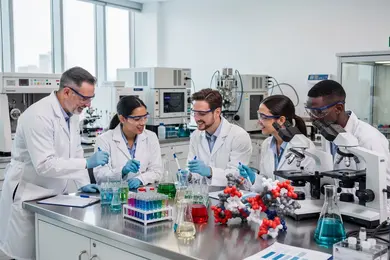
This 2026 update adds a practical check for biochemistry transfer students: whether your community college preparation matches the lab expectations and research culture of the four-year program you plan to enter.
- Ask whether upper-division biochemistry courses require prior experience with lab reports, data analysis, or scientific writing.
- Review lab equipment exposure, such as pipetting, chromatography, spectrophotometry, or basic molecular biology techniques.
- Check if the target department offers undergraduate research options for transfer students soon after enrollment.
- Confirm whether safety training, lab notebooks, or research ethics modules are required before joining a lab.
- Look for transfer-friendly advising within the chemistry, biology, or biochemistry department—not only general admissions advising.
- Compare course descriptions to see whether your lower-division labs were lecture-based, skills-based, or research-based.
Reviewing lab readiness helps students choose a transfer destination where they can move into advanced coursework and research opportunities with fewer surprises.
Can I Transfer All My Community College Credits to a Biochemistry Bachelor's Degree?
Many students transferring from community colleges into a biochemistry bachelor's program find that while a substantial portion of their credits may be accepted, the total number varies significantly. The recognition of credits depends on how well courses align with the target program, institutional rules, and specific curriculum demands. Data from the National Student Clearinghouse Research Center indicates that about 64% of community college students manage to transfer some credits to four-year institutions, although it is uncommon for all credits to be accepted in full. This variability reflects the complexity of credit transfer decisions tailored to each student's academic record and goals.
Key factors influencing credit transfer include course equivalency, where the content and level of community college classes must closely correspond to those in the biochemistry program. Accreditation matters as well, since regionally accredited colleges are generally preferred to ensure credit quality and legitimacy. Additionally, courses must be relevant to core subjects in biochemistry, such as chemistry, biology, or calculus; unrelated electives often do not transfer toward degree requirements. Finally, the evaluation process at the receiving school, whether manual or through online equivalency tools, ultimately determines which credits are accepted.
When asked if it's possible to transfer all credits, a graduate who moved from community college into a biochemistry bachelor's shared that the path wasn't straightforward. "I thought I would get everything accepted since I'd already done most of the science requirements," he said, but "some of my specialized courses didn't match their curriculum exactly, so I had to retake a few." The transcript review took time, and he recalls feeling both hopeful and anxious throughout the process. His advice to future transfer students: "Be proactive and work closely with advisors early on to understand what will count."
Breakdown of All 4-Year Online Title IV Institutions

What Classes Should I Take at Community College for a Biochemistry Bachelor's Degree?
Early selection of appropriate classes significantly improves the transfer experience and timely completion of a biochemistry bachelor's degree. Research indicates that students who complete core STEM courses before transferring have a 20% higher graduation rate within four years. Below are common recommendations for prerequisite courses that align with core science classes for community college biochemistry transfer students.
- Chemistry With Lab: Foundational understanding in chemical reactions and laboratory skills is essential. General chemistry courses paired with labs establish the core concepts necessary for advanced biochemistry coursework.
- Biology Fundamentals: Key introductory biology classes covering cell biology and genetics form the biological groundwork. These support learning about living organisms crucial to biochemistry studies.
- Mathematics: Courses like calculus or college-level math provide the quantitative skills required for analyzing biochemical problems and data accurately.
- Physics Labs: Physics with laboratory components teaches physical principles that explain many biochemical phenomena, enhancing comprehension of the subject matter.
- Communication Skills: English composition and related courses develop writing and critical thinking, vital for scientific reports and presentations throughout a biochemistry program.
For students aiming to accelerate their studies, exploring options such as a 6 month LPN program online can provide insight into fast-track approaches. Ensuring that all classes meet transfer requirements early on with course equivalency guides helps smooth the transition and supports degree success.
What Should I Do Before Transferring to a Biochemistry Bachelor's Degree?
Preparing well before transferring into a biochemistry bachelor's degree program can significantly boost your academic success and ease the transition. Research indicates that students who plan carefully before transferring have about a 15% higher chance of graduating on time. Below are essential steps to help you get ready.
- Evaluate Coursework Review your completed community college classes to ensure they align with key biochemistry prerequisites like general chemistry, biology, and math. Identifying any missing foundational courses early helps avoid delays later.
- Consult Advisors Regular meetings with academic advisors familiar with biochemistry programs can clarify curriculum demands and transfer protocols. Their guidance often prevents surprises in upper-division course planning.
- Prepare Documents Gather all necessary application materials-transcripts, recommendation letters, and personal statements-well in advance. Having these organized helps streamline the transfer process and shows your dedication to prospective programs.
- Understand Expectations Learn about the lab intensity, research involvement, and analytical skills required in biochemistry curricula. Being mentally ready for these challenges supports your academic growth.
A biochemistry bachelor's degree student who transferred from community college shared that the process was both challenging and rewarding. She recalled feeling overwhelmed initially by the lab work's rigor and the necessity to quickly adapt to a research-focused mindset. However, meeting frequently with advisors and proactively preparing her application materials eased her anxiety. She emphasized that understanding the program's demands early helped her adjust expectations and develop stronger time-management skills, ultimately enhancing her confidence and academic performance.
When Should I Apply for Transfer to a Biochemistry Bachelor's Degree?
Submitting your transfer application at an optimal time plays a vital role in ensuring a seamless shift and steady advancement toward earning a biochemistry bachelor's degree. Studies reveal that nearly 60% of community college students transferring into STEM fields send their applications during the main university transfer admission period. Keeping this timing in mind enhances your chances of acceptance and academic continuity.
Consider these essential factors when determining your application timeline:
- Academic Preparedness: Apply when you have completed or nearly completed essential prerequisite courses in chemistry, biology, and other foundational subjects to meet program expectations and improve admission prospects.
- Application Cycles: Most universities accept transfer applications on a set schedule, commonly once per semester or quarter. Aligning your submission with these windows ensures your application is reviewed appropriately and enrollment is timely.
- Coursework Completion: It is advisable to finish important general education and introductory science courses before applying to demonstrate readiness for upper-division biochemistry classes and strengthen your overall application.
- Document Processing Time: Submit materials early to give colleges sufficient time to evaluate transcripts, recommendations, and other documents, reducing the risk of delays in admission decisions.
- Advising Sessions: Early consultation with academic advisors helps you coordinate your application schedule with your educational goals and optimize your community college course plan for transfer.
Is It Cheaper to Transfer to a Biochemistry Bachelor's Degree From Community College?
Starting a biochemistry bachelor's degree at a community college is often viewed as a smart way to reduce education costs. Studies show students can save up to 40% on tuition by beginning at a community college rather than starting directly at a four-year university. These savings make the transfer path an appealing option for many aiming to earn a biochemistry degree.
Several important cost factors contribute to this financial advantage:
- Lower Tuition Rates: Community colleges offer significantly lower tuition for initial coursework, especially for general education and prerequisite classes necessary for biochemistry programs.
- Reduced Overall Degree Costs: Completing the first two years at a community college lowers the total expense since more costly upper-division courses are only taken after transfer.
- Housing Savings: Many students live at home or nearby during community college, cutting down on dorm or off-campus housing expenses typically higher at four-year institutions.
- Commuting Costs: Attending a nearby community college reduces transportation expenses, easing the daily financial burden of travel.
- Cost After Transferring: While tuition fees increase after transfer, finishing foundational courses earlier balances out long-term educational costs.
For students carefully managing expenses, beginning at a community college before transferring into a biochemistry bachelor's degree program offers a clear, economical strategy without compromising academic goals.
What Financial Aid Is Available for Biochemistry Bachelor's Degree Transfer Students?
Transfer students moving into biochemistry bachelor's degree programs can often access multiple financial aid options to help manage the costs associated with completing their education. Nearly 85% of transfer students receive some form of financial support, highlighting the availability and importance of such assistance. Many students find that a combination of aid sources eases the transition and makes pursuing a biochemistry degree more affordable. Common types of aid include:
- Need-Based Assistance: This aid considers a student's economic situation and helps cover tuition, fees, and sometimes living expenses. It is funded through federal and state programs designed to support students from diverse financial backgrounds.
- Federal and State Support: Grants and subsidized loans from these programs usually have low interest rates and flexible repayment plans. Programs like the Federal Pell Grant and state tuition assistance reduce costs without the obligation of repayment.
- Institutional Aid: Many colleges offer grants, tuition discounts, or renewable awards specifically for transfer students. These funds can complement other aid and encourage academic success in specialized biochemistry programs.
- Work-Study Opportunities: Part-time jobs related to biochemistry or on-campus work allow students to earn money while gaining valuable experience relevant to their field of study.
- Scholarships and Grants: Transfer students from community colleges may also qualify for scholarships and grants tailored to biochemistry transfer pathways, enhancing their financial aid package further.
Students exploring financial aid options for biochemistry transfer students can significantly reduce their education costs. For those interested in other healthcare-related fields, understanding what is medical coding salary could provide additional career insight.
Are There Scholarships for Transfer Students in Biochemistry Bachelor's Degree Programs?
Transfer students seeking a biochemistry bachelor's degree often find scholarship opportunities designed to support their educational journey. Studies show that around 60% of transfer students receive some form of financial aid, demonstrating the availability of funding tailored to their needs. These scholarships help reduce the financial burden and encourage degree completion in STEM fields. Below are common types of scholarships available for biochemistry transfer students.
- Merit-Based Awards: These scholarships reward academic excellence, often considering a student's community college GPA and prior achievements to recognize their potential in biochemistry studies.
- Need-Based Scholarships: Targeted at students who demonstrate economic need, these options require documented financial circumstances and provide vital support to eligible transfer students pursuing biochemistry.
- Transfer-Specific Scholarships: Some awards are exclusively for students moving from community colleges to four-year biochemistry bachelor's degree programs, recognizing the unique challenges faced during transfer.
- Institutional Scholarships: Universities may offer direct funding to biochemistry transfer students as part of enrollment packages aimed at attracting and retaining qualified candidates.
- External Scholarships and Grants: Private organizations, foundations, and professional societies in biochemistry or STEM fields provide additional grant opportunities to financially assist transfer students.
Exploring these transfer scholarships for biochemistry bachelor's students can ease financial stress and enable a stronger focus on academic success. For students balancing work or family, understanding financial aid options for biochemistry transfer students is essential. Additionally, those interested in nursing pathways might explore a range of RN to BSN programs that also offer scholarship opportunities relevant to transfer students.
What Problems Do Students Face When Transferring to a Biochemistry Bachelor's Degree?
Transferring to a biochemistry bachelor's program from a community college can be an effective route, but it often involves several challenges that may hinder student success. Research shows that only about 44% of transfer students finish their bachelor's degrees within four years after transferring. These obstacles range from academics to administrative hurdles. Key issues include:
- Credit Transfer Inconsistencies: Many community college classes don't perfectly match university requirements, which can result in credit rejections or partial acceptance. This issue can prolong time to graduation and increase the course load.
- Academic Adjustment: The rigor of upper-division biochemistry courses often demands a deeper understanding, especially in subjects like organic chemistry and molecular biology. Students may struggle to keep pace and maintain confidence.
- Administrative Challenges: Transfer applicants face complex processes such as submitting detailed transcripts and meeting specific prerequisites, which can delay enrollment and course registration.
- Coursework Misalignment: Community colleges typically emphasize foundational science, while bachelor's degrees require advanced topics in genetics, biochemistry, and lab skills. This gap can lead to the need for additional classes to meet degree expectations.
What Graduates Say About Community College to Biochemistry Bachelor's Degree Transfer
- Shane: "Transferring from community college to a biochemistry bachelor's degree program was a pivotal decision for me, driven mainly by my passion for research and desire to deepen my understanding of molecular processes. The affordability of transferring saved me a significant amount, allowing me to focus more on my studies rather than financial stress. Ultimately, this move opened doors to advanced research opportunities that have been essential in launching my career in pharmaceutical development."
- Emiliano: "Looking back, I transferred to a biochemistry bachelor's program because I wanted a curriculum that truly challenged me and aligned with my goal of becoming a clinical scientist. The cost was surprisingly manageable, especially compared to starting fresh at a four-year institution, making it a smart investment in my future. This transfer fundamentally boosted my professional network and practical skills, which have been invaluable in my current role at a biotech firm."
- Samuel: "My transfer to a biochemistry bachelor's degree program was motivated by the program's strong emphasis on both theoretical knowledge and hands-on lab experience. The financial aspect was a critical factor for me, as transferring helped reduce debt and provided access to scholarships that community college alone couldn't offer. Professionally, this decision made a measurable difference in my career trajectory, equipping me with the expertise needed to excel in biomedical research."
Other Things You Should Know About Biochemistry Degrees
It is important to consult academic advisors at both your community college and the target university to compare course descriptions and outlines. Early alignment ensures that key foundational courses in chemistry, biology, and math transfer smoothly and fulfill major prerequisites. Many universities also provide transfer guides or articulation agreements specifying required courses for biochemistry majors.
Participating in relevant extracurricular activities, such as joining science clubs, conducting independent research, or engaging in community science outreach can be beneficial. These activities demonstrate commitment to the field and can strengthen your application while providing practical skills applicable to biochemistry studies.
One common challenge is adjusting to the increased laboratory and research demands at four-year institutions. Biochemistry programs often require in-depth lab work and critical thinking skills that build on community college preparation. Students may also face tougher competition for limited seats in upper-division biochemistry classes, making academic performance crucial.
Yes, GPA requirements vary between institutions, but most universities expect a minimum GPA of around 3.0 for transferring into a biochemistry bachelor's program. Higher GPAs improve admission chances and competitiveness, particularly with highly selective programs.
References
- Bachelor’s degree dreams of community college students get stymied by red tape — and it’s getting worse https://hechingerreport.org/bachelors-degree-dreams-of-community-college-students-get-stymied-by-red-tape-and-its-getting-worse/
- Chemistry Transfer Pathway https://catalog.monroeccc.edu/preview_program.php
- Top 23 Scholarships for Transfer Students to Apply for in March 2026 https://bold.org/scholarships/by-demographics/scholarships-for-transfer-students/
- Community college transfer processes discourage degree completion https://journalistsresource.org/education/community-college-transfer-bachelors-degree-barriers-research/
- Navigating Barriers to Success for Community College Science Students: A Review of Transfer Challenges https://articlegateway.com/index.php/JHETP/article/view/7342
- Biochemistry Transfer Pathway https://admission.universityofcalifornia.edu/admission-requirements/transfer-requirements/uc-transfer-programs/transfer-pathways/biochemistry.html
- Biochemistry https://www.mesacc.edu/programs/biochemistry
- 453 Fully Funded Bachelor, Undergraduate Biochemistry scholarships https://www.scholarshipsads.com/search/degree/undergraduate/bachelor/subject/biochemistry/funding/fully-funded
- Transfer after a year at Community College. - Page 2 - Transfer Students - College Confidential Forums https://talk.collegeconfidential.com/t/transfer-after-a-year-at-community-college/1156733
- Transfer Pathway Guides https://www.monroecc.edu/auditsheets.nsf/Lookup+Regular+By+College/4514C4DE30F598B485258AF3006EA023









![2027 Best Advanced Standing Online MSW Programs [CSWE Accredited] thumbnail](/uploads/Online_Advanced_Standing_MSW_301dbd5368.jpg)


