2027 What Jobs Can You Get With a Biochemistry Bachelor's Degree?

Co-Founder and Chief Data Scientist
Deciding what career path to pursue after earning a biochemistry bachelor's degree can be challenging for many graduates. While some seek roles in research labs, others aim for positions in pharmaceuticals, healthcare, or environmental science. The complexity of biochemistry's interdisciplinary nature often adds uncertainty, as job markets evolve and industry demands shift.
According to the U. S. Bureau of Labor Statistics, employment for biochemical technicians is projected to grow 4% from 2022 to 2032, reflecting steady opportunities in this field. This article explores the diverse jobs available to biochemistry graduates, providing clarity to support informed career decisions and future planning.
Key Benefits of the Jobs You Can Get With a Biochemistry Bachelor's Degree
- Graduates with a biochemistry bachelor's degree can work across diverse industries, including pharmaceuticals, environmental science, and biotechnology, reflecting strong career versatility.
- Many careers in biochemistry offer competitive salaries, with median earnings around $94,000 for experienced professionals and clear advancement opportunities.
- The degree supports long-term growth by providing foundational knowledge applicable to research, healthcare, and graduate studies, enabling diverse professional pathways.
What Entry-Level Jobs Can I Get With a Biochemistry Bachelor's Degree?
A bachelor's degree in biochemistry offers a range of entry-level job opportunities where graduates can apply their foundational knowledge of chemistry, biology, and laboratory skills in practical settings.
Approximately 61% of recent STEM bachelor's degree recipients secure related full-time employment within a year of graduation, highlighting the demand for specialized scientific training such as a biochemistry bachelor's degree job opportunities provide.
Common entry-level jobs within the biochemistry field include:
- Laboratory Technician: Graduates in this role assist with conducting experiments, preparing samples, and maintaining laboratory equipment. The degree equips them with essential technical skills to follow scientific protocols and accurately analyze biochemical samples.
- Research Assistant: This position supports senior scientists by performing routine experiments, collecting data, and documenting findings. A strong understanding of molecular biology and chemistry gained from the biochemistry bachelor's degree is crucial for managing lab workflows effectively.
- Quality Control Analyst: These professionals test products or raw materials to ensure compliance with safety and quality standards. A background in biochemistry provides the analytical skills needed to operate testing instruments and interpret chemical data accurately.
- Production Chemist: Working in manufacturing, production chemists monitor and optimize chemical processes involved in producing pharmaceuticals or other biochemical products. Their education trains them to troubleshoot problems and maintain product consistency.
- Environmental Lab Analyst: This role involves analyzing environmental samples such as water or soil for pollutants using biochemical techniques, applying scientific principles learned during the degree program.
For students exploring related graduate options after gaining experience in these roles, programs like the easiest DNP programs can be a consideration to advance their education and career paths.
What Industries Hire Biochemistry Bachelor's Degree Graduates?
A bachelor's degree in biochemistry opens doors to diverse industries where scientific and analytical skills are in demand. Employer demand for bachelor's degree holders in STEM fields remains strong across many sectors, with the U.S. Bureau of Labor Statistics forecasting steady employment in science and technology roles.
However, job opportunities often depend on specific skills, specializations, and relevant experience acquired during study or work.
The top sectors employing Biochemistry graduates in North America offer a variety of engaging career paths:
- Pharmaceutical and Biotechnology Industries: These fields are major employers of biochemistry graduates. Roles primarily focus on research and development of new medications, quality assurance, and regulatory compliance.
- Healthcare and Clinical Laboratories: Biochemistry graduates often work in diagnostic labs, hospitals, or medical testing centers. Their expertise supports the analysis of patient samples, development of diagnostic techniques, and the delivery of accurate biochemical data essential for patient care.
- Agricultural and Food Science: This sector hires biochemistry graduates to enhance crop production, innovate sustainable farming practices, and maintain food safety standards. Jobs may involve researching pesticides, food additives, or nutritional content by applying biochemical knowledge of plants and animals.
- Environmental Science and Biotechnology: Graduates are employed to study the impact of chemicals on ecosystems and create bioremediation methods. Work includes pollution management, environmental monitoring, and applying biochemical expertise in toxicology and ecosystem health.
- Academic and Government Research Institutions: Many biochemistry graduates find roles in universities and government labs focused on fundamental and applied research. These positions foster scientific advancement and public health initiatives using biochemical approaches.
Prospective students interested in expanding their career prospects in healthcare administration or related fields may also consider pursuing an online healthcare administration degree to complement their biochemistry training.
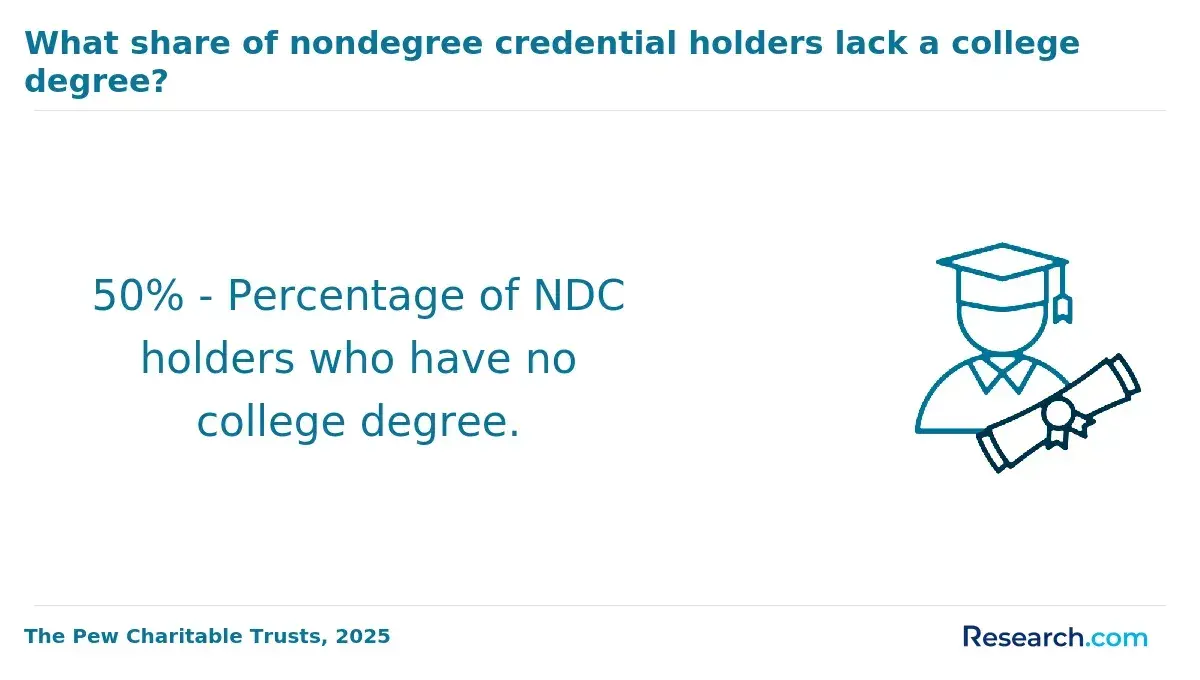
Can You Get Jobs Outside Your Major With a Biochemistry Bachelor's Degree?
Many graduates with a biochemistry bachelor's degree find opportunities beyond their chosen field by leveraging the versatile skills they acquire during their studies.
As the job market evolves, an increasing number of college graduates-around 40%-hold positions unrelated to their major, underscoring the value of adaptability in career paths.
- Transferable Skills: Analytical thinking, problem-solving, and effective communication are core strengths developed through biochemistry programs. These competencies, alongside experience in research methods and laboratory techniques, prepare graduates to excel in roles demanding precise evaluation and critical analysis.
- Employer Hiring Trends: Companies now favor candidates who demonstrate flexibility and diverse knowledge. Graduates with a scientific foundation often bring unique insights, making them attractive hires even when their degree is not directly related to the target industry.
- Experience and Training: Practical experience such as internships, volunteer work, or continued education enhances job prospects. Combining academic knowledge with hands-on skills helps graduates bridge the gap between their biochemistry background and the expectations of various professional environments.
What Remote Jobs Can I Get With a Biochemistry Bachelor's Degree?
The rise of remote work has transformed many industries, with over half of U.S. employees gaining the option to work from home at least part-time, according to recent data.
Graduates holding a bachelor's degree in biochemistry can leverage this shift to find rewarding remote careers that capitalize on their scientific expertise and analytical skills.
- Medical Writer: This role involves creating detailed scientific materials such as research articles and regulatory documents. A biochemistry background helps in accurately interpreting complex scientific content and effectively communicating it to diverse audiences, often through digital platforms.
- Regulatory Affairs Specialist: Specialists in this field ensure that products comply with evolving governmental regulations. Remote tasks typically include reviewing documentation and coordinating compliance efforts via online collaboration tools, requiring a strong grasp of biochemistry and attention to detail.
- Clinical Data Analyst: Managing and interpreting clinical trial data is central to this position. Knowledge of biochemistry supports rigorous data evaluation, while remote work demands proficiency with data analytics software and clear virtual communication of findings.
- Scientific Sales Representative (Remote): This job entails promoting scientific products through virtual presentations and client engagement. Expertise in biochemistry enhances credibility, and adaptability to remote communication methods ensures successful interactions.
A graduate interviewed about her experience shared that transitioning to remote work required self-discipline and learning to manage time effectively without in-person supervision.
She noted, "Initially, it was challenging to stay motivated and connected with colleagues, but developing strong digital communication skills was key."
She also emphasized that her biochemistry education equipped her with a logical approach to problem-solving, which proved invaluable when dealing with remote project challenges. This combination of scientific knowledge and adaptability helped her thrive in a remote role, turning early uncertainties into professional growth opportunities.
Can I Switch Careers With a Biochemistry Bachelor's Degree?
Many professionals leverage a biochemistry bachelor's degree as a solid base for changing career directions, thanks to the adaptable skill set acquired during their studies.
Approximately 40% of STEM graduates, including those with biochemistry degrees, move into fields beyond their initial specialization within five years of finishing school. This shift reflects broad workforce trends that value versatile competencies over narrow expertise.
Graduates with a biochemistry background often find their education enables them to explore diverse career options with a biochemistry bachelor's degree, making transitions more feasible as industries evolve.
A biochemistry degree fosters critical transferable skills such as analytical thinking, adaptability, problem-solving, and effective communication, all essential for career change opportunities for biochemistry graduates.
Successful transitions frequently rely on supplementing formal education with internships, volunteer roles, or self-directed learning to acquire practical experience and close any knowledge gaps. Engaging in on-the-job training or targeted skill development enhances readiness for new roles.
For those exploring different professional paths, options like medical billing and coding programs represent one of many accessible routes to build competencies outside traditional lab-based careers.

What Are the Highest-Paying Jobs With a Biochemistry Bachelor's Degree?
Salary prospects for individuals with a biochemistry bachelor's degree often depend on the industry they enter, their level of experience, and their area of specialization.
Over time, more advanced expertise can open access to higher-paying positions. On average, STEM bachelor's degree holders, including those in biochemistry, tend to earn considerably more throughout their careers compared to peers with non-science degrees.
- Pharmaceutical Research Scientist: These professionals focus on creating new drugs and therapies by investigating molecular interactions within the body. Salaries typically increase to the six-figure range as expertise grows.
- Clinical Research Coordinator: Tasked with managing clinical trials, these coordinators ensure adherence to regulatory protocols and analyze data concerning drug safety and effectiveness. Compensation generally falls between moderate to high five-figure earnings at entry and mid-levels.
- Quality Control Analyst: Analysts in this position test pharmaceutical and biotech materials to guarantee quality standards, relying heavily on skills in detecting contaminants and understanding molecular behavior. Biochemistry graduates are well prepared for these responsibilities, with salaries often reaching the mid to upper five figures.
- Biotech Sales Representative: Combining scientific knowledge with sales expertise, these representatives explain complex biochemical products to clients and build business relationships. Income potential grows with experience, frequently supplemented by commissions that enhance overall earnings.
- Forensic Science Technician: Applying biochemistry techniques in forensic labs, these technicians analyze biological samples such as DNA or toxins to support criminal investigations. Their laboratory precision skills translate into wages generally in the mid-five-figure range, rising alongside specialization.
What Career Growth Opportunities Are Available With a Biochemistry Bachelor's Degree?
A bachelor's degree in biochemistry provides a strong foundation for long-term career development and advancement across a variety of roles. As professionals gain experience, they often move into positions with greater responsibility, such as research scientists, project coordinators, or product development specialists.
Career growth can also arise from developing specialized expertise in areas like molecular biology, pharmacology, or biotechnology, allowing individuals to become valuable experts who drive innovation.
Furthermore, experienced biochemistry graduates may expand into leadership or cross-functional roles, including supervisory positions, lab management, or roles that combine scientific knowledge with business functions such as regulatory affairs or product management.
A professional with a biochemistry bachelor's degree shared that early on, the challenge was balancing hands-on lab work with the evolving expectations for leadership and communication skills.
"I remember feeling uncertain about transitioning from technical roles to management, especially because it required learning how to coordinate diverse teams and interact with non-scientific stakeholders," he explained.
Over time, he found that developing strategic thinking and organizational skills was as critical as scientific expertise. He emphasized that the journey involved continual adaptation and learning, which ultimately opened doors to more dynamic and influential roles within his organization.
What Jobs Require Certifications After a Biochemistry Bachelor's Degree?
Graduates holding a biochemistry bachelor's degree may find that certain career paths require or strongly prefer additional certifications to meet industry standards and job responsibilities. These certifications serve to validate specialized skills and can significantly improve eligibility for roles in competitive fields.
Certifications needed for biochemistry graduates in the United States often focus on technical knowledge, regulatory compliance, and quality assurance.
- Clinical Laboratory Technologist: Professionals in this role conduct complex tests within medical laboratories. Certification from the American Society for Clinical Pathology (ASCP) as a Medical Laboratory Scientist (MLS) is commonly required to work in hospital or diagnostic lab settings.
- Quality Control Analyst: Frequently employed in pharmaceutical and manufacturing industries, quality control analysts ensure that products and processes meet established standards. Certifications like the Certified Quality Improvement Associate (CQIA) or Six Sigma Green Belt are valuable credentials.
- Regulatory Affairs Specialist: Specialists in regulatory affairs manage compliance with government regulations affecting drug and chemical development. The Regulatory Affairs Certification (RAC) is widely recognized and enhances employment prospects.
- Environmental Scientist/Technician: This role involves monitoring environmental quality and hazardous waste management, often requiring certifications such as the Hazardous Waste Operations and Emergency Response (HAZWOPER).
For those seeking additional professional opportunities, exploring related programs like CMA to LPN bridge programs online can also be beneficial as complementary pathways in healthcare. Such certifications and program completions enhance the profile of biochemistry graduates in the job market.
What Jobs Require a Master's After a Biochemistry Bachelor's Degree?
While a bachelor's degree in biochemistry opens doors to various career paths, some positions require a master's degree for advanced knowledge, specialization, or professional licensure.
Approximately 35% of biochemistry graduates pursue graduate education within a few years, reflecting the increasing demand for higher qualifications in the field. This trend aligns with the graduate degree requirements for advanced biochemistry career roles.
- Research Scientist: These professionals design and carry out complex experiments in pharmaceuticals, biotechnology, or environmental science. A master's degree equips them with deeper technical expertise and autonomy in managing innovative projects.
- Clinical Laboratory Scientist: Working in medical or diagnostic laboratories, these scientists analyze patient samples to detect diseases. Advanced degrees are often necessary to operate sophisticated equipment and interpret nuanced data with precision.
- Regulatory Affairs Specialist: This role ensures that products meet governmental compliance standards. Master's-level training helps professionals understand detailed regulations and facilitates successful submission and approval processes.
- Bioprocess Engineer: Focused on manufacturing biological products, these engineers rely on graduate education to apply complex techniques and efficiently scale production.
- Science Policy Analyst: These analysts translate scientific research into policy recommendations for government or advocacy groups. Master's education strengthens their scientific foundation and critical thinking skills needed to influence decision-making.
For prospective students weighing career options, understanding what jobs require a master's after a biochemistry bachelor's degree in the United States is essential.
In some cases, pursuing graduate education may also prepare students for interdisciplinary careers, including healthcare management, where a PhD in healthcare management can complement scientific expertise and open additional leadership opportunities.
What Is the Job Outlook for Biochemistry Careers?
Employment prospects for biochemistry professionals are expected to grow steadily, with a projection of approximately 6% increase from 2022 to 2032, aligning with the average growth rate of most occupations.
Growth rates differ across sectors, as industries like medical research, pharmaceuticals, and environmental science show stronger job creation compared to traditional manufacturing fields.
Employers often seek candidates with expertise in advanced laboratory techniques and familiarity with current analytical technologies, which can significantly enhance career opportunities.
Economic trends and the landscape of scientific research funding also influence the demand for biochemistry graduates. Consequently, those with specialized skills and relevant experience tend to have a competitive edge in the job market.
Several factors shape the long-term outlook for biochemistry careers, including rapid advancements in technologies such as genetic engineering, molecular diagnostics, and computational biology. These innovations continually redefine research priorities and open new fields for employment.
Public investment in research and development alongside global economic shifts also affect job availability in this discipline. Additionally, the evolving nature of scientific inquiry requires professionals to maintain adaptability and commit to ongoing learning.
Individuals who stay current with emerging trends and develop interdisciplinary skills are better positioned to succeed in this dynamic field.
What Graduates Say About the Jobs You Can Get With a Biochemistry Bachelor's Degree
- Shane: "I chose to major in biochemistry because I was fascinated by how chemical processes underpin all living systems. Navigating the job market with a biochemistry degree was initially challenging, but I soon found opportunities in pharmaceutical research and quality control sectors. Pursuing this degree has truly shaped my career, allowing me to contribute to innovative healthcare solutions with confidence."
- Emiliano: "Reflecting on my time studying biochemistry, I appreciate how it taught me to think critically and solve complex problems. The degree opened doors to roles in environmental testing and biotechnology firms, where analytical skills are crucial. Professionally, having a biochemistry background gave me credibility and a distinct edge in interdisciplinary teams focused on sustainable developments."
- Samuel: "As someone who wanted a career blending science and hands-on lab work, biochemistry was the perfect fit. Finding employment was smoother than I expected as industries like food science, clinical diagnostics, and forensic labs highly value this expertise. Ultimately, my degree empowered me to take on diverse roles and continually grow in a fast-evolving scientific landscape."
Other Things You Should Know About Biochemistry Degrees
Employers in biochemistry-related fields often prioritize strong analytical and laboratory skills, including proficiency in techniques such as spectroscopy and chromatography.
Critical thinking, problem-solving abilities, and data interpretation are essential for designing experiments and troubleshooting results. Communication skills are also important for documenting research findings and collaborating with multidisciplinary teams.
While not always mandatory, internships significantly increase job prospects for biochemistry graduates by providing practical experience and industry exposure.
Many employers prefer candidates who have demonstrated hands-on skills through internships or research assistant positions. Internships also offer networking opportunities and can sometimes lead to full-time employment.
The skills acquired in a biochemistry bachelor's program are highly transferable to careers in molecular biology, pharmacology, toxicology, and environmental science.
Graduates can apply their knowledge of chemical processes in living systems to various sectors, including pharmaceuticals, healthcare, and agriculture. This versatility broadens the range of available job options within the broader life sciences field.
References
- What Can You Do With a Biochemistry Degree? https://www.ycp.edu/news/what-can-you-do-with-a-biochemistry-degree
- Top 10 Careers in Biochemistry | Durham ISC https://www.durhamisc.com/blog/careers-in-biochemistry
- Why study biochemistry? Is biochemistry a good career? https://www.aberdeen-isc.ac.uk/blog/why-study-biochemistry
- Certifications for Biochemists & Biophysicists at My Next Move https://www.mynextmove.org/profile/localcert/19-1021.00
- Remote Science Writing Biochemistry Jobs https://www.virtualvocations.com/q-remote-science-writing-biochemistry-jobs.html
- Top 10 Highest Paying Biochemistry Jobs 2025 (Inc Salaries) | Nexford University https://www.nexford.edu/insights/highest-paying-biochemistry-jobs
- Career Options https://www.biochemistry.org/careers-and-education/careers/career-options/