2027 Can You Get a Biochemistry Bachelor's Degree After 30?

Co-Founder and Chief Data Scientist
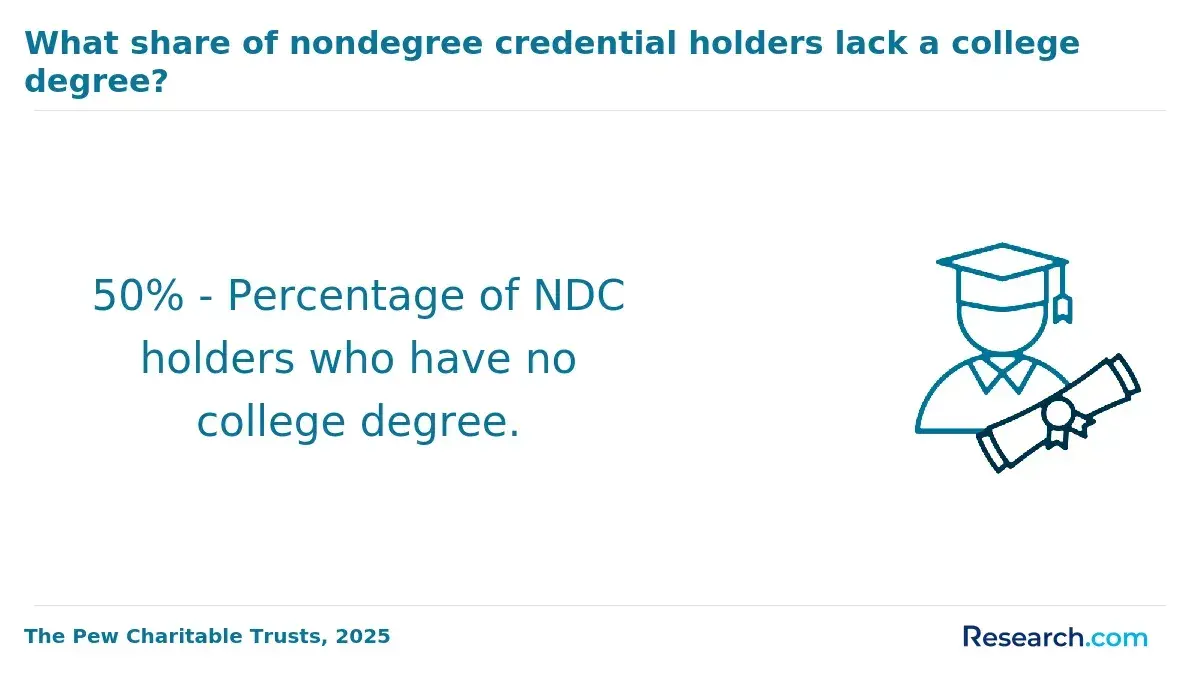
Imagine navigating the challenges of earning a biochemistry bachelor's degree after 30-balancing family commitments, work responsibilities, and financial constraints. Many prospective students worry about career prospects and time investment at this stage. Yet, according to the National Center for Education Statistics, about 25% of bachelor's degrees in STEM fields, including biochemistry, are awarded to students aged 25 and older, reflecting a growing trend of adult learners in rigorous sciences. This article explores pathways tailored for learners over 30, addressing enrollment trends, accelerated programs, credit options, and funding strategies to support informed and feasible degree completion in biochemistry.
Key Things to Know About Getting a Biochemistry Bachelor's Degree After 30
- Admission typically requires prior coursework in chemistry and biology-many programs offer accelerated tracks or credit for military and professional experience to ease entry for students over 30.
- Financing options often combine employer tuition assistance, federal aid, and scholarships targeted at adult learners to manage costs while balancing family and work commitments.
- Graduates pursuing biochemistry degrees later in life report positive long-term earnings growth-early-midcareer salary increases can offset initial opportunity costs of returning to school.
Can You Really Get a Biochemistry Bachelor's Degree After 30?
Adult learners aged 25 and older pursuing bachelor's degrees have surged in recent years, according to the National Center for Education Statistics (NCES). This trend includes many who are earning a biochemistry bachelor's degree after 30, reflecting a growing number of career changers, military veterans, and parents seeking credentials that align with their personal and professional lives. Colleges increasingly offer flexible formats-like evening classes, online options, and accelerated programs-making returning to school more accessible than ever.
This article explores essential factors for adult learners completing biochemistry degrees, including time management, finances, career outcomes, program choices, and support services to help navigate the path successfully. While returning to college later in life poses challenges, millions of adults graduate yearly, demonstrating it is both realistic and achievable.
- Enrollment Trends: NCES data documents rapid growth in adult students enrolling in bachelor's programs, with flexible learning methods encouraging participation in STEM fields like biochemistry.
- Time Commitment: Many adults leverage part-time study, accelerated terms, and recognition of prior learning to reduce the time needed to graduate.
- Financial Considerations: A variety of financial aid resources, including scholarships targeted to adult learners and employer tuition assistance, make education more affordable.
- Career Impact: A biochemistry degree opens doors to new professional opportunities and can boost earning potential, especially for those switching into scientific or health-related sectors.
- Support Systems: Universities increasingly provide dedicated advising, peer networks, and tailored resources to enhance adult learner success and retention.
If balancing family or work obligations, it's helpful to explore program flexibility-comparable to options discussed in what is the easiest nursing program to get into-to find a study path that fits lifestyle needs.
Why Are More Adults Over 30 Pursuing a Biochemistry Bachelor's Degree?
Recent longitudinal data from the Lumina Foundation, NCES, and the American Council on Education highlight a growing trend of adults over 30 returning to pursue bachelor's degrees, including biochemistry-related fields. This shift reflects broader workforce changes and education accessibility that make completing higher education more feasible for working adults.
Several key drivers illuminate why career changers and adult learners choose biochemistry degree programs:
- Career Transitions: Adults seeking meaningful and growth-oriented roles often gravitate toward biochemistry, which offers opportunities in healthcare, pharmaceuticals, and research aligned with evolving career goals.
- Employer Tuition Benefits: Many employers now provide tuition assistance or reimbursement programs, substantially reducing the financial barriers for employees wishing to advance their credentials.
- Layoffs and Economic Shifts: Post-pandemic disruptions have encouraged professionals to reskill or upskill, with biochemistry providing promising paths in expanding sectors like biotech and environmental science.
- Online Program Availability: Flexible online and hybrid biochemistry degree programs support adults balancing work and family commitments, making education more accessible than ever.
- Wage Premiums: Holding a bachelor's degree in biochemistry correlates with higher earning potential compared to less specialized qualifications, underscoring the long-term value of the investment.
Post-pandemic workforce shifts have also created a more welcoming environment for nontraditional students. Institutions increasingly offer resources tailored for adults-such as credit for prior learning and accelerated tracks-that acknowledge the unique challenges faced by learners over 30. For those interested in fast-tracking healthcare-related credentials, exploring online healthcare degrees can provide additional pathways.
Overall, the increase in adults pursuing biochemistry degrees later in life confirms that the educational infrastructure now supports their journeys more robustly, making their goals both realistic and strategically sound.
What Are the Most Common Challenges Adults Over 30 Face When Pursuing a Biochemistry Degree?
- Time Constraints: Managing coursework alongside full-time employment, parenting, and household duties creates significant pressure. Biochemistry demands intensive lab time and focused study, compounding these time challenges.
- Financial Pressures: The costs associated with tuition, textbooks, lab materials, and daily living often strain adult learners' budgets. Limited financial aid options for older students increase dependency on loans or employer assistance.
- Technology Gaps: Adults returning to education may face difficulties adapting to newly integrated digital platforms and online learning tools, which can slow progress and cause frustration.
- Imposter Syndrome: Self-doubt is common, especially when peer groups tend to be younger or more recently schooled. This psychological hurdle can impact motivation and performance.
- Academic Bureaucracy: The complexity of degree requirements, credit transfers, and registration procedures can overwhelm adult learners, who often find institutional systems opaque or difficult to navigate.
Most adults working toward a biochemistry degree face at least two or three of these challenges concurrently. Recognizing these shared struggles helps diminish feelings of isolation and encourages persistence toward graduation.
Reflecting on these barriers, one professional who pursued a biochemistry bachelor's after age 30 described feeling "initially lost trying to balance night shifts and coursework." He noted moments of uncertainty navigating online labs and admitted, "There were times I questioned if I belonged in the program." However, he highlighted that connecting with advisors familiar with adult learners helped demystify registration and credit transfer, boosting his confidence. His experience underscores the importance of support systems tailored to mature students striving for degree completion.
What Types of Biochemistry Bachelor's Degree Programs Are Best Suited for Adults Over 30?
Adult learners pursuing a biochemistry bachelor's degree after 30 can choose from diverse program formats tailored to fit their busy lives.
- Fully Online options provide complete flexibility, letting students study anytime and anywhere-a model embraced by institutions like WGU, which often use competency-based assessments to speed up progress. This suits those balancing irregular work schedules or family care.
- Hybrid: Combining online coursework with occasional on-campus labs, hybrid programs offer hands-on experience essential for biochemistry while limiting campus visits to weekends or short residencies. This format fits adults wanting some face-to-face interaction without sacrificing flexibility.
- Evening and Weekend On-Campus: These traditional classes held outside business hours provide direct access to campus resources and real-time engagement but require regular commuting, which may challenge those with unpredictable routines.
- Competency-Based Education (CBE): Prioritizing mastery over seat time, CBE programs allow students with existing knowledge or experience to advance rapidly through assessments, ideal for military veterans or career changers seeking accelerated completion.
- Accelerated Cohort Models: Featuring fast-paced, group-driven schedules, these programs foster peer support and accountability, appealing to adults eager to shorten time-to-degree despite demanding time commitments.
Choosing the right format depends on lifestyle, preferred learning style, and timelines. For example, fully online or CBE formats optimize flexibility and speed, while hybrid or evening/weekend options ensure necessary lab experiences essential for a biochemistry degree. Exploring accelerated colleges can help identify programs designed specifically for adult learner biochemistry bachelor's degree programs and flexible biochemistry degree options for students over 30.
How Long Does It Take to Earn a Biochemistry Bachelor's Degree After 30?
Adults pursuing a biochemistry bachelor's degree after 30 face varied timelines based on enrollment status, prior credits, and program flexibility. Part-time students often spend four to six years completing their degrees, balancing education with work and family. Full-time learners typically graduate more quickly, usually within three to four years, aligning with traditional timelines. Leveraging prior learning assessments (PLA) such as CLEP exams, military credit transfers, or previously earned credits can reduce required coursework by a year or more, expediting graduation.
Accelerated programs tailored for adult learners-offering evening, weekend, or online classes-enable faster progress by allowing heavier course loads or continuous year-round study without summer breaks. Prospective students should assess their existing credits and weekly commitments to create a realistic study plan. For example, someone with 30 transferable credits attending part-time might expect to graduate in five years, whereas full-time enrollment and credit recognition may shorten this to about three years.
Recent data reveals that roughly 40% of adult undergraduates use some form of prior learning credit, underscoring its impact in trimming degree completion time.
- Enrollment Intensity: Full-time study speeds up degree completion to about 3-4 years, while part-time learners take 4-6 years due to external responsibilities.
- Credit Transfer Benefits: PLA, military experience, and prior college credits can cut a year or more from graduation timelines.
- Accelerated Programs: Flexible scheduling with online and evening options allows for quicker progression by increasing term credit loads and eliminating breaks.
- Personalized Timelines: Building an accurate graduation plan entails evaluating current credits and availability to match goals realistically.
- Growing PLA Usage: Nearly 40% of adult biochemistry students embrace prior learning credits, reflecting how essential these are for reducing time and cost.
A professional who completed her biochemistry bachelor's degree after 30 shared that balancing coursework with parenting and a part-time job was challenging but manageable due to flexible class schedules. She appreciated the ability to apply military training credits, which significantly shortened her program. "It wasn't just about cutting time-it gave me confidence seeing my previous experience count," she said. Her journey took roughly four years, during which she continuously adjusted her course load to avoid burnout while meeting family needs. Reflecting on this experience, she emphasized that creating a tailored timeline and embracing all credit options made the difference between feeling overwhelmed and staying on track toward her career goals.
How Can Adults Over 30 Pay for a Biochemistry Bachelor's Degree?
Federal financial aid is available to adult students pursuing a biochemistry bachelor's degree, dispelling the misconception that support is limited to traditional-age learners. The Federal Student Aid office confirms that Pell Grants, subsidized loans, and unsubsidized loans are accessible to all eligible students regardless of age. Filing the Free Application for Federal Student Aid (FAFSA) remains the critical first step for securing this aid.
- Federal Financial Aid: Pell Grants offer need-based funding that does not require repayment. Subsidized loans reduce borrowing costs by having the government pay interest while you're enrolled. Unsubsidized loans start accruing interest immediately but provide flexible repayment terms.
- Employer Tuition Assistance: Many employers invest in employee education by covering full or partial tuition fees, a valuable benefit for adults advancing in biochemistry careers.
- State Adult Learner Grants: Numerous states allocate grants specifically for adults returning to college. These vary by location, so checking with your state education department is essential.
- Scholarships from Biochemistry Associations: Professional organizations offer scholarships that reward academic excellence or commitment to the biochemistry field.
- Income-Share Agreements (ISAs): An alternative to loans, ISAs require repayment as a percentage of future income, aligning the cost with career success.
Comparing tuition across program formats and institutions helps identify economical options-online biochemistry degrees often cost less than on-campus, and public universities are generally more affordable than private ones. Adults balancing work and family benefit from flexible online or hybrid programs that reduce costs and increase accessibility.
Maximizing aid before borrowing means completing FAFSA early, thoroughly researching scholarships, and consulting financial aid advisors. Notably, adult students pursuing STEM degrees-including biochemistry-have increased by 15% over the past five years, reflecting growing opportunities and support for nontraditional learners.
Will Employers Respect a Biochemistry Bachelor's Degree Earned After 30?
Employers continue to value a regionally accredited biochemistry bachelor's degree regardless of when it is earned-whether immediately after high school or later in life. Data from the Society for Human Resource Management (SHRM) and the National Association of Colleges and Employers (NACE) emphasize that hiring managers prioritize the quality and relevance of the degree itself over the graduate's age or length of time to completion. In biochemistry-related fields, the credential remains the essential criterion.
- Professional Maturity: Adult learners often bring real-world experience and workplace skills that younger graduates may lack. Employers recognize qualities such as discipline and perseverance in candidates over 30, seeing these as advantages for challenging biochemistry roles.
- Industry Standards: In pharmaceuticals, biotechnology, and environmental science, a bachelor's degree in biochemistry is a non-negotiable baseline for employment. Hiring managers view graduation after 30 as equally valid compared to completing a degree at the traditional age of 22.
- Credential Verification: Background checks focus on degree authenticity from accredited institutions without revealing the graduate's age or completion timeline. The diploma and transcript confirm qualifications, effectively neutralizing any age-related bias.
- Workforce Trends: LinkedIn Workforce Insights reports a growing number of adult learners reentering STEM fields, including biochemistry-highlighting industry acceptance of diverse educational paths and life circumstances.
This evidence reassures adult students, military veterans, career changers, and parents that earning a biochemistry bachelor's degree after age 30 is fully respected by employers. The degree's legitimacy, combined with acquired skills and knowledge, remains the critical factor for career advancement.
How Does Prior Work Experience Factor Into a Biochemistry Bachelor's Degree Program After 30?
Prior work experience plays a significant role for adults pursuing a biochemistry bachelor's degree after 30. Many institutions recognize that professional and practical knowledge can translate into academic credit-shortening the time needed to graduate. This is especially important for career changers, military veterans, and others balancing education with family or work commitments.
Several mechanisms exist to convert professional experience into academic credit:
- Prior Learning Assessment (PLA): A formal process allowing students to demonstrate their existing skills and knowledge through portfolios, exams, or interviews. Schools with strong PLA programs-such as Colorado State University Global or Thomas Edison State University-often award between 15 and 30 credit hours based on assessed experience.
- Portfolio Evaluation: Students compile a detailed portfolio documenting work history, certifications, and training relevant to biochemistry. Faculty review these to grant course equivalencies or elective credits.
- CLEP and DSST Exams: Credit-by-exam options like the College Level Examination Program (CLEP) and DANTES Subject Standardized Tests (DSST) allow learners to earn credit for introductory biochemistry courses by passing standardized exams aligned with college curricula.
- ACE-Recommended Credit: The American Council on Education (ACE) evaluates certain professional certifications-especially those related to lab techniques, safety, or molecular biology-and recommends college credit that participating institutions often accept.
Data from the Council for Adult and Experiential Learning (CAEL) shows adult learners typically earn about 25% of their degree credits through PLA, significantly reducing both cost and time to degree completion. Admissions offices generally view strong, relevant prior work experience positively and encourage applicants to present professional accomplishments as evidence of expertise instead of gaps in education. Tailoring applications with clear descriptions of responsibilities and skills in biochemistry or closely related fields helps position experience as an academic asset for credit.
Adults seeking credit for professional experience in biochemistry bachelor's degree after 30 should explore schools with robust PLA options and invest time in preparing comprehensive portfolios and exam readiness. For those evaluating accelerated pathways, consider programs like the cheapest online master's in nutrition as examples of affordable, flexible credentials for related STEM fields.
What GPA and Admission Requirements Apply to Biochemistry Bachelor's Programs for Adult Learners?
Admission requirements for biochemistry bachelor's degree programs often vary for adult learners over 30, especially those navigating alternative pathways compared to traditional students. Many schools recognize these unique circumstances and adjust their criteria accordingly.
Typical admission requirements include:
- Minimum GPA: Most programs expect a cumulative GPA between 2.5 and 3.0 on prior college coursework, if applicable. Some institutions allow a lower GPA if additional proof of academic readiness is provided.
- Standardized Test Waivers: SAT or ACT requirements are frequently waived for students over 25, placing greater emphasis on college performance or relevant professional experience.
- Letters of Recommendation: Often required, these come from professors, employers, or supervisors who can attest to the applicant's aptitude for rigorous study.
- Personal Statements: A clear narrative highlighting goals, challenges overcome, and motivation for pursuing biochemistry is commonly requested to gauge fit and commitment.
- Residency and Transfer Credits: Policies differ, but many adult learners can transfer previously earned college credits, including military training or professional certifications, expediting degree completion.
Institutions offering open or rolling admissions-particularly those targeting adult learners-are often more flexible, focusing on potential rather than strict GPA cutoffs. These programs may provide conditional admission tracks, allowing students to demonstrate capability in foundational courses before full acceptance.
Applicants with a low GPA from earlier attempts should explore academic renewal or grade forgiveness policies that exclude past poor grades from GPA calculations. Some programs also offer bridge courses or probationary enrollment support to help meet biochemistry bachelor's degree admission criteria for adult learners with diverse educational histories.
Realistically assessing academic history and selecting programs aligned with individual profiles is key. Adult learners interested in the biochemistry field may also benefit from exploring pathways that credit prior learning or work experience.
Many adults pursuing scientific degrees consider combining their studies with flexible options, such as an online exercise science degree, to enhance career opportunities in health and science-related fields.
How Do Family and Work Responsibilities Affect Completing a Biochemistry Degree After 30?
Adult learners pursuing a biochemistry bachelor's degree after 30 face unique challenges balancing caregiving duties, full-time employment, and financial pressures, all of which can slow degree completion. Research from the Institute for Women's Policy Research and the Pell Institute highlights that caregiving responsibilities-often for children or elderly relatives-limit available study time and increase stress. Sustaining academic progress alongside work commitments requires employer flexibility, such as adjustable schedules or remote options, highlighting the importance of supportive workplaces.
Successful adult students commonly use structured time management strategies like time-blocking and priority mapping, breaking study sessions into focused intervals during evenings or weekends to maintain momentum without neglecting other obligations. Family support and institutional resources-including campus childcare and emergency financial aid-play pivotal roles in overcoming barriers.
Before enrolling, prospective students benefit from evaluating their personal support networks and initiating communication with their institution's adult learner services. This proactive approach often enhances persistence and graduation rates in demanding STEM programs such as biochemistry.
- Caregiving Impact: Family responsibilities reduce study availability and elevate stress, demanding strategic balancing of priorities.
- Work Constraints: Full-time jobs limit academic engagement, making flexible employer policies essential for steady progress.
- Time Management: Techniques like time-blocking enable concentrated study periods that fit within adult learners' complex schedules.
- Support Systems: Spousal backing and campus amenities such as childcare and emergency aid mitigate obstacles to degree completion.
- Proactive Planning: Assessing supports and engaging with adult learner services before starting improves retention and success rates.
What Campus and Online Support Services Help Adults Over 30 Succeed in a Biochemistry Program?
Adults over 30 pursuing a Biochemistry bachelor's degree benefit greatly when institutions provide tailored support designed to meet their unique challenges. Research from the National Student Clearinghouse and Complete College America shows that personalized advising significantly boosts adult student completion rates-especially when support is targeted to adult learner needs.
When reviewing Biochemistry programs, verify that they offer the following crucial services that enhance adult learner success:
- Dedicated Adult Learner Advisors: These advisors specialize in helping students juggle work, family, and academics. They offer customized guidance on course selection, degree planning, and institutional navigation to maintain progress toward graduation.
- Prior Learning Assessment Offices: Evaluations that translate relevant work experience and prior coursework into academic credits can shorten time-to-degree and reduce costs, an essential benefit for returning adults.
- Flexible Tutoring Schedules: Evening and weekend tutoring, available both in-person and online, provides vital support for mastering complex Biochemistry concepts outside conventional class hours.
- Virtual Library Access: Remote access to scientific journals, databases, and ebooks supports independent study and lab preparation, crucial for adults not regularly on campus.
- Career Services for Career Changers: Specialized counseling and job placement tailored to those shifting careers help align Biochemistry credentials with new professional opportunities.
- Peer Networks for Non-Traditional Students: Support groups or learning cohorts establish community among adult learners, offering motivation and shared resources uncommon in traditional programs.
Ask each Biochemistry program about the availability and quality of these adult learner supports before enrolling, as their presence is a strong indicator of whether you will succeed and graduate on schedule.
What Graduates Say About Getting a Biochemistry Bachelor's Degree After 30
- Shane: "Enrolling in the biochemistry bachelor's degree program after 30 was a game-changer for me-especially because the financial support options made it feasible to balance work and study. The hands-on labs were challenging but rewarding, and the accreditation of the program gave me confidence that my degree would be respected by employers. I'm now pursuing a career in research, and I'm grateful for the solid foundation the program provided."
- Emiliano: "Returning to study biochemistry in my thirties was a deeply reflective experience. I appreciated how the program not only offered robust financial assistance but also emphasized accredited coursework that aligned with industry standards. This combination gave me peace of mind as I transitioned to a professional career in pharmaceuticals, knowing my education was both credible and practical."
- Samuel: "The biochemistry bachelor's program after 30 helped me rediscover my passion for science while setting me up for success. The financial support available relieved a lot of stress, enabling me to focus fully on my studies. Beyond that, the program's strong accreditation opened doors professionally-today, I'm thriving in a clinical biochemistry role that I wouldn't have landed otherwise."
Other Things You Should Know About Biochemistry Degrees
Earning a biochemistry bachelor's degree after 30 can positively impact long-term earning potential by opening doors to specialized scientific roles that typically offer higher salaries compared to positions requiring only a high school diploma or unrelated degrees. Adult learners often bring valuable work experience that can enhance job performance and promote career advancement. While starting salaries may be similar regardless of age, the combination of maturity and a biochemistry degree often leads to faster promotion and salary growth over time.
Yes, several universities offer accelerated biochemistry bachelor's programs tailored for adult learners. These programs often recognize prior learning through credit-for-experience policies, allowing students to transfer credits from past coursework, professional certifications, or relevant work experience. This approach reduces the overall time and cost of completing the degree while accommodating adults balancing work and family commitments.
One common misconception is that a degree in biochemistry is only for young students entering directly from high school. Many believe it is too difficult or impractical to pursue biochemistry later in life, but adult learners often succeed by leveraging disciplined study habits and time management skills. Another mistaken idea is that employers prefer younger graduates; however, practical experience combined with a relevant degree can be highly valued regardless of age.
References
- Biochemistry https://www.ualberta.ca/en/undergraduate-programs/bachelor-of-science-with-major-biochemistry.html
- How many years for bachelor's degree in biochemistry? - Answers https://www.answers.com/united-states-government/How_many_years_for_bachelor%27s_degree_in_biochemistry
- Work Experience https://www.biochemistry.org/careers-and-education/careers/work-experience/
- What Can You Do With A Biochemistry Degree? https://www.immerse.education/career-exploration/biomedicine/careers-in-biomedicine/
- What Can You Do With a Biochemistry Degree? https://www.ycp.edu/news/what-can-you-do-with-a-biochemistry-degree
- Biochemistry https://www.straighterline.com/online-college-courses/biochemistry/
- Is Biochemistry actually a bad major? https://talk.collegeconfidential.com/t/is-biochemistry-actually-a-bad-major/1658048
- Explore Academic Programs at Thomas More University https://www.thomasmore.edu/program/biochemistry/
- Biochemistry https://www.riosalado.edu/degrees-certificates/biochemistry
- How Long for a Chemistry Degree? | ValidGrad https://validgrad.com/blog/how-long-does-it-take-to-get-a-chemistry-degree/