2027 Different Types of Biochemistry Bachelor's Degrees: Specializations, Careers, and Salaries

Co-Founder and Chief Data Scientist
Students aiming for a biochemistry degree often face uncertainty about which specialization aligns with their career ambitions and salary expectations. For example, a student interested in pharmaceutical research might struggle to distinguish between molecular biochemistry and clinical biochemistry programs. According to the U. S. Bureau of Labor Statistics, employment of biochemists is projected to grow 6% from 2022 to 2032, highlighting the increasing demand for specialized knowledge.
This article explores different biochemistry bachelor's degree specializations, their related career paths, and typical salary ranges, helping readers make informed education and professional decisions.
Key Things to Know About Different Types of Biochemistry Bachelor's Degrees
- Biochemistry degrees often specialize in molecular biology, pharmacology, or biotechnology, tailoring skills toward research, pharmaceuticals, or industrial applications.
- Graduates typically pursue careers as lab technicians, research scientists, or quality control analysts in healthcare, agriculture, and environmental sectors.
- Entry-level salaries average $50,000-$60,000, with advanced positions in biotechnology or pharmaceuticals potentially exceeding $90,000 annually.
What Are the Different Types of Biochemistry Bachelor's Degrees?
Biochemistry bachelor's degrees come in a variety of program formats that differ by structure, pacing, and delivery method to accommodate diverse student needs. Over 30% of STEM-related degrees, including biochemistry, now offer flexible delivery options, reflecting growing options beyond traditional study paths. Different types of biochemistry undergraduate programs provide students the flexibility to match their learning styles and life commitments.
These options often integrate biochemistry bachelor's degree specializations, which can focus on areas like molecular biology or clinical biochemistry, catering to specific career goals. Below are some common program formats available to prospective students.
- Traditional Programs: Designed for full-time, on-campus enrollment, these programs typically span four years. They emphasize in-person laboratory sessions and scheduled coursework, ideal for students seeking structured learning environments.
- Accelerated Programs: These fast-track options enable motivated students to complete their degrees in less than four years by taking heavier course loads or attending year-round sessions, shortening time to graduation.
- Online Degrees: Providing maximum flexibility, these degrees are delivered virtually to accommodate students balancing work or other commitments. Laboratory requirements are often met through local partnerships or short residencies on campus.
- Hybrid Programs: Combining online coursework with selective on-campus sessions, hybrid programs offer a balance between remote learning and hands-on experiences in labs and discussions.
- Part-Time Study: Focused on working adults or those with additional responsibilities, part-time study allows progress at a manageable pace, often extending the total duration of the degree.
Students exploring these options might also consider pathways like a nursing school with high acceptance rate as alternative STEM routes depending on their career interests.
What Specializations Are Available in a Biochemistry Bachelor's Degree?
Biochemistry bachelor's degree programs frequently provide various specializations that enable students to focus on specific scientific interests and develop targeted skills. Nearly 60% of biochemistry programs in the U.S. offer at least three distinct specialization options, highlighting a trend toward deeper expertise. These specialized tracks support students in aligning their education with career goals or graduate studies, including navigating online biochemistry master's admission criteria for non-majors.
Common specializations within a biochemistry bachelor's degree include the following:
- Molecular Biology: This track focuses on cellular molecular mechanisms such as DNA, RNA, and protein synthesis. Students gain hands-on experience in genetic analysis, molecular cloning, and essential laboratory techniques valuable for research and biotechnology fields.
- Enzymology and Metabolism: Concentrating on enzyme activity and metabolic pathways, this specialization covers how enzymes regulate biochemical reactions, including topics like bioenergetics and metabolic control, preparing students for complex biochemical problem solving.
- Pharmaceutical Biochemistry: Students explore drug development and interaction mechanisms, studying medicinal chemistry, pharmacokinetics, and toxicology. This area lays a foundation for roles in pharmaceutical research and development sectors.
For students without a science background, understanding prerequisites for online biochemistry graduate programs without a science degree is crucial before advancing from their bachelor's specialization. Additionally, those considering administrative roles in health-related fields may explore a degree in healthcare administration to complement their science expertise.
2026 Update: Lab and Data Skills Employers Expect
This 2026 update reviews the practical skills biochemistry students should look for beyond the degree title or specialization, especially as labs increasingly combine wet-lab work with data analysis and documentation.
- Hands-on laboratory courses that include techniques such as chromatography, electrophoresis, spectroscopy, or cell culture.
- Training in lab safety, quality control, recordkeeping, and standard operating procedures.
- Opportunities to use scientific software, spreadsheets, statistics tools, or basic coding for biological data.
- Undergraduate research, capstone projects, or faculty-led lab placements tied to real experimental work.
- Experience reading journal articles and presenting scientific findings in written and oral formats.
- Internship, co-op, or industry partnership options with biotech, pharmaceutical, clinical, or environmental labs.
Checking these skill-building opportunities helps students compare biochemistry programs by career readiness, not just specialization name, cost, or delivery format.
A bachelor's degree in biochemistry opens doors to various entry-level positions across scientific and healthcare sectors. Recent data shows about 65% of graduates in life sciences, including biochemistry, find related jobs within their first year. Here are some common roles new graduates may consider.
- Laboratory Technician: These professionals assist with experiments, prepare samples, and maintain equipment. This role builds hands-on experience with scientific tools, data documentation, and safety compliance.
- Quality Control Analyst: Working primarily in pharmaceutical or food manufacturing settings, these analysts test products to ensure they meet industry standards. The position fosters precision, analytical skills, and knowledge of regulatory requirements.
- Research Assistant: In academic or corporate environments, research assistants support study design, collect data, and manage research records. This job enhances problem-solving, critical thinking, and scientific communication.
- Biochemical Sales Representative: These roles involve advising clients on scientific products or equipment, requiring strong interpersonal skills and solid technical understanding of biochemistry applications.
- Environmental Science Technician: Specialists in this role collect and analyze environmental samples to assess pollution and ecosystem health. It offers practical fieldwork experience alongside multidisciplinary learning.
When asked about entry-level employment, a professional with a biochemistry bachelor's degree shared that trying to find a suitable position initially felt overwhelming. "There's a steep learning curve adjusting to workplace expectations versus academic labs," he explained. He described the early months as a mix of excitement and uncertainty, especially mastering technical protocols and reporting standards. Yet, he emphasized that persistence and eagerness to learn gradually built confidence, leading to meaningful contributions on research projects and team collaborations. His experience highlights that patience and adaptability are key during the transition from study to career.
Industries with the highest salaries for biochemistry graduates typically demand specialized skills, reflecting the technical complexity involved. Reports indicate that sectors like pharmaceuticals often lead in compensation for biochemistry bachelor's degree holders. Below are three top paying sectors for biochemistry bachelor's degree holders that align with in-demand expertise.
- Pharmaceutical and Biotechnology: This industry focuses on drug development, clinical research, and molecular studies. Graduates apply skills in analytical techniques, lab instrumentation, and regulatory compliance to support innovation in healthcare.
- Chemical Manufacturing: Professionals in this area develop new materials and refine chemical processes. Key competencies include chemical analysis, quality assurance, and process engineering, blending core chemistry and biochemistry knowledge for competitive roles.
- Food and Beverage: Emphasizing food safety and nutritional science, this sector requires expertise in enzymes, metabolism, and food chemistry. Microbiological testing and chemical sensing play crucial roles in maintaining product quality and regulatory standards.
Students exploring career paths in biochemistry can benefit from understanding these trends to better position themselves for lucrative opportunities. Some may also consider pursuing advanced credentials, such as an online phd nursing, if shifting their focus toward interdisciplinary healthcare roles.
Salaries for biochemistry bachelor's degree holders vary widely depending on factors such as industry, geographic location, and experience level. Entry-level professionals generally see starting salaries between $45,000 and $60,000 annually in roles like lab technicians or research assistants. Several key factors influence earning potential over time, including specialization and additional qualifications.
Here are some important considerations:
- Industry Influence: Careers in pharmaceuticals and biotechnology tend to offer higher salaries compared to academic or government positions due to greater sector funding and commercial demand.
- Location Factors: Salaries often increase in metropolitan regions or states with higher living costs, reflecting local economic conditions.
- Experience Impact: Building expertise through internships and hands-on research during studies can lead to quicker salary advancement as skills grow.
- Advanced Education: Pursuing graduate degrees or professional certifications typically opens doors to better-compensated positions beyond entry-level roles.
- Emerging Fields: Areas like bioinformatics and pharmaceutical development are gaining momentum, often rewarding specialized knowledge with competitive pay.
A professional with a biochemistry bachelor's degree shared that starting out involved navigating a competitive job market and managing realistic salary expectations. "It wasn't just about understanding the science but also learning how to communicate my skills effectively to employers," she explained. Over time, gaining diverse lab experiences and continuing education proved crucial in securing roles with improved compensation, highlighting the importance of adaptability and perseverance in this field.
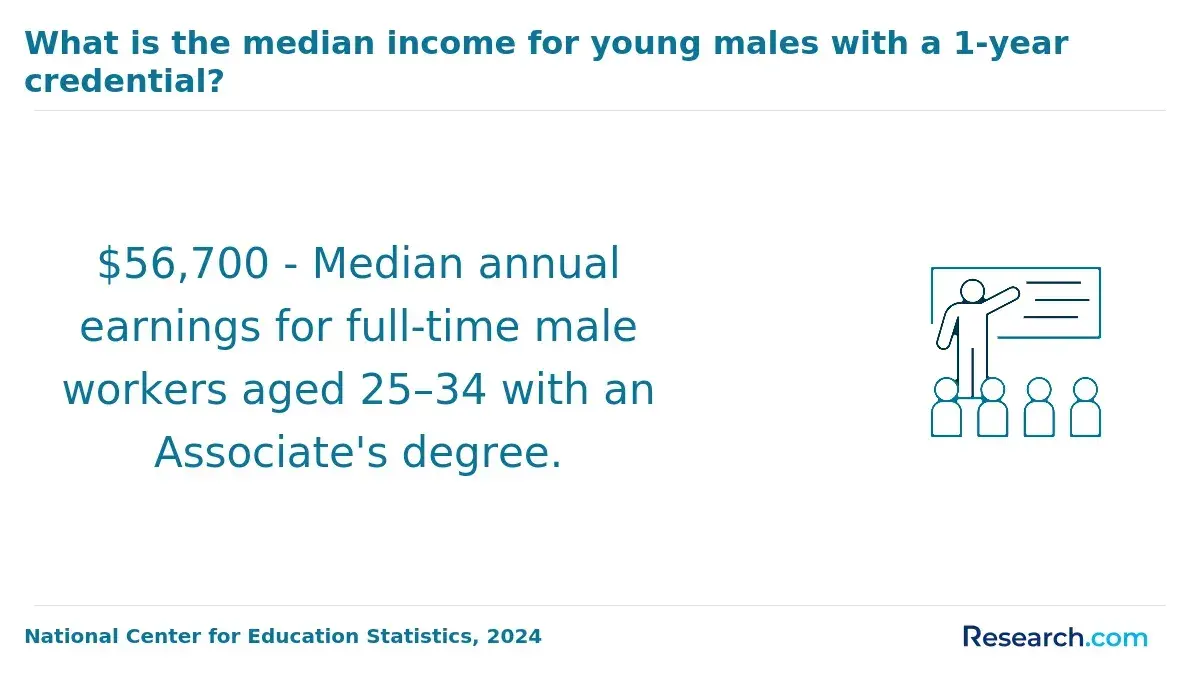
Salaries within biochemistry specializations can differ widely based on the chosen career path. For instance, data from 2023 indicates that biochemical engineers earn roughly 20% more on average than professionals focused on basic research areas like molecular biochemistry. This variation reflects how certain fields, such as those tied to industry applications, typically offer higher compensation compared to roles primarily centered on academic research.
Several factors shape these salary differences, including the level of technical skill required and the demand within various sectors. Jobs involving practical application, such as those in pharmaceuticals or chemical manufacturing, often provide better pay due to their role in commercial production processes. Conversely, careers in clinical biochemistry or forensic science may have salary ranges influenced by government or healthcare funding, which can affect earnings but sometimes offer more stability. Geographic location and employer type also play important roles in determining income levels across biochemistry specialties.
Online and on-campus biochemistry bachelor's degree programs typically offer comparable core coursework and develop similar technical skills, including molecular biology, chemical analysis, and laboratory techniques. Employers generally recognize graduates from accredited programs regardless of whether the degree was earned online or in person. While on-campus students often gain more hands-on lab experience and direct faculty mentorship, which can strengthen practical skills, online programs are increasingly using advanced simulation technologies to bridge this gap. According to a recent survey by the National Association of Colleges and Employers, starting salaries for science graduates holding online degrees were within 5% of their on-campus counterparts on average.
Salary differences may be influenced more by factors such as networking opportunities, internships, and regional industry demand than by degree format. On-campus students often have greater access to career fairs, research projects, and face-to-face connections, which can aid in securing competitive positions. Additionally, employers tend to value specific graduate specializations and certifications, as well as personal initiative in gaining practical experience outside of formal classes. Ultimately, familiarity with the reputation of a program and the skills a graduate demonstrates plays a key role in salary outcomes for both online and on-campus biochemistry graduates.
Tuition and fees for biochemistry bachelor's degree programs can differ widely based on various factors. Public institutions typically offer average annual tuition rates between $10,000 and $25,000, while private colleges often exceed $35,000. These variations make it important to consider key elements that influence program costs.
Institution Type: Public universities usually charge lower tuition for in-state students, making them more affordable options. Private colleges maintain higher and more uniform rates regardless of residency, contributing to higher overall costs for their biochemistry bachelor's degree programs.
Program Format: On-campus biochemistry programs often involve additional expenses such as housing, transportation, and campus fees. Online formats can reduce these costs but may have different tuition pricing structures, including per-credit fees or flat rates.
Program Length: Most biochemistry degrees span four years, but accelerated tracks allow quicker completion, potentially lowering total tuition paid. Conversely, programs featuring co-op or extended internships might increase duration and cumulative costs.
Credit Requirements: Specialized biochemistry bachelor's degree program tuition differences are also affected by total credit hours needed. Programs with more lab courses or research components often add fees for materials, increasing overall expenses.
Students exploring the average cost of biochemistry degrees by specialization should also consider career outlooks and further education options. For related graduate studies, dietetic masters programs offer an example of specialized paths following undergraduate coursework.
Students pursuing a biochemistry bachelor's degree often rely on various financial aid resources to help manage tuition and associated costs. According to the National Center for Education Statistics, approximately 85% of U.S. undergraduate students receive some type of financial aid. These options can significantly ease the financial burden for those studying biochemistry and related fields.
Key financial aid avenues include:
- Federal Grants: These need-based grants, such as the Pell Grant, provide non-repayable funds to eligible students. They are a crucial source of financial assistance for many biochemistry students who qualify.
- Loans: Federal student loans usually feature lower interest rates and more flexible repayment options than private loans. They help cover gaps between available funds and the cost of tuition and living expenses.
- Scholarships: Numerous scholarships and grants available to biochemistry students come from universities, professional associations, and organizations focused on STEM education. Many of these scholarships are merit-based or specialize in supporting biochemistry studies, reducing overall costs without repayment obligations.
- Work-Study Programs: These programs offer part-time employment opportunities tied to campus departments or services. They provide financial support while allowing students to gain valuable work experience in relevant fields.
Students interested in healthcare-related fields may also consider flexible degree options such as an online masters in healthcare management to complement their biochemistry education and career prospects.
Choosing the appropriate Biochemistry bachelor's degree requires evaluating various academic and personal factors to ensure alignment with future ambitions. Studies indicate that about 65% of students emphasize program specialization and career prospects when making their decision. Considering these elements can guide a well-informed choice.
- Academic Interests: Identify which areas of biochemistry spark your enthusiasm, whether it's molecular biology, pharmacology, or environmental applications. Focusing on passions helps maintain motivation and academic success throughout the program.
- Specialization Options: Investigate the specific tracks or concentrations available, such as clinical research or biotechnology. Selecting a degree that offers relevant specializations can streamline your path toward targeted career opportunities.
- Program Format: Decide between traditional in-person classes, fully online programs, or hybrid models. It's important to balance flexibility with the need for practical laboratory experience critical to biochemistry training.
- Career Alignment: Explore how well the degree supports entry into fields like healthcare, research, or industry. Consider the availability of internships, networking events, and career support services that enhance job prospects.
- Long-Term Goals: Reflect on whether you aim to pursue graduate studies or enter the workforce directly. Different programs vary in preparing students for advanced education versus immediate employment.
What Graduates Say About Different Types of Biochemistry Bachelor's Degrees
- Shane: "Choosing a biochemistry bachelor's degree was driven by my fascination with molecular processes and how they affect human health. The program's strong focus on laboratory techniques and research truly helped me gain hands-on experience that employers highly value. Since graduating, my salary has increased steadily as I transitioned into pharmaceutical research, proving the degree's solid foundation for career growth."
- Emiliano: "Reflecting on my education, the biochemistry bachelor's degree opened doors I hadn't even anticipated, especially in clinical diagnostics and biotechnology. The specialization allowed me to develop critical thinking skills and adapt to rapid industry changes, which jumpstarted my career in medical technology. Financially, the degree significantly impacted my earning potential, making it a worthwhile investment in my future."
- Samuel: "My decision to pursue a biochemistry bachelor's degree stemmed from a desire to merge chemistry and biology with real-world applications. The rigorous curriculum prepared me well for competitive job markets, enabling me to enter pharmaceutical sales with a solid scientific background. This blend of knowledge and practical experience has been key to my ongoing salary growth and career advancement."
Other Things You Should Know About Biochemistry Degrees
Yes. Most programs require at least one year of general chemistry, one year of organic chemistry, and one year of college calculus before upper-division biochemistry courses. Some schools also ask for biology, physics, and a minimum 2.5–3.0 GPA for admission or progression.
Yes, most biochemistry bachelor's degree graduates are well-prepared for graduate programs in biochemistry, molecular biology, pharmacology, or related life sciences. Graduate studies often open doors to more specialized research careers, higher-level positions, and academic roles. Many programs value undergraduate research experience, which helps in gaining admission and funding support.
- Bachelors in Biochemistry at SUNY COLLEGE - CORTLAND – Fees, Requirements, Eligibility & More https://www.gyandhan.com/study-abroad/usa/universities/suny-college-cortland/courses/bachelors-in-biochemistry
- What is the average salary of a degree of bachelors in biochemistry? - Answers https://www.answers.com/biology/What_is_the_average_salary_of_a_degree_of_bachelors_in_biochemistry
- 404 Página no encontrada. Universidad de Navarra - Universidad de Navarra https://en.unav.edu/en/admission-and-financial-aid/degree/scholarships-and-financial-aid/financing
- Biochemistry at Illinois College | You Apply https://youapply.com/program/biochemistry-bachelor-illinois-college
- Bachelors Degrees (BSc) in Biochemistry https://brive.com/specialization/bachelors/biochemistry/
- Bachelor degrees in Biochemistry - the University Directory https://www.university-directory.eu/degrees-programs-courses/Bachelor-degrees-in-Biochemistry.html
- Top 10 Highest Paying Biochemistry Jobs 2025 (Inc Salaries) | Nexford University https://www.nexford.edu/insights/highest-paying-biochemistry-jobs
- Bachelor of Science in Biochemistry: Degree, Careers, Salary & Global Opportunities https://www.aubsp.com/bachelor-of-science-in-biochemistry/
- Bachelor of Science in Biochemistry Lehigh University https://www.hotcoursesabroad.com/india/course/us-usa/bachelor-of-science-biochemistry/582167/program.html
- Best Undergrad for Chemistry/Biochemistry - College Search & Lists - College Confidential Forums https://talk.collegeconfidential.com/t/best-undergrad-for-chemistry-biochemistry/175151