2027 How to Finish an Online Biochemistry Bachelor's Degree Faster

Co-Founder and Chief Data Scientist
Many online biochemistry students struggle with prolonged degree timelines due to complex lab requirements and sequential course structures. This delay limits career advancement opportunities, especially since nearly 65% of accelerated online biochemistry students graduate within three years-significantly faster than the traditional four-to-five-year path.
Navigating transfer credits, prior learning credits, and intensive summer sessions can offer a practical solution. This article explores targeted strategies to expedite your online biochemistry bachelor's degree-addressing academic policies, optimized course loads, and financial aid tactics to help students graduate efficiently without sacrificing educational quality.
Key Things to Know About Finishing an Online Biochemistry Bachelor's Degree Faster
- Maximize transfer credits and prior learning assessments to reduce required coursework-approximately 40% of online Biochemistry students accelerate their degree this way.
- Enroll in accelerated courses lasting 5-8 weeks instead of traditional semesters to complete classes faster without sacrificing quality.
- Leverage institution-specific financial aid and military benefits to afford taking heavier course loads and maintain steady progress toward graduation.
What Are the Fastest Biochemistry Online Bachelor's Degree Programs Available Today?
Several key factors contribute to the fastest online biochemistry bachelor's degree programs in the US, enabling working adults, military-affiliated students, and career changers to expedite degree completion. These include credit load, transfer policies, self-paced formats, and accelerated schedules-all essential in shaping how quickly you can finish your studies.
- Credit Load: Programs that allow heavier course loads per term enable students to complete more classes simultaneously. While full-time status typically involves 12 to 15 credit hours per semester, accelerated formats may permit 18 or more credits. This intensification shortens total semesters but demands strong time management skills.
- Transfer Policies: Generous acceptance of transfer credits, especially from accredited community colleges or prior coursework, can significantly reduce program length. Some schools also recognize military training and exams like CLEP or DSST, further shortening the path.
- Self-Paced or Accelerated Formats: These vary, but common structures include:
- Quarter or Trimester Systems: Some universities offer three or four terms yearly rather than two semesters, allowing more frequent start dates and focused study periods.
- Self-Paced Programs: A few online biochemistry degrees provide self-paced learning, enabling students to advance by mastering content rather than following a fixed schedule.
- Hybrid Accelerated Programs: Accelerated courses often last 5-8 weeks instead of the traditional 15, enabling multiple courses in one semester.
Program length varies widely by school, and while accreditation does not directly speed completion, accredited institutions tend to have more flexible transfer and credit policies, influencing pace. Given that online offerings and policies evolve rapidly, verify program lengths, credit transfer options, and course formats directly with schools of interest.
For those curious about navigating higher education pathways efficiently, including what nursing programs are easy to get into, exploring transfer options and accelerated programs can provide vital insights. Top accelerated biochemistry bachelor's degrees online combine these strategies to help students achieve their goals sooner.
How Does Transfer Credit Acceptance Accelerate Your Biochemistry Degree Timeline?
Transfer credit acceptance is a critical factor in shortening the timeline for completing a biochemistry bachelor's degree online. By applying previously earned credits, students reduce the number of required courses-accelerating graduation. This strategy is especially valuable for those familiar with transfer credit policies for accelerating biochemistry degree completion.
Articulation Agreements: Formal partnerships between community colleges and four-year universities ensure a smooth transfer of credits. Many community colleges establish these agreements, clearly outlining which biochemistry and related general education courses transfer, often saving students one to two years by avoiding duplicate coursework.
Credit Equivalency Reviews: Institutions review transcripts to match prior courses with their curriculum requirements. This process assesses course content, credit hours, and grades to confirm that transferred credits meet specific major or general education needs rather than just electives. Relevant courses such as organic chemistry or molecular biology often directly satisfy core degree components.
Maximum Transfer Credits Allowed: Most bachelor's programs limit transfer credits between 60 and 90 semester hours-equivalent to roughly two to three years of full-time study. Being aware of these limits helps students plan transfers effectively, particularly if they have credits from multiple schools or military training.
For example, a student holding an associate degree with science coursework from a community college can enter the biochemistry program as a junior. Another student with prior relevant classes may bypass introductory courses, focusing immediately on advanced subjects-thus reducing the overall timeline. Prospective students should always confirm their institution's specific transfer credit policies by contacting the registrar or admissions office early on to align their academic plans.
Students interested in related accelerated paths might also explore options such as an online nurse practitioner degree that leverages transfer credits and prior learning assessments.
Can Prior Learning Assessment (PLA) Help You Finish Your Biochemistry Degree Sooner?
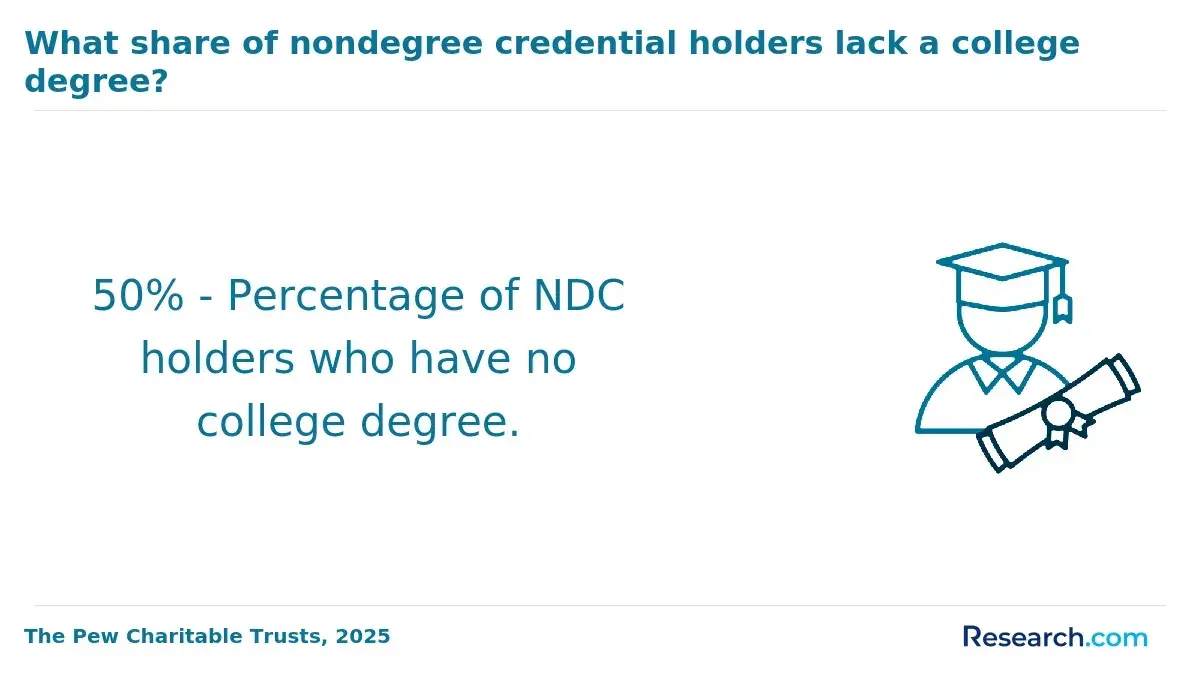
Prior Learning Assessment (PLA) offers students a chance to earn academic credit for learning acquired outside traditional classrooms, potentially reducing the time needed to complete an online biochemistry bachelor's degree. This process recognizes varied experiences and knowledge through several common methods:
- Portfolio Assessment: Compiling evidence such as work samples, certifications, or detailed accounts of relevant experiences that showcase expertise in biochemistry topics.
- CLEP Exams: Standardized tests that cover foundational subjects; passing scores may grant credit for introductory biochemistry courses.
- DSST Exams: Another form of standardized testing assessing proficiency in specific science or biochemistry-related areas.
- Military Credit: Credit awarded for military training or technical experience that corresponds with biochemistry coursework.
- Challenge Exams: Institution-specific tests enabling students to demonstrate their knowledge and skip certain classes.
Experience or coursework in general chemistry, organic chemistry, molecular biology, and lab techniques typically aligns well with PLA credit requirements. Professionals in healthcare, pharmaceuticals, or research labs often have relevant competencies suitable for portfolio assessment or challenge exams.
To confirm if a program accepts PLA credits, students should review official academic catalogs and consult advisors or admissions personnel, as acceptance policies and required documentation vary notably among schools.
Preparing a compelling portfolio involves clearly linking prior learning to course outcomes, organizing materials logically, providing thorough explanations, and including any relevant certifications or project descriptions. Early engagement with the PLA coordinator helps clarify expectations and deadlines.
When asked if PLA can accelerate completing a biochemistry degree, a professional enrolled in an online program shared that "identifying which experiences counted was initially overwhelming." He found that building a detailed portfolio required patience and careful documentation, but "once I connected my prior lab work and certifications directly to course goals, the process felt rewarding." Contacting the PLA coordinator early reduced uncertainty, and successfully earning several credits helped him bypass courses, allowing for a faster path to graduation without compromising learning quality.
How Can CLEP and DSST Exams Cut Down Your Biochemistry Degree Completion Time?
CLEP and DSST exams serve as effective credit-by-examination options, enabling students to bypass certain biochemistry coursework by proving their proficiency in related subjects. These exams often cover foundational areas such as biology, chemistry, mathematics, English composition, and social sciences-topics that align with many biochemistry degree prerequisites. Incorporating CLEP and DSST credits can streamline biochemistry bachelor's programs by fulfilling multiple general education requirements efficiently.
- Registration Process: Test-takers sign up via official CLEP or DSST platforms and select authorized testing locations or online options when available.
- Exam Fees: Each exam typically costs between $90 and $120, offering a budget-friendly alternative to enrolling in full-semester courses.
- Score Requirements: Institutions generally accept scores recommended by the American Council on Education (ACE), commonly a minimum CLEP score of 50 or the equivalent DSST passing scores.
- Credit Awarding: Credit allocation varies-some colleges grant elective credits while others apply them toward specific degree criteria.
- Preparation Advice: Students should consult ACE credit guidelines and confirm which exams their schools recognize before registering to ensure credit applicability.
For working adults, military-affiliated students, and recent community college graduates, strategically using CLEP and DSST exams can accelerate degree progress. Those interested in further advancing their education might explore specialized options like phd nursing programs, which also emphasize flexible learning pathways.
What Is the Role of Accelerated Course Formats in Finishing a Biochemistry Degree Faster?
Accelerated course formats compact typical 15-week semesters into shorter sessions lasting 5, 6, or 8 weeks, demanding quicker mastery of complex biochemistry material. This intensification requires students to maintain sharp focus, manage time rigorously, and consistently review dense content. Unlike traditional pacing, accelerated formats often involve more frequent assignments and exams, stressing the need for disciplined study routines and effective retention strategies.
Before enrolling, students should honestly evaluate their capacity for this faster pace-considering work duties, family responsibilities, and energy levels. Those balancing flexible jobs or strong support networks usually adapt better, but self-discipline remains essential regardless of external factors. It's wise to start with one accelerated course to measure how the workload aligns with personal stamina before committing fully.
Many programs stack accelerated terms throughout the year, enabling continuous enrollment and faster credit accumulation. For example, completing three 8-week terms annually provides about 24 weeks of instruction compared to 15 weeks in a traditional semester, potentially cutting degree time by up to two years within four standard semesters. Studies indicate students in accelerated tracks finish degrees roughly 20% faster without sacrificing academic performance.
- Condensed Learning: Shorter terms require rapid absorption of material, demanding increased focus and time investment to keep pace.
- Self-Evaluation: Assess workload capacity, personal commitments, and mental endurance before committing to accelerated classes.
- Term Stacking: Enrolling year-round in consecutive accelerated courses accelerates credit accumulation and graduation timelines.
- Cognitive Load: The intensified schedule requires consistent review and efficient study methods to retain complex biochemistry concepts.
- Proven Outcomes: Research reveals accelerated courses lead to a 20% faster degree completion rate while maintaining academic quality.
Speaking with a professional who completed an online biochemistry bachelor's degree through accelerated courses, she reflected on the initial shock of the pace. "The first accelerated term was overwhelming-I had to restructure my entire daily routine to prioritize study time. Balancing work and family while keeping up with rapid deadlines was challenging." Yet she noted that this intensity sharpened her focus and forced her to develop stronger time-management skills. "Once I adjusted, the steady rhythm of back-to-back terms kept me motivated, and I finished faster than I ever expected." Her experience highlights how accelerated formats demand adjustment but reward persistence with timely graduation and career momentum.
How Does Enrolling Full-Time vs. Part-Time Affect Your Biochemistry Degree Timeline?
Choosing between full-time and part-time enrollment significantly alters the pace of a biochemistry degree, as the heavy laboratory and sequence-based requirements of the major often dictate specific graduation windows. This decision balances the speed of program completion against the flexibility needed to manage rigorous coursework and external commitments.
Full-Time Enrollment: Taking 12 to 15 credits per semester enables students to complete roughly 60 remaining credits within 4 to 5 semesters, or about 1.5 to 2 years. This faster pace demands a weekly commitment of 30 to 45 hours, combining coursework and study time. Financial aid is often more accessible for full-time students, who typically qualify for greater scholarship amounts and federal aid, provided they meet satisfactory academic progress requirements. Additionally, full-time status may grant priority for course registration and smoother advancement through the sequential curriculum in Biochemistry.
Part-Time Enrollment: Enrolling in 6 to 9 credits each semester extends the completion timeline to roughly 7 to 10 semesters, translating into 3 to 5 years for finishing 60 credits. This route offers flexibility for individuals juggling jobs or family commitments, allowing a manageable workload. While financial aid remains an option, eligibility rules may require at least half-time enrollment to qualify for certain grants or loans. Part-time students must carefully track their academic progress to maintain aid eligibility and might experience slower course sequencing due to the extended timeline.
Balancing Speed and Sustainability: Although full-time enrollment accelerates degree completion, it may prove challenging for students balancing employment or military obligations. Part-time study offers a more sustainable pace, reducing burnout risk and supporting long-term persistence. To optimize timelines, students can use accelerated course formats or apply transfer credits and prior learning assessments alongside part-time schedules-helping maintain progress without overwhelming their responsibilities.
Are There Self-Paced Biochemistry Online Degree Programs That Let You Move at Your Own Speed?
Self-paced or competency-based education (CBE) models offer flexibility by allowing students to progress through biochemistry coursework at their own speed-based on mastery rather than time spent in class. This approach enables students to test out of subjects they already know well, which can shorten the time needed to complete a bachelor's degree in biochemistry. While fully self-paced biochemistry programs are uncommon, some institutions incorporate competency-based elements into their online science degrees. Prospective students should specifically ask about CBE options when applying, as not all programs include this pathway.
- Mastery-Based Progression: Students advance only after demonstrating competency through assessments, ensuring thorough understanding of biochemical concepts and lab skills before moving on.
- Testing Out Opportunities: Prior knowledge allows students to bypass redundant coursework, accelerating degree completion.
- Institution Availability: A limited number of universities offer competency-based approaches in science; dedicated biochemistry CBE programs are rare but can be found by inquiring directly.
- Self-Discipline: Success requires motivation and independent study habits since structured schedules are minimal or absent.
- Time Management: Balancing coursework with work and personal life demands effective planning to maintain consistent progress.
Students interested in self-paced or CBE biochemistry degrees should communicate their preferences early to identify programs suited to their career and learning goals.
What Academic Resources Help Online Biochemistry Students Complete Their Degree on Time?
Online biochemistry students gain significant advantages by utilizing a range of academic support services designed to enhance their learning experience and ensure steady progression. Engaging proactively with these resources can reduce the risk of course failures or withdrawals that hinder completion timelines. Incorporating effective study strategies for completing an online biochemistry degree on time often begins with maintaining regular contact with academic advisors, who clarify degree requirements, recommend optimal course loads, and help identify transfer credit opportunities or accelerated formats.
- Academic Advisors: Crucial for creating a tailored degree plan, they assist students in navigating institutional policies and finding resources specifically for online learners.
- Tutoring Services: These support systems provide targeted help in complex subjects like biochemistry, helping students grasp challenging concepts early and maintain academic performance.
- Writing Centers: Offering guidance on lab reports, research papers, and citation standards, writing centers help improve the clarity and quality of submitted assignments.
- Library Access: Digital libraries and scientific databases offer essential journals, textbooks, and reference materials, enabling efficient research and coursework completion.
- Orientation Programs: Taking part in live or online orientations familiarizes students with the learning platform and institutional expectations, laying a foundation for success.
- Digital Resource Libraries: Providing study guides, recorded lectures, and practice problems, these collections support flexible review schedules ideal for working adults.
By leveraging these academic resources consistently, students enhance their academic support services for online biochemistry students and foster habits that enable timely degree completion. For those balancing work and study or seeking financial optimization, exploring opportunities such as online medical assistant programs with financial aid can offer insights into managing educational investments effectively during their academic journey.
How Does Choosing the Right Biochemistry Program's Curriculum Structure Impact Your Graduation Speed?
Choosing the right curriculum structure significantly influences how quickly you can graduate from a biochemistry program. Programs with many core requirements often have rigid sequencing-since most biochemistry courses build upon prerequisite knowledge, missing or delaying early classes can create bottlenecks, even in accelerated formats. This impact of curriculum structure on biochemistry degree completion time can be considerable when prerequisite chains are long. Extensive prerequisite chains require finishing one course before starting the next, so any failed or postponed course delays the entire sequence. Identifying programs with shorter prerequisite sequences can reduce this risk and help you graduate faster.
- Core Requirements: High numbers of required core courses limit flexibility and can extend your timeline if courses are offered infrequently or must be taken in strict order.
- Electives: Flexible electives aligned with your interests or previous credits may ease scheduling and help you avoid extra semesters.
- Prerequisite Chains: Long prerequisite chains create bottlenecks; shorter chains support accelerated biochemistry program curriculum for faster graduation.
- General Education Clusters: Institutions grouping general education courses into clusters allow simultaneous completion, reducing total time needed for degree requirements.
Before enrolling, it is crucial to map out your entire degree plan using your institution's official catalog or degree audit tools. This strategic overview helps you pinpoint scheduling conflicts and identify chances to swap courses or leverage transfer credits. Considering prior learning assessments or previous coursework-including credits from community colleges-can be a practical tool for acceleration. For those exploring complementary fields, programs like an online exercise science degree may provide interdisciplinary opportunities.
Curriculum requirements often change, so always confirm your plan with an academic advisor. Proactive management of course sequencing and understanding the curriculum's structure remain key to completing your biochemistry degree promptly.
Can Summer and Winter Sessions Help You Finish Your Online Biochemistry Degree Early?
Summer and winter inter-sessions offer a valuable opportunity to increase annual credit accumulation and shorten the path to completing a biochemistry bachelor's degree. These condensed terms enable students to take additional courses outside the regular semester schedule, often within a compressed timeframe. Credit loads in these sessions are usually limited to 3 to 6 credits, allowing for a manageable workload while still advancing progress.
Tuition for inter-sessions is frequently calculated per credit hour, which may reduce overall costs compared to standard semesters, although rates vary significantly across institutions. Financial aid is commonly available during these terms, but students should confirm eligibility criteria and specific application processes with their financial aid office to maximize support.
Courses best suited for summer and winter sessions tend to be electives or general education classes rather than core biochemistry requirements, as these subjects adapt more readily to accelerated formats and typically carry lighter workloads. Since the availability and scheduling of summer and winter courses differ considerably by school and program, it is important to verify which classes are offered each year to plan effectively.
- Credit Limits: Students can usually enroll in 3 to 6 credits per inter-session, balancing intensity with achievability in a brief term.
- Tuition Structure: Costs often depend on per-credit pricing, which might lower financial barriers but varies by institution.
- Financial Aid Access: Aid may be applied during these sessions, but students need to check eligibility and application steps closely.
- Course Suitability: Elective and general education courses are preferable choices for inter-sessions due to their flexible content and manageable demands.
- Program Variability: Scheduling and availability of inter-session classes differ widely-confirm offerings annually to optimize enrollment.
What Financial Aid Options Are Available to Help Online Biochemistry Students Graduate Without Delay?
Financial obstacles frequently contribute to extended timelines for completing online biochemistry degrees. Various forms of aid can ease this burden and help students maintain steady progress toward graduation.
- Federal Grants: Need-based awards like the Pell Grant are funded by the U.S. government and require no repayment. Completing the Free Application for Federal Student Aid (FAFSA) annually is crucial to qualify and secure these funds early, maximizing the aid available before classes start.
- Institutional Scholarships: Colleges and universities often provide scholarships targeting biochemistry or STEM majors. These awards may be merit-based or linked to academic achievement. Students should explore their school's scholarship portal and consult their academic department for tailored opportunities.
- Employer Tuition Assistance: Some employers offer support covering part or all of tuition costs as a benefit. Maintaining satisfactory academic progress is usually required, which can help prevent delays in degree completion while working.
- Military Benefits: Active duty personnel, veterans, and their families are eligible for education funding through programs such as the GI Bill or Tuition Assistance. These resources can substantially reduce college expenses.
Maintaining eligibility for financial aid typically hinges on enrolling in a minimum number of credits, directly linking enrollment choices to the availability of support. In addition to institutional aid, students should search professional associations and private scholarship databases specific to biochemistry to uncover additional funding. Staying organized and applying annually will increase the chances of timely financial assistance and help avoid interruptions in degree progress.
What Graduates Say About How to Finish an Online Biochemistry Bachelor's Degree Faster
- Shane: "Enrolling in the online Biochemistry bachelor's degree was a game-changer for me because I could leverage my prior credits through transfer acceptance and take advantage of CLEP exams to accelerate my graduation timeline. The flexible, accelerated course formats meant I could balance work and study without sacrificing my progress. I truly appreciated how the program recognized my past learning and rewarded my commitment with a faster degree path."
- Emiliano: "Reflecting on my journey through the online Biochemistry program, the self-paced structure really allowed me to dive deeper into topics at my own speed, which enhanced my understanding significantly. Choosing the right curriculum tailored to my interests made the coursework not just manageable but engaging. Plus, the financial support options lifted a huge burden, letting me focus solely on my studies and future career."
- Samuel: "Graduating with an online Biochemistry degree opened numerous professional doors for me, from research roles to industry positions that value practical knowledge. The emphasis on learning assessments and DSST exams helped me demonstrate my skills efficiently while the program's design prepared me for real-world challenges. I'm confident this degree set the foundation for a rewarding career path in science."
Other Things You Should Know About Biochemistry Degrees
Employer tuition reimbursement programs allow working students to offset the cost of tuition, making it easier to enroll in additional courses per term without financial strain. By reducing the financial burden, students can accelerate their degree progress through increased course loads or by taking accelerated sessions. Some employers also offer flexible work schedules to support continued education, providing more time to focus on studies within the biochemistry curriculum.
Effective time management for online biochemistry students involves creating a consistent study schedule that accommodates both coursework and lab simulations. Prioritizing tasks based on deadlines and course difficulty helps maintain progress in demanding subjects like organic chemistry and molecular biology. Using digital tools for calendar management and setting specific goals for each study session can improve focus and reduce the risk of burnout while balancing work and personal responsibilities.
A strong GPA is essential for eligibility in accelerated programs and priority registration for high-demand biochemistry courses. Many online programs require a minimum GPA to take advanced-level classes or to qualify for honors credits that allow course substitution or credit by examination. Maintaining good academic standing also facilitates transfer of credits from community colleges or other institutions, which can shorten the time to degree completion.
References
- Full-Time Student Hours vs. Part-Time: What's the Difference? https://www.citizensbank.com/student/articles/full-time-student-hours.aspx
- Getting Ahead: Advantages of an Accelerated Semester | American College of Healthcare Sciences https://achs.edu/blog/getting-ahead-advantages-of-an-accelerated-semester/
- Biochemistry | Accelerated Health Sciences Online https://acceleratedsciences.scuhs.edu/course-listing/biochemistry/
- Can I get financial aid for an online degree? | edX https://www.edx.org/resources/can-i-get-financial-aid-for-an-online-degree
- 5 Ways CLEP Exams Are the Smartest College Move You Can Make https://www.achievetestprep.com/blog/ways-clep-exam-is-smart
- Biochemistry https://www.straighterline.com/online-college-courses/biochemistry/
- Study of biochemistry| A promising future and endless opport | New Horizons Education https://horizons-edu.com/en/blog/studying-biochemistry
- Your Path to College Credit: How Prior Learning, Certifications, and Alternative Credit Can Fast-Track Your Degree https://online.champlain.edu/blog/accelerate-your-degree-transfer-credit-opportunities
- I am a college student and need a few credits to get my degree. Can I earn those credits with CLEP exams? - Modern States https://modernstates.org/blog/college-credit-with-clep/
- A Complete Guide On Accelerated Degree Programs https://www.ebu.ac/blog/9-A-Complete-Guide-On-Accelerated-Degree-Programs-blog.php