2027 Cheapest Online Early Childhood Education Doctorate Programs That Pay Well: Tuition, Duration, and Career Outcomes

Co-Founder and Chief Data Scientist
Admissions interest in the cheapest online Early Childhood Education doctorate programs is rising as working educators seek terminal credentials without leaving full-time jobs. Tuition inflation, higher graduate loan rates, and expanding online Ed. D. formats make cost and ROI harder to judge. The U. S. Bureau of Labor Statistics reported a May 2024 median salary of $104,070 for K-12 education administrators, showing why leadership-focused doctoral pathways can pay off.
This guide helps master's graduates compare estimated tuition, duration, accredited low-cost options, aid strategies, hidden fees, and career outcomes so they can reduce out-of-pocket costs and target stronger long-term returns.
Key Things About the Cheapest Online Early Childhood Education Doctorate Programs That Pay Well
- Low-cost online Early Childhood Education doctorate programs commonly fall in the estimated $30,000 to $70,000 tuition range before fees, with the lowest totals usually coming from shorter Ed.D. programs, transfer-credit policies, and employer reimbursement.
- Completion time is usually 3 to 5 years for working adults, but accelerated Ed.D. tracks, dissertation-in-practice models, and generous transfer policies can shorten the timeline for students who enter with a relevant master's degree.
- The strongest ROI usually comes from moving into senior education administration, policy, higher education, training leadership, or executive nonprofit roles; BLS May 2024 wage data places several adjacent leadership occupations near or above $100,000 median pay.
What is the estimated cost of completing an online doctorate in Early Childhood Education?
The estimated cost of completing an online doctorate in Early Childhood Education depends less on the phrase "online" and more on credit count, per-credit tuition, dissertation fees, transfer credits, and whether the program is public, private nonprofit, or private for-profit. A realistic budget should include tuition, mandatory fees, books, background checks, travel for residencies if required, and extra terms if the dissertation or capstone runs long.
Most affordable programs are applied Ed.D. pathways with Early Childhood Education, curriculum and instruction, leadership, or child development concentrations. Research Ph.D. programs may be more appropriate for academic research careers, but they can take longer and may require more intensive research expectations.
The table below summarizes the cost range a U.S. applicant is likely to encounter when comparing accredited online doctoral options with an Early Childhood Education focus or closely aligned concentration. Use it as a screening tool before requesting an official degree audit from each university.
| Program type | Typical credit structure | Estimated tuition before fees | Best fit | Budget risk |
| Low-cost online Ed.D. with Early Childhood Education concentration | About 48 to 60 credits after a master's degree | $30,000 to $45,000 | Working educators seeking leadership, curriculum, or administration roles | Dissertation continuation fees if the final project extends beyond the planned schedule |
| Public university online or hybrid doctorate | About 54 to 72 credits, sometimes with residency or cohort requirements | $35,000 to $60,000 | Students who value public-university recognition and structured faculty advising | Out-of-state rates, campus visits, and program fees |
| Private nonprofit online Ed.D. or Ph.D. | About 54 to 67 credits | $40,000 to $75,000 | Students seeking specialized faculty, faith-based missions, or flexible online delivery | Higher per-credit tuition and limited institutional grants for doctoral students |
| Private for-profit online doctorate | Often quarter-credit or competency-style structures | $45,000 to $90,000+ | Students who prioritize flexible start dates and asynchronous delivery | Longer enrollment time can raise the final cost substantially |
For affordability, compare total program cost rather than only per-credit tuition. A program charging a lower per-credit rate can still cost more if it requires more credits, extra doctoral seminars, or multiple dissertation-extension terms.
A practical cost review should follow a sequence instead of relying on advertised tuition alone. Before applying, ask each program for these details in writing:
- Confirm the exact number of credits required after your master's transcript review.
- Ask whether any transfer credits, specialist credits, or prior doctoral credits can reduce the degree plan.
- Request a full list of mandatory online learning, technology, graduation, residency, and dissertation fees.
- Ask how many dissertation or capstone continuation terms students commonly need beyond coursework.
- Calculate your net price after employer tuition assistance, military benefits, scholarships, and federal aid eligibility.
The key decision is not simply "cheapest." The best financial choice is the lowest-cost accredited program that fits your career target, protects your work schedule, and gives you enough faculty support to finish without expensive delays.
How long does it take to complete the cheapest online Early Childhood Education doctorate program?
The cheapest online Early Childhood Education doctorate programs usually take 3 to 5 years for part-time working professionals. Students who enroll full time, transfer prior doctoral credits, or choose a highly structured Ed.D. may finish faster, while dissertation delays can extend the timeline and increase costs.
Program length matters because every added term can mean more tuition, fees, loan interest, and opportunity cost. Federal Student Aid set graduate Direct Unsubsidized Loan interest at 8.08% for loans first disbursed in the 2024-2025 award year, which makes avoiding unnecessary enrollment time especially important.
The table below compares common doctoral formats for Early Childhood Education students and explains when each format makes financial sense.
| Doctoral format | Typical duration | Academic focus | When it makes sense | When it may not |
| Online Ed.D. in Early Childhood Education or related leadership field | 3 to 4 years | Applied leadership, curriculum, policy, and practice improvement | You want district, nonprofit, college, or organizational leadership roles | You mainly want a research-intensive tenure-track academic career |
| Online Ph.D. in education with Early Childhood Education research focus | 4 to 6+ years | Original research, theory, methodology, and scholarly publication | You want research, professor, policy research, or think-tank work | You need the fastest and lowest-cost executive credential |
| Hybrid doctorate with limited residencies | 3 to 5 years | Online coursework plus campus-based seminars or research intensives | You want stronger faculty networking and can budget for travel | You cannot take time off work or pay lodging and transportation costs |
| Accelerated Ed.D. | About 2 to 3 years where available | Compressed coursework and structured capstone milestones | You have a clear research problem, employer support, and strong writing time | You are balancing heavy caregiving, teaching loads, or unpredictable work schedules |
Some educators searching for the fastest path also compare 1 year EdD programs online, but very short timelines are not always realistic for Early Childhood Education doctoral study. A legitimate terminal degree still requires advanced coursework, research design, institutional review processes when human subjects are involved, and a defensible dissertation or applied capstone.
To shorten completion time without sacrificing quality, focus on controllable factors. The biggest time savers are a clear dissertation topic before enrollment, a program with embedded research milestones, responsive faculty advising, and a course schedule that does not force long gaps between required classes.
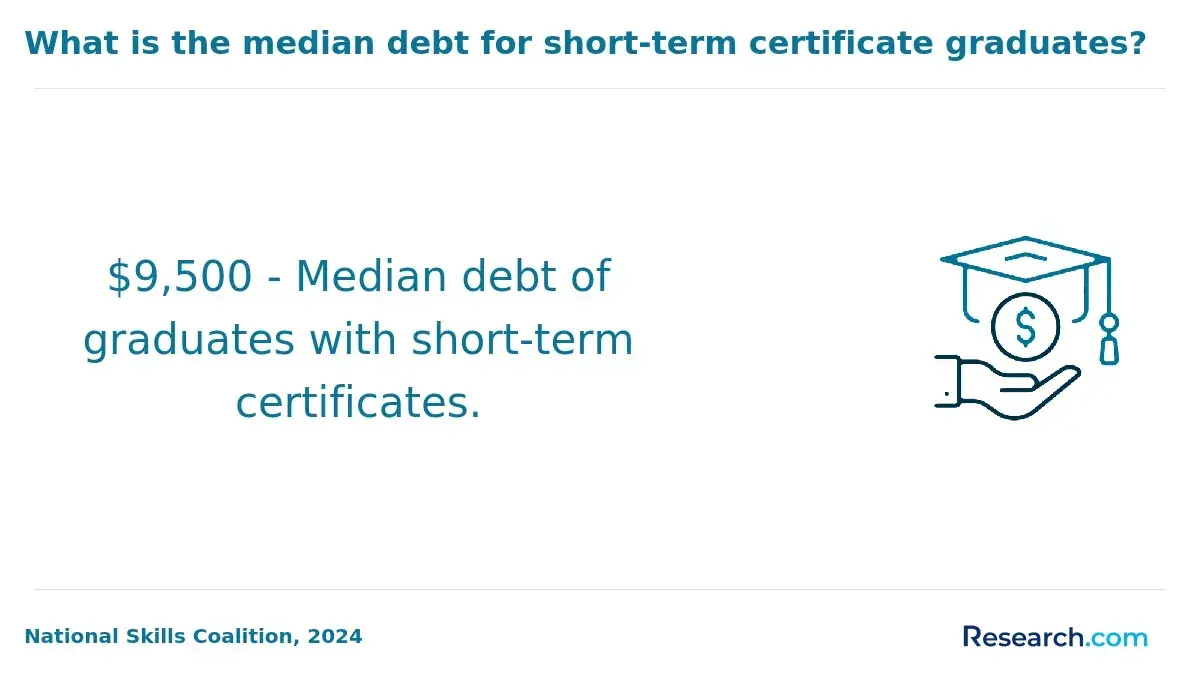
Which accredited universities offer the lowest tuition for an online Early Childhood Education doctorate?
Accredited universities that offer low-tuition online Early Childhood Education doctorates are relatively limited, so many applicants compare programs in Early Childhood Education, curriculum and instruction, educational leadership, child development, and learning sciences. The priority should be institutional accreditation, doctoral faculty fit, total cost, and whether the concentration clearly supports your career goal.
The table below highlights accredited U.S. universities commonly considered by cost-conscious students seeking an online or mostly online doctoral pathway related to Early Childhood Education. Tuition changes often, so use the figures as planning estimates and verify the current rate directly with the university.
| University | Relevant online doctorate pathway | Accreditation to verify | Estimated tuition position | Best-fit student |
| Liberty University | Online Ed.D. in Curriculum and Instruction with Early Childhood Education specialization | Institutional accreditation through SACSCOC | Often among the lower advertised tuition totals for a specialized online Ed.D. | Educators seeking a structured, applied doctorate with a clear ECE specialization |
| Concordia University Chicago | Online Ed.D. or Ph.D. in Leadership with Early Childhood Education specialization | Institutional accreditation through HLC | Moderate private nonprofit tuition; total depends on Ed.D. versus Ph.D. credit load | Students comparing applied leadership and research-oriented doctoral options |
| University of Colorado Denver | Ed.D. in Leadership for Educational Equity with Early Childhood Education emphasis | Institutional accreditation through HLC | Public-university pricing; total may vary by residency, fees, and delivery format | Students who want a public-university doctoral pathway tied to equity and early learning systems |
| National University | Online education doctorate options with early childhood or related specialization pathways | Institutional accreditation through WSCUC | Moderate to high depending on transfer credits and time to completion | Working adults who need frequent start dates and flexible online scheduling |
| Walden University | Online Ed.D. or Ph.D. in Education with Early Childhood Education-related specialization options | Institutional accreditation through HLC | Can become expensive if dissertation or capstone enrollment extends | Students who value asynchronous delivery and can tightly manage completion pace |
Do not choose a program solely because its advertised tuition looks low. A cheaper program can become expensive if it has weak dissertation support, limited course availability, or a concentration that employers do not connect to the role you want.
Before enrolling, confirm these items with admissions and financial aid staff:
- Whether the institution is accredited by an agency recognized by the U.S. Department of Education or CHEA.
- Whether the Early Childhood Education specialization appears on the transcript, diploma supplement, or only in the course plan.
- Whether the program requires campus residencies, synchronous class meetings, background checks, or field-based projects.
- Whether the degree is an Ed.D., Ph.D., or another doctorate and how that credential is viewed by your target employers.
- Whether prior graduate credits can reduce both tuition and time to completion.
If your interest is child development, assessment, and school-based intervention rather than early childhood leadership, it may also be worth comparing school psychology programs online accredited by NASP. That route serves a different career goal and may involve licensure requirements, but it can be a better fit for students focused on psychological services in schools.
What hidden fees should you expect in an online Early Childhood Education doctorate program?
Hidden fees can change the affordability ranking of online Early Childhood Education doctorate programs. The most common mistake is comparing only tuition per credit and overlooking recurring fees that continue during the dissertation or capstone phase.
These costs matter because doctoral students often remain enrolled after coursework while completing research, revising chapters, securing approvals, or defending a final project. A low-tuition program with high continuation fees can become less affordable than a higher-tuition program with stronger completion support.
Before committing, ask for a complete fee schedule and build a cushion into your budget for the following expenses:
- Technology, online learning, or digital platform fees charged each term.
- Doctoral resource, library, or student services fees that may apply even in fully online programs.
- Dissertation, capstone, or doctoral project continuation fees after coursework ends.
- Residency, orientation, or intensive-session travel costs, including lodging and time away from work.
- Graduation, transcript, proctoring, background-check, fingerprinting, and licensure-documentation fees.
- Books, statistical software, research tools, professional association memberships, and conference participation.
Dissertation structure is another cost issue. Some students look at online EdD programs no dissertation because an applied capstone or dissertation-in-practice may feel more manageable than a traditional dissertation. However, "no dissertation" does not mean "no research"; reputable programs still require rigorous evidence-based work, faculty review, and a final project.
Common budgeting mistakes are avoidable if you treat the doctorate like a multi-year financial commitment rather than a single tuition quote. Avoid paying full tuition upfront, borrowing the maximum loan amount without a term-by-term plan, ignoring employer benefits, or choosing a program before asking how many students finish within the advertised timeline.
What financial aid options and federal grants are available for online Early Childhood Education doctoral candidates?
Online Early Childhood Education doctoral candidates may qualify for several types of financial aid, but eligibility depends on enrollment status, citizenship or eligible noncitizen status, school participation in federal aid programs, and satisfactory academic progress. The Free Application for Federal Student Aid is usually the starting point for federal loans and some institutional aid.
Graduate students should pay special attention to borrowing costs. For the 2024-2025 award year, Federal Student Aid listed Graduate PLUS Loan interest at 9.08%, so grants, scholarships, employer benefits, and pay-as-you-go strategies can reduce long-term repayment pressure.
The table below compares major funding sources and how they typically apply to online doctoral students in Early Childhood Education.
| Funding option | Who may qualify | What it can cover | Key limitation |
| FAFSA-based federal aid | Eligible graduate students enrolled at participating institutions | Federal Direct Unsubsidized Loans and Graduate PLUS Loans | Loans must be repaid with interest and may increase total degree cost |
| Institutional scholarships | Applicants meeting school-specific academic, professional, or diversity criteria | Partial tuition awards or term-based grants | Doctoral awards may be limited and competitive |
| Employer tuition assistance | Employees whose organizations support advanced education | Annual tuition reimbursement, direct billing, or professional development funds | May require continued employment or grade minimums |
| Military and veteran benefits | Eligible service members, veterans, and dependents | Tuition, fees, and sometimes housing support depending on benefit type | Benefit rules vary and may not cover the full doctoral cost |
| State, district, or nonprofit grants | Educators in priority fields, leadership pipelines, or early learning initiatives | Tuition support, research support, or professional development funding | Often tied to service commitments or location-specific eligibility |
To reduce out-of-pocket costs, treat funding as a process, not a one-time application. A practical approach is to file the FAFSA early, ask the graduate school about doctoral scholarships, request an employer reimbursement policy in writing, and confirm whether part-time enrollment affects aid eligibility.
If your career goal is curriculum design, learning technology, or training leadership rather than doctoral-level early childhood research, compare the return from a doctorate with lower-cost graduate alternatives such as the best online instructional design master's programs. A second master's may not carry the same prestige as a doctorate, but it can be cheaper and faster for some career pivots.
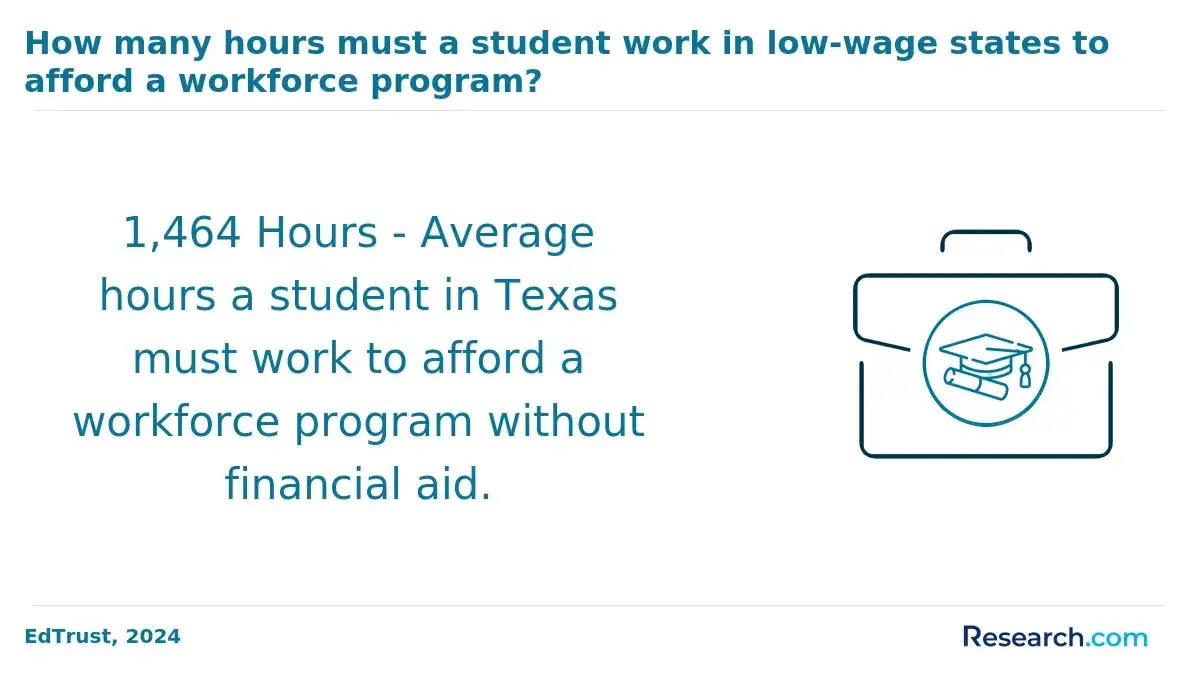
How can fellowships and research stipends offset the cost of an online Early Childhood Education doctorate?
Fellowships and research stipends can offset the cost of an online Early Childhood Education doctorate, but they are less common in fully online professional Ed.D. programs than in campus-based Ph.D. programs. Still, cost-conscious students should ask because some universities, research centers, foundations, and early learning initiatives fund doctoral work tied to policy, equity, language development, special education, or family engagement.
The strongest stipend opportunities usually go to students whose research aligns with a funded faculty project or institutional priority. That means your research topic can directly affect affordability.
Use the following steps to identify realistic funding before you enroll:
- Search the education school's faculty pages for professors conducting funded research in early learning, child development, literacy, equity, or early intervention.
- Email the program coordinator and ask whether online doctoral students can serve as research assistants, teaching assistants, evaluators, or grant project staff.
- Ask whether assistantships include tuition remission, hourly pay, a stipend, or only professional experience.
- Contact local early childhood agencies, Head Start partners, school districts, and nonprofits to ask whether doctoral research aligned with their priorities may be supported.
- Build a research agenda that solves a real organizational problem, because applied projects are more likely to attract employer or partner support.
There are trade-offs. A stipend may reduce tuition but add work hours, required meetings, or project responsibilities. For a full-time educator, the best arrangement is usually one that supports the dissertation while also producing career-relevant experience, such as program evaluation, grant reporting, professional development design, or policy analysis.
What is the average starting salary and long-term earnings potential for Early Childhood Education doctorate graduates?
There is no single "average starting salary" for Early Childhood Education doctorate graduates because outcomes depend on prior experience, state, employer type, licensure, leadership scope, and whether the graduate moves into administration, higher education, policy, or research. The degree tends to pay best when it helps a candidate move beyond classroom or center-level roles into system-level leadership.
BLS May 2024 data provides a useful benchmark: education administrators in kindergarten through secondary schools had a median annual wage of $104,070. For doctoral students, this number is not a guaranteed outcome, but it shows the salary level associated with leadership roles that may value advanced education, administrative credentials, and experience.
The table below shows salary context for roles that Early Childhood Education doctorate graduates may pursue, especially when they combine the doctorate with leadership experience, licensure where required, or expertise in curriculum, assessment, policy, or faculty work.
| Career direction | Relevant BLS or market-aligned occupation | May 2024 salary context | How the doctorate may help |
| District or school-system leadership | Education administrators, kindergarten through secondary | Median wage around $104,070 | Supports advancement into curriculum, early learning, principal, director, or central-office roles when paired with required credentials |
| College administration | Postsecondary education administrators | Median wage near the low six figures in BLS May 2024 data | Can strengthen candidacy for program director, dean, assessment, accreditation, or student success leadership |
| Corporate or nonprofit learning leadership | Training and development managers | BLS May 2024 median wage exceeded many education roles | Can support roles designing learning systems, workforce development, coaching, and leadership training |
| Higher education teaching | Education teachers, postsecondary | Median wage is typically below senior administrator levels | Often required or strongly preferred for full-time faculty, program chair, or doctoral mentoring roles |
| Policy, research, and evaluation | Education research, nonprofit leadership, and program evaluation roles | Pay varies widely by employer and grant funding | Research training can position graduates for evaluation, policy analysis, and early childhood systems work |
The long-term earnings potential is strongest for graduates who enter the doctorate with several years of professional experience and a clear advancement plan. If a student remains in the same low-wage role after graduation, the financial ROI may be weak even if the program was inexpensive.
What high-paying career paths justify the cost of an online doctorate in Early Childhood Education?
High-paying career paths justify the cost of an online doctorate in Early Childhood Education when the credential helps unlock leadership scope, budget authority, faculty eligibility, or specialized research responsibility. The degree is not strictly required for every executive role, but it can help differentiate candidates in competitive education, nonprofit, policy, and higher education markets.
The best ROI usually comes from roles where the doctorate is either required, strongly preferred, or clearly connected to the work. The table below compares common high-value pathways and the conditions that make each path financially sensible.
| Career path | Why it can pay well | Doctorate value | Important requirement to verify |
| Early childhood education director at district or state level | Scope includes curriculum, compliance, staffing, family engagement, and program quality across multiple sites | Signals advanced expertise in systems leadership, child development, and evidence-based improvement | Administrative licensure, state credentials, or public-sector experience may be required |
| College professor or program chair in early childhood education | Full-time faculty and chair roles may include teaching, assessment, accreditation, and program leadership | Often required for tenure-track or senior academic leadership roles | Research record, teaching experience, and institutional expectations vary |
| Chief learning officer or training executive | Senior learning roles manage organizational training strategy, budgets, and workforce development | Useful when combined with instructional design, adult learning, and leadership experience | Corporate experience may matter more than the ECE specialization alone |
| Education policy analyst or research director | Policy and research roles influence funding, quality standards, and early childhood systems | Research methods and dissertation work can build credibility | Quantitative skills, publication experience, and grant experience may be expected |
| Executive director of an early childhood nonprofit | Leadership includes fundraising, compliance, staff development, partnerships, and outcomes reporting | Can support credibility with boards, funders, and public agencies | Fundraising and operational leadership experience are often essential |
A doctorate may not be the best investment if your target role only requires a bachelor's degree, a state director credential, or experience managing a childcare center. It is most defensible when your next job requires doctoral-level leadership, research, teaching, policy, or systems-change expertise.
Which high-paying industries actively recruit professionals with an online doctorate in Early Childhood Education?
Industries that recruit Early Childhood Education doctorate holders tend to value leadership, research literacy, curriculum expertise, compliance knowledge, and the ability to improve outcomes across programs. The highest-paying opportunities are often outside single-site childcare management and inside larger systems with bigger budgets.
The table below shows the sectors where an online doctorate can be most useful and the kinds of roles that may justify the investment.
| Industry | Typical recruiting employers | Relevant roles | Why doctoral training matters |
| Public education systems | School districts, state education agencies, early learning offices | Early learning director, curriculum director, assessment leader, administrator | Systems leadership, evidence-based practice, and policy implementation are central to the work |
| Higher education | Community colleges, universities, online colleges, teacher preparation programs | Professor, program chair, field placement director, accreditation lead | Doctoral credentials support faculty eligibility, program review, and scholarly leadership |
| Nonprofit and advocacy organizations | Early childhood nonprofits, foundations, research partnerships | Executive director, program evaluation director, policy lead | Funders often expect evidence, outcomes reporting, and strategic program design |
| Corporate learning and education technology | Edtech firms, curriculum companies, learning platforms, training organizations | Learning strategist, research director, curriculum executive, product education lead | Doctoral-level expertise can support product credibility, research design, and learning outcomes |
| Government and policy consulting | Federal contractors, state agencies, consulting firms, research organizations | Policy analyst, technical assistance specialist, evaluation consultant | Research methods, program evaluation, and early childhood systems knowledge are valuable |
The recruiting pattern is clear: the doctorate has the most labor-market value when it helps you move from delivering services to designing, leading, evaluating, or funding services. Students who want the highest ROI should build experience in budgeting, supervision, grant management, data analysis, and cross-agency collaboration while enrolled.
How quickly can you achieve a positive ROI on an online Early Childhood Education doctorate?
You can achieve a positive ROI on an online Early Childhood Education doctorate when the added income, promotion potential, pension impact, consulting revenue, or faculty eligibility outweighs tuition, fees, interest, and lost time. The payback period varies widely, so applicants should calculate a personal break-even point before applying.
A simple ROI estimate starts with net cost, not sticker price. For example, a $40,000 program partly covered by employer reimbursement has a very different payback timeline than a $70,000 program financed entirely through high-interest graduate loans.
Use this sequence to estimate whether the doctorate is financially reasonable for your situation:
- Calculate total tuition, mandatory fees, books, travel, and likely dissertation continuation costs.
- Subtract confirmed scholarships, employer reimbursement, military benefits, and savings you can pay without borrowing.
- Estimate the salary increase you can realistically pursue within 1 to 3 years after graduation based on your experience and local labor market.
- Divide your net degree cost by the expected annual salary increase to estimate a rough payback period.
- Stress-test the calculation by adding loan interest, delayed graduation, or a slower promotion timeline.
The fastest ROI usually comes from students who already work in education leadership and need a doctorate to qualify for a director, professor, central-office, executive nonprofit, or policy role. The slowest ROI tends to occur when students enroll without a target role, borrow heavily, or choose a program that does not improve their eligibility for higher-paying work.
To protect ROI, ask admissions, financial aid, and faculty advisors direct questions before enrolling. Ask how many students finish on time, what support exists during the dissertation phase, whether online students receive the same advising as campus students, and which employers have hired recent graduates into leadership roles.
Other Things You Should Know About Early Childhood Education
Yes, if it comes from an institutionally accredited university and the program fits the role. Employers usually care more about accreditation, relevance, faculty quality, experience, and leadership results than whether coursework was completed online.
Most programs require a master's degree, graduate transcripts, professional experience, a statement of purpose, recommendation letters, and sometimes a writing sample or interview. Some programs prefer applicants already working in education, child development, leadership, or policy.
Not always. A teaching or administrative license may be required for some school-based leadership jobs, but many doctoral programs also serve nonprofit, higher education, research, policy, and consulting professionals. Always verify state and employer requirements.
You may want to avoid it if your target job does not require doctoral-level credentials, if you cannot commit to several years of research and writing, or if the salary increase would not justify the cost. A certificate, license, or master's program may be more practical in those cases.
References
- Online Ed.D. in Early Childhood Education | Doctorate in ECE Online https://www.pacificoaks.edu/academic-programs/edd-in-early-childhood-education/
- 2025 Most Affordable Online Doctorates in Education https://www.onlineu.com/most-affordable-colleges/education-doctoral-degrees
- Scholarships and Financial Aid https://earlychildhoodny.org/resources/scholarships-and-financial-aid
- ECECD Scholarship Information - Scholarship and Pay Incentive Programs https://ececdscholarship.org/scholarship-information/
- Careers in Early childhood education: What to do after - Mirasur School https://colegiomirasur.com/en/blog/opportunities-vt-early-childhood-education/
- Cheapest Online Master's Degree In Early Childhood Education https://www.affordablecollegesonline.org/degrees/best-online-masters-in-early-childhood-education/
- 25 Best Online EdD Programs of 2025 https://www.eddprograms.org/schools/best-online-doctor-of-education-programs/
- The Rewards of a Doctorate in Early Childhood Education - Graduate Programs for Educators https://www.graduateprogram.org/blog/the-rewards-of-a-doctorate-in-early-childhood-education/
- How Long to Get an Ed.D. Degree? | University of Bridgeport https://www.bridgeport.edu/news/how-long-to-complete-educational-leadership-degree-edd/
- Child Development Scholarships in Missouri - Child Care Aware https://mochildcareaware.org/blog/uncategorized/child-development-scholarships-missouri/