2027 Online Early Childhood Education Doctorate Programs for Working Professionals: Flexible, Part-Time, and Self-Paced Options

Co-Founder and Chief Data Scientist
Choosing an online Early Childhood Education doctorate is really a scheduling, career, and investment decision. NCES distance education data released in 2024 show that 9.4 million U.S. college students took at least one online course, reflecting how normal online graduate study has become. This guide is for educators, directors, specialists, and administrators balancing doctoral work with jobs and family responsibilities. You will learn how flexible, part-time, asynchronous, and self-paced formats differ so you can choose a program that fits your workload, goals, and learning style.
Key Things You Should Know
- Most online Early Childhood Education doctorates are structured for employed adults, but "online" does not always mean self-paced; many programs still require weekly deadlines, live sessions, residencies, practicums, or dissertation milestones.
- Part-time students commonly plan for about 3 to 6 years of study depending on transfer credits, dissertation progress, enrollment intensity, and whether the program uses an applied doctoral project or traditional dissertation.
- Before comparing tuition, calculate total cost by credits, fees, books, travel, and time away from work; federal Direct Unsubsidized Loans for graduate students are capped at $20,500 per academic year before Grad PLUS or other aid is considered.
Is an Online Early Childhood Education Doctorate Worth It for Working Professionals?
An online Early Childhood Education doctorate can be worth it for working professionals when it connects directly to a higher-level goal: leading early learning systems, teaching at the college level, designing curriculum, shaping policy, conducting applied research, or moving into senior administration. It is less likely to be a good fit if you only need a short credential for classroom advancement or if your employer does not reward doctoral preparation.
The value of the degree depends on role alignment. A doctorate in Early Childhood Education is usually not a first teaching credential; it is an advanced professional or scholarly credential for people who already understand education settings. For example, a center director may use the degree to move into district leadership, quality improvement, accreditation consulting, or higher education teaching, while a curriculum specialist may use it to lead program design or professional development.
Labor market data should be used carefully because Early Childhood Education doctorates can lead to different occupations. BLS May 2024 wage data show that education administrators, instructional coordinators, postsecondary education teachers, and preschool or childcare center directors sit in different salary bands. That means the degree's financial return is not automatic; it depends on whether the doctorate helps you enter a role with greater responsibility, employer recognition, or advancement potential.
The degree tends to make the most sense for professionals who already have experience and want to lead systems rather than only deliver instruction. It may not make sense if the program's dissertation, residency, or practicum requirements conflict with your job schedule, or if a master's degree, endorsement, administrator license, or certificate would meet the same goal faster and at lower cost.
Use the following comparison to decide whether the doctorate fits your professional reason for enrolling. The table separates strong-fit situations from cases where a different pathway may be more practical.
| Professional situation | Doctorate fit | Why it matters |
| Experienced early childhood leader seeking district, nonprofit, policy, or higher education roles | Strong fit | The doctorate can support advanced leadership, research use, and systems-level decision-making. |
| Teacher seeking a salary lane increase only | Depends on employer policy | Some districts reward doctoral credits, while others cap salary advancement or require specific credentials. |
| Professional needing initial teacher licensure | Usually weak fit | Doctoral programs generally assume prior preparation and may not satisfy state licensure requirements. |
| Full-time worker with unpredictable hours | Possible with caution | Asynchronous or part-time formats may work, but live meetings, residencies, and dissertation deadlines still matter. |
| Career changer with no education background | Often not the first step | A master's, certification, or supervised preparation route may be more appropriate before doctoral study. |
A practical way to assess worth is to write down the exact role you want after graduation, then verify whether employers in that role prefer or require a doctorate. If the answer is unclear, speak with hiring managers, district HR offices, faculty mentors, or leaders in your target setting before committing to a long doctoral program.
Which Type of Online Early Childhood Education Doctorate Best Fits Your Career Goals?
The best online Early Childhood Education doctorate depends on whether you want to become a scholar, a senior practitioner, a policy leader, a faculty member, or an applied improvement specialist. Most working professionals compare three broad pathways: EdD programs, PhD programs, and specialized doctorates with early childhood, curriculum, leadership, or human development concentrations.
An EdD is often designed for practitioners who want to solve problems in schools, childcare systems, agencies, districts, community organizations, or higher education. A PhD is usually more research-intensive and may be better for people pursuing university research, scholarly publishing, or academic careers where methodological depth is central. Some programs use names such as Doctor of Education in Curriculum and Instruction, Educational Leadership, or Human Development with early childhood coursework, so the title alone is not enough; you need to inspect the curriculum and capstone.
The table below summarizes common doctorate types and the career goals they usually support. Use it to narrow your search before comparing schedules or tuition.
| Doctorate type | Best fit | Typical capstone | Working-professional consideration |
| EdD in Early Childhood Education | Program directors, district leaders, curriculum leaders, professional development specialists | Applied dissertation or doctoral project | Often more practice-oriented and commonly marketed to employed educators. |
| PhD in Early Childhood Education or Child Development | Researchers, tenure-track faculty candidates, policy researchers | Traditional dissertation | May require stronger research preparation and more sustained writing time. |
| EdD in Curriculum and Instruction with early childhood focus | Curriculum specialists, instructional coaches, teacher educators | Applied study or dissertation | Good fit when your goal is learning design, assessment, or instructional leadership. |
| EdD in Educational Leadership with early childhood electives | Administrators, nonprofit leaders, district-level early learning leaders | Leadership-focused dissertation or project | Useful when your career goal is management, policy, or organizational improvement. |
| Doctorate in Human Development or Learning Sciences | Research, policy, assessment, program evaluation | Research dissertation | Can be strong for child development expertise but may be less directly tied to early childhood administration. |
If speed is your main concern, be careful with accelerated claims. Some 1 year EdD programs online may be designed for students with substantial transfer credit, an already defined research problem, or very intensive enrollment; they are not automatically realistic for a full-time professional managing family and leadership responsibilities.
Choose a doctorate type by matching it to the work you want to do every week after graduation. If you want to supervise programs, lead quality improvement, or implement evidence-based change, an EdD with an applied project may fit better. If you want to publish research, compete for research faculty roles, or pursue grant-funded scholarship, a PhD or research-heavy doctorate may be more appropriate.
How Do Flexible, Part-Time, Asynchronous, and Self-Paced Early Childhood Education Doctorate Programs Differ?
Flexible, part-time, asynchronous, and self-paced are related terms, but they do not mean the same thing. Understanding the difference matters because a program can be online and flexible while still requiring fixed weekly deadlines, live sessions, group projects, and scheduled dissertation checkpoints.
The table below separates the major format terms used by online doctorate programs. This helps working professionals avoid assuming that one kind of flexibility includes all the others.
| Format term | What it usually means | Best for | Main trade-off |
| Flexible online | Courses are online and may offer some choice in when assignments are completed | Professionals with mostly predictable weekly schedules | Flexibility varies widely by instructor, term length, and cohort model. |
| Part-time | Students take fewer credits per term than full-time students | Full-time employees, caregivers, and leaders with heavy workloads | Completion takes longer, and dissertation momentum can be harder to maintain. |
| Asynchronous | No required weekly live class at a fixed time | Professionals with evening, weekend, travel, or rotating schedules | Students must manage deadlines without real-time class structure. |
| Synchronous online | Live virtual meetings are required at scheduled times | Students who want discussion, accountability, and faculty interaction | Less convenient for people with unpredictable work or family schedules. |
| Self-paced | Students can move through material faster or slower within program rules | Highly independent students with strong time-management skills | May include maximum time limits, minimum progress rules, or assessment windows. |
| Cohort-based | Students move through the program with the same group | Students who want peer support and predictable sequencing | Less ability to pause, accelerate, or change course order. |
The most important question is not whether the program uses the word "flexible," but where flexibility actually exists. For employed students, the pressure points are usually weekly deadlines, live attendance, residency travel, practicum hours, comprehensive exams, and dissertation meetings.
When comparing formats, ask admissions or program faculty for concrete answers rather than marketing language. These questions are especially useful before you apply:
- Are courses asynchronous, synchronous, or a mix of both?
- Can part-time students take one course per term, or is a minimum credit load required?
- Are there required campus visits, weekend residencies, summer institutes, or in-person defenses?
- Can dissertation credits be spread across multiple terms at a lower pace?
- What happens if a work emergency forces a student to stop out for one term?
- Are group projects scheduled across time zones, and are live presentations required?
A self-paced format can be attractive, but it is not automatically easier. It works best for students who can create their own weekly structure, tolerate less external prompting, and keep writing even when no class meeting is approaching.
What Are the Admission Requirements for Online Early Childhood Education Doctorate Programs?
Admission requirements vary by school, but online Early Childhood Education doctorate programs usually evaluate academic preparation, professional experience, writing ability, research readiness, and fit with faculty or program goals. Working professionals should also look for admissions policies that recognize leadership experience, prior graduate coursework, and applied education expertise.
Most programs ask for a master's degree from an accredited institution. Some may accept applicants from education, child development, psychology, curriculum, leadership, social work, or related fields, while others require a teaching license, administrator experience, or early childhood professional background. GRE requirements have become less common across many education doctorates, but applicants should verify each school's policy rather than assuming test scores are waived.
Application materials usually help schools decide whether you can handle doctoral writing and whether your goals match the program. Common requirements include:
- Master's degree transcripts showing graduate-level academic readiness.
- Minimum GPA requirement, often set by the graduate school or education department.
- Professional résumé documenting teaching, leadership, policy, curriculum, coaching, or early learning experience.
- Statement of purpose explaining your career goals and proposed area of inquiry.
- Writing sample, research paper, or scholarly essay that shows readiness for doctoral-level work.
- Letters of recommendation from supervisors, faculty, or professional leaders who can evaluate your leadership and academic potential.
- Interview with faculty or admissions staff, especially for cohort-based programs.
- Proof of state authorization eligibility if you live outside the institution's home state.
Transfer credit can significantly affect cost and timeline. Some programs allow a limited number of post-master's credits to transfer, while others require most or all doctoral coursework to be completed in residence. Ask whether transferred credits reduce tuition, shorten the dissertation timeline, or only satisfy elective requirements.
Working professionals should also confirm whether the program expects access to an early childhood setting for assignments, observations, improvement projects, or practicum-style work. If you work outside a school or childcare environment, ask whether your workplace can serve as an acceptable research or applied project site.
How Long Does It Take to Complete an Online Early Childhood Education Doctorate Part Time?
Part-time completion time depends on credits, course length, dissertation pace, transfer credits, and whether the program allows continuous enrollment. Many working professionals should plan for a multi-year commitment rather than assuming online delivery will make the doctorate short.
The following table summarizes common pacing models. It is not a promise of completion time, but it helps you understand how enrollment intensity affects your calendar.
| Enrollment pattern | Typical course load | Possible completion window | Best fit |
| Full-time online | Two or more courses in many terms | About 3 years if dissertation progress is steady | Students with flexible jobs, reduced workload, or strong support at home. |
| Standard part-time | One course in many terms | About 4 to 6 years | Full-time professionals who need predictable weekly workload. |
| Extended part-time | Intermittent enrollment or lighter dissertation credits | May approach the school's maximum time limit | Students with leadership roles, caregiving duties, or variable work seasons. |
| Accelerated online | Compressed terms, heavier year-round enrollment, or transfer credits | Shorter than traditional pacing when eligibility requirements are met | Students with prior doctoral credit, a clear research agenda, and high weekly availability. |
The dissertation or doctoral project is often the biggest timeline variable. Coursework may be predictable, but research approvals, data collection, faculty feedback, revisions, and committee scheduling can extend the timeline for students who cannot dedicate regular writing blocks.
To estimate a realistic timeline before enrolling, working professionals should map the program against their busiest work periods. A school administrator, for example, may need a lighter load during hiring season, budget season, accreditation visits, or the start of the school year.
A simple planning sequence can prevent unrealistic expectations:
- List the total credits required after any approved transfer credits.
- Identify the number of terms offered each year, including summer availability.
- Ask whether one-course-at-a-time enrollment is allowed every term.
- Separate coursework credits from dissertation or project credits.
- Check the maximum time-to-degree policy and stop-out rules.
- Build in at least one buffer term for work emergencies, research delays, or family responsibilities.
Part-time study is often the most sustainable option for full-time professionals, but it requires discipline over a longer period. The best program is not necessarily the shortest; it is the one you can complete without sacrificing job performance, health, or family obligations.
What Curriculum, Dissertation, Residency, or Practicum Requirements Do Online Early Childhood Education Doctorate Programs Include?
Online Early Childhood Education doctorate curricula typically combine research methods, child development, leadership, equity, curriculum, assessment, policy, and applied improvement. The exact mix depends on whether the program is an EdD, PhD, curriculum-focused doctorate, or leadership-focused doctorate.
Coursework often moves from foundational seminars to specialized courses and then to dissertation or doctoral project work. For working professionals, the key is to identify which requirements must happen at a fixed time or in a specific location.
Common curriculum and milestone requirements include:
- Doctoral foundations, including theory, ethics, scholarly writing, and research literacy.
- Early childhood development, family engagement, inclusive education, and culturally responsive practice.
- Curriculum, assessment, program evaluation, and instructional improvement.
- Leadership, policy, finance, supervision, advocacy, and organizational change.
- Quantitative, qualitative, or mixed-methods research courses.
- Comprehensive exams, qualifying papers, portfolio reviews, or candidacy assessments.
- Dissertation, applied dissertation, doctoral project, or problem-of-practice study.
- Residency, practicum, internship, field-based inquiry, or in-person defense requirements when required by the school.
Dissertation requirements deserve close attention. Some EdD programs use applied projects focused on workplace problems, while research-heavy doctorates may require a more traditional dissertation with original scholarly contribution. If you are comparing alternatives, review online EdD programs no dissertation to understand how doctoral projects, capstones, and dissertation alternatives may differ by institution.
Residencies can be valuable because they provide faculty access, cohort connection, research support, and intensive writing time. However, they also add travel costs and time away from work. Ask whether residencies are virtual, optional, weekend-based, summer-based, or required on campus.
A common mistake is assuming an online doctorate has no field-based obligations. In Early Childhood Education, assignments may require access to children's programs, educators, families, administrators, assessment data, or organizational improvement sites. If your current job does not provide access, you may need to arrange a partner site before starting dissertation or practicum work.
How Much Weekly Work Should Full-Time Professionals Expect in an Online Early Childhood Education Doctorate Program?
Full-time professionals should expect doctoral work to feel like a second major responsibility, even in an online program. The weekly workload depends on reading volume, writing expectations, research courses, discussion requirements, group projects, and whether you are in coursework or dissertation phase.
A realistic planning range for many online doctoral courses is 10 to 20 hours per week when taking one demanding course, with heavier weeks around papers, research assignments, presentations, or statistics projects. Two courses at once can become difficult for professionals with leadership roles, caregiving duties, travel, or unpredictable work hours.
The table below shows how workload can change across program phases. Use it to decide whether you need part-time pacing, fewer synchronous requirements, or a temporary workload adjustment at work.
| Program phase | Typical work pattern | Scheduling risk for full-time professionals | Practical interpretation |
| Introductory coursework | Readings, discussion posts, short papers, recorded lectures | Moderate | Often manageable with evening and weekend blocks if deadlines are predictable. |
| Research methods and statistics | Technical assignments, software practice, research design work | High | May require longer uninterrupted study periods than theory courses. |
| Leadership or curriculum courses | Case studies, applied projects, group work, presentations | Moderate to high | Group coordination can be harder than individual work for busy professionals. |
| Comprehensive exam or portfolio | Synthesis writing and faculty evaluation | High | Plan for concentrated review time and reduced optional commitments. |
| Dissertation or doctoral project | Independent writing, data collection, revisions, committee meetings | Very high | Progress depends on self-direction and consistent writing routines. |
The best workload strategy is to protect recurring study blocks before the term starts. Waiting to "fit school in" after work is a common reason doctoral students fall behind.
These habits can make the workload more manageable for employed students:
- Reserve two or three fixed weekly study blocks and treat them like work meetings.
- Use lunch breaks or short windows for reading, citation cleanup, or discussion replies, but save writing for deeper focus periods.
- Tell supervisors early about residency dates, major deadlines, or research-site needs.
- Choose dissertation topics connected to your professional setting when allowed, but avoid projects that depend on permissions you cannot control.
- Reduce course load during known peak work seasons instead of recovering after burnout.
- Build a support system for childcare, household duties, and emergency coverage before the first term begins.
Asynchronous coursework can reduce schedule conflict, but it can also increase procrastination risk. Students who prefer external structure may do better in a cohort program with regular check-ins, even if it is less flexible.
How Much Does an Online Early Childhood Education Doctorate Cost, and What Financial Aid Is Available?
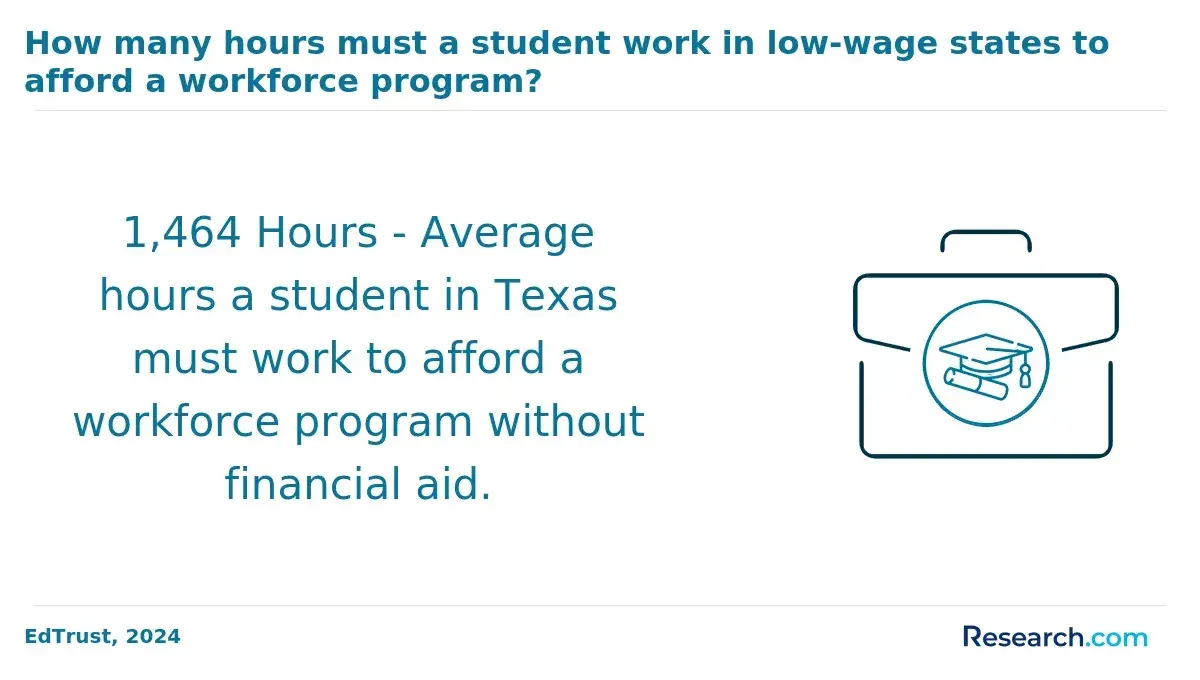
Cost varies widely by institution, residency requirements, credit load, fees, and how long the dissertation phase lasts. For working professionals, the most important number is not only tuition per credit; it is total out-of-pocket cost after aid, employer support, transfer credit, travel, and additional terms.
When comparing published prices, separate direct educational charges from life and work-related costs. Online students may avoid relocation, but they may still pay technology fees, online course fees, graduation fees, books, research software costs, background checks, or travel for residency.
- Per-credit tuition multiplied by required credits is the core price calculation.
- University and program fees can add meaningful cost even when tuition looks competitive.
- Residency travel may include airfare, lodging, meals, parking, and unpaid time away from work.
- Extended dissertation enrollment can increase total cost if students need extra terms.
- Transfer credits may reduce tuition only if they apply directly to required credits.
- Employer tuition assistance may reduce out-of-pocket cost but can require service commitments, grade minimums, or annual caps.
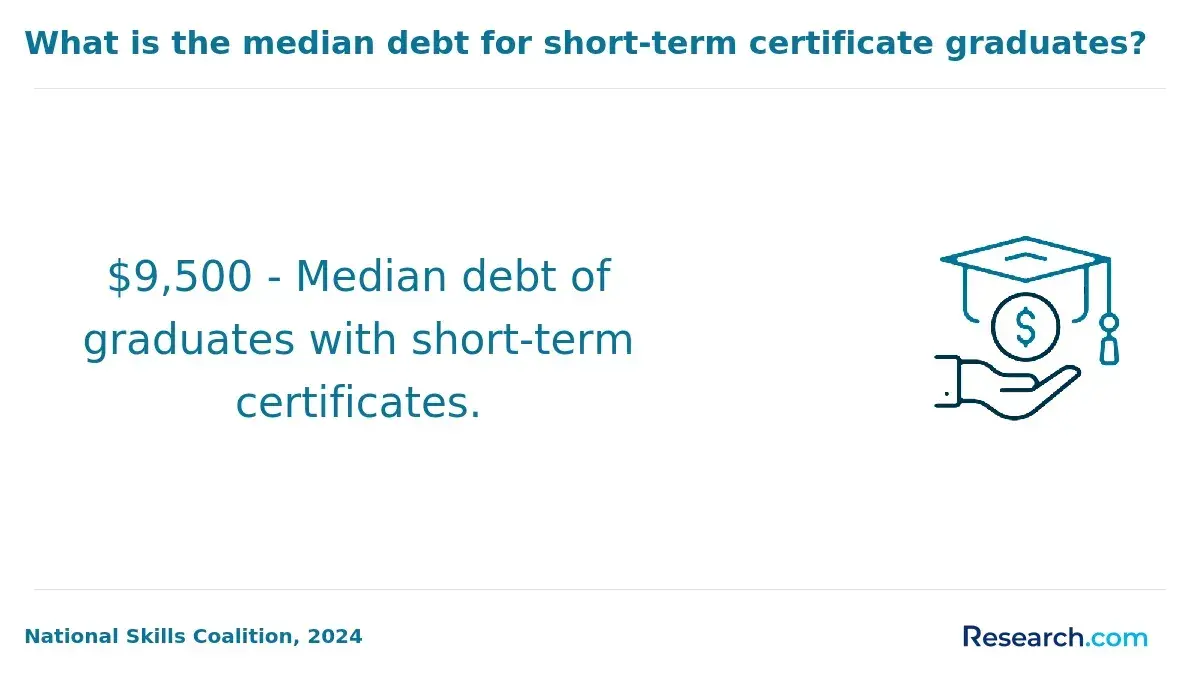
Federal Student Aid rules for the 2024-25 award year list the Direct Unsubsidized Loan annual limit for graduate and professional students at $20,500. That figure matters because doctoral tuition can exceed the unsubsidized loan limit, requiring savings, employer aid, payment plans, scholarships, assistantships, or Grad PLUS borrowing.
Financial aid options for online doctoral students may include federal loans, Grad PLUS loans, institutional scholarships, fellowships, employer tuition reimbursement, military or veterans benefits, state workforce grants, professional association awards, and payment plans. Some fully online programs offer fewer assistantships than campus-based doctorates, so ask whether online students are eligible for research, teaching, or administrative assistant roles.
Before borrowing, estimate return on investment conservatively. Do not assume the doctorate will automatically lead to a raise. Instead, compare the cost of attendance with actual advancement policies at your district, childcare organization, university, nonprofit, or agency.
Common cost mistakes include focusing only on tuition, ignoring dissertation extension fees, overlooking residency travel, assuming employer reimbursement is guaranteed, and borrowing up to the full cost of attendance without a salary-based repayment plan. A better approach is to ask the financial aid office for a term-by-term cost projection under both part-time and full-time pacing.
How Can You Verify the Accreditation and Quality of an Online Early Childhood Education Doctorate Program?
Accreditation is one of the most important quality checks for an online Early Childhood Education doctorate. At minimum, the institution should hold recognized institutional accreditation from an accreditor accepted by the U.S. Department of Education or the Council for Higher Education Accreditation. Programmatic accreditation may also matter depending on your career goal, state, and employer.
For education programs, specialized accreditation or recognition may come from education-focused bodies, but requirements differ by degree level and licensure purpose. Early Childhood Education doctorates are often not initial licensure programs, so you should not assume the degree leads to teacher certification, administrator licensure, or a state endorsement unless the school states that clearly and your state confirms it.
Use this quality checklist before applying:
- Confirm the institution's accreditation through official accreditor or federal databases, not only the school's marketing pages.
- Ask whether the doctorate is designed for licensure, non-licensure leadership, research, or higher education careers.
- Review faculty expertise in early childhood education, child development, curriculum, leadership, equity, assessment, or policy.
- Check whether online students receive dissertation advising, library access, research support, writing support, and career services.
- Request completion, retention, and time-to-degree information for online doctoral students when available.
- Verify state authorization if you will study from a different state than the university.
- Ask employers or licensing boards whether the credential will be recognized for your intended role.
Quality is not the same as convenience. A flexible program with weak advising can be harder to finish than a less flexible program with strong faculty support, clear milestones, and responsive dissertation supervision.
Be especially cautious of red flags such as unclear accreditation language, no public faculty list, unrealistic completion promises, vague dissertation requirements, pressure-based admissions calls, or refusal to provide total cost estimates. If your career interests overlap with child assessment, intervention, or student support services, compare credential expectations carefully because fields such as school psychology often require different preparation; reviewing school psychology programs online accredited by NASP can help illustrate how specialized accreditation requirements differ across education-related careers.
What Career Outcomes and Professional Benefits Can an Online Early Childhood Education Doctorate Provide?
An online Early Childhood Education doctorate can support advancement into leadership, research, curriculum, higher education, consulting, policy, and professional development roles. The strongest outcomes usually occur when the student already has relevant experience and uses the doctorate to deepen authority in a defined area.
Potential career paths vary by degree type, state requirements, employer policies, and prior experience. The table below connects common roles with the type of value a doctorate may provide.
| Career direction | Typical responsibilities | How the doctorate may help |
| Early childhood program director or executive leader | Supervise programs, manage staff, oversee quality, budgets, compliance, and family engagement | Builds leadership, research use, policy analysis, and systems-improvement skills. |
| District or state early learning specialist | Guide curriculum, assessment, early learning standards, and professional development | Supports evidence-based decision-making and credibility in cross-system leadership. |
| College instructor or teacher educator | Teach early childhood, child development, curriculum, or assessment courses | May meet institutional expectations for advanced teaching roles, though tenure-track requirements vary. |
| Curriculum and instructional leader | Design learning materials, coach teachers, evaluate programs, and align instruction with standards | Strengthens curriculum theory, evaluation, and applied research capacity. |
| Policy, advocacy, or nonprofit leader | Analyze programs, lead initiatives, advocate for families and children, manage grants | Develops research interpretation, equity analysis, and organizational leadership skills. |
| Consultant or professional development provider | Train educators, support accreditation, evaluate program quality, advise organizations | Can increase professional credibility when paired with strong field experience. |
Current trends make advanced preparation more relevant, but also more specialized. Early childhood leaders are increasingly expected to interpret data, support inclusive classrooms, guide family partnerships, understand trauma-informed practice, evaluate technology tools, and respond to workforce shortages. AI tools may help with administrative tasks, lesson support, documentation, and analysis, but leaders still need ethical judgment, privacy awareness, and child-development expertise.
Some professionals may decide that a doctorate is not the next best step. If your goal is curriculum design outside early childhood systems, comparing best online instructional design master's programs may reveal a shorter and more targeted route into learning design roles.
Before choosing a program, define your target role in one sentence, then choose the doctorate format that supports that role with the least unnecessary friction. A part-time EdD may be ideal for a director leading applied improvement work, while a research-intensive PhD may better serve someone pursuing scholarship or faculty research. The right choice is the program you can finish, afford, and use professionally.
Other Things You Should Know About Early Childhood Education
You can apply and enroll independently, but it is often better to tell your employer once major scheduling issues appear. Dissertation research, practicum activities, residencies, or workplace-based projects may require permissions, schedule adjustments, or access to organizational data.
Not necessarily. Self-paced programs offer more control, but they require strong discipline and independent writing habits. Cohort-based programs may feel less flexible, yet they often provide peer accountability and clearer pacing.
Asynchronous courses are often helpful for full-time professionals because they reduce live attendance conflicts. However, they still have deadlines, discussions, papers, and group projects, so you should confirm the weekly workload before enrolling.
Usually, the doctorate itself is not an initial licensure pathway. Licensure rules vary by state and role, so confirm requirements with your state education agency, licensing board, and employer before assuming the program will qualify you for a specific credential.
References
- Earning an Online Doctorate in Early Childhood Education https://www.gograd.org/online-phd-programs/best-early-childhood-education-degrees/
- 25 Best Online EdD Programs of 2025 https://www.eddprograms.org/schools/best-online-doctor-of-education-programs/
- 2025 Most Affordable Early Childhood Education Degrees Online https://www.onlineu.com/most-affordable-colleges/early-childhood-education-degrees
- How Self-Paced Online Degrees Compare With Structured Programs - USA Online Degrees https://usaonlinedegrees.com/self-paced-online-degrees-vs-structured-programs/
- Ed.D. in Early Childhood Education | ACE https://ace.edu/degree-programs/doctoral-degrees/doctoral-education/doctor-of-education-in-early-childhood-education/
- The Truth About Free Early Childhood Education Degrees Online: Are They Really Free? - post https://www.childcareed.com/a/the-truth-about-free-early-childhood-education-degrees-online-are-they-really-free.html
- Online Ed.D. in Early Childhood Education | Doctorate in ECE Online https://www.pacificoaks.edu/academic-programs/edd-in-early-childhood-education/
- Early Childhood Education Online Completion, B.S. https://vermontstate.edu/academic-programs/early-childhood-education-online-completion-bs/
- Structure of Online EdD Programs: FT vs PT, Instruction Methods, Cohorts https://www.onlineeddprograms.com/resources/structure-of-online-edd-programs
- 202 Top Picks: Best Early Childhood Education ITP Master’s Degree Programs https://www.preschoolteacher.org/2020-21-top-picks-best-early-childhood-education-itp-masters-degree-programs/