2027 Low-Cost Online Early Childhood Education Doctorate Programs with Financial Aid: Scholarships, Grants, and Employer Tuition Support

Co-Founder and Chief Data Scientist
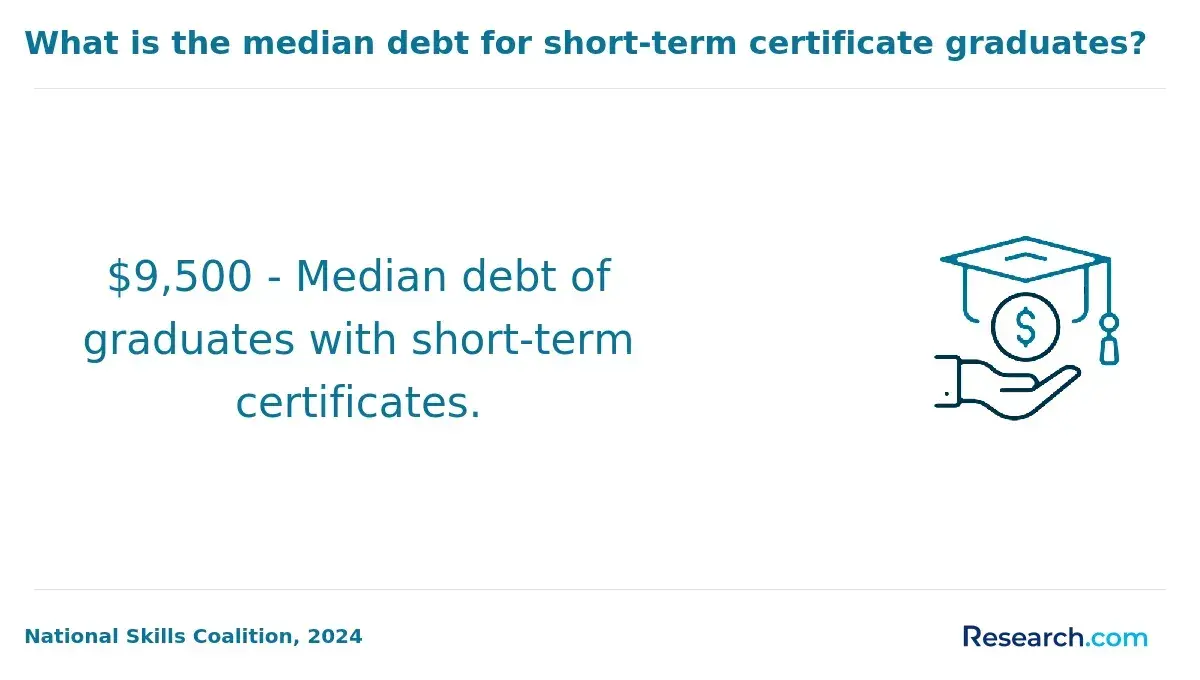
An online doctorate in early childhood education can open paths into leadership, policy, curriculum, higher education, and research, but the wrong financing plan can make the degree far more expensive than expected. Federal Student Aid allows graduate students to borrow up to $20,500 per year in Direct Unsubsidized Loans, which makes cost discipline especially important. This guide is for teachers, directors, coaches, and education leaders comparing affordable online doctoral options. You will learn how to compare total cost, identify aid, use employer support, avoid hidden fees, and choose a program that fits your career goals.
Key Things You Should Know
- The lowest total cost usually comes from regionally accredited public or nonprofit online EdD programs with 45 to 60 credits, limited residency requirements, transfer-credit options, and tuition charged at a flat online rate rather than a higher out-of-state rate.
- Graduate students should compare net cost, not sticker tuition, because federal unsubsidized loans, Grad PLUS Loans, TEACH Grants where eligible, institutional grants, scholarships, employer tuition benefits, and dissertation funding can change the real price substantially.
- Career ROI depends on the role pursued: BLS May 2024 wage data places preschool and childcare center directors at a median annual wage of $54,290, while education administrator and postsecondary roles generally require broader leadership experience and may pay more depending on setting, location, and responsibility level.
Which Online Early Childhood Education Doctorate Programs Offer the Lowest Total Cost?
The lowest-cost online early childhood education doctorate is rarely the program with the lowest advertised tuition alone. The better measure is total cost to degree: required credits, tuition per credit, fees, transfer credits, residency travel, dissertation or capstone expenses, and how long you stay enrolled.
For most students, the strongest low-cost candidates are online EdD programs in early childhood education, curriculum and instruction, educational leadership, or teacher leadership with an early childhood concentration. A PhD can be affordable if it comes with funding, but online PhD programs are less likely to provide the full assistantship packages commonly associated with on-campus doctoral study.
The table below summarizes the program types that usually create the lowest total cost. Use it as a screening tool before requesting official tuition and financial aid estimates from schools.
| Program type | Why it may be low cost | Best fit | Cost risk to check |
| Public university online EdD with early childhood or education leadership focus | Often offers lower per-credit tuition, especially when online students pay a flat rate | Working educators who want leadership, district, nonprofit, policy, or program director roles | Out-of-state tuition rules, online fees, and required campus visits |
| Online EdD in curriculum and instruction with early childhood specialization | May accept prior graduate credits and align with existing teaching experience | Teachers, instructional coaches, curriculum specialists, and early learning trainers | Specialization fees, practicum requirements, or additional certification coursework |
| Online EdD in educational leadership with birth-to-grade-3 or early learning research focus | Can be flexible and employer-relevant for school, agency, and nonprofit leaders | Students targeting administrative, policy, advocacy, or systems-level roles | Licensure tracks may add coursework and state-specific requirements |
| Private nonprofit online cohort doctorate | May provide predictable tuition, accelerated terms, and institutional scholarships | Students who value structured pacing, advising, and cohort support | Higher sticker tuition may outweigh scholarships if aid is modest |
| Online doctorate with dissertation alternative or applied capstone | Can reduce extension terms if the project is tightly structured | Practitioners who want to solve a workplace problem rather than pursue a research faculty path | Capstone, project, or continuation fees can still apply |
A practical rule is to ask every school for a written total-cost estimate based on your transcript evaluation. A 48-credit program at a moderate per-credit price may cost less than a cheaper 60-credit program, especially if the shorter program accepts previous graduate coursework.
Students who are mainly comparing structure rather than early childhood specialization may also want to review online EdD programs no dissertation, since dissertation alternatives can affect pacing, fees, and time to completion.
What Financial Aid Is Available for Online Early Childhood Education Doctorate Students?
Online doctoral students may qualify for several types of aid, but eligibility varies by school, enrollment status, program accreditation, citizenship status, satisfactory academic progress, and whether the program is classified as degree-seeking. The first step is completing the FAFSA and asking the school whether the program is eligible for federal graduate aid.
The most common funding sources differ in how they reduce cost. Some lower the price directly, while others simply delay payment through loans that must be repaid.
| Funding source | Does it need to be repaid? | How it helps | Main limitation |
| Direct Unsubsidized Loan | Yes | Provides federal graduate borrowing up to the annual graduate limit | Interest accrues while enrolled |
| Grad PLUS Loan | Yes | Can cover remaining cost of attendance after other aid | Requires credit review and can increase total debt quickly |
| TEACH Grant | No if service obligation is completed | May support eligible students preparing for high-need teaching fields | Can convert to a loan if service rules are not met |
| Institutional scholarship or grant | No | Reduces tuition directly and may be renewable | Often competitive and tied to enrollment or GPA rules |
| Employer tuition assistance | No, unless repayment rules apply | Uses workplace benefits to pay or reimburse tuition | May require continued employment after reimbursement |
| Private scholarship | No | Can reduce out-of-pocket cost without increasing debt | Application cycles and eligibility can be narrow |
Federal loan access can make an online doctorate possible, but it should not be treated as the default funding plan. Borrowing works best after grants, scholarships, employer support, payment plans, and transfer credits have been fully evaluated.
Before accepting aid, students should ask the financial aid office these questions:
- Is this specific online doctoral program eligible for federal student aid?
- What is the estimated cost of attendance for online students, including fees and required travel?
- How many credits from my previous graduate degree can apply to the doctorate?
- Are institutional scholarships renewable, and what GPA or enrollment level is required?
- Will dropping below half-time enrollment affect loans, grants, or employer reimbursement?
- Are dissertation, capstone, or continuation credits billed differently from regular coursework?
Which Scholarships Help Reduce the Cost of an Online Early Childhood Education Doctorate?
Scholarships for doctoral students in early childhood education come from universities, education associations, foundations, community organizations, and employers. The best opportunities often reward a clear professional purpose, such as improving early literacy, supporting children with disabilities, expanding access to high-quality preschool, or preparing future teacher educators.
The table below shows scholarship categories worth checking first. Award amounts and eligibility change, so students should verify current rules directly with the sponsor and the school's financial aid office.
| Scholarship type | Who should prioritize it | Typical evidence requested | Best use |
| University doctoral scholarships | Applicants admitted to an online EdD or PhD program | Admission file, GPA, statement of purpose, leadership record | Reducing tuition before loans are packaged |
| Dissertation or applied research awards | Students studying early learning, child development, equity, literacy, or family engagement | Approved proposal, research plan, faculty recommendation | Covering data collection, software, transcription, travel, or writing time |
| Teacher and educator association scholarships | Licensed teachers, early learning professionals, childcare directors, and instructional coaches | Membership, resume, essay, service record | Offsetting annual tuition or fees |
| Diversity, equity, and first-generation graduate scholarships | Students from underrepresented backgrounds or those serving high-need communities | Personal statement, community impact, financial need | Reducing borrowing for mission-aligned doctoral study |
| Local foundation and community scholarships | Students working in a specific county, state, district, or nonprofit network | Residency, employer verification, service goals | Stacking smaller awards with institutional aid |
Students often miss scholarships because they search only for "early childhood education doctorate scholarship." Broaden the search to include education leadership, curriculum studies, child development, literacy, special education, family policy, teacher education, and doctoral research funding.
A strong scholarship plan usually follows this order:
- Ask the doctoral program whether admitted students are automatically reviewed for institutional awards.
- Search the university's graduate school funding page, not only the department page.
- Check state early childhood agencies, local education foundations, and professional associations.
- Build one reusable scholarship packet with a resume, leadership statement, research summary, unofficial transcript, and recommendation contacts.
- Apply for smaller awards even when the amount seems modest, because several awards can cover fees, books, or a full course.
How Can Employer Tuition Assistance Help Pay for an Online Early Childhood Education Doctorate?
Employer tuition assistance can be one of the most valuable funding sources for working early childhood professionals because it reduces reliance on loans without requiring a competitive external scholarship. Under current federal tax rules, employers can generally provide up to $5,250 per year in tax-free educational assistance to eligible employees, though benefits depend on the employer's policy.
Tuition support is especially relevant for students employed by school districts, Head Start agencies, childcare systems, universities, hospitals, nonprofits, state agencies, and education companies. Employers are more likely to approve funding when the degree connects directly to leadership, compliance, curriculum quality, staff development, grant administration, or measurable program improvement.
Before counting on employer support, students should read the policy carefully. The biggest savings come when the benefit is predictable and can be used every academic year.
- Confirm whether the employer pays the school directly or reimburses you after grades are posted.
- Ask whether doctoral tuition, online programs, fees, books, and dissertation credits are covered.
- Check whether you must earn a minimum grade or remain employed for a set period after reimbursement.
- Clarify whether the annual benefit follows the calendar year, fiscal year, or academic year.
- Ask whether the doctorate must relate to your current job or a defined promotion pathway.
- Get approval in writing before enrolling, especially if the program uses accelerated terms.
The main red flag is a repayment or "clawback" clause. If the employer requires repayment when you leave within a certain period, the benefit may still be worthwhile, but only if you are confident the job remains a good fit.
How Do Assistantships, Fellowships, and Research Funding Work for Online Early Childhood Education Doctorate Students?
Assistantships and fellowships are less common in fully online professional doctorates than in residential PhD programs, but they are still worth investigating. Online students may qualify for part-time research roles, grant-funded project work, dissertation fellowships, teaching support positions, or internal graduate awards, especially if they can contribute to faculty research remotely.
The key difference is that assistantships usually require work in exchange for funding, while fellowships usually support study or research without the same weekly work obligation. For online early childhood education doctoral students, the most realistic funding often comes from project-based work tied to early literacy, family engagement, assessment, special education, workforce development, or program evaluation.
Students should approach funding conversations early because many awards are not automatically included in the admission offer. Use these steps to improve your chances:
- Identify faculty whose research aligns with your experience in early childhood education, child development, curriculum, or leadership.
- Ask whether the department has grant-funded projects that hire doctoral students for data analysis, literature reviews, coaching support, or evaluation work.
- Contact the graduate school about dissertation completion awards, travel funding, and research mini-grants.
- Ask whether online students are eligible for teaching assistant, course development, or assessment support roles.
- Prepare a concise research statement showing how your professional background can support an active project.
Assistantships are not guaranteed, and some schools reserve them for full-time or campus-based students. Still, even a small research award can reduce borrowing if it covers software, data collection, conference travel, or one term of dissertation enrollment.
Which Program Features Have the Biggest Impact on the Total Cost of an Online Early Childhood Education Doctorate?
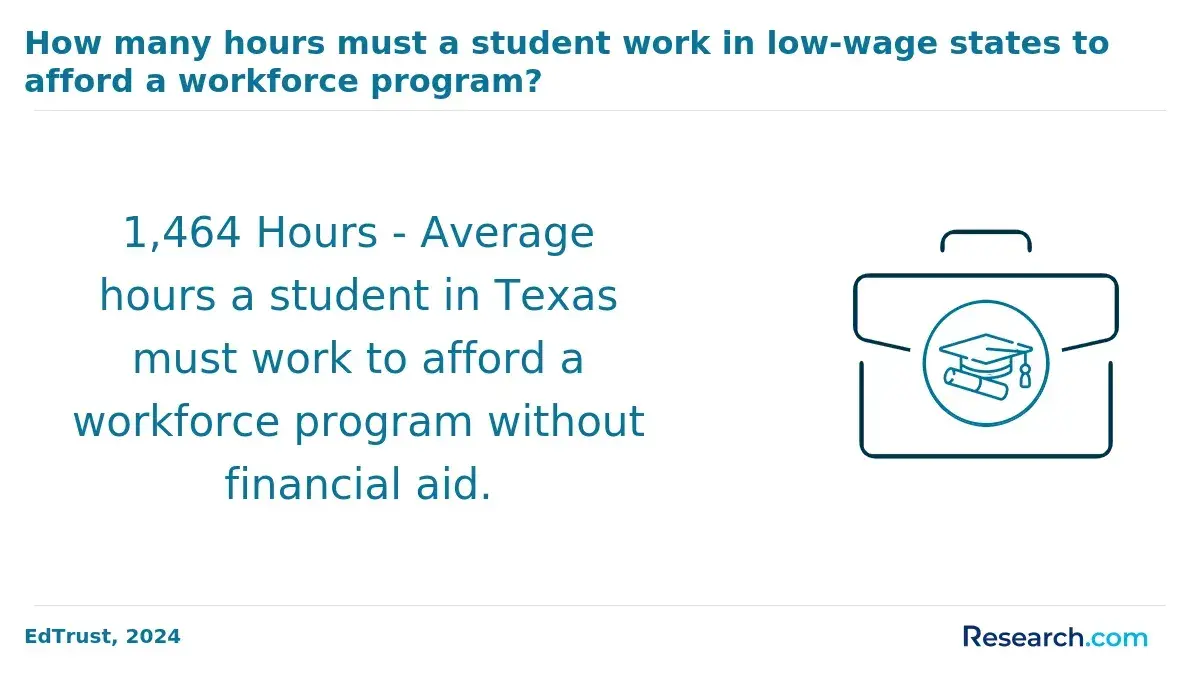
The biggest cost drivers are not always obvious on a tuition page. A program with a lower per-credit rate can become more expensive if it requires more credits, extended dissertation enrollment, travel, or extra courses that do not apply to the degree.
The table below explains the features that most directly affect total cost and how to interpret them when comparing programs.
| Feature | Why it affects cost | What to verify before enrolling |
| Required credits | More credits usually mean more tuition and more time in school | Minimum credits after transcript evaluation |
| Transfer-credit policy | Accepted master's or post-master's credits can lower total tuition | Maximum transferable credits and which courses qualify |
| Residency requirement | Campus visits may add travel, lodging, meals, and time away from work | Number, location, length, and timing of residencies |
| Dissertation or capstone structure | Long projects may require continuation credits or extra terms | Average completion timeline and continuation fees |
| Enrollment pace | Part-time study can preserve income but may extend fees and interest accrual | Minimum enrollment needed for aid and employer benefits |
| Technology and online fees | Flat or per-credit fees can add up across the program | All mandatory fees by term and credit hour |
| Licensure or endorsement components | Additional requirements may be useful but can increase credits | Whether licensure is included, optional, or unavailable |
Students interested in a shorter completion path should be careful not to equate speed with affordability. Some 1 year EdD programs online may work well for students with substantial transferable graduate credit, but accelerated pacing can be difficult for working educators and may not reduce cost if tuition is charged as a package.
A common mistake is ignoring dissertation support. Strong advising, clear milestones, research-methods preparation, and realistic project expectations can prevent costly extra terms.
How Can Students Reduce Borrowing While Earning an Online Early Childhood Education Doctorate?
Reducing borrowing requires planning before enrollment, not after the first tuition bill arrives. The goal is to lower net cost, preserve income, avoid unnecessary credits, and use loans only for the gap that remains after non-repayable aid.
The following sequence helps students make cost decisions in the right order:
- Request a transcript review before committing so you know how many credits you actually need.
- Calculate total tuition using required credits, fees, residencies, books, and expected dissertation terms.
- Apply for institutional aid, employer tuition assistance, and outside scholarships before accepting loans.
- Use a payment plan for smaller balances if it avoids interest-bearing debt.
- Enroll at a pace that preserves employer benefits, financial aid eligibility, and your ability to finish on time.
- Choose a dissertation or capstone topic connected to your workplace so data access and project support are easier.
- Borrow only what you need for the academic term, not automatically the full amount offered.
Part-time enrollment can reduce financial strain because students keep working, but it is not always cheaper. If part-time study adds extra years of fees or delays a promotion, the lower monthly pressure may come with a higher long-term cost.
Students should also avoid changing programs late unless the financial benefit is clear. Lost credits, repeated methods courses, and new residency requirements can erase the savings of transferring to a cheaper school.
Does Paying Less for an Online Early Childhood Education Doctorate Affect Career Outcomes?
Paying less does not automatically reduce career value, but choosing on price alone can. Employers and universities generally care more about institutional accreditation, program relevance, leadership experience, research quality, professional network, and evidence of impact than whether a student chose the most expensive option.
For career planning, students should compare the doctorate to the role they actually want. BLS May 2024 data reports a median annual wage of $54,290 for preschool and childcare center directors, which means a high-cost doctorate may be harder to justify if the goal is only to remain in center-level administration. The financial case becomes stronger when the degree supports advancement into district leadership, higher education, policy, consulting, research, program evaluation, or senior nonprofit roles.
Affordable programs can produce strong outcomes when they include the right features:
- Regional institutional accreditation and a clear doctoral-level curriculum
- Faculty expertise in early childhood education, child development, leadership, or policy
- Research or applied project opportunities tied to real early learning problems
- Strong advising through the dissertation or capstone stage
- Flexible scheduling that allows students to keep earning while enrolled
- Career relevance for the student's target role, not just a broad education label
Students who want broader curriculum, learning design, or corporate training roles may find that a doctorate is not the only option. For some professionals, the best online instructional design master's programs can offer a shorter and less expensive route into learning design, educational technology, or training roles.
The main takeaway is that ROI depends on fit. A low-cost doctorate from an accredited school with strong faculty alignment can be a better investment than a higher-cost program that does not match your career path.
Which Online Early Childhood Education Doctorate Programs Offer the Best Combination of Cost, Financial Aid, and Flexibility?
The best-value program depends on the student's career goal, employer support, transfer credits, schedule, and appetite for research. Instead of looking for one universal "cheapest" program, compare programs by value profile.
The table below helps match common student situations with the type of online doctorate that may offer the best balance of affordability, funding, and flexibility.
| Student situation | Best-value program profile | Why it may be the better fit | What to avoid |
| Full-time educator who wants leadership advancement | Online EdD in educational leadership or teacher leadership with early childhood focus | Connects doctoral work to current job responsibilities and employer reimbursement | Programs with frequent weekday residencies or rigid daytime requirements |
| Childcare director or early learning administrator | Practice-focused EdD with applied dissertation or capstone | Allows research on quality improvement, staff development, family engagement, or compliance | High-cost programs that do not support applied workplace research |
| Teacher or coach focused on curriculum | Online EdD in curriculum and instruction with early childhood coursework | Aligns with instructional design, assessment, coaching, and early literacy improvement | Programs with no faculty expertise in early childhood learning |
| Student seeking faculty or research-intensive work | PhD or research-heavy EdD with strong methods training | Better preparation for scholarship, research design, and postsecondary teaching | Programs that minimize research requirements too much for the target career |
| Student with strong employer support | Program paced to maximize annual tuition assistance | Spreads cost across benefit years and reduces loan dependence | Accelerated formats that exceed the employer's annual benefit cap |
| Student minimizing debt above all | Public or lower-cost nonprofit online doctorate with transfer credits and few residencies | Reduces tuition, travel, and opportunity cost | Programs with unclear fees, weak advising, or poor completion support |
A good value program should make it easy to answer three questions: how much will I pay, how will I fund it, and how does the curriculum support my next career move? If a school cannot provide clear answers, keep comparing.
How Should Students Compare Low-Cost Online Early Childhood Education Doctorate Programs?
Students should compare programs using a decision framework that weighs affordability, quality, flexibility, and career alignment together. A cheap program that lacks accreditation, advising, or faculty fit can become expensive if it delays completion or does not support the intended outcome.
Use this step-by-step process before applying or accepting an offer:
- Confirm regional institutional accreditation and whether the program has any relevant education accreditation or professional recognition.
- Identify the exact degree name, specialization, required credits, and whether the program is an EdD or PhD.
- Request a total-cost estimate after transfer-credit review, including tuition, fees, residencies, and dissertation or capstone enrollment.
- Ask for financial aid details in writing, including scholarship renewal rules and loan eligibility.
- Compare faculty expertise with your intended research or applied project topic.
- Review course schedules, synchronous requirements, and workload expectations for working adults.
- Ask about completion support, dissertation milestones, advising frequency, and average time-to-completion ranges if the school publishes them.
- Evaluate career services, alumni outcomes, and whether graduates move into roles similar to your goal.
- Check whether the program prepares for any licensure or endorsement you need, and verify state rules independently.
Licensure-related programs require extra caution because early childhood education, administration, special education, and school psychology requirements vary by state. Students comparing related pupil-services pathways should separately review school psychology programs online accredited by NASP, since NASP alignment applies to school psychology and should not be assumed for early childhood education doctorates.
The strongest choice is usually the program that you can finish without excessive debt, that has credible accreditation and faculty fit, and that supports a clearly defined career move. If two programs appear similar, choose the one with better written cost transparency and stronger dissertation or capstone support.
Other Things You Should Know About Early Childhood Education
Yes. Many online EdD and PhD programs require a dissertation or applied capstone plus limited on-campus residencies, often 1–3 short visits. Some programs also require IRB approval, a proposal defense, and completion of 60–90 doctoral credits before the final project is accepted.
An EdD is usually better for practitioners who want to lead programs, improve systems, or apply research in schools and organizations. A PhD is usually better for students focused on academic research, theory, publishing, or tenure-track faculty roles.
It can support college teaching opportunities, especially in teacher education or early childhood programs, but requirements vary by institution. Full-time tenure-track roles often prefer strong research preparation, publications, teaching experience, and a degree aligned with the department's needs.
Usually not. Most online doctorates are advanced professional or research degrees, not initial teacher licensure programs. Students who need licensure should verify state requirements and confirm in writing whether the program meets them.
References
- Financial Aid: Child Development Degree | Erikson Institute https://www.erikson.edu/admissions/financial-aid-tuition/
- Talent Studies: Investing in employee education benefits everyone https://www.luminafoundation.org/our-work/talent-investments/
- Why More Employers Are Expanding Tuition Benefits to Support Workforce Growth https://www.calmu.edu/why-more-employers-are-expanding-tuition-benefits-to-support-workforce-growth
- Cheapest Online Master's Degree In Early Childhood Education https://www.affordablecollegesonline.org/degrees/best-online-masters-in-early-childhood-education/
- The Best Ed.D. in Early Childhood Education Programs of 2025 https://www.eddprograms.org/schools/early-childhood-education/
- Tuition Reimbursement Programs [A Guide for HR and Employers] https://compt.io/blog/employee-tuition-reimbursement/
- 2025 Most Affordable Online Doctorates in Education https://www.onlineu.com/most-affordable-colleges/education-doctoral-degrees
- Tuition Assistance – What Students Want and What Institutions Can Do https://www.encoura.org/resources/wake-up-call/tuition-assistance-what-students-want-and-what-institutions-can-do/
- How To Take Advantage Of Your Job's Education Benefits https://www.learnhowtobecome.org/career-resource-center/employer-benefits-nontraditional-student/
- Online Ed.D. in Early Childhood Education | Doctorate in ECE Online https://www.pacificoaks.edu/academic-programs/edd-in-early-childhood-education/