2027 Cheapest Accredited Online Biomimicry Degree Programs That Accept FAFSA

Co-Founder and Chief Data Scientist
Finding an affordable online biomimicry degree is harder than searching for a typical online major because dedicated programs are rare and financial aid rules vary by student and school. The stakes are real: the maximum federal Pell Grant was $7,395 for the 2024-25 award year, which can materially reduce undergraduate costs but does not automatically make every program affordable.
This guide is for students comparing accredited online biomimicry or nature-inspired design pathways, FAFSA eligibility, total cost, transfer savings, and career return before enrolling.
Key Things You Should Know
- The dedicated U.S. online biomimicry degree market is very small; Arizona State University's online Master of Science in Biomimicry is the clearest accredited, degree-granting option commonly associated with federal student aid participation.
- FAFSA access does not mean free tuition: undergraduate Pell eligibility can reach up to $7,395 in the 2024-25 award year, while graduate students generally rely more on Direct Unsubsidized Loans, scholarships, employer support, or savings.
- The cheapest choice is the program with the lowest verified net cost after aid, transfer credit, fees, time to completion, and borrowing-not necessarily the program with the lowest advertised tuition rate.
Which Are the Cheapest Accredited Online Biomimicry Degree Programs That Accept FAFSA?
The most accurate answer is that there are very few dedicated online biomimicry degrees in the U.S. that are both accredited and connected to federal student aid. Biomimicry is often taught inside biology, sustainability, engineering, industrial design, architecture, environmental science, or innovation programs rather than as a standalone major.
The table below separates a true biomimicry degree from adjacent online pathways. This matters because FAFSA eligibility usually attaches to an eligible institution and eligible degree program, while certificates, noncredit training, and standalone continuing education courses may not qualify for the same aid:
| Option | Credential type | Online availability | Accreditation and aid status to verify | Cost-value takeaway |
| Arizona State University Online, Master of Science in Biomimicry | Graduate degree focused specifically on biomimicry | Online format commonly listed for working adults | ASU is institutionally accredited by the Higher Learning Commission; students should confirm the specific program's current federal aid eligibility with ASU Financial Aid before enrolling | Best fit for students who specifically want a biomimicry-branded graduate credential and can manage graduate-level costs |
| Online environmental science, biology, sustainability, or engineering degree with biomimicry coursework | Adjacent undergraduate or graduate degree | Commonly available online depending on school | Must verify institutional accreditation, FAFSA participation, and whether biomimicry courses count toward the degree | Often a cheaper route for students who need a broader science or sustainability credential with biomimicry as a focus area |
| Online design, innovation, architecture, or product development degree with nature-inspired design projects | Adjacent design-focused degree | Available at some nonprofit and public institutions | Must verify institutional accreditation and whether the program is Title IV eligible | May offer stronger portfolio value for design careers, but it is not the same as a dedicated biomimicry degree |
Because the dedicated program list is narrow, students should avoid rankings that imply there are dozens of accredited online biomimicry degrees with identical aid access. A practical shortlist should include one dedicated biomimicry degree plus a few adjacent, FAFSA-eligible degrees that let you build biomimicry skills through electives, research, capstones, or design studios.
For affordability, public universities are often worth checking first, but institution type alone does not determine value. A private nonprofit school with strong scholarships or generous transfer policies can sometimes cost less out of pocket than a public program with fewer aid options.
How Does FAFSA Eligibility Work for Online Biomimicry Degree Programs?
FAFSA eligibility starts with the Free Application for Federal Student Aid, but the application itself is only one part of the process. To receive federal aid, the student must meet federal eligibility rules, the school must participate in Title IV federal aid programs, and the student must enroll in an eligible degree or certificate program.
For online biomimicry programs, the key issue is that "online" and "FAFSA-eligible" are not automatically linked. A university may participate in federal aid, but a specific nondegree certificate, professional workshop, or continuing education sequence may not qualify.
Use this verification sequence before treating any online biomimicry program as affordable:
- Confirm the school's institutional accreditation through the U.S. Department of Education-recognized accreditor listed by the institution.
- Check that the school has a federal school code and participates in Title IV aid programs.
- Ask whether the exact biomimicry program is an eligible degree program for federal aid purposes.
- Ask whether your enrollment status, such as part-time, half-time, or full-time, changes your aid eligibility.
- Request a written cost of attendance and financial aid estimate before accepting admission.
This same distinction matters in other online career programs too. For example, students comparing online schools for medical billing and coding also need to confirm whether the specific credential is aid-eligible rather than assuming every online option qualifies.
A common mistake is confusing FAFSA acceptance with grant eligibility. Graduate biomimicry students generally do not receive Pell Grants, so their federal aid package may be loan-heavy unless the school, employer, or outside scholarship provider contributes additional funding.
How Much Does an Online Biomimicry Degree Cost After Financial Aid?
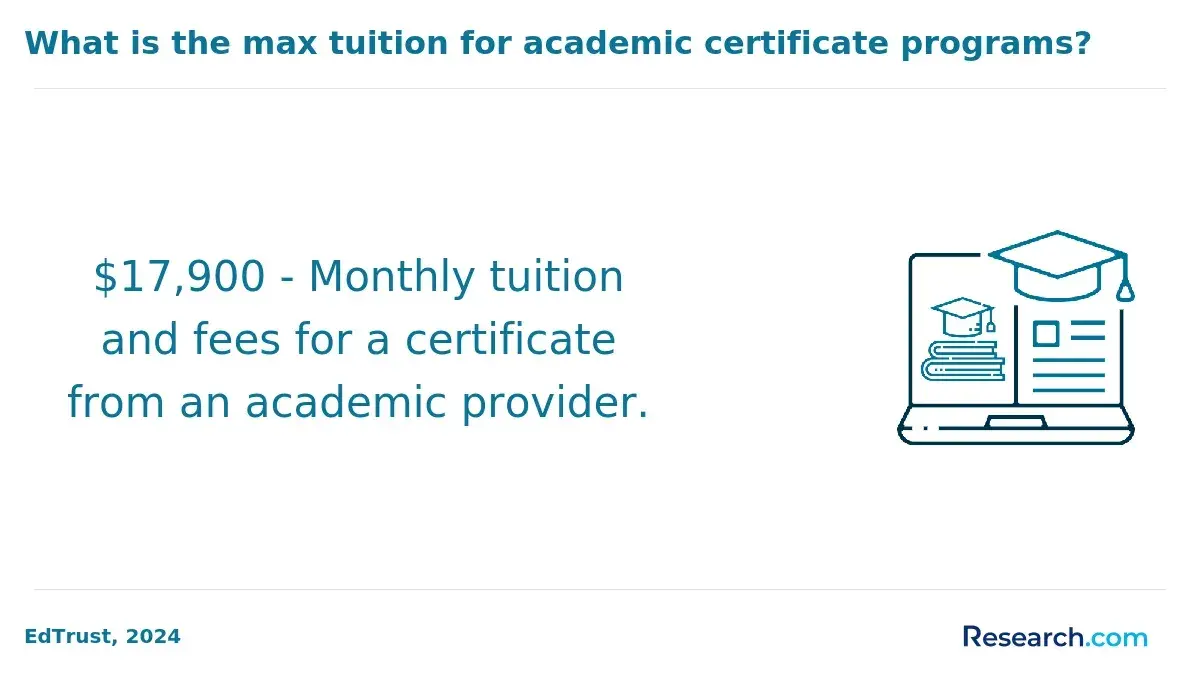
The real cost of an online biomimicry degree is the total cost of completion minus grants, scholarships, tuition assistance, and credits already earned. Published tuition is only a starting point because online programs can also include technology fees, graduate fees, books, software, design materials, residency expenses, and portfolio or project costs.
The most useful way to compare cost is to calculate a personal net price. The formula is simple: total program cost minus gift aid and tuition assistance equals estimated out-of-pocket cost before loans.
These are the major cost items students should request from each school in writing:
- Tuition per credit and the total credits required for the degree.
- Mandatory online, technology, graduate, program, or student service fees.
- Books, software, materials, lab kits, design tools, or project expenses.
- Any campus visit, field experience, intensive, or residency requirement.
- Estimated cost if you attend part time and need additional terms to finish.
- Net price after grants, scholarships, tuition waivers, employer assistance, and transfer credits.
Federal aid can reduce immediate out-of-pocket cost, but loans still have to be repaid. For the 2024-25 aid year, the annual Direct Unsubsidized Loan limit for many graduate and professional students was $20,500. That can cover a large share of tuition in some programs, but using the full amount every year can create debt that may be difficult to justify if the degree does not connect clearly to your career plan.
Students should also compare biomimicry costs with broader online science and health programs because degree structure can change affordability. A shorter, well-sequenced program may reduce living costs and opportunity cost even when its per-credit tuition is not the lowest.
Which Affordable Online Biomimicry Degree Programs Offer the Best Value?
The best-value online biomimicry pathway is usually not the lowest sticker price. It is the program that gives you the strongest combination of accredited coursework, applied projects, faculty fit, transfer flexibility, financial aid, and career relevance for the least debt.
The table below shows how to compare a dedicated biomimicry degree with adjacent low-cost pathways. This helps students decide when to pay for a specialized credential and when a broader degree with biomimicry-related coursework may be the better financial decision:
| Student goal | Best-value pathway | Why it may be affordable | When to be cautious |
| Become a biomimicry consultant, sustainability strategist, or nature-inspired innovation specialist | Dedicated online biomimicry master's degree | Brand alignment and specialized portfolio may support niche consulting or innovation roles | Graduate aid may rely heavily on loans, so compare debt against realistic career earnings |
| Work in environmental science, conservation, or sustainability analysis | Online environmental science, biology, or sustainability degree with biomimicry electives | More program choices can create better tuition, transfer, and scholarship options | The diploma may not say biomimicry, so you need projects or a portfolio to show specialization |
| Move into product design, architecture, materials, or human-centered design | Online design or engineering-adjacent degree with biomimicry capstones | Career portfolio may matter more than the exact major title | Some design careers may require software, studio tools, or in-person experiences that add cost |
| Explore biomimicry without committing to a full degree | Accredited degree in a broader field plus lower-cost electives, certificates, or professional learning | Limits risk if you are still testing career fit | Nondegree courses may not qualify for federal aid |
A more expensive program can be worth choosing if it accepts more transfer credits, has stronger faculty in your target area, offers employer-recognized projects, or helps you complete faster. Conversely, the cheapest program may be a poor value if it has limited course availability, unclear career outcomes, or weak support for online learners.
Students evaluating biomimicry alongside other applied science paths can learn from how structured programs manage pace and sequencing. For example, a nutrition online degree may look affordable only after you consider prerequisites, supervised experiences, transfer credits, and completion time-the same kind of total-cost thinking applies here.
Are the Cheapest Online Biomimicry Degree Programs Properly Accredited?
Accreditation is the first nonnegotiable filter for any cheap online biomimicry degree. Institutional accreditation means a recognized accreditor has reviewed the school's academic quality, governance, student support, and financial stability. It also affects federal aid access, transfer credit, graduate admission, and employer confidence.
For biomimicry, specialized programmatic accreditation is not usually the deciding factor because biomimicry is interdisciplinary and does not have a single U.S. licensure pathway like nursing, pharmacy, or teaching. Instead, students should focus on institutional accreditation, program legitimacy, curriculum fit, and whether the credential is a real degree rather than a noncredit training product.
Use these red-flag checks before enrolling in a low-cost online biomimicry program:
- The school does not clearly name its institutional accreditor or lists an accreditor not recognized by the U.S. Department of Education.
- The program page advertises "FAFSA accepted" but cannot confirm that the specific biomimicry credential is aid-eligible.
- The school emphasizes speed and low monthly payments more than curriculum, faculty, outcomes, and student support.
- Credits are unlikely to transfer because the institution lacks recognized accreditation.
- The program is a certificate or professional course marketed like a degree.
Accreditation should be verified directly through the school, the accreditor, and federal databases when possible. If a program is extremely cheap but not accredited, the short-term savings may be outweighed by lost transferability, limited employer recognition, and ineligibility for federal student aid.
What FAFSA Grants and Federal Aid Can Pay for an Online Biomimicry Degree?
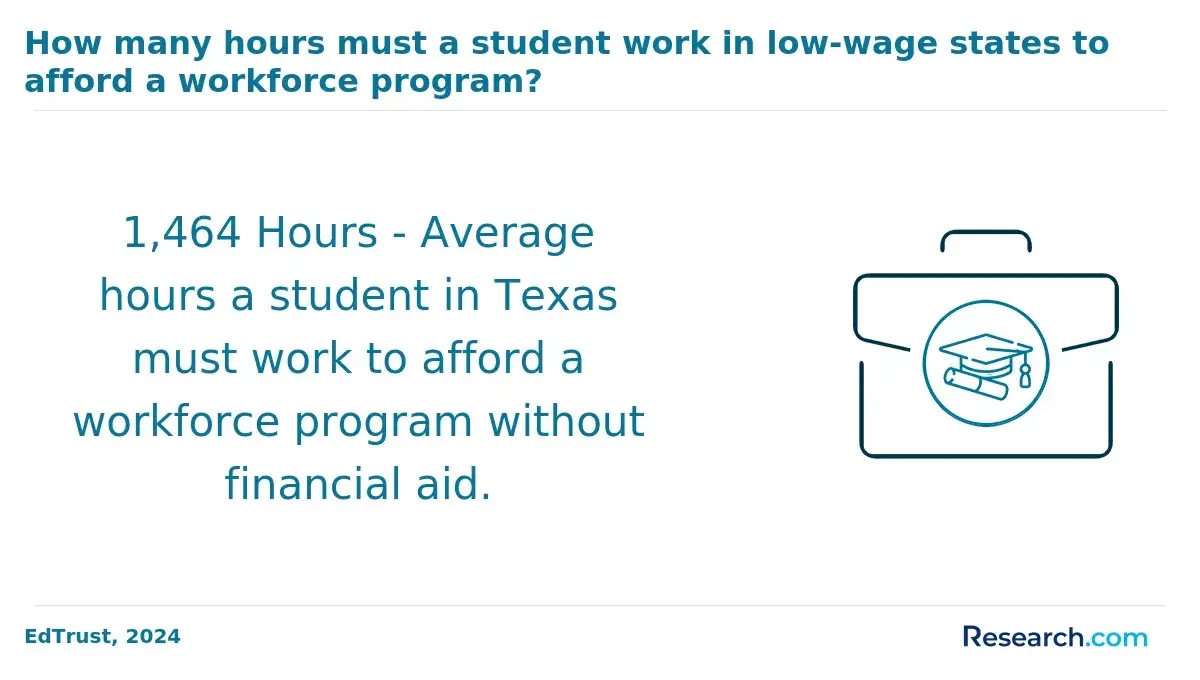
Federal aid can help pay for eligible online biomimicry programs, but the type of aid depends heavily on degree level. Undergraduate students may qualify for grants, subsidized loans, unsubsidized loans, and work-study.
Graduate students usually have fewer grant options and often rely on unsubsidized loans, Graduate PLUS Loans, institutional scholarships, assistantships, or employer tuition benefits.
The table below summarizes the main federal aid categories and how they typically apply to an online biomimicry degree. Students should use it as a planning tool, not a guarantee, because award amounts depend on federal rules, enrollment intensity, cost of attendance, and individual eligibility:
| Aid type | Usually available for undergraduate students? | Usually available for graduate students? | How it affects affordability |
| Federal Pell Grant | Yes, for eligible students | No, in most cases | Reduces cost without repayment, making it especially valuable for undergraduate pathways |
| Federal Direct Subsidized Loan | Yes, for eligible undergraduate students with financial need | No | Can lower interest cost while enrolled compared with unsubsidized borrowing |
| Federal Direct Unsubsidized Loan | Yes | Yes | Expands access but increases debt because interest is the student's responsibility |
| Graduate PLUS Loan | No | Yes, subject to eligibility rules | Can cover remaining cost but may significantly increase repayment burden |
| Federal Work-Study | Sometimes | Sometimes | Can reduce borrowing if the school offers suitable positions for online students |
Students should also look beyond federal aid. Biomimicry intersects with sustainability, design, biology, architecture, engineering, climate adaptation, and product innovation, so scholarships may come from environmental organizations, design associations, employers, and local foundations.
Professional programs in other fields show why federal aid should be compared carefully with career outcomes and credential requirements. Students researching online pharmacy schools, for instance, face different licensure and clinical requirements, but they still need to weigh aid access against total borrowing and long-term return.
How Do Transfer Credits Lower the Cost of an Online Biomimicry Degree?
Transfer credits can be one of the fastest ways to lower the cost of an online biomimicry degree, especially if you are choosing a broader undergraduate pathway in biology, environmental science, sustainability, engineering, or design. Every accepted credit can reduce the number of courses you must pay for, although graduate biomimicry programs may limit transfer credits more strictly.
The financial impact depends on the school's policy, residency requirement, course equivalency rules, and grade minimums. A higher-tuition school that accepts many credits may cost less overall than a lower-tuition school that requires you to retake similar coursework.
Before enrolling, ask admissions and the registrar these transfer-credit questions:
- How many credits can transfer into this exact degree program?
- Is there a maximum age limit for science, design, math, or technical coursework?
- Will transfer credits apply to major requirements, electives, or only general education?
- How many credits must be completed at the institution to graduate?
- Can prior graduate coursework, military training, professional certifications, or portfolio learning reduce requirements?
- Will accepted transfer credits change my financial aid package or enrollment status?
The biggest mistake is comparing tuition per credit without comparing credits remaining. A student who transfers 60 credits into an undergraduate environmental science program may save far more than a student who chooses a cheaper per-credit program but starts nearly from scratch.
Which Students Benefit Most From a Low-Cost Online Biomimicry Degree With FAFSA?
A low-cost FAFSA-eligible online biomimicry degree is most useful for students who already have a clear reason to study nature-inspired design and can connect the credential to a realistic career path.
The best candidates are often working adults in sustainability, product design, architecture, biology, engineering, education, environmental consulting, or innovation roles who need flexibility and want to apply biomimicry to current or future projects.
The table below shows which students are most likely to benefit and which should slow down before choosing primarily on price:
| Student type | Why a low-cost online biomimicry pathway may fit | Main caution |
| Working professionals in sustainability, design, engineering, or environmental fields | They can apply coursework directly to current projects and may access employer tuition support | They should confirm the degree improves promotion, consulting, or specialization opportunities |
| Students seeking an interdisciplinary graduate credential | Biomimicry can combine biology, systems thinking, design, and innovation | Graduate federal aid may be loan-based, so debt limits matter |
| Undergraduates still exploring career direction | A broader FAFSA-eligible science or design degree may preserve flexibility while adding biomimicry electives | A narrow credential too early may limit options if career goals change |
| Career changers without science or design background | Online study can provide access while they keep working | They may need prerequisites, portfolio development, or additional technical training |
Students should avoid choosing a biomimicry degree only because it sounds future-focused. Employers may care more about demonstrated skills: systems thinking, research, prototyping, data analysis, sustainability reporting, design software, communication, and the ability to translate biological strategies into practical solutions.
For students comparing mission-driven online degrees, it can help to look at how other applied fields connect education to job functions. A healthcare management degree, for example, is usually evaluated against management roles and organizational outcomes; biomimicry should be evaluated just as concretely against the work you want to do.
How Does the Cost of an Online Biomimicry Degree Affect Career ROI?
Career ROI depends on how much you pay, how much you borrow, how quickly you finish, and whether the degree helps you qualify for better work. Biomimicry is not a single licensed occupation, so ROI varies more than it would in fields with standardized credentials and salary ladders.
Many biomimicry-related roles sit near environmental science, sustainability, design, engineering, product development, architecture, education, and consulting. According to the U.S. Bureau of Labor Statistics, environmental scientists and specialists had a median annual wage of $80,060 in May 2024. That figure does not represent biomimicry graduates specifically, but it gives students a grounded benchmark for one adjacent labor market.
Use this ROI checklist before borrowing for an online biomimicry degree:
- Identify three realistic job titles you would pursue after graduation.
- Compare each job's typical education requirement with the degree level you are considering.
- Check whether employers ask for a biomimicry credential, a broader science/design degree, or a portfolio.
- Estimate total debt at graduation, including interest that may accrue while enrolled.
- Compare monthly loan payments with conservative salary expectations, not best-case consulting income.
- Ask the program for examples of student projects, employer partnerships, alumni paths, and career support.
A more expensive program may produce better ROI if it helps you build a stronger portfolio, access relevant professional networks, or complete a career-changing capstone. But if the same outcome can be achieved through a lower-cost accredited environmental science, design, or sustainability pathway, the cheaper option may be financially smarter.
The ROI lesson applies across online career education. Students considering an MA to LPN bridge program often compare tuition against a defined licensure outcome; biomimicry students need to create that same outcome map even though the field is less standardized.
How Should Students Choose the Cheapest FAFSA-Eligible Online Biomimicry Degree?
The right program is the cheapest accredited option that still supports your academic level, financial aid needs, career goal, and preferred learning format. Because dedicated online biomimicry degrees are limited, students should compare both specialized programs and adjacent degrees that allow meaningful biomimicry work.
Follow this decision process before committing:
- Define your goal first: consulting, sustainability, product design, environmental science, education, architecture, research, or entrepreneurship.
- Decide whether you need the word "biomimicry" on the degree or whether a broader accredited degree with biomimicry projects will work.
- Verify institutional accreditation and federal aid participation before comparing tuition.
- Ask for a total program cost estimate, not just per-credit tuition.
- Compare gift aid, loans, employer assistance, and scholarship opportunities separately.
- Calculate how many credits you still need after transfer evaluation.
- Check online format details, including synchronous sessions, project requirements, software, fieldwork, and any campus visits.
- Review faculty expertise, student work, career support, and alumni outcomes.
- Estimate total borrowing and monthly repayment before accepting loans.
- Choose the program that offers the best net cost-to-outcome match, not simply the lowest advertised price.
Students should also ask schools direct questions that reveal hidden cost and support differences. Useful questions include whether online students qualify for the same scholarships as campus students, whether aid changes during summer terms, whether part-time enrollment affects disbursement, and whether required courses are offered often enough to graduate on time.
Other Things You Should Know About Biomimicry
Yes. Some students take online biomimicry courses, certificates, workshops, or electives before committing to a degree. The trade-off is that nondegree options may not qualify for federal financial aid and may carry less weight with employers than an accredited degree plus a strong portfolio.
Not always, but a background in biology, ecology, design, engineering, sustainability, or environmental science can help. Applicants without that preparation should ask whether prerequisites, foundation courses, or portfolio materials are required.
Biomimicry itself is not a standardized licensed profession in the U.S. However, related careers may involve licensure or professional requirements, such as architecture, engineering, teaching, or certain environmental roles. Always check the requirements for the job title and state where you plan to work.
A strong portfolio can include nature-inspired design concepts, sustainability analyses, prototypes, research summaries, systems maps, case studies, and capstone projects. Employers and clients often want to see how you move from biological insight to practical solution.
References
- Biomimicry Professional Program - Biomimicry 3.8 https://biomimicry.net/what-we-do/professional-training/b-professional-certification/
- Financial Aid - Euphoria Institute https://euphoriainstitute.com/financial-aid/
- The Top Biomimicry Courses and Certificates of 2026 https://www.learnbiomimicry.com/blog/top-biomimicry-courses
- Learn Biomimicry, the global education platform for nature-inspired innovation https://asteria.life/post/learn-biomimicry-the-global-education-platform-transforming-innovation-through-nature-inspired-strategies
- Free Application for Federal Student Aid (FAFSA) | USAGov https://www.usa.gov/fafsa
- Accredited programs — Biomimicry New England https://www.biomimicryne.org/accredited
- Federal Direct Loans Program https://www.sciencespo.fr/students/en/fees-funding/bursaries-financial-aid/federal-direct-loans-program/
- What is a Biomimicry Degree & Where Can You Get One? - NatuR&D https://naturnd.com/updates/what-is-a-biomimicry-degree-where-can-you-get-one/
- Applying for Financial Aid - Office of Financial Aid - Biola University https://www.biola.edu/financial-aid/process/apply
- 2025 Most Affordable Online Master's Programs https://www.onlineu.com/most-affordable-colleges/masters-degrees