
Careers After an Online MBA in Organizational Change for Nonbusiness Bachelor's Graduates

Co-Founder and Chief Data Scientist
A nonbusiness degree can be an asset in organizational change: educators understand learning, clinicians understand care delivery, and engineers understand complex systems. Moving from that expertise into change leadership, however, usually requires business knowledge and evidence that you can guide people through implementation.
This article explains which careers an online MBA in organizational change may support, where prior experience matters more than the degree, and how to assess programs, costs, and alternatives before enrolling.
Key Things You Should Know
- The most accessible path is often a change-focused role in an industry you already know; an MBA alone rarely qualifies someone to lead major transformations.
- Nonbusiness graduates can pursue MBA admission, but they should check for foundation coursework and assess their readiness for accounting, finance, and quantitative analysis.
- The U.S. median annual wage for management occupations was $126,520 in May 2025, according to the Bureau of Labor Statistics; it is not a salary estimate for organizational change MBA graduates.
What careers can you pursue after an online MBA in organizational change?
An organizational change MBA combines broad business management study with coursework on helping organizations adopt new processes, structures, or technologies. The most realistic career move depends on the work you have already done. A teacher who has led curriculum rollouts, for example, may have a stronger case for a training or change-adoption role than for an unrelated corporate strategy position.
The table distinguishes plausible pathways from titles that commonly require more experience. Job titles vary substantially among employers.
| Career path | Typical work | Relevant prior experience | Key hiring consideration |
| Change management specialist or analyst | Assess stakeholder needs, plan communications, and track adoption | Process improvement, training, communications, or project coordination | Employers may expect evidence of implemented changes, not coursework alone |
| Learning and development manager | Lead employee training and capability-building efforts | Teaching, instructional design, or workplace training | Management roles generally require relevant professional experience |
| Project or program manager | Coordinate budgets, teams, risks, and implementation milestones | Project delivery in the applicant's existing field | Project leadership experience may matter more than the concentration name |
| Management consultant | Diagnose organizational problems and recommend improvements | Industry expertise, analysis, and client-facing work | Consulting firms differ widely in recruiting requirements |
Professionals with substantial leadership experience may eventually pursue transformation director or similar senior roles. Those positions are typically a progression from successful project and people leadership, not an immediate post-MBA outcome. Military veterans can also translate experience leading operational transitions into civilian examples, while checking how an employer describes its required industry experience. Veterans comparing study options can review online MBA programs options and veterans alongside each school's current benefit and support policies.
Can nonbusiness majors earn an online MBA in organizational change?
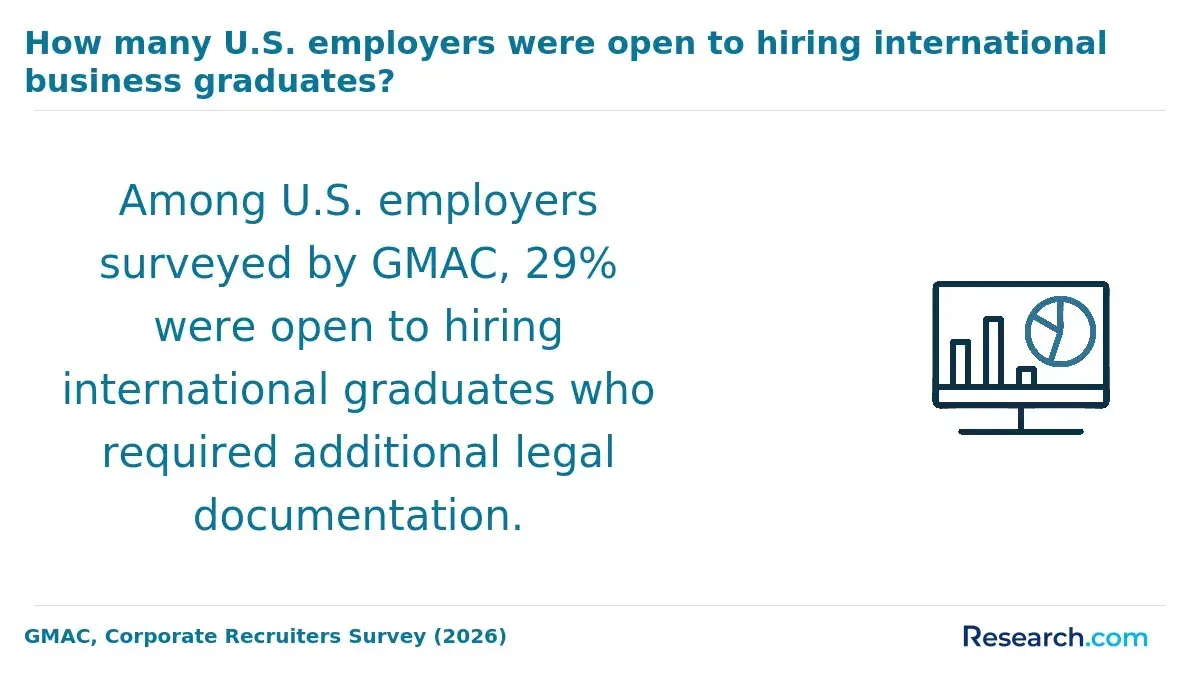
Yes. A nonbusiness bachelor's degree does not, by itself, rule out an MBA. Schools set their own admissions and prerequisite policies, and programs differ in whether they offer introductory business coursework. A psychology graduate may already bring useful knowledge of behavior and research methods; a nurse may understand implementation challenges in healthcare. Neither background automatically supplies managerial accounting or corporate finance preparation.
That distinction matters for career planning as well as admission. Staying in a familiar industry can let you combine disciplinary expertise with new management skills. Switching both industry and function is harder: an MBA may help build a foundation, but projects, networking, and relevant work experience become especially important.
What skills does an organizational change MBA develop?
The MBA core generally develops financial decision-making, organizational behavior, strategy, operations, and analysis. Change-focused study may add stakeholder analysis, communication planning, organizational diagnosis, and methods for assessing whether an initiative is being adopted. Course titles and depth vary by school.
The combination is useful because change leaders must explain both why a proposal makes business sense and how people will carry it out. A graduate might learn to connect a proposed workflow change to costs and performance measures, then plan training and feedback. Coursework can develop that judgment, but it cannot replace the experience of handling resistance, competing priorities, and accountability in a real organization.
Expect a general MBA core before, or alongside, change-related electives or a formal concentration. Core subjects commonly include accounting, finance, marketing, operations, and strategy. Depending on the program, relevant specialized courses may address change leadership, organizational development, negotiation, workforce development, or implementation.
Do not assume a school offers a formally designated organizational change concentration because it lists one relevant elective. Compare the published degree requirements: how many change-focused courses are required, whether you can complete them online, and whether a capstone or employer-based project lets you demonstrate applied work. An MBA offers broad management education; a specialized organizational development master's may be a better fit if you want deeper study of that discipline without the full business core.
Requirements are school-specific. Applicants commonly encounter requests for transcripts, a résumé, and a statement of goals; policies on work experience, recommendations, interviews, and GMAT or GRE scores vary. Some schools require foundation courses, while others build introductory material into the degree. A nonbusiness major should not assume either an automatic exemption or an automatic prerequisite.
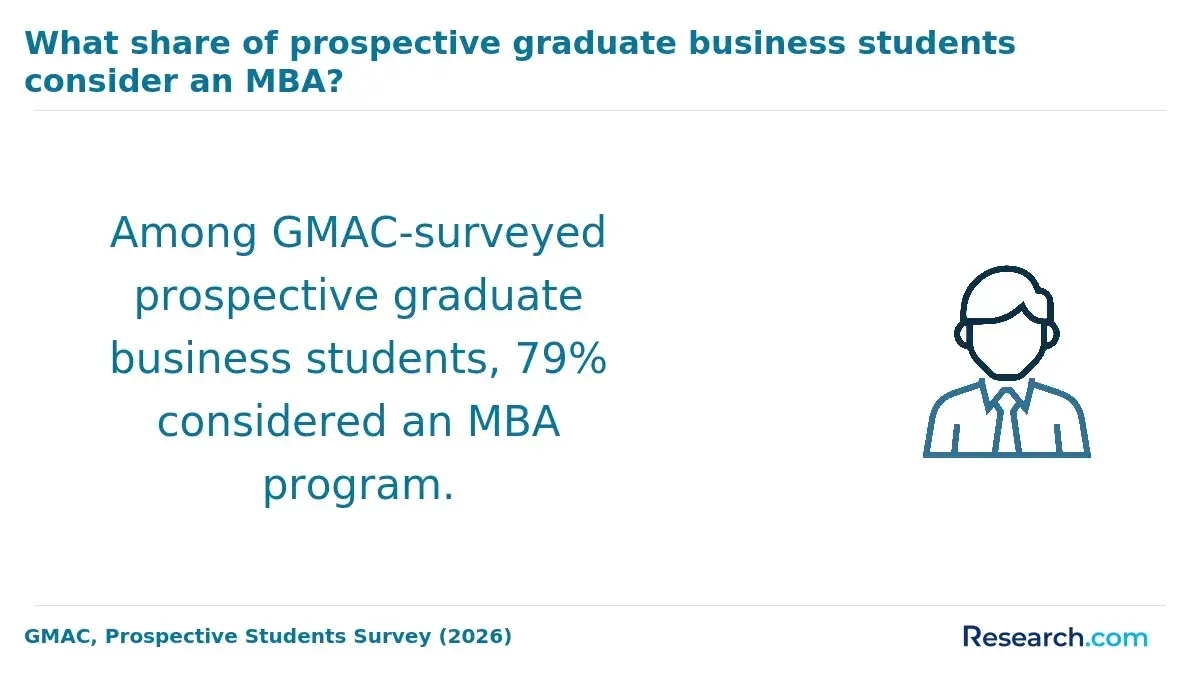
Before applying, ask admissions staff whether your prior quantitative coursework meets preparation expectations and whether any foundation classes add time or cost. Applicants early in their careers can compare online MBA programs without work experience requirements, then verify each school's current policy. Admission without experience is different from being competitive for a management job after graduation.
Completion time depends on the required credits, course sequence, enrollment pace, and any foundation work. A program's advertised fastest finish may assume continuous enrollment and a demanding course load. Ask whether change-focused courses run every term; infrequent electives can delay completion even when the MBA core is available regularly.
Online delivery does not necessarily mean study on your own schedule. Check live-session times, group-project expectations, residencies, and policies for taking a term off. When comparing online MBA programs, use the pace you can sustain while working, rather than the shortest advertised timeline.
There is no reliable single price for this type of degree. Compare each school's total required credits against its tuition basis, then add mandatory fees, materials, possible foundation courses, and any required travel. A tuition figure presented per credit is not the total program cost, and borrowing adds financing costs.
For a useful affordability comparison, request a written estimate based on your intended course load and ask whether employer tuition assistance applies to the program. Compare that out-of-pocket cost with a realistic career goal - not an assumed post-MBA raise. A search for affordable AACSB-accredited online MBA programs can help identify options to investigate, but confirm current charges and requirements directly with each school.
There is no single salary for organizational change MBA graduates. Pay varies by occupation, location, industry, responsibility, and experience. The Bureau of Labor Statistics reports a $126,520 median annual wage for U.S. management occupations in May 2025. That figure covers a broad occupational group - not new MBA graduates or change management positions specifically - so it should not anchor a personal earnings forecast.
For a more meaningful estimate, compare job postings for the role and location you could plausibly enter with your existing experience. Separate specialist, manager, and director positions, and note whether their requirements include industry knowledge or a record of leading implementations. The Bureau of Labor Statistics projects management employment to grow faster than the average for all occupations from 2025 to 2035, but that broad outlook does not establish demand for every change-related title.
Certifications can signal focused training, but they serve different purposes from an MBA. The Association of Change Management Professionals' Certified Change Management Professional credential addresses change practice and has eligibility requirements. Prosci offers change management training and certification in its methodology. Project management credentials may be more relevant when a target job centers on delivering projects rather than planning organizational adoption.
Check current eligibility rules, renewal obligations, and employer preferences before paying for a credential. If you already understand business fundamentals and need a change-specific method for your present job, targeted training may be a more direct and less costly step than an MBA. If your goal also requires fluency in budgets, operations, and strategy, the broader degree may offer more value.
How can you choose an accredited online organizational change MBA?
First, verify the institution's recognized accreditation. Then check whether the business school holds specialized accreditation, such as AACSB, if that distinction matters to you or your employer. Institutional and business-school accreditation are different; neither confirms that a particular concentration is available online.
Use the target job to narrow the shortlist. Confirm the official concentration name and required courses, ask how online students access career services and applied projects, and request a complete cost estimate. If geography shapes your search, a regional starting point such as online MBA programs with manageable tuition MBA NC still needs to be checked against current program offerings and your career goals. Favor a program that helps you produce credible evidence of change work in an industry you know. If you mainly need one practical method - or have no opportunity to apply new skills yet - a course, certification, or change-related assignment at work may be the better next move.
Other Things You Should Know About MBA
Yes, particularly if it involves a real organizational problem and produces a plan, implementation evidence, or measurable findings. Describe your own contribution accurately; a classroom proposal is not the same as a completed rollout.
Yes, when it explains relevant industry knowledge. Pair it with specific examples of coordination, analysis, communication, or improvements you helped implement.
No. Some change managers lead adoption efforts without supervising employees. Read the responsibilities and reporting structure rather than inferring authority from the title.
It can provide project exposure, but assignments vary in scope and stability. Assess whether the work includes genuine responsibility for stakeholder engagement or implementation, not just administrative support.
- MBA for Non-Business Majors: Who It's For and What It Takes | Lindenwood University https://www.lindenwood.edu/blog/mba-career-change-non-business-professionals/
- Part-Time MBA Career Impact | The University of Chicago Booth School of Business https://www.chicagobooth.edu/mba/part-time/career-impact
- 25 Transferable Skills Employers Look For | Business Career Center https://careerconnections.smeal.psu.edu/blog/2022/10/28/25-transferable-skills-employers-look-for/
- Learn What Organizational Change Management is at EWU Online https://online.ewu.edu/degrees/business/mba/organizational-leadership/definition-and-core-concepts/
- Changing careers: Earning an MBA without a business degree | D'Amore-McKim School of Business https://damore-mckim.northeastern.edu/resources/cc-changing-careers-earning-an-mba-without-a-business-degree/
- Everything you need to know before choosing an undergraduate business degree - Penn State World Campus https://www.worldcampus.psu.edu/about-us/news-and-features/choosing-a-business-degree-program
- How MBA Programs Are Changing With the Market | AACSB https://www.aacsb.edu/insights/articles/2023/03/how-mba-programs-are-changing-with-the-market
- Is an Online MBA Worth It in 2025 - A Complete Guide | Edgewood College https://online.edgewood.edu/blog/is-an-online-mba-worth-it/
- The Roles of Change Management | University Human Resources https://hr.uiowa.edu/development/consultations-support/org-dev-toolkit/change-management/roles-change-management
- Online MBA Career Outcomes [2025] | Jenkins MBA https://mba.ncsu.edu/your-career/career-outcomes/online-mba-career-outcomes-2025/


