2027 Can You Get a User Experience Bachelor's Degree After 30?

Co-Founder and Chief Data Scientist
Many adults over 30 find themselves at a crossroads—wanting to pursue a bachelor's degree in user experience but unsure if it fits their busy lives. Balancing careers, family, and other responsibilities often makes returning to school daunting.
Yet, nearly 40% of bachelor's degree earners in user experience-related fields are aged 30 or older, reflecting a growing trend of mature students seeking these skills.
This article explores the challenges and opportunities unique to earning a user experience bachelor's degree later in life. It offers clear guidance on navigating enrollment, program types, financing, and employer perceptions to empower adult learners.
Key Things to Know About Getting a User Experience Bachelor's Degree After 30
- Admission often requires a high school diploma or equivalent with some institutions offering credit for prior learning or professional experience, easing reentry for adult learners.
- Flexible online or hybrid programs help balance family and work commitments; part-time options extend time-to-completion but improve retention and success rates.
- Graduates typically see a positive long-term earnings impact—with a 10% higher median salary than those without a bachelor's—justifying upfront costs and financial aid efforts.
Can You Really Get a User Experience Bachelor's Degree After 30?
Enrollment of adult learners aged 25 and older in bachelor's degree programs has steadily risen over the past decade, according to the National Center for Education Statistics (NCES). Thousands of students over 30 now pursue user experience bachelor's degrees and related design fields, reflecting growing opportunities for career changers and working adults.
Many colleges have adapted by offering flexible formats such as evening, weekend, and fully online classes tailored specifically to adult students balancing education, work, and family obligations. This makes returning to college after 30 not only possible but increasingly practical.
Millions of adults complete bachelor's degrees annually, demonstrating that age is no barrier to academic success. This guide explores key factors affecting adult learners in user experience degree programs, focusing on program types, financing strategies, time to completion, career impact, and the support systems available to help navigate academic and life demands effectively.
- Enrollment Trends: Adult learners aged 25+ now constitute a significant portion of bachelor's degree students nationwide, with user experience and related design programs expanding to meet increasing demand in tech and design careers.
- Program Flexibility: Colleges offer various formats-including accelerated and part-time tracks-that cater to adult learners' busy schedules, enabling smoother degree completion.
- Financial Considerations: While tuition concerns are common, many adult students access financial aid and employer tuition assistance, easing the burden for those earning a user experience degree after 30.
- Career Impact: Obtaining a user experience degree post-30 enhances job prospects and earning potential-a critical factor for career changers, veterans, and parents reentering the workforce.
- Support Systems: Tailored advising, peer networks, and resources specifically designed for adult students help manage the academic and personal challenges they face.
Adult learners seeking user experience degree options for adult learners over 30 can find programs that recognize prior learning and work experience to accelerate progress.
For those exploring further education pathways, it is worth considering an easy masters degree as a complementary step to expand expertise efficiently.
Why Are More Adults Over 30 Pursuing a User Experience Bachelor's Degree?
The number of adults over 30 earning a user experience bachelor's degree has steadily increased, according to longitudinal data from the Lumina Foundation, the National Center for Education Statistics, and the American Council on Education.
This trend reflects broader shifts in the workforce and education, confirming the growing appeal of user experience as a career path for mature learners. Several key factors drive this rise among adults pursuing a user experience bachelor's degree:
- Career Transitions: Many adults seek user experience roles that offer greater creativity, job security, and advancement opportunities compared to their previous careers.
- Employer Tuition Benefits: Expanded tuition reimbursement and scholarship programs from employers help make degree completion financially feasible while working.
- Layoffs and Economic Shifts: Workforce disruptions following the pandemic have prompted many to reskill or upskill in user experience, a field with rising demand.
- Online Program Availability: The growth of accredited online user experience bachelor's programs offers flexibility that suits adults balancing school, work, and family.
- Wage Premiums: Data consistently show that bachelor's degree holders in user experience fields earn higher salaries, providing a strong financial incentive.
This upward trend also ties into post-pandemic workplace changes—remote work and digital transformation reduce geographic and scheduling barriers, making user experience careers more accessible.
The benefits of earning a user experience degree later in life are evident for many adults, including military veterans, parents reentering the workforce, and transfer students seeking the fastest credentialed pathway. Educational institutions have responded by offering flexible scheduling, credit for prior learning, and specialized support services tailored to adult learners.
These dynamics validate the interest of career changers and working adults in user experience degrees and underline the robust infrastructure now supporting their educational journeys.
For those considering additional study, exploring options like an affordable online masters in clinical psychology may also be valuable for complementary skills in this evolving digital landscape.
What Are the Most Common Challenges Adults Over 30 Face When Pursuing a User Experience Degree?
Adult learners often juggle full-time jobs and family duties, severely limiting study time. Research from the Bill & Melinda Gates Foundation shows that this balancing act frequently leads to paused studies or reduced enrollment, but tailored scheduling and support can ease this burden.
Besides this, other common challenges include:
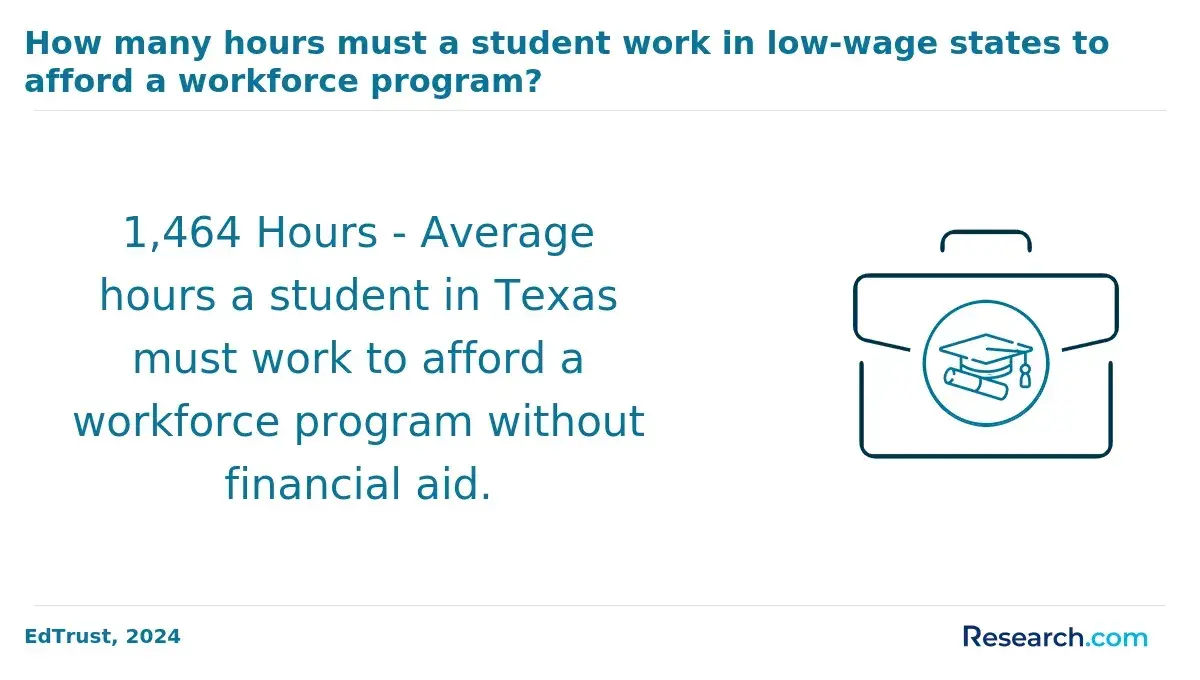
- Financial Pressures: Beyond tuition, expenses like textbooks, technology, and childcare strain budgets, making consistent enrollment difficult. Financial aid, scholarships, and employer tuition programs are effective ways to alleviate this challenge.
- Technology Gaps: Many adult students encounter difficulties adapting to contemporary digital tools integral to user experience programs. Access to targeted tech training and peer assistance helps bridge this divide.
- Imposter Syndrome: Feelings of self-doubt around younger classmates can undermine confidence and motivation. Mentorship and community connections play key roles in overcoming these insecurities.
- Academic Bureaucracy: Complex processes like enrollment, credit transfers, and degree requirements often overwhelm adults who have been out of school for some time. Clear guidance and institutional support prove essential for navigating these systems effectively.
One professional who returned to school after 30 described feeling overwhelmed at first, especially juggling unpredictable work hours with assignments and family. "Sometimes I doubted whether I could keep up," he admitted, noting that learning new software was daunting at first.
He emphasized the importance of finding mentors and leaning on fellow students for encouragement. "Having others to talk to made all the difference—it reminded me I wasn't alone and that each hurdle could be solved step-by-step." \
His story highlights that while challenges are real, persistence combined with the right resources leads to success in completing a user experience degree later in life.
Adults pursuing an adult-friendly user experience bachelor's degree program can choose from several formats designed to fit varied schedules and learning preferences.
- Fully Online: This option offers complete flexibility through asynchronous courses, ideal for learners balancing work and family. Institutions like Western Governors University (WGU), Arizona State Online, and Southern New Hampshire University (SNHU) have developed robust online platforms that support self-paced progress and competency-based assessments, enabling accelerated completion.
- Hybrid: These programs blend online instruction with scheduled on-campus sessions, allowing for periodic face-to-face interaction without full-time residency. They often hold in-person components on weekends or evenings to accommodate professional commitments.
- Evening and Weekend On-Campus: Tailored for local students, this format offers classes outside typical work hours, facilitating consistent engagement with faculty and peers while minimizing disruption to daytime responsibilities.
- Competency-Based Education (CBE): CBE models prioritize demonstrated skills over time spent in class, enabling individuals with relevant experience to accelerate their degree through mastery. These flexible programs usually operate on rolling enrollment without fixed semesters.
- Accelerated Cohort Models: Structured for faster completion, cohorts move through coursework together on a compressed timeline, providing strong peer support but requiring dedicated focus during the program.
Those aiming for the best user experience degree options for learners over 30 should consider how each format aligns with their lifestyle and career goals. Financing strategies, prior learning credit, and employer perceptions vary by program type and impact overall long-term ROI.
For further insight into affordable advanced degrees, explore Ed.D. educational leadership options, which share similar adult learning frameworks.
For adults pursuing a user experience bachelor's degree after age 30, the timeline varies mainly by enrollment status, prior credits, and program type. Full-time learners usually take about four years, aligning with traditional student timelines, while part-time study often extends completion beyond six years due to work and family commitments.
Transfer credits and prior learning assessments—such as CLEP exams and military credit—can significantly shorten this path, sometimes reducing coursework by an entire year or more depending on institutional policies.
Flexible, accelerated, and online programs specifically designed for adult learners offer the possibility of finishing faster, sometimes within three years, provided the student attends full-time and maximizes credit transfers.
To estimate a personalized timeline, consider current earned credits, weekly hours available for study, and the intended graduation date. For instance, a student with two years of previous college coursework enrolling part-time might need around four years total, whereas someone starting fresh in a fast-track program could complete their degree in about three and a half years.
Recent data from the National Center for Education Statistics indicates a 15% increase in enrollment among learners over 30 between 2018 and 2023, highlighting the rising demand for adaptable degree schedules.
- Enrollment Intensity: Full-time students graduate closer to four years; part-time pacing extends the timeline due to outside responsibilities.
- Credit Recognition: Transferred credits and prior learning assessments reduce required coursework significantly, accelerating graduation.
- Accelerated Options: Condensed and online programs support faster completion tailored to adults balancing other commitments.
- Timeline Planning: Evaluating prior credits, study availability, and target dates helps create realistic graduation estimates.
- Enrollment Trends: Growing numbers of adults over 30 are pursuing user experience degrees, reflecting workforce needs and flexible education offerings.
A professional who earned her user experience degree after 30 shared that juggling family life and work initially made the timeline feel overwhelming. She found value in credit transfers and online classes, which allowed her to study evenings and weekends.
"Knowing I could count past experience toward credits changed everything—I didn't have to start from zero," she reflected. By tailoring her course load and setting manageable goals, she finished in about four years, balancing responsibilities while steadily progressing toward her career shift.
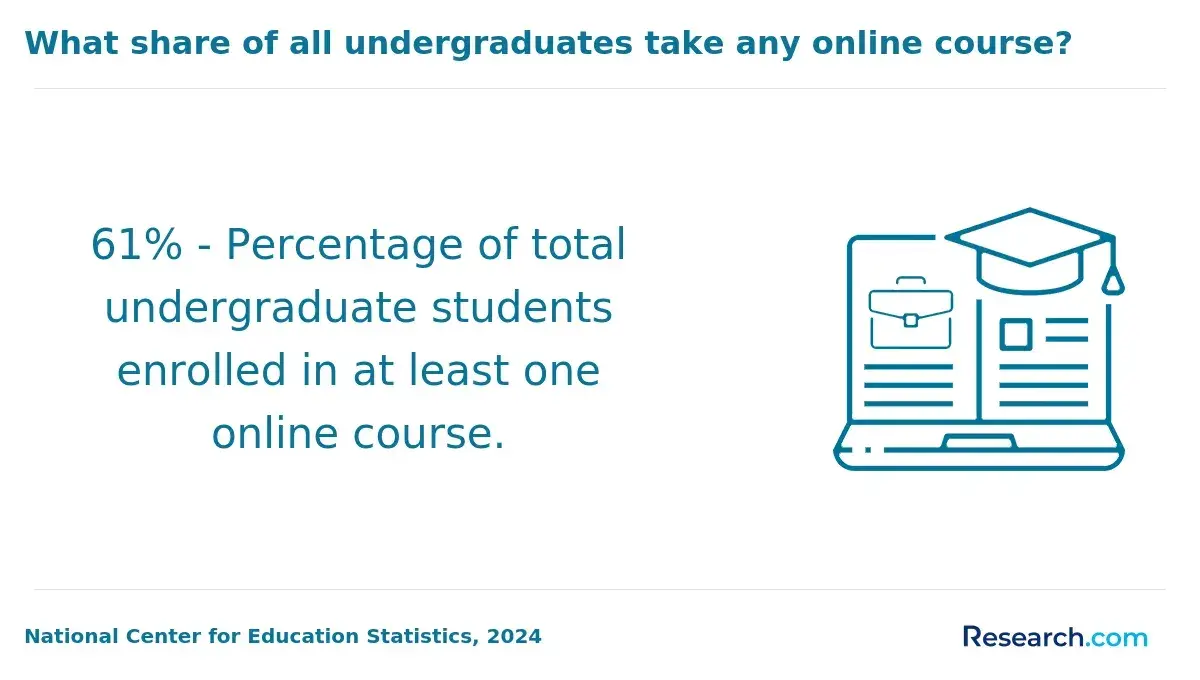
Many adults over 30 pursuing a User Experience bachelor's degree qualify for diverse funding options tailored to nontraditional learners. Federal Student Aid stresses that age does not restrict access-completing the FAFSA remains essential to unlock Pell Grants, subsidized, and unsubsidized loans. Eligibility hinges on income, enrollment, and academic progress rather than age.
- Federal Financial Aid: Provides need-based grants and low-interest loans to help offset tuition and living costs for eligible students regardless of age.
- Employer Tuition Assistance: Numerous employers offer tuition reimbursement to working adults, especially those in User Experience or related fields, supporting career advancement. Terms vary, often requiring minimum grades and may cover partial or full costs.
- State Adult Learner Grants: Several states sponsor programs specifically aiding adults returning to education mid-career. Award amounts and qualifications differ widely-consulting state education resources is crucial.
- User Experience-Specific Scholarships: Industry associations frequently offer scholarships recognizing academic achievement or financial need for students focused on User Experience degrees.
- Income-Share Agreements (ISAs): Some institutions offer ISAs allowing students to repay tuition as a fixed percentage of future income, providing flexible alternatives to upfront payments or traditional loans.
Choosing between public and private universities and online versus on-campus programs significantly affects overall costs. Public institutions generally feature lower tuition, while online formats reduce expenses related to commuting and housing. Cost-effective choices can minimize debt burden.
Before borrowing, adults should exhaust grants, scholarships, employer aid, and ISAs. Early FAFSA submission, careful documentation, and consultations with financial aid advisors create a strategic financial plan to lessen reliance on loans.
According to the National Center for Education Statistics, nearly 40% of undergraduates are now age 25 or older-a sign that financial aid systems continue evolving to support adult learners entering User Experience and other fields.
Employers widely respect a user experience bachelor's degree earned after 30—especially when it comes from a regionally accredited institution.
Data from the Society for Human Resource Management (SHRM) and the National Association of Colleges and Employers (NACE) show that hiring managers prioritize credentials and relevant skills rather than the graduate's age or the time taken to complete the degree.
The degree itself is the verified qualification on a resume, with no mention of age or timing.
- Employer Perception: Many employers hiring user experience professionals view adult learners favorably because they bring professional maturity, real-world experience, and perseverance, often exceeding expectations for traditional graduates.
- Industry Requirements: In fields such as technology, design agencies, and healthcare, a bachelor's degree in user experience is a non-negotiable minimum qualification, holding equal weight whether completed at 22 or 35.
- Credential Verification: Background checks focus solely on the degree and accrediting institution; employers do not see the age at which the degree was earned—only that academic standards were met.
- Hiring Trends: LinkedIn Workforce Insights reports a growing share of user experience hires are adult learners aged 30 and above, reflecting an industry trend valuing diverse pathways and lifelong learning.
Adult learners completing a user experience bachelor's degree contribute valuable perspectives and capabilities that employers recognize. Age is not a barrier for professional respect or opportunity when holding this credential.
Adult learners with prior work experience credit for user experience bachelor's degree programs can leverage several academic mechanisms to accelerate their studies. Many institutions recognize the value of professional experience through Prior Learning Assessment (PLA), portfolio evaluation, standardized exams, and professional certifications, translating real-world knowledge into academic credit.
- Prior Learning Assessment (PLA): PLA enables students to earn college credits by showcasing college-level learning gained outside traditional settings-often through work or self-study portfolios. Universities such as Southern New Hampshire University and Thomas Edison State University offer robust PLA programs that can grant up to 30 credits, roughly an academic year's worth of coursework.
- Portfolio Evaluation: Learners compile documented evidence of user experience skills-like UX research, wireframes, or usability testing-to be reviewed by faculty or external evaluators. Detailed reflection and alignment with course outcomes are essential for credit approval.
- CLEP and DSST Exams: Passing these nationally recognized exams tests foundational knowledge in relevant areas-psychology, communication, or computer science-helping bypass introductory classes and reduce time and cost.
- ACE-Recommended Credit: The American Council on Education evaluates certain professional certifications-such as UX credentials from Nielsen Norman Group or Adobe Certified Expert certifications-and recommends them for academic credit, often toward electives or specialized courses.
Admissions officers typically seek clear connections between an applicant's professional history and academic goals. Presenting a detailed resume and portfolio that evidences accomplishments in user interface design, human factors, or product management transforms experience into an academic asset rather than a gap.
Data from the Council for Adult and Experiential Learning show that students earning PLA credits often shorten their degree paths by about one-third.
For working adults, military veterans, career changers, and parents reentering the workforce, understanding these credit pathways is vital. Many turn to flexible options like college classes online to align education with life demands while capitalizing on recognition of professional experience in user experience programs.
Admission requirements for user experience bachelor's programs designed for adult learners typically reflect their unique needs and prior experiences. Many institutions recognize the value of professional and life experience in assessing candidates over 30, influencing GPA standards and application criteria.
- Minimum GPA: Most programs require a minimum GPA-usually between 2.5 and 3.0-from previous college coursework. However, programs with open or rolling admissions aimed at adult learners may waive or lower this threshold to focus more on potential and work history. This flexible approach is common among schools prioritizing adult education.
- Standardized Test Waivers: Applicants over 25 are frequently exempt from submitting SAT or ACT scores. Many user experience programs understand that standardized tests may not accurately measure mature students' capabilities and place greater emphasis on other materials instead.
- Letters of Recommendation: While not always compulsory, letters from supervisors, mentors, or educators can bolster an application by highlighting relevant skills and dedication to returning to school.
- Personal Statement: A well-crafted personal statement or essay is generally required. This document allows applicants to explain their career aspirations, address past academic challenges, and demonstrate motivation for pursuing a user experience degree-especially useful if previous GPA was low or academic records are irregular.
- Residency and Transfer Credits: Many programs offer generous transfer credit policies acknowledging previous academic work, military transcripts, or professional certifications. Residency requirements vary, often mandating a minimum number of credits be completed at the institution either on campus or online.
- Low GPA Options: For those with low GPAs from earlier studies, academic renewal or grade forgiveness policies may allow exclusion of poor grades from GPA calculations. Conditional admission or probationary status options are sometimes available, enabling students to prove academic readiness through initial coursework.
By evaluating these factors honestly, applicants can better identify user experience programs aligned with their academic profile and life circumstances. Those looking for alternative pathways may explore online colleges that accept low GPA, providing additional opportunities to complete their degrees on flexible terms.
Adult learners pursuing a user experience bachelor's degree after 30 face unique challenges that impact degree completion. Caregiving responsibilities—such as tending to children or elderly relatives—limit study time, often creating barriers to steady progress.
Many also balance full-time employment, which increases financial strain and reduces available hours for coursework. Research from the Institute for Women's Policy Research and the Pell Institute underscores that managing these pressures requires disciplined time management and employer accommodations to prevent burnout.
Effective adult students frequently adopt structured scheduling techniques like time-blocking—allocating specific daily study windows—and the Pomodoro Technique, which breaks study time into focused intervals with breaks.
Flexibility from employers, including adjustable hours or remote work options, significantly improves students' ability to stay on track. Emotional and practical support from spouses and family members also plays a vital role in navigating these competing demands.
Campus resources help mitigate external stresses as well. Childcare services near campuses reduce caregiving burdens, while emergency financial aid helps address unforeseen expenses.
Prospective students should carefully evaluate their personal support networks before enrolling and establish early communication with their school's adult learner services to access tailored assistance and maximize their chances of success.
- Caregiving Impact: Family care duties limit study time, making intentional scheduling and prioritization critical.
- Work Demands: Full-time jobs increase financial pressure and time scarcity, emphasizing the need for employer support and efficient study habits.
- Support Networks: Family and spousal encouragement offer essential emotional and logistical help to sustain academic momentum.
- Campus Resources: Onsite childcare and emergency aid reduce non-academic barriers that may otherwise delay completion.
- Proactive Planning: Assessing support systems and connecting with adult learner services empowers students to navigate challenges effectively.
Research from Complete College America highlights the crucial role of advising intensity—regular, personalized support—in boosting completion rates for adults pursuing degrees. For those seeking a bachelor's in user experience, the availability of targeted institutional resources often predicts success.
Prospective students should confirm these support elements when evaluating programs.
- Dedicated Adult Learner Advisors: Advisors who understand the complexities non-traditional students face in balancing work, family, and academics provide customized degree planning and help manage course selections and deadlines efficiently.
- Prior Learning Assessment Offices: These departments assess professional, military, or experiential learning for potential college credit, often shortening the time and cost needed to graduate—especially beneficial for career changers and veterans.
- Flexible Tutoring Options: Evening and weekend tutoring, offered both in-person and online, caters to busy adult learners, allowing them academic assistance without disrupting personal or work commitments.
- Virtual Library Access: Comprehensive digital resources, including databases and ebooks, ensure adult students can conduct research at any time that fits their schedule.
- Career Services Tailored for Career Changers: Workshops on resumes, interviews, and networking equip students transitioning into user experience with relevant skills and industry connections.
- Peer Networks for Non-Traditional Students: Support groups and communities counteract isolation by fostering motivation and connection among adult learners returning to education.
Before enrolling, ask each user experience program about their adult learner support infrastructure—these resources are not optional extras but vital for navigating degree completion and successful career transition.
What Graduates Say About Getting a User Experience Bachelor's Degree After 30
- Tobias: "Enrolling in the user experience bachelor's degree program after 30 was a pivotal decision that brought both flexibility and invaluable financial support options. The program's accredited status reassured me of the quality education I was receiving, which was critical when balancing work and study. Ultimately, the degree opened doors to exciting professional career opportunities that I hadn't previously considered."
- Rex: "Returning to school later in life felt daunting, but the extensive financial support options made it manageable and less stressful. I deeply appreciated how the program's accreditation emphasized its credibility among employers-this gave me confidence in my choice. The career outcomes were impressive; I transitioned smoothly into a professional role that truly aligns with my passion."
- Arthur: "Choosing to pursue my user experience degree after turning 30 was a reflective journey marked by balancing financial needs and career aspirations. The program's accreditation was vital-it ensured the knowledge I gained was respected industry-wide. Thanks to the financial support available, I could focus on excelling academically, which directly influenced positive career growth afterward."
Other Things You Should Know About User Experience Degrees
In 2027, employment prospects for individuals over 30 with a user experience bachelor's degree are favorable. As the tech industry continues to grow, companies value the unique perspectives and life experiences that older graduates bring. With demand for UX professionals on the rise, degree holders often find ample job opportunities and competitive salaries.
Yes, several institutions offer accelerated user experience bachelor's programs tailored for adults over 30, including options for credit-by-experience or prior learning assessment. These programs recognize career or military experience, allowing students to complete their degrees faster. Such pathways are designed to accommodate working adults balancing education with other responsibilities.
Many UX bachelor’s programs ask for a portfolio only if they review creative work or prior design experience. Standard admission usually relies on a high school diploma or GED, transcripts, and sometimes placement tests; professional UX portfolios are more common at the transfer or scholarship stage.
Adults over 30 should consider programs offering flexible schedules, such as online or evening classes, to fit their lifestyles. Accreditation and curriculum relevance to current industry standards are crucial for career readiness. Evaluating support services-like career counseling and technical help-is also important for adult learners balancing multiple commitments.
- How Long Does it Take To Learn UX Design? Three Pathways for Success https://courses.avocademy.com/blog/how-long-does-it-take-to-learn-ux-design-three-pathways-for-success
- Noble Desktop Blog - Learn to Code, Design & Create https://www.nobledesktop.com/learn/ux-design/too-old-to-learn-ux-design
- 8 barriers of entry to a career in UX and how to overcome them - UX Design Institute https://www.uxdesigninstitute.com/blog/barriers-of-entry-career-ux/
- This is the age when you should remove your graduation year from your resume https://www.cnbc.com/2018/07/06/heres-when-you-should-remove-your-graduation-year-from-your-resume.html
- Surprising College Degrees That Can Launch Your UX Career https://enderunextension.com/blogs/surprising-college-degrees-that-can-launch-your-ux-career/
- Are you too old to become a UX designer if you are in your 30s, 40s, or even over 50? https://uxdesignmastery.com/are-you-too-old-to-become-a-ux-designer-if-you-are-in-your-30s-40s-or-even-over-50/
- UX Degrees - A Global List of UX-related Bachelor & Master Degrees - UX Mastery https://uxmastery.com/resources/ux-degrees/
- Bachelor Degree in Experience Design | The IIE's Vega School https://www.vegaschool.com/full-time/bachelor-of-experience-design-degree
- 6 Online UX Courses From Beginner to Specialized UX Design – Baymard https://baymard.com/learn/ux-courses
- Virtual student services are here to stay | EAB https://eab.com/resources/blog/student-success-blog/virtual-student-services-user-experience/