2027 How Hard Is an Online User Experience Bachelor's Degree?

Co-Founder and Chief Data Scientist
Many working professionals considering an online User Experience bachelor's degree wonder how demanding the coursework and skill development really are. Balancing a full-time job with studies focused on design principles, usability testing, and interaction design requires strong time management and self-discipline. Research shows that 70% of online learners face challenges adapting to virtual environments, which can impact their academic success in fields requiring hands-on software proficiency. Understanding the combination of technical skills, project deadlines, and instructor expectations is crucial.
This article examines the key factors influencing the difficulty of earning an online User Experience degree and offers insights to help prospective students make informed decisions.
Key Things to Know About the Difficulty of an Online User Experience Bachelor's Degree
- Online user experience bachelor's programs often demand strong self-discipline due to flexible scheduling and independent project work, requiring effective time management from students.
- Academic rigor varies significantly by institution, with some programs emphasizing practical design skills, while others require in-depth theoretical understanding and research.
- Students should anticipate a steady workload that includes assignments, team collaboration, and portfolio development, typically requiring 15-20 weekly hours for full-time study.
How Hard Is an Online User Experience Bachelor's Degree?
Academic difficulty for an online user experience bachelor's degree is typically defined by a blend of rigorous program expectations, structured learning formats, and established academic standards. These programs balance theoretical knowledge with practical skills in areas like user research and interface design. The structured format often includes lectures, interactive assignments, group projects, and remote exams, ensuring alignment with national accreditation guidelines.
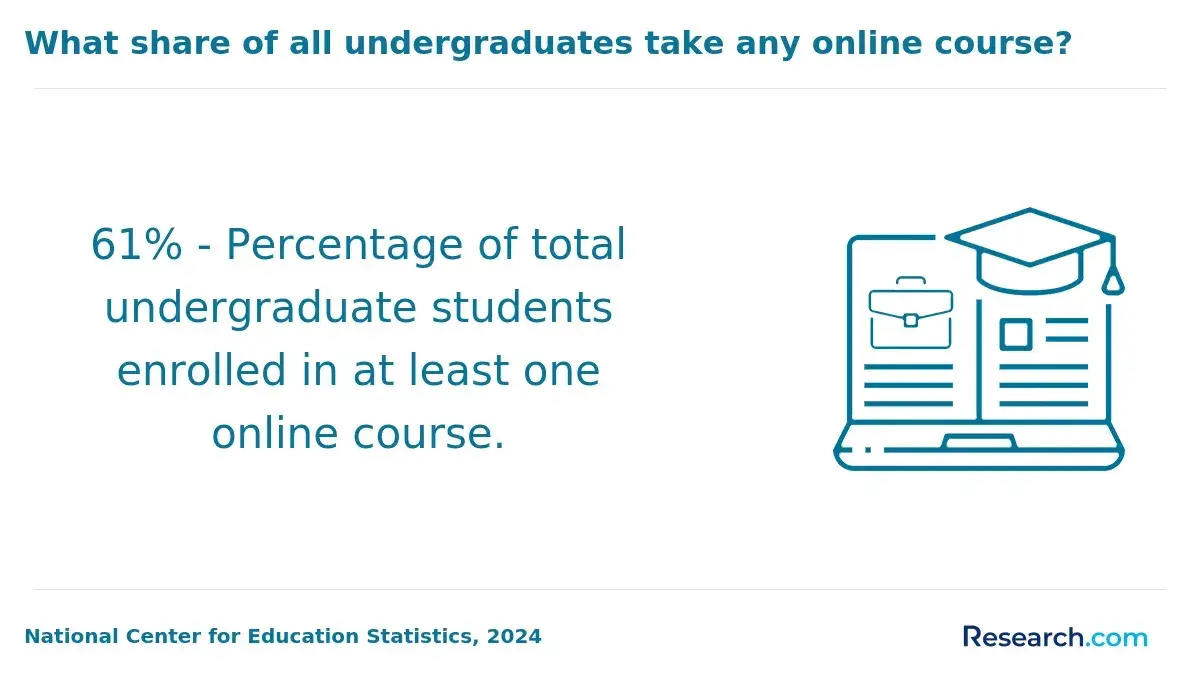
According to a report by the National Center for Education Statistics, about 37% of U.S. undergraduates were enrolled in at least one distance education course, highlighting the growing prevalence and challenges of online learning environments and the workload and course difficulty in online user experience bachelor's degree programs.
Perceived difficulty varies widely due to factors such as institutional reputation, curriculum design, and instructional approaches. Some programs emphasize technical software proficiency, while others focus on theoretical frameworks and research methodologies, shaping different academic challenges. Student factors, including prior experience and learning style, also influence how hard the coursework feels.
Prospective students looking for a cheapest online college option should consider how these elements impact the overall challenges and skills required for an online user experience degree.
What Is the Workload and Time Commitment for an Online User Experience Bachelor's Degree?
Prospective students looking into online user experience bachelor's degrees should consider the workload and time commitment to ensure they can manage academic demands alongside personal responsibilities. A clear understanding of these factors helps set realistic expectations for the intensity of online study and the level of discipline required. According to the National Survey of Student Engagement (NSSE), undergraduate students in online programs typically spend about 15 to 20 hours per week on coursework, including reading, assignments, and exam preparation.
Key aspects of workload and scheduling in online user experience bachelor's programs include:
- Academic Pacing: Online user experience degrees commonly align with credit hours similar to traditional programs. Full-time enrollment often means taking 12 to 15 credit hours per semester, translating to roughly 36 to 45 hours weekly dedicated to instruction, studying, and projects.
- Course Scheduling Structures: Programs may follow traditional semesters or offer accelerated terms lasting 6 to 8 weeks. Accelerated terms increase weekly workload intensity but shorten program duration, as detailed in accelerated psychology degree research showing trade-offs between pacing and time to completion.
- Institutional Variation: The format, length, and scheduling of courses vary widely among institutions offering online user experience degrees. Students should assess these factors to find programs that fit their time and study habits.
- Time Management: Effective planning is crucial to juggle watching lectures, participating in discussions, completing assignments, and collaborating on group projects, often without fixed class times. Consistent effort helps avoid last-minute workload surges.
Average weekly study hours for user experience bachelor's programs online typically mirror national data on academic engagement, emphasizing the need for self-discipline and commitment to succeed in online learning environments.
How Difficult Are the Courses in a User Experience Bachelor's Degree?
Evaluating course difficulty is a key factor for students considering an online user experience bachelor's degree, as it influences time management, academic performance, and overall learning outcomes. Nearly half of undergraduate students describe their coursework as quite or very challenging, underscoring the demanding nature of higher education. The following points highlight the main aspects affecting the rigor of these programs.
- Curriculum Rigor: Programs start with foundational topics such as design principles and human-computer interaction, gradually advancing to more complex subjects that require critical analysis and synthesis.
- Subject Complexity: As courses progress, students encounter intricate concepts like usability testing, prototyping, and cognitive psychology, demanding deeper intellectual engagement and refined problem-solving skills.
- Assessment Variety: Coursework typically combines research papers, design projects, presentations, and exams, blending theoretical knowledge with practical application to challenge diverse competencies.
- Institutional Variation: Different schools may prioritize certain skills or project types, resulting in variability in perceived difficulty across programs and learning experiences.
- Progressive Learning: Course sequencing ensures a steady increase in challenge, with later classes building upon earlier knowledge while requiring more independent thinking and creativity.
A graduate of an online user experience bachelor's program shared that the courses demanded consistent effort beyond just completing assignments. "There were moments when balancing complex projects with theoretical readings felt overwhelming," he recalled, emphasizing how iterative design tasks often required multiple revisions to meet high standards. He added that presentations were especially stressful due to the need to communicate ideas clearly to diverse audiences. Despite the pressure, he found the rigorous workload ultimately rewarding, noting that it built resilience and sharpened his ability to think critically under tight deadlines.
When comparing online learning to in-person instruction for user experience bachelor's programs, the perceived difficulty often depends on how the academic content is delivered and structured. While core objectives remain largely consistent, the different instructional formats can affect student engagement and challenge levels. Notably, a 2021 U.S. Department of Education study reported no significant difference in student achievement between online and face-to-face learning across disciplines, suggesting comparable rigor. Students considering the challenges of online user experience degree versus traditional classroom settings should weigh how self-directed learning and virtual collaboration impact their educational experience.
Academic difficulty in user experience programs varies with course design, assessment practices, and the learning environment. Online courses might incorporate multimedia elements and project-based assignments that simulate real-world workflows, which can increase complexity compared to traditional exams. Conversely, the absence of immediate in-person feedback may pose obstacles for learners accustomed to spontaneous classroom interactions.
Ultimately, success often hinges on how institutions tailor their programs-a factor prospective students should evaluate carefully when exploring good online colleges offering user experience degrees.
Flexibility is essential for working students considering an online user experience bachelor's degree, as it allows them to balance work and education effectively. Many adult learners require adaptable schedules to manage professional and personal duties alongside their studies. Recent data shows that more than 40% of undergraduates in distance education are working adults, reflecting a growing need for flexible learning options.
This demand for flexibility is addressed through various program features, including:
- Learning Format Adaptability: Many programs provide asynchronous classes, letting students access lectures and assignments at convenient times. Some also include hybrid options with optional live sessions for those wanting occasional real-time interaction without strict schedules.
- Scheduling Structures: Courses may follow traditional semester calendars or offer modular formats, enabling students to enroll in segments that better fit their availability and workload.
- Pacing Differences: Certain online degrees allow self-paced study so learners can spend extra time on challenging subjects or accelerate through material when possible, aligning with individual progress needs.
- Institutional Variation: Support services, technology platforms, and faculty responsiveness vary between schools, influencing how well they cater to working students' flexibility requirements.
- Accessibility Considerations: Reliable resources and easy-to-use learning management systems help ensure students can engage fully with coursework regardless of their location or schedule constraints.
When asked about her experience, a student enrolled in an online user experience bachelor's degree shared that juggling a full-time job and coursework was initially overwhelming. She described moments of stress when deadlines coincided with project demands at work but appreciated the ability to review lectures late at night or on weekends. "The option to pause and revisit complex topics made a huge difference," she explained. This flexibility allowed her to maintain professional responsibilities while steadily advancing academically, making the degree attainable despite time pressures.
Students exploring online user experience bachelor's programs should recognize that succeeding demands more than mastering course content. The remote nature of these degrees requires learners to develop particular skills to maintain progress and achieve academic goals. For example, nationwide studies indicate that only about 58% of online students remain enrolled through program completion, compared to 69% in traditional settings.
Several core skills help navigate the challenges posed by online learning in user experience programs.
- Time Management: Allocating dedicated study periods and balancing coursework alongside other responsibilities is critical. Effective time management reduces stress and ensures steady progress without external reminders.
- Self-Directed Learning: Online learners must independently explore topics and troubleshoot issues since immediate instructor feedback is less accessible. Being proactive in understanding material is essential for success.
- Digital Literacy: Familiarity with design software, collaboration tools, and virtual platforms forms the backbone of user experience studies. Comfort using technology enhances engagement and eases participation in online activities.
- Communication Skills: Clear written and verbal expression is necessary for assignments, discussions, and group interactions. Professional and concise communication helps maintain productive digital collaboration.
- Academic Discipline: Consistent study habits, organized note-taking, and regular course involvement foster deeper comprehension. Discipline supports mastering complex design concepts integral to user experience programs.
Students often compare the difficulty of an online user experience bachelor's degree with other majors to gauge potential academic challenges. This comparison stems from varying perceptions of rigor across disciplines, which depend on curriculum design, subject complexity, and assessment approaches. Research shows that STEM fields typically have lower undergraduate completion rates than social sciences or arts, suggesting higher academic demands in those areas. This data point highlights how academic rigor is frequently linked to theoretical depth, practical workload, and learning pace.
The difficulty of user experience degrees varies when measured against other majors due to its interdisciplinary nature. Its curriculum combines creative design principles with technical skills, such as coding and usability testing, requiring versatility from students. Assessment methods include project-based portfolios, user research reports, and traditional exams, reflecting a blend of practical and theoretical evaluation. Additionally, academic standards differ across institutions-some prioritize hands-on learning and iterative feedback, while others focus on examinations and research-making direct difficulty comparisons nuanced rather than straightforward.
Prospective students considering an online user experience bachelor's degree benefit from knowing the common challenges they may encounter. This insight helps set realistic expectations about the academic difficulty, workload, and overall rigor of these programs. Being aware of these factors aids in choosing a program that fits their needs and learning style.
The key challenges faced by students in these programs include:
- Autonomous Learning Demands: Online user experience degrees require significant self-discipline as students must independently grasp complex concepts and manage their own study schedules without the direct supervision typical of in-person classes.
- Time Management Complexity: Balancing coursework with personal and professional duties is demanding, especially since many online programs operate asynchronously. This often leads to juggling deadlines without immediate support, increasing the risk of procrastination and workload surges.
- Digital Platform Navigation: Students must interact with various learning management systems, design software, and collaboration tools. Technical difficulties or unfamiliarity with these platforms can slow progress and increase frustration, reflecting common challenges in online user experience degrees.
- Academic Workload Expectations: The curriculum is rigorous, combining theoretical study with practical design projects, peer reviews, and iterative processes. Managing this volume and complexity without face-to-face instructor interaction requires persistence and adaptability.
- Variation in Institutional Support: Support services differ widely among programs. Some offer extensive tutoring and mentoring, while others provide limited assistance, which can impact students' ability to navigate workload difficulties in user experience bachelor programs.
Students interested in cutting-edge fields related to design and technology may also explore adjacent disciplines, such as a cryptocurrency degree that intersects with digital innovation and user experience trends.
Support systems are essential for students pursuing an online user experience bachelor's degree, as remote learning often requires greater self-direction and problem-solving. Access to structured resources helps students manage coursework challenges and maintain motivation throughout their studies. According to a 2023 report by the Online Learning Consortium, students who actively utilize institutional support services experience a 20% higher retention rate compared to those who do not.
Several key resources contribute to the success of students enrolled in online user experience bachelor programs.
- Academic Advising: Advisors assist students in course selection, degree requirements, and career planning, aligning academic paths with professional goals. This guidance ensures students stay on track and make informed decisions throughout their studies.
- Digital Learning Tools: Interactive platforms and virtual labs provide hands-on practice with concepts like user interface design and usability testing. These tools offer flexible, practical learning experiences that deepen understanding beyond traditional lectures.
- Institutional Student Services: Beyond academics, services such as technical support, writing centers, and counseling address diverse student needs. These resources help resolve technical issues, strengthen critical thinking, and improve research skills, enhancing overall learner success.
- Peer Collaboration: Online discussion boards, group projects, and virtual study groups foster networking and knowledge exchange. These collaborations promote engagement and enrich the learning experience by connecting students with shared interests and challenges.
- Learning Support Systems: Time management workshops and tutorial sessions empower students to develop effective study habits and adapt to the demands of self-directed learning in an online environment.
Prospective students interested in additional education options may find relevant certificate programs that pay well to complement their user experience bachelor's studies.
Students often question if pursuing an online user experience bachelor's degree justifies the academic effort and time involved, especially when balancing work and personal commitments. With an estimated 65% of graduates reporting improved career opportunities within five years of earning their degree, the value proposition can seem promising yet uncertain. The workload typically includes intensive projects, research, and design practice, which can be demanding for those new to the field. These factors prompt careful consideration of the expected outcomes relative to the investment required.
Evaluating the worth of an online user experience degree depends on curriculum rigor, institutional accreditation, and alignment with industry standards. Programs that adhere to recognized accreditation bodies tend to offer comprehensive training reflecting current professional demands. Moreover, degrees designed around real-world skill applications and emerging UX trends are more likely to equip graduates for evolving markets. Nonetheless, variability exists among institutions, making it important to assess each program's structure and workforce relevance before committing.
What Graduates Say About How Hard Is an Online User Experience Bachelor's Degree
- Toby: "Choosing an online user experience bachelor's degree was a game-changer for me because it allowed flexibility while I balanced a full-time job. The coursework demanded a lot of self-discipline, especially when tackling complex design principles without immediate in-person feedback. Nonetheless, earning this degree significantly boosted my confidence and opened doors to advanced roles in product design."
- Reuben: "Studying user experience online was initially intimidating due to the lack of face-to-face interaction, but I learned to navigate these challenges by joining virtual study groups and seeking regular mentor feedback. The program pushed me to develop strong time-management skills and adaptability in digital collaboration tools. As a result, my career has flourished since I'm now well-versed in remote teamwork-an essential skill in today's work environment."
- Art: "Pursuing an online user experience bachelor's degree was a strategic decision to gain specialized knowledge while remaining geographically flexible. The workload was demanding, especially balancing design projects with theoretical studies, but it strengthened my problem-solving capabilities. Ultimately, this degree elevated my professional standing and helped me transition into a user-centered design leadership role."
Other Things You Should Know About User Experience Degrees
In 2027, practical projects and assignments in an online user experience bachelor's degree are integrated with real-world applications and industry-relevant tools. These projects are designed to be challenging, requiring students to apply theoretical concepts in practical scenarios, enhancing both creativity and technical proficiency in the field.
Collaboration is common in user experience programs, even online, with group projects and peer feedback playing key roles. For some students, coordinating group work virtually may add difficulty due to differing schedules and communication barriers. However, many courses provide structured platforms and clear guidelines to facilitate effective remote teamwork.
Most programs require proficiency with Figma, Adobe XD, or similar prototyping tools, plus basic wireframing and user-testing methods. Students usually submit projects in these platforms, and many courses also expect comfort with Google Docs, video meetings, and learning management systems such as Canvas or Blackboard.
- Remote usability testing vs. In-person usability testing https://thestory.is/en/journal/remote-and-in-person-usability-testing/
- Is UX Design Hard to Learn? https://www.nobledesktop.com/learn/ux-design/how-difficult-is-it-to-learn-ux-design
- User Experience Design opleiding | Bachelor https://www.thuas.com/programmes/bachelors/user-experience-design
- Best Online UX Design Bachelor's Degrees Programs, Jobs, and Salaries https://careerkarma.com/blog/best-online-ux-design-bachelors-degrees/
- Overcoming Challenges in UX/UI Design: Tips and Strategies https://www.ironhack.com/us/blog/overcoming-challenges-in-ux-ui-design-tips-and-strategies
- User Experience Design and Content Creation https://www.srh-university.de/en/bachelor/user-experience-design-content-creation/d/
- UI UX Design Degree vs Self-Learning | Do You Need College? https://atlasuniversity.edu.in/schools/isdi/blog/ui-ux-design-degree-vs-self-learning
- Core UX design skills to jumpstart your career | edX https://www.edx.org/resources/ux-design-skills-to-launch-your-career
- Top UXers master these 9 UX skills. Do you have them? https://blog.uxtweak.com/top-ux-skills-to-master/
- Online vs in-person study: which one is right for you? https://www.ube.ac.uk/whats-happening/articles/online-vs-in-person-learning/