2027 BS in Business Administration Transfer Planning: Military Human Resources Training
Audited and Verified:
Our Editorial and Data Verification Process
Research.com uses government datasets, official education statistics and primary institutional information to support its career and degree guides. Our review process checks factual accuracy, occupational definitions, source dates and the requirements associated with the credentials discussed.
How This Article Was Fact-Checked
Our editorial team verifies salary estimates, employment projections, education requirements and program information against original data providers and official organizations. Salary figures are checked against the relevant occupational definitions and reporting periods. Information about licensure, accreditation and required in-person training is reviewed separately.
Fact-checked and verified on:

Co-Founder and Chief Data Scientist
Military human resources training can shorten the path to a BS in Business Administration, but only if a college applies that learning to requirements you actually need. For service members and veterans planning a transfer, the important decision is not how many credits a school accepts - it is which courses remain before graduation.
This guide explains how to document military learning, read a degree audit, compare programs and costs, and choose coursework that connects personnel experience to civilian business roles.
Key Things You Should Know
- Military HR training may earn college credit, but the receiving school decides whether it satisfies general education, business core, concentration, elective, or residency requirements.
- Request a written, program-specific degree audit before comparing completion times or costs; accepted elective credit alone may not move your graduation date.
- The U.S. Bureau of Labor Statistics reports a May 2025 median annual wage of $75,940 for human resources specialists. That occupation-wide figure is not an expected starting salary for a business graduate.
What Is Military Human Resources Training for a Business Administration Transfer Student?
Military HR training can include formal instruction and documented work involving personnel records, assignments, benefits administration, workforce reporting, training coordination, and support for service members. For transfer planning, distinguish training from experience: a course may have a credit recommendation, while work in a personnel office may require a separate prior-learning assessment if the college offers one.
That experience can provide a useful foundation for business administration, but military personnel processes do not automatically cover civilian employment law, compensation practices, or the full business curriculum. If you want deeper HR study rather than a broad business degree, compare the curriculum and transfer rules before choosing a degree in human resources.
How Can Military HR Training Transfer Into a Business Administration Degree?
Start with an official military training record, such as a Joint Services Transcript where applicable, and transcripts from any military-affiliated college. The American Council on Education evaluates certain military learning and makes college-credit recommendations; the receiving institution decides whether to award credit and how to apply it.
A program-specific evaluation should distinguish acceptance from usefulness. This table shows the categories to look for in your degree audit - not a promise that a particular military course will receive any of them.
| Audit category | What it means for completion |
| General education | May satisfy a breadth requirement if the school finds an appropriate equivalent. |
| Business core or prerequisite | May replace a required course only with approved subject and level equivalency. |
| HR concentration | Counts toward the concentration only if its rules permit the substitution. |
| Free elective | Adds credits toward the degree total but may leave required courses untouched. |
| Not accepted or above a transfer limit | Does not reduce the remaining degree requirements. |
Ask the transfer office for the evaluation, then ask a business adviser to map each award onto the current program audit. If substantial HR learning lands only in electives, compare HR bachelor's completion with transferred coursework before committing to general business.
What Business Administration Degree Requirements Apply to Military HR Students?
A BS in Business Administration commonly combines general education, a business core, electives or a concentration, and upper-level or institutional residency requirements. The exact mix belongs to the school's catalog for your enrollment term. Military HR credit might help with personnel-related electives while leaving accounting, economics, statistics, finance, or a capstone outstanding.
Read the official audit for four separate questions: how many credits were accepted, which named requirements they satisfied, which prerequisites remain, and which courses must be taken at the institution. Check whether a required course is offered when you need it; an open elective slot cannot substitute for an unavailable business-core class without written approval. Students whose documented responsibilities lean more toward coordinating projects than personnel administration can also compare applying previous coursework to a project management degree, using each program's actual audit rather than its advertised transfer maximum.
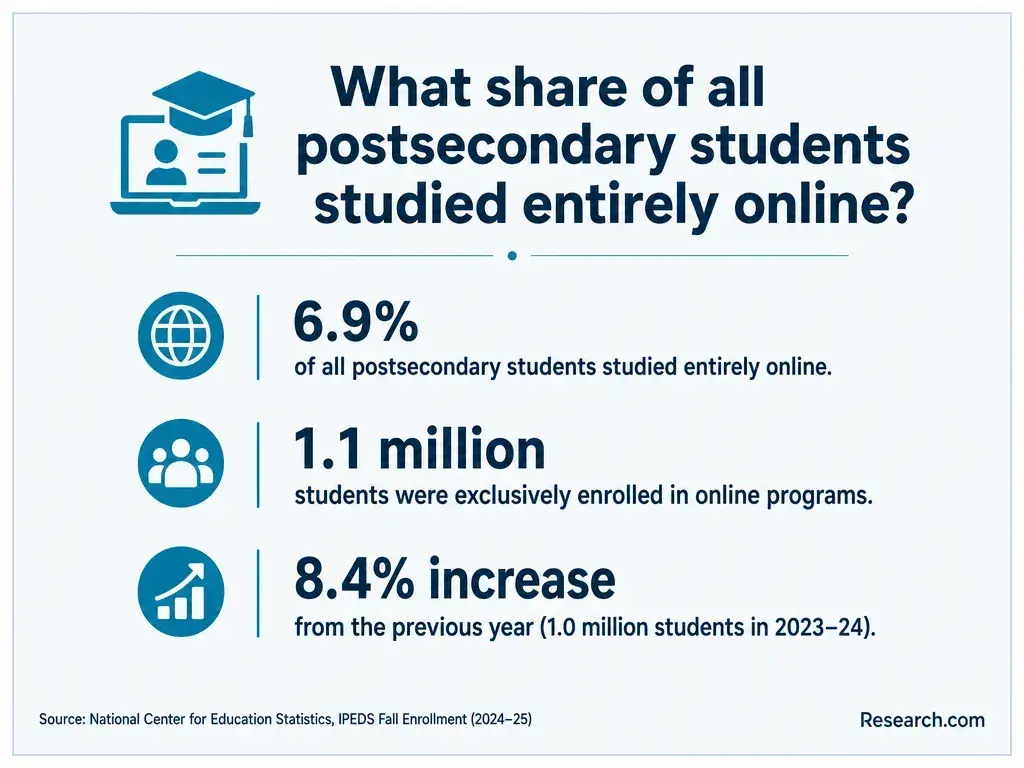
Online delivery can reduce travel for a student changing duty stations or working after separation, but it does not necessarily mean self-paced study. Ask whether courses require live attendance, proctored exams, scheduled group work, internships, or campus visits. Also confirm when required business courses run and whether a pause in enrollment changes your catalog or aid status.
Campus programs may offer more predictable in-person access to faculty, recruiting events, and veteran services, but commuting can make them harder to sustain. Compare those trade-offs with working-adult business administration program comparisons. Whichever format you choose, ask veteran services and academic advising how they coordinate transfer appeals, benefit certification, and course scheduling; those functions may be handled by different offices.
Prioritize courses that fill gaps in your target civilian role, not those that merely repeat familiar personnel tasks. Accounting and managerial finance help you discuss staffing costs; statistics and spreadsheets help you assess workforce reports; organizational behavior and HR courses introduce civilian workplace frameworks. Employment-law content is especially relevant when moving from military personnel rules to civilian employers, although a course is not a substitute for legal advice or on-the-job training.
Sequence prerequisite-heavy courses early, then use electives or an approved capstone to build evidence of the work you want to do. If your military record also includes substantial logistics responsibilities and your goal has shifted toward supply chain work, compare that curriculum with accelerated undergraduate supply chain programs. A faster advertised schedule is worthwhile only if your evaluated credits satisfy its required sequence.
Admission to the university, admission to its business major, and award of transfer credit are separate decisions. A school may request official transcripts from every college attended, military learning records, and evidence that its transfer or major-entry standards are met. GPA thresholds, prerequisites, application materials, and deadlines vary; military service alone does not waive them.
Before paying an application charge, request the current transfer-admission checklist and ask when a formal credit evaluation becomes available. If several academically suitable schools are under consideration, online universities with no application charge may reduce the cost of applying - but compare their business-major requirements and degree audits, not the fee alone.
Time to completion depends on remaining required courses, their prerequisites and availability, residency rules, and the number of courses you can complete each term. A large military-credit award may make little difference if it fills electives while accounting or statistics still blocks later courses. Conversely, a smaller award that satisfies a prerequisite could improve your sequence.
Have an adviser build a term-by-term plan from the evaluated audit, including a backup for courses offered infrequently. Confirm whether summer classes, part-time enrollment, or a change in duty or work schedule alters that plan. Use shorter undergraduate business programs across the US as candidates to investigate, not as evidence of your personal graduation date.
There is no reliable personal price until a school identifies the courses you still need and its charges for taking them. Compare written estimates on the same basis: remaining required credits, tuition and mandatory fees, books or software, travel or technology expenses, and the cost of any extra term caused by course sequencing. A school that accepts more military credits may still cost more if fewer of those credits meet degree requirements.
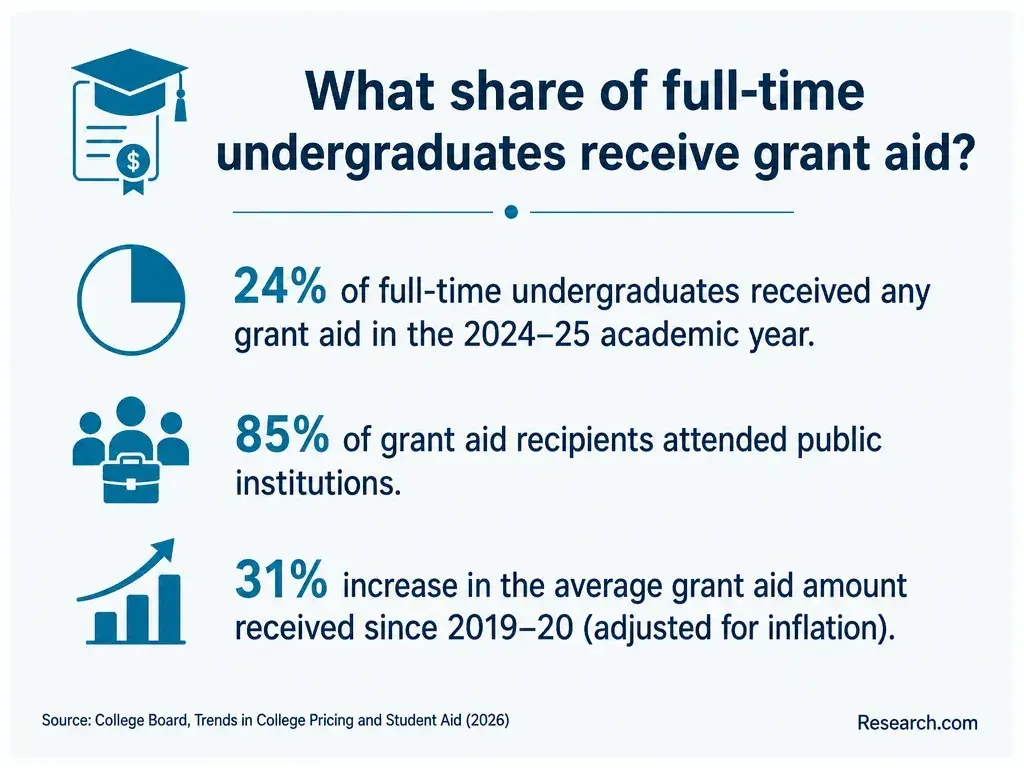
Ask the financial-aid office how your planned enrollment affects federal aid and satisfactory academic progress. If using VA education benefits, verify your own eligibility and remaining entitlement with the VA, then ask the school's certifying official how your course load and delivery mode affect certification; do not assume eligibility for a particular benefit or Yellow Ribbon support. Compare those answers with low-tuition pathways to a business administration degree before judging the net cost.
For someone with documented personnel responsibilities, HR specialist work may be a closer civilian transition than an immediate HR management role. Specialists can support recruiting, employee records, benefits, and HR processes; the precise fit depends on the employer and your familiarity with civilian practices. Training and development roles may fit experience coordinating instruction, while operations or project-support roles may better match a broader military assignment.
The U.S. Bureau of Labor Statistics reports a May 2025 median annual wage of $75,940 for human resources specialists and projects 6% employment growth from 2025 to 2035. Those figures cover an occupation across experience levels and locations, not starting pay or a return on this degree. Translate your service record into specific, nonconfidential examples of process administration, reporting, and stakeholder support; then compare them with actual job postings. If your record is primarily logistics rather than HR, economical study options for supply chain careers may warrant a separate degree comparison.
Which Accreditations and Certifications Matter for Military HR Career Advancement?
First verify the institution's recognized accreditation and that the BS you intend to enter is covered. AACSB, ACBSP, and IACBE address business education within their respective scopes; do not assume an institution-wide statement means the exact program has separate business accreditation. Ask the school to identify the accreditor, covered programs, and current status.
An academic HR concentration is not an occupational certification. If a job calls for an HR credential, check the certifying organization's current eligibility, examination, and renewal rules against your documented experience; neither military training nor a business degree automatically qualifies you. If your goal is broader supervisory development rather than an HR credential, fast-track undergraduate organizational leadership study is another curriculum to compare - but assess transfer applicability before changing paths.
Other Things You Should Know About Business Administration
Yes. Official records are essential, but course descriptions, syllabi, and completion certificates may help when a school permits an equivalency review or appeal. Ask which materials it accepts.
Usually, duplicate learning cannot satisfy one requirement twice. The school determines whether either source earns credit elsewhere, so check how both appear on the audit.
Do not use identifiable or restricted records without appropriate authorization. Ask the instructor whether a public-data, synthetic-data, or fully approved alternative meets the assignment.
Begin with the transfer or registrar's office to learn its appeal process. A business department may need to approve a course equivalency or substitution, and the change should appear in your official audit.
- Military Training Evaluation Program (MTEP) | dantes.mil https://www.dantes.mil/credit4training/
- How Do I Get College Credits For My Military Service? | Veterans Affairs https://www.va.gov/resources/how-do-i-get-college-credits-for-my-military-service/
- JST: Joint Services Transcript | militaryonesource.mil https://www.militaryonesource.mil/benefits/joint-services-transcript/
- Transfer Credit for Military Experience | Official Catalog | Charter Oak State College https://www.charteroak.edu/catalog/current/academic_policies_regulations/transfer_credit_military_exp.php
- What Is Human Resource Management? | American Military University https://www.amu.apus.edu/area-of-study/business-administration-and-management/resources/what-is-human-resource-management/
- Military to Civilian Jobs: The Role of HR | Online https://online.uark.edu/blog/military-civilian-jobs-role-hr.php
- Joint Services Transcripts (JST) | Military Transfer Credit | Coles College of Business https://campus.kennesaw.edu/current-students/registrar/transfer/military-transfer-credit.php
- Transfer Credit - Transfer Student Success | Rhode Island Small Business Development Center https://web.uri.edu/transfer/transfer-credit/
- Recognition of Learning Across Military and Corporate Settings | WICHE https://www.wiche.edu/key-initiatives/recognition-of-learning/recognition-of-learning-across-military-and-corporate-settings/
- Stony Brook University Transfer Credit Policies https://www.stonybrook.edu/credit-eval/policies.html