2027 Best Certificate Programs With Resume Help

Co-Founder and Chief Data Scientist
A short certificate can be a practical route into a new field, but the credential alone is rarely enough to get interviews. Programs with resume reviews, portfolio support, mock interviews, and employer connections can make the transition more manageable.
The U.S. Bureau of Labor Statistics projects healthcare support occupations to grow faster than the average for all occupations from 2024 to 2034, illustrating why career-focused training matters. This guide helps career changers, recent graduates, and working adults compare certificate types, costs, formats, career services, and realistic job outcomes before enrolling.
Key Things You Should Know
- Choose a certificate based on the job's actual entry requirement: a school certificate may build skills, while a separate industry certification, state license, degree, or apprenticeship may still be required.
- Resume help is most valuable when it is individualized and includes a targeted resume, interview practice, portfolio or project feedback, and access to job-search coaching rather than a downloadable template alone.
- Compare total cost, schedule, recognition, and outcomes together: occupational wage data describes the job, not a guaranteed salary for certificate completers, and many programs do not publish placement results.
Top 10 Best Certificate Programs With Resume Help
Popular Trade School Programs
Trade certificates commonly cover HVAC, electrical technology, welding, plumbing, industrial maintenance, automotive service, and commercial driving. They usually combine classroom safety instruction with lab work; some also arrange externships or apprenticeship referrals. These programs suit learners who want hands-on, location-based work and can meet physical demands. Check whether completion prepares you for a required licensing exam, such as an HVAC refrigerant credential, or merely provides foundational training. An associate degree can be a better fit for students seeking broader general education, supervisory pathways, or transferable college credit.
Healthcare Programs
Healthcare certificates may prepare students for medical assisting, phlebotomy, pharmacy technician work, dental assisting, medical billing and coding, or practical nursing prerequisites. Clinical occupations often require supervised clinical hours, background checks, vaccinations, and state-specific rules. A certificate of completion is not automatically a professional certification or license. Before enrolling, confirm that the curriculum meets the eligibility rules for the exam or license you need and that clinical placement is available where you live. Resume support should address healthcare keywords, clinical skills, privacy expectations, and job-search strategies for local employers.
Criminal Justice / Law Programs
Certificates in paralegal studies, legal assisting, criminal justice, cybersecurity investigations, and court reporting fundamentals can build specialized knowledge for legal-support or public-safety-adjacent roles. Paralegal employers may prefer education approved by the American Bar Association, although approval is not universally required. A certificate does not authorize someone to practice law, provide legal advice, become a police officer, or work in a regulated role without agency-specific screening and training. Look for legal research, writing, document-management, ethics, and internship support, plus resume coaching that reflects the confidentiality expectations of legal workplaces.
Arts & Design Programs
Arts and design certificates often focus on graphic design, UX design, digital media, photography, animation, web design, or video production. For these fields, a portfolio can matter as much as the certificate name. The strongest programs build portfolio-ready projects, provide critiques from working professionals, and teach candidates how to explain their process in interviews. A short program is useful for focused upskilling, while a degree may be better for learners needing broad studio foundations or extensive networking. Verify software access, equipment costs, intellectual-property terms, and whether portfolio work remains available after graduation.
What types of certificate programs include dedicated resume writing and career services?
Programs most likely to provide meaningful resume assistance are career-training certificates at community colleges, technical schools, workforce agencies, and established online providers with dedicated career-services teams. Support ranges from a one-time workshop to ongoing coaching, so applicants should ask what is included rather than relying on "career support" marketing language.
The most useful models typically connect career preparation to the specific field. For example, a healthcare program may help translate clinical competencies into resume language, while a design program may provide portfolio reviews. Credit-bearing college certificates may give students access to a college career center; noncredit professional certificates may instead provide cohort coaching, alumni communities, or employer projects.
Ask these questions before treating resume help as a major benefit:
- Will a career advisor review my resume individually and more than once?
- Does support include interview practice, LinkedIn guidance, networking, and job-search planning?
- Are portfolios, work samples, clinical experiences, or capstone projects reviewed by industry-informed staff?
- Can the school document employer partnerships, internships, apprenticeships, or published outcomes using clear definitions?
- How long can graduates use career services after completing the program?
A resume workshop is helpful, but it should not be confused with job placement. Be cautious when a provider promises employment, uses undefined placement claims, or will not explain how it calculates outcomes.
How can I compare online vs campus certificate programs that offer resume help?
Online and campus certificates can both include solid resume help, but the best format depends on whether the target job requires physical practice, clinical hours, equipment, or local licensure preparation. Online learning is often convenient for working adults and works well for business, IT, billing, legal-support, and digital-design foundations. Campus or hybrid delivery is usually more practical for welding, HVAC, lab-based healthcare training, and other fields requiring supervised hands-on assessment.
This comparison highlights the trade-off between flexibility and in-person access.
| Decision factor | Online certificate | Campus or hybrid certificate |
| Schedule | Often asynchronous or evening-friendly | Usually fixed meeting, lab, or clinical times |
| Hands-on training | May require local externships or separate practical assessment | Direct access to labs, equipment, and instructors |
| Career support | Video coaching and virtual employer events may be available | May offer local recruiting, job fairs, and in-person advising |
| Best fit | Knowledge-based fields and learners needing flexibility | Skills requiring practice, observation, or local placement |
Do not assume online means faster or less expensive after fees, required software, travel for labs, proctoring, and clinical placement are considered. Learners seeking a faster academic route can also compare fast online degrees with shorter nondegree options when a certificate will not meet the employer's education requirement.
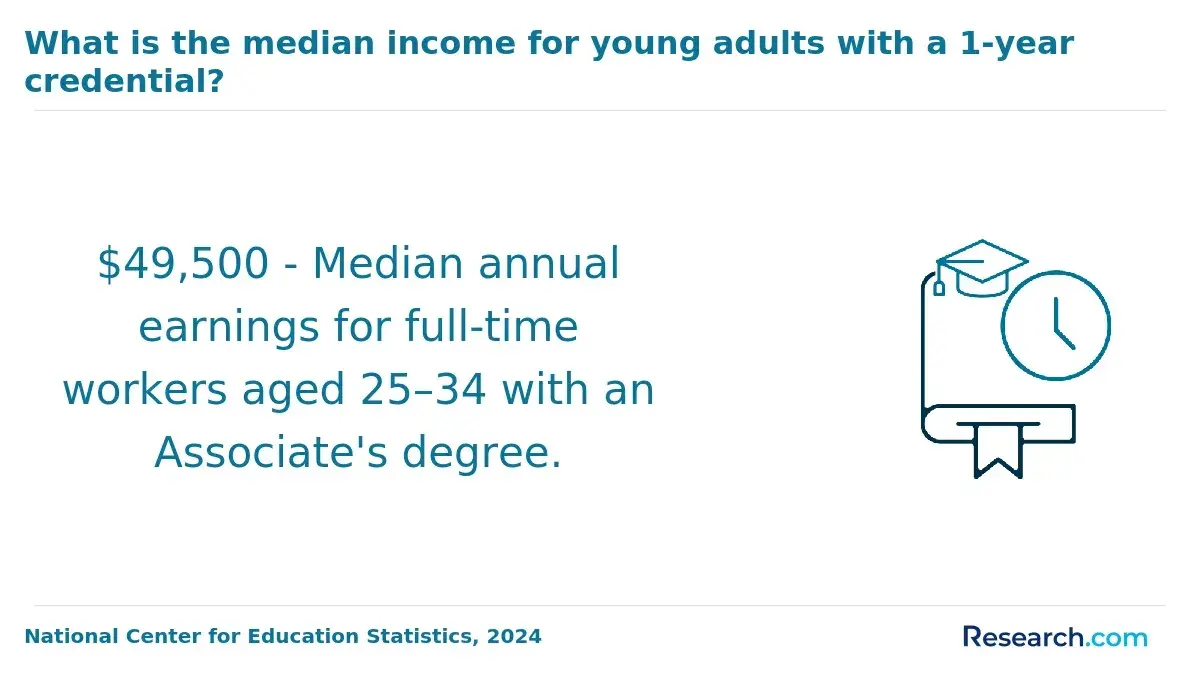
What accreditation and quality standards matter for certificate programs with resume support?
Quality review should match the kind of provider and career goal. For credit-bearing college certificates, institutional accreditation matters because it affects academic credibility, potential transfer credit, and eligibility for federal student aid when the student and program qualify. For noncredit certificates, employer recognition, curriculum currency, instructor experience, transparent policies, and an independent career credential may matter more than college accreditation.
Use this checklist to distinguish a credible program from one that relies mainly on marketing.
- Confirm the college's institutional accreditation through an official accreditor or government directory when the program awards academic credit.
- For regulated healthcare and trade pathways, verify program approval, required clinical standards, and exam eligibility with the applicable state board or certifying organization.
- Review whether the provider clearly identifies the credential awarded, certificate of completion, academic certificate, professional certificate, or preparation for a separate certification exam.
- Check instructor qualifications, curriculum revision practices, refund terms, complaints process, and the availability of individualized career services.
- Ask whether credits are transferable or stackable in writing; transfer acceptance is determined by the receiving institution, not promised by the sending school.
When comparing institutions, a list of most reputable online universities can be a useful starting point, but prospective students should still verify that the specific certificate, clinical arrangement, and career support meet their own goal.
What admission requirements and prerequisites do these certificate programs typically have?
Admission requirements vary widely because "certificate program" can describe a college credential, workforce course, employer-backed professional certificate, or exam-preparation program. Many entry-level noncredit programs require a high school diploma or equivalent and basic computer access. Credit-bearing undergraduate certificates may require an application, transcripts, placement steps, and prerequisites. Graduate certificates generally require a completed bachelor's degree and may require related professional experience.
Healthcare and public-safety-related programs often have the most additional screening because students may enter clinical or agency settings. Requirements can include immunizations, drug screening, CPR training, background checks, physical abilities documentation, and minimum grades in prerequisite courses. A background issue does not always prevent enrollment, but it can affect clinical placement, licensing, or hiring; ask about this before paying a nonrefundable deposit.
Applicants should also separate admission from eligibility. Being admitted to a course does not necessarily mean a graduate can sit for a certification examination, obtain state licensure, or transfer credits into a degree program.
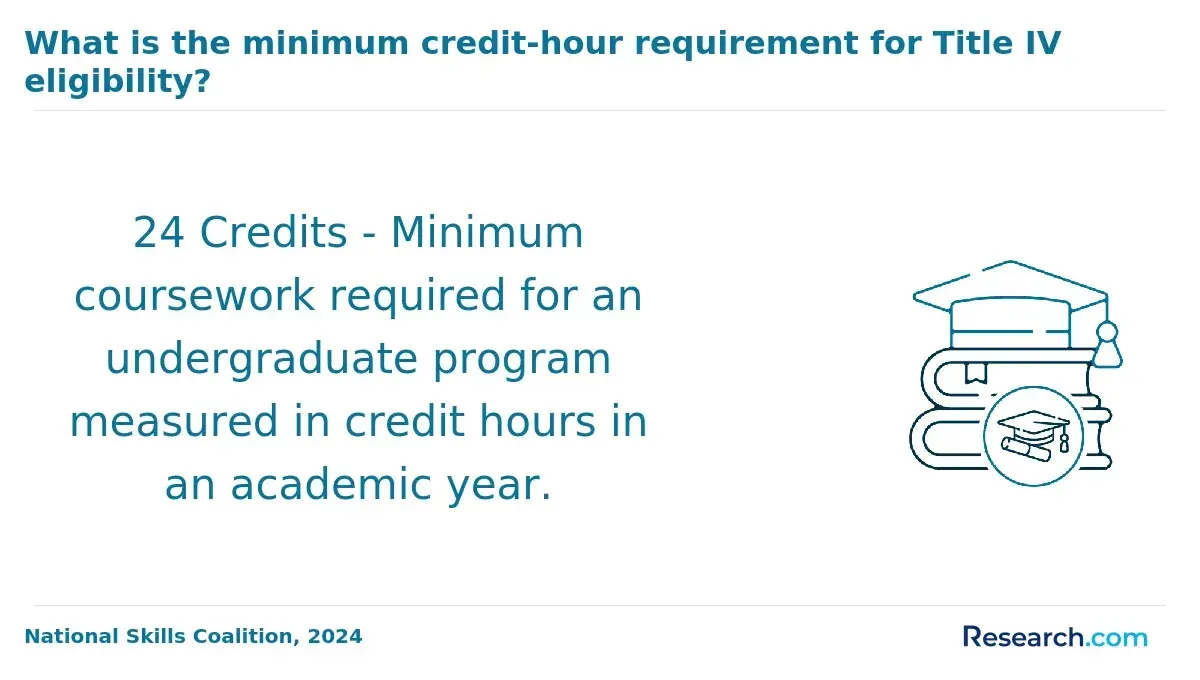
How long do certificate programs with resume help take, and what do they cost?
Completion time ranges from a few weeks for focused online professional certificates to roughly one year for many college or technical certificates. Programs with laboratories, clinical rotations, externships, or state-mandated instructional hours generally take longer because practical training cannot always be compressed. Part-time scheduling may make a program more workable, though it can delay completion.
Total cost should include more than tuition. The following cost categories help compare an apparently inexpensive program with a more comprehensive option.
| Cost category | Why it matters | Common examples |
| Published tuition | May be charged per course, credit, term, or program | Instruction and online course access |
| Required fees | Can materially change the total price | Registration, lab, technology, proctoring, graduation |
| Materials and equipment | Often higher in technical and clinical fields | Tools, uniforms, textbooks, software, protective gear |
| Credential expenses | May occur after completion | Exam, background-check, licensing, or renewal fees |
| Opportunity costs | Depend on schedule and location | Reduced work hours, transportation, childcare |
Federal aid eligibility depends on the school, program length, enrollment status, and student eligibility; many short noncredit certificates do not qualify. Employer tuition assistance, state workforce grants, payment plans, and scholarships may help, but confirm whether funds cover fees and exams. For a focused comparison of lower-cost options, review short certificate programs that pay well alongside the exact local requirements for your target occupation.
What coursework, projects, and career prep are included in these certificate programs?
Career-ready certificate programs combine subject instruction with evidence a candidate can show employers. Coursework may include technical foundations, safety or ethics, communication, software tools, documentation, and field-specific regulations. The career-prep component should turn this learning into job-search materials rather than treating the resume as an afterthought.
Before enrollment, request a current course sequence and identify which outcomes will become evidence of your skills. Strong programs commonly include:
- Applied assignments that simulate workplace tasks, such as service reports, patient documentation exercises, legal memoranda, designs, or data projects.
- A capstone, portfolio, skills demonstration, lab assessment, practicum, internship, or externship when relevant to the field.
- Resume and cover-letter reviews tailored to job descriptions rather than generic templates.
- Mock interviews, networking practice, professional communication, and guidance on explaining a career change.
- Instruction on using AI tools responsibly for drafting while verifying facts, protecting confidential information, and keeping applications authentic.
AI-assisted job applications have made generic resumes easier to produce, which increases the value of specific accomplishments, measurable project details, and human review. Do not submit materials generated by a tool without checking accuracy, tone, and employer requirements.
What entry-level and mid-career job roles can these certificates help you obtain?
A certificate can help candidates qualify for entry-level roles when employers accept focused training, relevant projects, or a required industry credential. Mid-career advancement usually depends on experience, documented performance, additional licensure or certification, and sometimes a degree. The certificate is best viewed as one part of a career plan, not a replacement for requirements the occupation sets.
This overview shows how common certificate areas may connect to job roles and where further credentials are often needed.
| Certificate area | Possible entry-level roles | Potential progression | Important limitation |
| HVAC, electrical, welding, maintenance | Helper, trainee, technician assistant | Technician, lead technician, supervisor | Licensure, apprenticeship, or employer training may be required |
| Medical assisting, billing, pharmacy support | Medical assistant, billing clerk, pharmacy technician trainee | Specialist, office coordinator, supervisor | Certification, registration, or clinical requirements vary by role and state |
| Paralegal and legal support | Legal assistant, file clerk, litigation support assistant | Paralegal, compliance specialist, legal operations roles | Does not permit legal practice or legal advice |
| Digital design and UX | Production artist, junior designer, content assistant | Designer, UX specialist, art director | Portfolio quality and experience strongly influence hiring |
If your target role requires broader academic preparation, compare certificate pathways with associate degree online programs. An associate degree may offer general education and more transferable credit, while a certificate can be the more direct option for a narrow skill gap.
What salary ranges and career advancement outcomes are realistic after completing these programs?
Salary should be evaluated by occupation, geography, experience, schedule, and employer - not by a school's certificate label. As an example of the range across certificate-adjacent careers, the U.S. Bureau of Labor Statistics reported a May 2024 median annual wage of $44,200 for medical assistants and $59,810 for paralegals and legal assistants. These are occupational medians, not expected earnings for every certificate graduate, and both occupations have different employer expectations.
Career advancement is more realistic when a certificate aligns with a clearly defined hiring pathway. A medical billing certificate may support an administrative healthcare entry route, whereas a licensed practical nursing path requires state-approved education and licensure. Similarly, a trade certificate can support apprenticeship entry but may not substitute for the supervised hours needed to advance.
To assess return on investment, compare the total program cost and time away from work with local job postings, entry requirements, likely first roles, and the next credential needed for advancement. Be skeptical of salary claims that do not name the occupation, location, sample size, and time period.
How do resume-focused certificate programs support job placement and long-term career planning?
Resume-focused programs provide the most long-term value when career services begin early and continue after completion. Effective support helps students identify target job titles, translate assignments into evidence of skills, tailor materials to job descriptions, practice interviews, and develop a realistic networking routine. Employer introductions can help, but no ethical program can guarantee an offer.
Use this sequence to turn certificate training into a job-search plan:
- Identify five to 10 local or remote job postings before enrolling and record the recurring education, skills, software, license, and experience requirements.
- Match the program's curriculum, practical work, and career services against those requirements; choose another path if key requirements are missing.
- Save completed projects, skill checklists, supervisor feedback, and relevant credentials as resume and portfolio evidence.
- Schedule a targeted resume review before graduation and practice explaining how the certificate relates to the role you want.
- Continue using alumni, career-center, professional-association, and employer contacts after completion while pursuing the next required credential or experience step.
The strongest indicator of fit is not a polished resume alone. It is whether the program gives you credible, job-relevant evidence and a clear path from training to the employer requirements in your area.
Other Things You Should Know About
They can be worth it when the training matches a real entry requirement and the resume support is individualized. Compare the program's curriculum, total cost, practical experience, and career-service access with actual job postings before enrolling.
No. A certificate may strengthen skills and applications, but hiring depends on employer demand, location, experience, interviews, licenses, background requirements, and competition. Treat placement promises as a red flag unless the provider clearly explains its data and limitations.
A certificate is usually awarded by a school or training provider after completing coursework. A certification is typically awarded by a professional organization after meeting its standards, which may include an examination, experience, continuing education, or renewal requirements.
Possibly, but eligibility varies. Credit-bearing programs at eligible institutions may qualify students for certain federal aid if program and student requirements are met. Many short, noncredit, and third-party programs do not qualify, so ask about employer assistance, workforce grants, scholarships, and payment plans.
References
- The Certification Advantage: How Credentials Drive Career Growth https://courses.msicertified.com/blog/the-certification-advantage-how-credentials-drive-career-growth
- How does a college degree improve graduates' employment and earnings potential? - APLU https://www.aplu.org/our-work/publicuvalues/employment-earnings/
- Career Training Services - WorkSource https://atlworks.org/find-career-training/career-training-services/
- Certified Professional Resume Writer Certification - CPRW https://parwcc.com/professional-resume-writer-certification-cprw/
- 10 Top Certifications for the Best Professional Resume Writers https://www.amritakolay.com/best-professional-resume-writers-10-top-certifications-to-boost-your-career/
- Technical Certifications That Boost Your Employability - LARE Institute https://lareinstitute.com/technical-certifications-that-boost-your-employability/
- 7 in-demand certifications in 2025 | edX https://www.edx.org/resources/in-demand-professional-certifications
- Certification Options for Resume Writers https://thenrwa.org/certification
- Graduate Employment Outcomes: How to Measure & Improve https://gosprout.app/graduate-employment-outcomes/
- Are short-term job training programs worth it? https://www.marketplace.org/story/2021/07/06/are-short-term-job-training-programs-worth-it