2027 Bedside RN to Nurse Health Coach: Transferable Skills, Experience Gaps, and Education Options
Audited and Verified:
Our Editorial and Data Verification Process
Research.com uses government datasets, official education statistics and primary institutional information to support its career and degree guides. Our review process checks factual accuracy, occupational definitions, source dates and the requirements associated with the credentials discussed.
How This Article Was Fact-Checked
Our editorial team verifies salary estimates, employment projections, education requirements and program information against original data providers and official organizations. Salary figures are checked against the relevant occupational definitions and reporting periods. Information about licensure, accreditation and required in-person training is reviewed separately.
Fact-checked and verified on:

Co-Founder and Chief Data Scientist
Bedside nursing gives RNs a strong foundation for helping people manage their health, but health coaching calls for a different kind of conversation: less directing, more listening, goal-setting, and follow-through. For an experienced RN considering a move away from bedside care, the key decision is whether employer training, a focused coaching program, or professional certification will best close that gap.
This guide explains what nurse health coaches do, which bedside skills carry over, where additional practice matters, and how to evaluate a pathway without paying for a degree the role may not require.
Key Things You Should Know
- An active RN license and bedside experience can support a move into nurse health coaching, but neither substitutes for demonstrated coaching skills or an employer's onboarding requirements.
- There is no universal US nurse health coach license or required coaching degree. Certification eligibility depends on the specific credentialing organization, while RN practice remains subject to state nursing rules.
- The US Bureau of Labor Statistics does not publish a separate nurse health coach wage or employment-growth series; RN-wide figures should not be treated as a coaching salary forecast.
What Does a Nurse Health Coach Do After Working as a Bedside RN?
A nurse health coach helps a person identify health priorities, choose realistic behavior changes, and review progress over time. Depending on the job, conversations may address self-management of a chronic condition, medication routines, sleep, activity, or preparation for a clinician visit. The coach may also connect clients with services and communicate concerns to the care team within the employer's protocols and the RN's scope of practice.
The shift from bedside work is substantial. Instead of managing several patients' immediate needs during a shift, a coach may conduct scheduled phone, video, or in-person sessions with an ongoing caseload. Success depends not just on what the nurse knows, but on whether the client can make and sustain a plan that fits their circumstances. Coaching does not replace diagnosis, treatment, psychotherapy, or urgent clinical assessment.
RNs who want a broader non-bedside leadership or improvement role rather than individual coaching can compare that goal with post-master's DNP programs for non-bedside goals. A DNP is not a prerequisite for health coaching.
What Requirements Must Bedside RNs Meet to Become Nurse Health Coaches?
There is no single national hiring standard for the title nurse health coach. An RN-position employer will generally require a current, appropriate RN license and may specify a degree, clinical background, coaching experience, certification, or the ability to practice in the states where clients are located. A private coaching business has different employment arrangements, but calling a service "coaching" does not exempt an RN from applicable nursing law, privacy obligations, or professional accountability.
Start with the actual job description. Separate required at application qualifications from credentials the employer will support after hiring. Ask whether the position includes nursing assessment and care coordination, or is limited to nonclinical behavior-change support; that distinction affects documentation, escalation, and licensure expectations.
An ADN-prepared RN should not assume another degree is necessary. If a particular employer requires graduate nursing education, an ADN-to-MSN bridge program guide can help frame the academic choice - but first confirm that the degree, rather than coaching training or experience, is genuinely required for the target job.
Which Education and Certification Pathways Prepare RNs for Health Coaching?
For most bedside RNs, the most direct route is a focused coaching program with observed practice and feedback. A degree can be worthwhile when it also serves a separate career goal, but it is usually a much larger commitment than learning to coach.
The options below differ in what they teach and what, if anything, they award. Compare them against the requirements of jobs you would actually apply for.
| Pathway | Best fit | Important limit |
| Employer training or continuing education | RN moving into a defined coaching or care-management job | May not meet eligibility rules for an independent credential |
| Dedicated nurse coaching program | RN who needs structured methods, practice sessions, and feedback | A completion certificate is not board certification |
| Approved health and wellness coach training | RN pursuing the NBC-HWC credential through the National Board for Health & Wellness Coaching | Must meet that organization's current training and eligibility rules |
| Graduate nursing degree | RN whose goals also include leadership, education, or another graduate-level role | The degree alone does not confer a coaching credential |
For nursing-specific certification, review the American Holistic Nurses Credentialing Corporation's current nurse coach eligibility criteria. For the National Board Certified Health & Wellness Coach (NBC-HWC) credential, check the National Board for Health & Wellness Coaching's approved-training and examination requirements. The organizations define their own credentials; neither grants an RN license.
Even less restrictive DNP entry options should be considered only if a separate doctoral goal justifies the cost and workload. Easier entry to a degree is not a shortcut to coaching competence.
Bedside RNs bring clinical context that a general wellness coach may not have. Patient education, teach-back, recognition of barriers to following a plan, and communication across a care team are especially useful. Experience with chronic illness can help an RN notice when a client's question needs a clinician's attention rather than another coaching prompt.
The transferable skill is not simply giving good instructions. A bedside nurse who has explained a discharge plan must learn to explore whether the patient understands it, agrees with it, and has the resources to carry it out. Familiarity with documentation, privacy, and escalation also helps when coaching occurs inside a health system.
These strengths come from licensed practice, not from repeating entry-level nursing education. An already-licensed RN would generally gain little coaching-specific preparation from less competitive accelerated nursing programs, which are designed primarily as routes into nursing for people seeking initial preparation.
The hardest adjustment is often resisting the urge to solve the problem for the client. Coaching requires open questions, reflective listening, client-selected goals, and follow-up that respects the person's priorities. Bedside education and motivational interviewing experience help, but neither automatically demonstrates competence in a sustained coaching relationship.
Practice also has to match the setting. A remote coach needs to establish rapport without bedside cues, document appropriately, recognize when a concern requires clinical escalation, and understand what to do when a client is in another state. An independent coach additionally needs clear service boundaries, consent and privacy processes, and a plan for referrals.
RNs drawn primarily to evaluating or treating psychiatric conditions should distinguish coaching from advanced practice. Comparing budget-friendly psychiatric NP programs addresses a different, regulated career path; a coaching course cannot replace the required NP education, certification, and state authorization.
Choose the format that provides usable practice and feedback around your work schedule. Online study can reduce travel, but live coaching labs, partner sessions, recorded demonstrations, and supervised practice may still require fixed weekly commitments. Campus-based instruction may make role-play and feedback easier to access, while adding travel and shift-scheduling costs.
Ask for a sample calendar before enrolling: Which meetings are live? Who plays the client during practice? How is performance assessed? Are there in-person intensives, and can missed sessions be made up? These answers matter more than an "online" label, especially for an RN working rotating shifts.
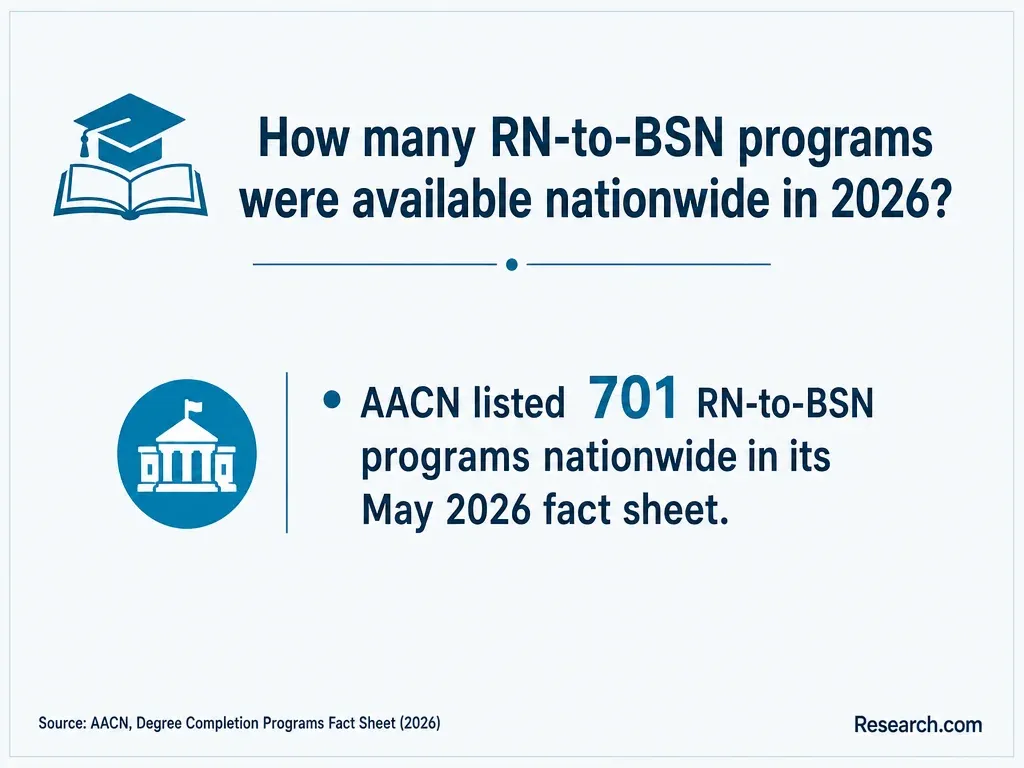
Do not confuse a flexible degree-completion format with coaching preparation. Online RN-to-BSN clinical requirement comparisons may help an RN considering a bachelor's degree, but the degree program's practice requirements say little about whether a separate coaching course offers observed sessions and feedback.
Course titles vary, but useful training teaches a repeatable coaching process: establishing an agreement, listening without prematurely directing, helping clients set meaningful goals, and evaluating progress. For an RN, the curriculum should also address professional boundaries, health equity, documentation, and when a coaching conversation must become a clinical referral or escalation.
Look for opportunities to practice full sessions and receive specific feedback, not just lectures on communication. Ask how instructors assess listening, goal-setting, and boundary decisions. A course about nutrition or chronic disease may add context, but content knowledge alone does not establish coaching ability.
The distinction matters when comparing graduate options. Accelerated mental health NP master's coursework prepares nurses for a different role with advanced clinical requirements; it is not interchangeable with coaching coursework.
Check what, exactly, a program claims is recognized. Institutional accreditation applies to a college or university; nursing program accreditation, such as ACEN or CCNE accreditation where applicable, applies within its stated scope. Neither automatically approves a separate coaching course for a professional certification exam. A course provider's "certificate" means the provider says you completed its requirements - not that a credentialing organization has certified you.
If certification is your goal, verify the program against the specific credentialing organization's current eligibility rules before paying. Confirm whether its training, practice, supervision, and documentation will count. State boards of nursing govern nursing practice; credentialing bodies set certification requirements; employers decide which credentials they value.
That distinction also applies to advanced practice: Short-format family NP certificates for graduate nurses serve a different purpose and must be evaluated against NP certification and state requirements, not nurse coach standards.
Nurse health coaches may work for health systems, insurers, employer wellness programs, community organizations, or their own businesses. Job titles overlap with care manager, patient educator, and wellness coach, but the mix of nursing assessment, coaching, outreach, and administrative work varies. A remote job may still have state-specific practice restrictions, productivity targets, scheduled calls, and an assigned caseload.
There is no separate US Bureau of Labor Statistics wage or growth category for nurse health coaches. BLS registered-nurse figures describe the broader RN occupation, not what a coaching employer will offer or what an independent business will earn. Compare actual postings and offers by base pay, benefits, expected caseload, paid documentation time, license requirements, and whether compensation depends on client volume. Independent coaches must also account for business expenses and unpaid time.
If compensation is driving the transition, compare roles rather than assuming another credential raises coaching pay. Planning an accelerated PMHNP certificate concerns advanced psychiatric practice for eligible graduate nurses, with different responsibilities and requirements - not a faster route to a health coach salary.
How Can RNs Choose a Reputable Nurse Health Coach Program?
Begin with several target job postings, then work backward. A program is a better investment when its training addresses a demonstrated hiring requirement or a skill you cannot readily develop through employer-supported practice. Before enrolling, get these answers in writing:
- Which credential, if any, is the program designed to support, and does the credentialing organization currently recognize this training?
- How many sessions involve observed coaching, who gives feedback, and what performance must students demonstrate?
- What are the full tuition and fee obligations, refund terms, live-session times, and travel requirements?
- What evidence supports any claims about graduate certification results or employment outcomes, including the reporting period and number of graduates?
If the school cannot answer the first two questions clearly, compare lower-cost training or an employer-sponsored transition before committing. For an RN also considering doctoral study, Accelerated DNP admissions and requirements should be evaluated as a separate academic decision, not as a measure of whether a coach program is reputable.
Other Things You Should Know About Nursing
Yes, if the schedules and employer policies allow it. Check rules on outside work, conflicts of interest, use of patient information, and where you may provide nursing services.
Coaching alone does not authorize prescribing or changing treatment. An RN should follow applicable scope-of-practice rules and refer treatment decisions to the appropriate licensed clinician.
Yes. Review coverage for the specific services, locations, and business arrangement you plan to use; an employer's policy may not cover independent work.
Use a simulated coaching session, a skills-based interview, or a de-identified training exercise completed with permission. Do not include identifiable patient details or confidential employer records in a portfolio.
- Influence of Technology in Supporting Quality and Safety in Nursing Education | nih.gov https://pmc.ncbi.nlm.nih.gov/articles/PMC9514973/
- Health Care Worker Certification | uscis.gov https://www.uscis.gov/working-in-the-united-states/temporary-workers/health-care-worker-certification
- Nursing Professional Development Evidence-Based Practice | nih.gov https://www.ncbi.nlm.nih.gov/books/NBK589676/
- GA R&R - GAC - Chapter 410-10 STANDARDS OF PRACTICE AND UNPROFESSIONAL CONDUCT https://rules.sos.ga.gov/gac/410-10
- Nurse Health Coach: How to Become One & What to Expect | RegisteredNursing.org https://www.registerednursing.org/specialty/nurse-health-coach/
- What Is a Nurse Coach and How Do You Become One? | ANA https://www.nursingworld.org/content-hub/resources/nursing-resources/is-nurse-coaching-right-for-you/
- Nurse Coach - American Holistic Nurses https://www.ahncc.org/certification/holistic-nurse-coach/
- What Is a Nurse Health Coach & How To Become One | NSHCOA https://www.nshcoa.com/what-is-a-nurse-health-coach-and-how-to-become-one/
- Domain 2: Person-Centered Care | aacnnursing.org https://www.aacnnursing.org/essentials/tool-kit/domains-concepts/person-centered-care
- NBHWC Health & Wellness Coach Scope of Practice https://nbhwc.org/scope-of-practice/