2027 Do Transfer Students Need Exit Counseling?

Co-Founder and Chief Data Scientist
Leaving one college for another can trigger federal loan exit counseling even if you are not finished with school. Federal Student Aid portfolio data showed more than $1.6 trillion in outstanding federal student loan debt across roughly 43 million borrowers in 2024, so missing a repayment notice is not a small administrative issue.
This guide is for transfer, stop-out, returning, and re-enrolling students who need to know when counseling is required, what happens to grace periods and deferment, and how to coordinate both schools before a balance becomes a repayment problem.
Key Things You Should Know
- Transfer students generally must complete federal Direct Loan exit counseling when they leave a school, withdraw, graduate, or drop below half-time enrollment, even if they plan to enroll somewhere else.
- Transferring does not erase a federal loan's six-month grace period; qualifying half-time enrollment at the next eligible school may preserve in-school deferment, but reporting delays can create confusion.
- With more than $1.6 trillion in federal student loans outstanding in 2024, transfer students should verify loan servicer, enrollment, repayment plan, and contact information before changing schools.
Do transfer students have to complete federal loan exit counseling when they leave a school?
Yes, in many cases. A transfer student with federal student loans must complete exit counseling for the school they are leaving when they cease to be enrolled at least half time there. The requirement is tied to your enrollment status at the departing institution, not to whether you intend to continue your education somewhere else.
Exit counseling is a federal loan requirement designed to make sure borrowers understand repayment, interest, grace periods, deferment, forbearance, loan servicers, and consequences of default. For transfer students, the key issue is timing: your old school may see you as withdrawn or no longer enrolled before your new school reports you as enrolled.
The table below summarizes the most common transfer scenarios and how the federal exit counseling rule usually applies. Use it as a decision guide, but confirm with your financial aid office because schools may use different academic calendars, census dates, and enrollment reporting timelines.
| Student situation | Is federal exit counseling usually required? | Why it matters |
| You leave one college and have not yet started at the new college | Yes | Your old school reports that you are no longer enrolled at least half time, which triggers exit counseling. |
| You transfer directly and start the next term at least half time | Usually yes at the old school | The counseling requirement can still apply, but repayment may not begin if your new enrollment is reported on time. |
| You drop below half time before transferring | Yes | Dropping below half time is a separate trigger for exit counseling and can start or use your grace period. |
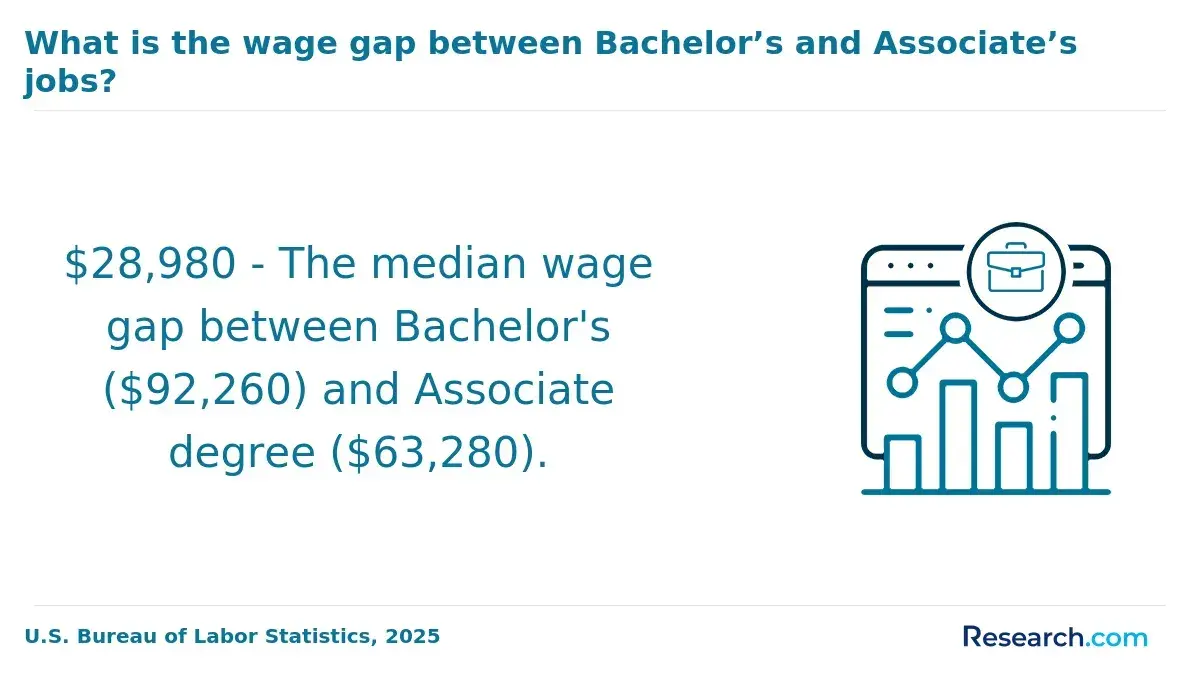
| You graduate from a community college and transfer to a bachelor's program | Yes | Graduation from the first school triggers exit counseling even when a bachelor's program is next. |
| You only had grants or scholarships and no loans | No federal loan exit counseling | Exit counseling applies to student loan borrowers, not to students who only received aid that does not have to be repaid. |
The practical takeaway is simple: if you borrowed federal student loans at the school you are leaving, assume exit counseling may be required and complete it promptly. It usually takes less time than fixing a mistaken delinquency notice later.
In what situations is exit counseling required if you plan to transfer or re-enroll elsewhere?
Exit counseling is required when your enrollment status changes in a way that tells your school and loan servicer you are no longer an active at-least-half-time student. For transfer students, that can happen even when the transfer is planned and academically successful.
The following situations commonly trigger federal loan exit counseling. Reviewing them before you file withdrawal paperwork or accept a transfer offer can help you avoid repayment surprises.
- You officially withdraw from your current school before starting at the next institution.
- You stop attending classes and the school administratively withdraws you.
- You graduate from a two-year program and later begin a four-year program.
- You drop below half-time enrollment while finishing prerequisites or waiting for transfer admission.
- You take a semester or longer off between schools.
- You change from a degree-seeking program to nondegree or visiting-student status that does not qualify for federal in-school deferment.
- You leave a school where you borrowed federal loans, even if your credits transfer successfully.
Students moving between community colleges, bachelor's programs, or associate degrees should pay special attention to the exact enrollment category at the new school. Being accepted is not the same as being enrolled at least half time for federal loan purposes.
A common mistake is assuming that transfer admission automatically protects you from repayment. It does not. Your servicer generally relies on enrollment reporting from eligible schools, and there can be a gap between the date you leave one institution and the date your new enrollment is reported.
How does exit counseling work for transfer students with multiple federal loans or schools?
Transfer students often have loans from more than one school year, more than one institution, or more than one loan program. Exit counseling does not create a new loan, consolidate your loans, or move your debt to the new college. It is an information and disclosure step that helps you understand the loans you already borrowed.
The table below explains how different loan records can interact when you transfer. This is useful if you attended multiple schools, changed majors, or borrowed across several academic years.
| Loan or school record | What exit counseling covers | What the new school controls |
| Direct Subsidized and Direct Unsubsidized Loans from the old school | Repayment responsibilities, grace period rules, servicer contact, interest, and repayment plan options | Whether future enrollment is reported as eligible for in-school deferment |
| Graduate PLUS Loans | Repayment, interest, deferment, and borrower obligations for graduate borrowing | Enrollment reporting if you continue in an eligible graduate or professional program |
| Loans from multiple prior schools | Usually visible through your federal loan account and loan servicer records | The new school does not manage old loan balances, but it reports current enrollment |
| Federal Perkins Loans, if you have older loans | May involve school-based or servicer-based counseling rules | The new school generally does not administer Perkins Loans from a previous institution |
| Private or institutional loans | Not covered by federal exit counseling unless the school has a separate process | Depends on the lender or institutional loan agreement |
If you have loans from several schools, your most important task is to identify the loan servicer for each loan. Federal loans can be reviewed through your Federal Student Aid account, while private or institutional loans may require checking your credit report, school billing office, or lender emails.
Another common mistake is assuming the new school's financial aid office can change repayment terms on old loans. It usually cannot. The new school can certify your new aid and report eligible enrollment, but repayment plan selection, deferment processing, and billing questions typically go through your loan servicer.
Does transferring to another college pause, reset, or affect your federal loan repayment timeline?
Transferring can affect your repayment timeline, but it does not reset your federal loan history. The most important concept is the six-month grace period that applies to many Direct Subsidized and Direct Unsubsidized Loans after you leave school, graduate, or drop below half time. If you re-enroll at least half time before the grace period is used up, your loans may return to in-school deferment.
However, the grace period is not always restored after it is fully used. If you take a long break between schools and use the entire grace period, your loans may enter repayment before or during your next enrollment unless you qualify for an in-school deferment or another postponement option. Graduate PLUS and Parent PLUS rules can differ, so borrowers should check the specific loan type.
Transfer timing matters most in these situations. The list below shows where students often run into repayment confusion.
- A summer transfer gap may be harmless if your new school reports at-least-half-time enrollment quickly, but you should still monitor your servicer account.
- A one-semester break can use a substantial portion of the grace period and may lead to repayment notices.
- A full year away from school can move loans into repayment unless you qualify for deferment, forbearance, or another status.
- Starting at the new school below half time may not qualify for in-school deferment, even if you are degree-seeking.
- Late enrollment reporting can cause your servicer to send bills even when you are already attending classes.
If you are choosing an accelerated degree program to reduce time out of school, ask when the institution reports enrollment to the National Student Loan Data System. A fast program can still create loan problems if your enrollment status is not reported accurately and on time.
The safest approach is to complete exit counseling, save confirmation records, enroll at least half time if that is your plan, and check your servicer account after the new term begins. Do not rely only on admissions emails or course registration screens as proof that your loans are in deferment.
What information is covered in federal loan exit counseling that transfer students should understand?
Federal loan exit counseling is not just a formality. For transfer students, it is often the first clear snapshot of how much they borrowed before moving to the next school. That matters because transfer students may focus heavily on credits, admission, housing, or major requirements while underestimating how old debt affects future aid and repayment choices.
Exit counseling generally covers several topics that directly affect transfer decisions. These topics help you understand not only what you owe, but also how your next enrollment choice can affect repayment risk.
- Your loan balance and loan types, including whether you have subsidized, unsubsidized, PLUS, or older federal loans.
- Your loan servicer and how to update contact information so bills and notices reach you.
- Interest accrual, including when unpaid interest may increase the total amount you repay.
- Grace period rules and when repayment may begin if you do not re-enroll at least half time.
- Repayment plan options, including standard, graduated, extended, and income-driven repayment plans where available.
- Deferment and forbearance options, including the difference between postponing payment and reducing long-term cost.
- Delinquency and default consequences, including credit damage, collection costs, and loss of some federal aid eligibility.
For adult learners comparing the best degrees for older adults, exit counseling can be especially useful because repayment timelines may overlap with work, family obligations, retirement planning, or employer tuition benefits. The right decision is not always the fastest program; it is the program that fits your budget, credit-transfer plan, and repayment capacity.
A major current trend is that more loan communication happens through digital portals, automated enrollment reporting, and servicer email notices. This can help borrowers track information faster, but it also means an outdated email address or ignored servicer message can cause real problems. After exit counseling, update your contact information immediately with both your school and loan servicer.
How do you complete online exit counseling before transferring to a new institution?
Most federal student loan borrowers complete exit counseling online through the Federal Student Aid website using their account credentials. Your school may also give you instructions through its financial aid portal, student account system, or exit checklist.
The process is usually straightforward, but transfer students should complete it carefully because the answers can affect how well you understand repayment timing. Follow these steps before you leave the old school or as soon as the school notifies you.
- Gather your Federal Student Aid login, current contact information, driver's license or state ID details if requested, and information for references.
- Log in to StudentAid.gov and choose the federal loan exit counseling option for your loan type.
- Review your loan balances, interest, servicer information, repayment options, and deferment rules.
- Enter or confirm your expected next school if the system requests educational plans, but remember that listing a school is not the same as enrollment reporting.
- Complete all required modules and submit the counseling session.
- Save or print the confirmation page for your records.
- Send proof of completion to your departing school if its financial aid office requests it.
- After your new term begins, check your loan servicer account to confirm your enrollment status is showing correctly.
Do not wait until the last day of the term if your school has a financial aid exit checklist, graduation clearance process, or transfer withdrawal form. Completing counseling early gives you time to fix login issues, incorrect contact information, or missing loan records.
If you cannot access the online tool, contact your departing school's financial aid office. Schools can explain alternative completion procedures, but you should still keep written confirmation of what you completed and when.
What happens if a transfer student skips required exit counseling on federal loans?
Skipping required exit counseling does not make your loans disappear and does not usually stop the federal loan system from moving forward. Your school and loan servicer can still treat you as withdrawn, graduated, or below half time based on enrollment records.
The consequences are mostly practical and financial. They often come from missed information rather than from a separate penalty for not clicking through counseling.
- You may miss the name of your loan servicer and fail to notice the first repayment bill.
- You may misunderstand when your grace period starts or ends.
- You may not learn that interest can continue accruing on certain loans while you are out of school.
- You may miss repayment plan options that could make payments more manageable.
- You may ignore delinquency notices because they are sent to an old email or mailing address.
- Your departing school may keep reminding you to complete an exit requirement as part of its administrative process.
The biggest risk is not the counseling requirement itself; it is losing track of your loans during a complicated transfer. A student who moves, changes email addresses, waits for credit evaluation, and starts at a new school several months later can easily miss a servicer notice.
If you skipped counseling, fix it quickly. Complete the online session, update your servicer contact information, confirm your current enrollment status, and ask whether any payment is due. If a bill has already arrived and you cannot pay, contact the servicer before the due date to discuss repayment plan, deferment, or forbearance options.
How do exit counseling requirements differ for federal, institutional, and private student loans?
Not all education loans follow the same counseling rules. Federal exit counseling is only one category. A transfer student may also have institutional loans from the school, state-based loans, private loans, emergency loans, or payment plans that use different agreements.
The table below compares the main loan categories. It can help you decide which office or lender to contact before transferring.
| Loan type | Who sets the rules? | Is federal exit counseling enough? | What transfer students should verify |
| Federal Direct Subsidized and Unsubsidized Loans | U.S. Department of Education and federal loan regulations | Usually yes for the federal requirement | Grace period, servicer, repayment plan, and in-school deferment status |
| Graduate PLUS Loans | U.S. Department of Education and federal loan regulations | Federal exit counseling may apply to the student borrower | Interest, repayment start date, deferment options, and graduate enrollment status |
| Parent PLUS Loans | U.S. Department of Education and the parent borrower's loan terms | Student exit counseling does not replace parent borrower responsibilities | Whether the parent requested deferment and when repayment is due |
| Institutional loans | The school or its loan administrator | No | Separate exit interview, billing office rules, interest, and repayment schedule |
| Private student loans | Private lender contract | No | Cosigner obligations, in-school deferment availability, interest rate, and repayment start date |
Private loans deserve extra caution because they may not offer the same repayment protections as federal loans. Some lenders provide in-school deferment for transfer students, but the borrower may need to submit proof of enrollment directly. Do not assume the new school will automatically report private loan enrollment to every lender.
Institutional loans can also be easy to overlook because they may appear on a school bill rather than in your federal loan dashboard. Before leaving, ask the student accounts or bursar's office whether you have any school-based loan, emergency loan, unpaid balance, or payment plan obligation.
How should transfer students coordinate exit counseling with financial aid at both schools?
Transfer students should treat exit counseling as part of a larger financial aid handoff between two institutions. The old school closes out your prior enrollment and aid. The new school evaluates your aid eligibility, transfer credits, cost of attendance, and enrollment status. A mistake on either side can affect billing or repayment timing.
Use the following coordination checklist before and after you transfer. It focuses on the offices most likely to control the information your loan servicer receives.
- Ask the departing school when it will report your last date of attendance or below-half-time status.
- Complete federal exit counseling and save confirmation for your records.
- Confirm whether the departing school has separate requirements for institutional loans, Perkins Loans, or unpaid balances.
- Ask the new school when it reports enrollment for federal loan purposes and whether your course load qualifies as at least half time.
- Verify that your name, Social Security number, date of birth, and contact information match across both schools and your Federal Student Aid account.
- Check whether accepted transfer credits change your class level, aid eligibility, or remaining loan limits.
- Review your loan servicer account two to four weeks after the new term begins to confirm enrollment status.
- Contact your servicer immediately if you receive a bill while enrolled at least half time.
If you are finishing an associates degree online before entering a bachelor's program, ask both institutions how completion dates, conferral dates, and transfer start dates are reported. A short academic gap can still matter if it causes your servicer to believe you are no longer eligible for in-school deferment.
The best questions to ask are specific. Instead of asking, "Will my loans be okay?" ask, "What date will you report that I am no longer enrolled at least half time?" and "When will the new school report my at-least-half-time enrollment?" Those two dates tell you far more about repayment timing.
What financial planning and debt-management steps should transfer students take after exit counseling?
Exit counseling gives you loan information; your next job is to turn that information into a transfer budget. This is especially important because transfer students often compare tuition but forget fees, housing changes, transportation, lost work hours, and borrowing limits.
College Board reported that average published tuition and fees for full-time students in 2024-25 were $4,050 at public two-year colleges, $11,610 for in-state students at public four-year colleges, and $43,350 at private nonprofit four-year colleges. These figures are not your net price, but they show why transfer planning should compare total cost, not just whether credits will be accepted.
The table below organizes major cost and debt factors transfer students should evaluate after exit counseling. It is meant to help you compare schools more realistically before taking on additional loans.
| Planning factor | Why it affects transfer affordability | What to compare |
| Remaining credits | Lost credits can add semesters and borrowing | Accepted credits, major requirements, residency requirements |
| Net price | Sticker price may differ sharply from actual cost after grants and scholarships | Financial aid offer, fees, housing, books, transportation |
| Loan limits | Prior borrowing can reduce remaining federal loan eligibility | Annual limits, aggregate limits, dependency status, class level |
| Work schedule | Reduced income can increase borrowing need | Program schedule, commute, online options, internship expectations |
| Repayment fit | Old loans and new loans combine into one broader financial picture | Estimated payment, income outlook, servicer options, emergency savings |
After counseling, take a few practical steps before accepting a new loan package. These steps can reduce the chance of borrowing more than your degree plan can justify.
- Download your loan summary and write down your total federal loan balance.
- Estimate how much more you would need to borrow at each transfer option.
- Ask for a degree audit showing exactly which credits apply to your new major.
- Compare the net price of each school after grants, scholarships, employer benefits, and realistic living costs.
- Use your servicer's repayment estimator to see how additional borrowing could affect monthly payments.
- Consider paying interest while in school if you can afford it, especially on unsubsidized or PLUS loans.
- Keep an emergency fund so a delayed aid disbursement does not force high-interest borrowing.
- Recheck repayment plan rules before leaving school because income-driven repayment options and servicing procedures can change.
If graduate school is your next move, do not choose the easiest master's degree only to postpone repayment or remain enrolled. A stronger decision compares career relevance, accreditation, employer recognition, total debt, and whether the credential improves your realistic earning or advancement path.
The most avoidable mistake is treating transfer as purely academic. A successful transfer also requires a loan plan, a credit plan, and a repayment plan. If all three align, exit counseling becomes less of a warning sign and more of a useful checkpoint.
Other Things You Should Know About
Usually, yes. If you borrowed federal student loans and are leaving your current school, that school may require exit counseling even if you will enroll at another eligible institution next term.
No. Exit counseling explains repayment, but it does not automatically mean a payment is due immediately. Your repayment timing depends on your loan type, grace period, enrollment status, and whether your new school reports at-least-half-time enrollment.
Generally, no. Exit counseling is connected to the loans and enrollment status at the school you are leaving. Your new school can report new enrollment, but it usually does not clear the old school's exit requirement.
Contact your loan servicer and your new school's financial aid office right away. Ask whether your at-least-half-time enrollment has been reported and whether you need to submit proof of enrollment, request deferment, or choose a repayment plan.
References
- How Does Student Loan Exit Counseling Work https://www.citizensbank.com/learning/student-loan-exit-counseling.aspx
- Financial Aid for Transfer Students: Q&A | Coalition for College https://www.coalitionforcollegeaccess.org/mycoalition-counselor-all/navigating-financial-aid-as-a-transfer-student
- Why do I have to complete exit counseling? https://myccp.online/financial-aid/faq/why-do-i-have-complete-exit-counseling
- 3 Major Student Loan Shakeups That Impact Forgiveness and Repayment https://www.studentloanplanner.com/pslf-pause-mohela-transfer-idr-deadline/
- What is Exit Counseling? https://support.relay.edu/kb/article/345-what-is-exit-counseling/
- Student Loan Exit Counseling: How Does It Work? - Credible https://www.credible.com/refinance-student-loans/exit-counseling
- What Is Student Loan Exit Counseling? - ELFI https://www.elfi.com/what-is-student-loan-exit-counseling/
- What Is Student Loan Exit Counseling? | SoFi https://www.sofi.com/learn/content/student-loan-exit-counseling/
- Exit and Entrance Counseling - Finaid https://finaid.org/educators/loancounseling/
- Exit counselling on student loans https://talk.collegeconfidential.com/t/exit-counselling-on-student-loans/1723931