
Interview with an HR Software Expert: Answering Student’s Most Common Questions

Co-Founder and Chief Data Scientist
Choosing a career in human resources can feel overwhelming, especially when HR software, artificial intelligence, and academic career paths are evolving so fast. Many students want to know how tools like applicant tracking systems, HCM platforms, and learning management systems are used in the real world. Others wonder how these systems support jobs in research or university settings. It’s hard to find answers that go beyond surface-level advice.
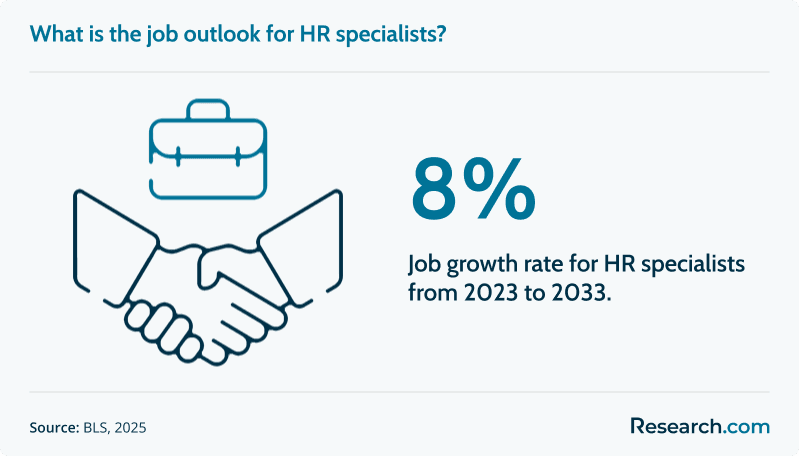
But there’s good news. HR is changing in exciting ways—and fast. Employment of human resources specialists is expected to grow by 8% from 2023 to 2033, faster than most careers. That growth means more jobs, innovation, and ways for students to use software tools that help job seekers and institutions.
To help explain what’s changing—and how students can prepare—we spoke with HR software experts. In this interview, you’ll learn how AI shapes hiring, how HR software supports faculty and researchers, and why HR tools are helping people take control of their careers. With insights curated by the Research.com team, this article provides students with a clear understanding of how modern HR software works and how to utilize it to advance their careers in HR or academia.
Experts We Interviewed
- Gergő Vari - CEO, Lensa
- Jyothis KS - Co-Founder, Zappyhire
- What is the state of the U.S. HR software market, and what trends are shaping it?
- How do Lensa and Zappyhire stand out when supporting academic institutions and research careers?
- How can HR software support complex role arrangements in academia, such as for adjuncts and research staff?
- Can HR software support faculty development and reviews in research-heavy universities?
- How can HR software help track credentials, research, and professional growth across campuses?
- What HR tools should every student learn?
- What does an HR career look like in today’s tech-driven world?
What is the state of the U.S. HR software market, and what trends are shaping it?
As digital tools like applicant tracking systems (ATS) and AI platforms increasingly automate routine tasks, it’s essential to understand the trends driving these changes and what they mean for both recruiters and job seekers. This section provides insight into the innovations that shape how we connect people with jobs today.
- Gergő Vari: “Job seekers and recruiters are already experiencing significant growth and transformation. It is not only AI that is rapidly changing the HR software market, but also the demand for improving the job seeker lifecycle and talent acquisition.”
He identified three major trends currently shaping the industry. The first, AI automation, is changing how recruiting happens.
- Gergő Vari: “Modern Applicant Tracking Systems (ATS) now leverage AI to streamline recruitment processes, automate candidate sourcing, and improve job-candidate matching efficiency, saving recruiters time and improving hiring outcomes.”
These systems automate candidate sourcing and enhance how jobs are matched to applicants, ultimately saving recruiters time and improving hiring success.
Likewise, HR platforms, Vari explained, are analyzing data from résumés, job listings, talent profiles, and even broader labor trends, allowing "organizations to make more strategic decisions about workforce planning and talent development," he said. The third trend, according to Vari, is the emergence of all-in-one HR solutions, reflecting the growing demand for more comprehensive platforms.
- Gergő Vari: “Companies are moving toward integrated platforms that manage everything from job applications to onboarding and career development. These solutions often include AI-driven job recommendations, personalized career pathing, and engagement tools to create a smoother, more supportive journey for job seekers."
Jyothis KS confirmed this broader transformation, noting the rise of “agentic AI,” smart automation, and outcome-based talent analytics. AI now powers resume parsing, interview analysis, and auto-generated job descriptions, speeding up the hiring process and enhancing personalization.
- Jyothis KS: “With distributed teams becoming the norm, HR tools must support remote onboarding, asynchronous interviews, and continuous engagement.”
He also pointed to growing investments in tools that reduce bias and support diversity, equity, and inclusion (DEI). Meanwhile, many companies are adopting skills-based hiring practices, utilizing assessments and simulations to match individuals with roles based on their abilities, not just their credentials.
Another key change is the push for integration. As Jyothis noted, HR tools are increasingly required to integrate with learning management systems (LMSs), ERP platforms, and academic databases, especially in research and higher education settings.
These insights reflect a significant shift in HR software from basic hiring tools to powerful platforms that guide long-term talent development. AI isn’t just helping recruiters work faster; it’s also helping organizations find stronger matches and supporting employee growth within the company. That’s especially important for those aiming to climb the professional ladder, such as those on the career path to hiring manager roles. Integrated HR platforms can now recommend steps, training programs, and skill-building activities that help early-career professionals move into leadership positions.
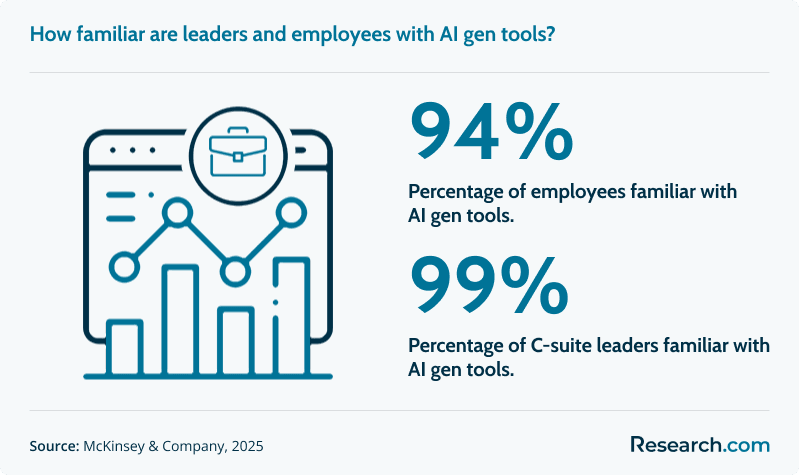
McKinsey’s 2025 report backs this up. Nearly 90% of business leaders believe AI will boost revenue within three years. In HR, this means organizations are investing in software that makes hiring easier and improves long-term talent outcomes. As more companies turn to all-in-one solutions, students entering the HR space should understand how these platforms work and why they’re becoming central to modern workforce planning.
How do Lensa and Zappyhire stand out when supporting academic institutions and research careers?
In today’s crowded job platform market, it can be tough to tell which service truly supports academic and research professionals. Many platforms focus on traditional corporate roles, leaving out those with more complex and specialized paths, like adjunct faculty, researchers, or grant-funded staff. That’s why understanding how platforms like Lensa and Zappyhire differentiate themselves is essential, especially if you’re pursuing an HR recruiter career path in education or research settings. These jobs often require tailored tools and deeper insights to match candidates with roles that reflect their skills and goals.
- Gergő Vari: “Lensa is an AI-powered career platform designed to provide a deeply personalized experience and real career advancement opportunities for U.S. job seekers... [It] offers tailored insights into opportunities at some of the nation’s most prestigious academic institutions and research organizations like Harvard, MIT, UC Berkeley, NIH, NASA or Lawrence Berkeley Lab."
Vari explained that Lensa supports academics across the full career journey—not just with listings but also with tools that help candidates transition between roles, refine their CVs, and prepare for interviews. The platform connects users with peer reviews and institutional insights, helping them understand the work culture at top research centers. Job recommendations are tailored to each individual's academic background and goals, making Lensa a practical tool for faculty, researchers, and postdoctoral researchers navigating complex career paths.
- Jyothis KS: “Zappyhire stands out by helping organizations hire faster... In a competitive market, reducing time-to-hire is key, and Zappyhire makes that possible through smart automation and AI.”
Though Zappyhire focuses more broadly on organizational hiring, its flexible architecture works well in academic settings. Jyothis noted that the platform supports complex hiring situations, such as project-based or part-time faculty roles, by automating repetitive tasks and streamlining the candidate screening process. The result is faster, more accurate hiring, even when institutional requirements vary by department or funding source.
This tailored approach is critical given the ongoing hiring challenges in education. According to recent 2025 survey data, over 60% of U.S. public schools reported a shortage of qualified teaching candidates, and 62% said they didn’t have enough applicants. This means platforms that surface highly relevant roles, like Lensa, can help fill critical education system gaps.
As more institutions compete for limited talent, platforms that offer deeper insights and user-focused tools will play a key role in solving recruitment struggles. Lensa’s example shows how HR tech can evolve to serve specialized markets while supporting large-scale hiring needs.
The chart below lists the subject areas that have the least filled vacancies in public schools, as reported by the NCES in 2024.
How can HR software support complex role arrangements in academia, such as for adjuncts and research staff?
Academic institutions deal with some of the most complex hiring situations. Roles like adjunct professors, research assistants, and grant-funded staff often don’t follow a traditional full-time employment model. These employees might work part-time, across departments, or on temporary contracts tied to specific grants. Understanding what is human resources in this context means recognizing that universities need tools that go far beyond just hiring—they need systems that can handle layered contracts, compliance rules, and dynamic funding sources. That’s where modern HR software comes in.
Gergő Vari highlighted the increasing importance of Recruitment Compliance Management (RCM) systems, such as Workday and PeopleSoft, in higher education.
- Gergő Vari: “The aim is to streamline hiring, monitor contract timelines, handle varying pay structures, and centralize employment data for easier planning and reporting. This will reduce manual work and improve accuracy across departments.”
According to Vari, these tools help institutions manage four critical areas: grant-linked payroll, compliance automation, centralized reporting, and real-time staffing insights. He noted that platforms capable of linking employee records to research grants and union policies reduce the risk of error while supporting audits and planning.
Jyothis KS also acknowledged the complexity of academic staffing and how modern tools can aid in this process.
- Jyothis KS: “Each employment type can have its own workflow, document checklist, and approval matrix.”
He shared how platforms like Zappyhire offer features such as automated document collection and credential validation, whether it’s for grant agreements or teaching certifications. These systems also support bulk onboarding, a must-have when hiring large groups of research assistants or adjuncts at the start of a term.
Together, both experts highlight how HR systems can adapt to the shifting needs of academia. From managing multiple job types to ensuring compliance across departments, HR software gives institutions the visibility and automation they need to stay efficient, accurate, and competitive.
As institutions seek more innovative ways to manage limited resources and growing demands, platforms offering centralized visibility and compliance support will be vital. The ability to adapt HR systems for different employee types—from temporary research staff to long-term faculty—can help schools stay competitive and efficient in a complex job market.
Can HR software support faculty development and reviews in research-heavy universities?
In research-intensive institutions, faculty members do far more than teach—they publish, apply for grants, mentor students, and participate in ongoing professional development. Managing all those moving parts manually can quickly become overwhelming. That’s where Human Capital Management (HCM) platforms come in. These systems enable universities to track faculty responsibilities in a centralized manner, thereby improving both performance reviews and long-term development planning.
- Gergő Vari: “Regarding research-intensive environments, research clarity and performance checks are crucial… With HR software systems like HCM platforms, universities can apply all-in-one HR solutions to track research projects, grant activities, teaching performance, and professional development milestones in one centralized system.”
He noted that HCM tools can automatically monitor faculty publications, link grant funding to individual researchers, track teaching evaluations, and document participation in training—all without extra manual input.
Jyothis KS agreed, emphasizing that HR platforms make faculty reviews more structured and growth-oriented.
- Jyothis KS: “It helps set clear goals, collect feedback regularly, and show progress over time. This makes performance reviews more fair, consistent, and helpful.”
He also pointed out that many systems integrate with learning platforms, enabling institutions to offer training programs tailored to individual needs. Tools like ZappyVue, he explained, can even assess performance against specific KPIs, turning reviews into actionable growth plans.
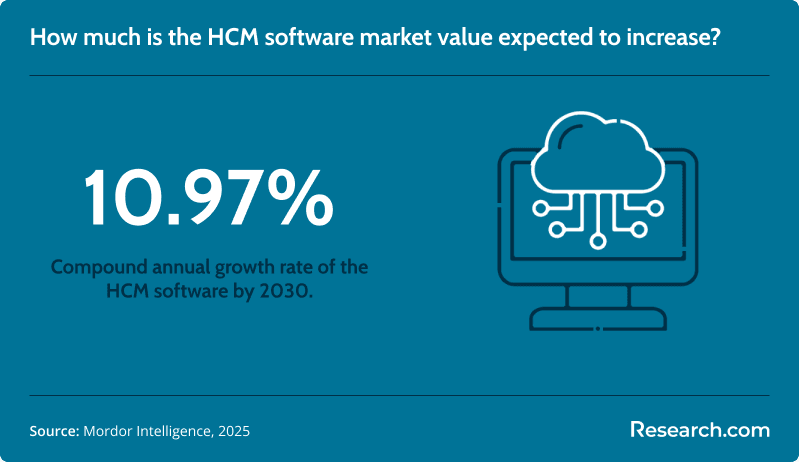
Vari’s insights reflect a growing reality: the demand for data-driven faculty management is increasing fast. With the HCM software market expected to grow from $36.18 billion in 2025 to nearly $61 billion by 2030, institutions are investing in more innovative HR solutions. This growth is driven by the need to centralize data and improve decision-making in complex academic environments.
A good example of how this matters can be seen in faculty who are also continuing their education, like someone earning a masters in psychology online while teaching or conducting research. An HCM platform can help track and align that development effort with institutional goals. It allows universities to see a complete picture of faculty progress, from teaching performance to research output to continuing education.
The chart below lists the most common motivations of employees for working, as published by Deloitte in 2025.
How can HR software help track credentials, research, and professional growth across campuses?
In academic settings, it’s easy for important information, like faculty degrees, research accomplishments, or completed training, to get lost in emails or spreadsheets. That’s where HR software can make a real difference. These systems bring all this information into one place. They help schools and research centers track who has what qualifications, what research is being published, and who’s participating in training programs. This level of tracking matters not only for reporting and audits but also for building strong, forward-thinking academic teams.
- Gergő Vari: “While HR software isn’t built explicitly for academic environments, it can be important in tracking academic credentials, research outputs, and professional development across departments and research centers."
He explained that one of the most significant benefits is breaking down administrative silos. A unified HR platform, according to him, can store everything from faculty degrees and certifications to published research and completed training.
While some of these functions overlap with CRMs, he pointed out that Learning Management Systems (LMSs) are especially useful in higher education.
- Gergő Vari: "Just as LMSs are used in corporate settings to manage employee training, they can also host and organize workshops, certification programs, compliance training, and research ethics courses in academia."
These systems make it easy for faculty to enroll in courses, complete modules, and track their progress in one place. Vari noted that department heads also benefit: LMSs can generate reports that help spot skill gaps, track professional growth, and confirm that grant-funded training requirements are being met, he said.
Speaking on behalf of Lensa, he added that their platform supports academic career development in two key ways.
- Gergő Vari: “[We offer] a dashboard or an online community where researchers and academics can interact with each other and manage their daily discussions around similar topics. The latter would provide insights into different research and academic organizations, how they are reviewed, what are their core perks and disadvantages..”
This approach to tracking development reflects how academic institutions are slowly catching up to corporate training methods. Learning Management Systems offer schools the flexibility and structure to monitor progress in research ethics, publishing, and ongoing education. These systems help uncover skill gaps and improve professional development, without drowning administrators in paperwork. This administrative application is where 28% of employees feel the application of AI tools the most.
HR software also brings transparency and accountability to cross-campus operations. In large research universities, where teams are spread across departments or cities, having centralized records helps keep faculty achievements aligned with strategic goals. That’s especially important when faculty roles depend on meeting training milestones or grant conditions.
What HR tools should every student learn?
Students who plan to work in HR or organizations that rely heavily on digital talent management should become familiar with the tools that help future professionals navigate hiring, employee development, and workforce planning more efficiently. Here are the most essential HR tools every student should learn:
- Applicant Tracking Systems (ATS): Learning platforms like Greenhouse or Lever help students understand how employers sort and review job applications. Knowing how ATS works also helps job seekers improve their résumés for better visibility.
- Human Capital Management (HCM) Platforms: Tools like Workday and SAP SuccessFactors support a wide range of HR needs, from payroll to performance reviews. These platforms are key in corporate and academic settings, where managing complex roles (such as grant-funded staff) is common.
- Learning Management Systems (LMS): LMS platforms like Moodle or TalentLMS track training, certifications, and professional development. These are especially useful in academia and research, where ongoing learning is expected.
- HR Analytics Software: Tools like Visier and Tableau help analyze workforce data. They’re used for strategic decisions like hiring forecasts, diversity metrics, and turnover analysis.
- Employee Engagement Platforms: Platforms like Culture Amp and Officevibe gather feedback from workers and track engagement trends over time. These tools are becoming more critical as companies prioritize employee well-being and retention.
Understanding these tools helps students stay ahead in an HR specialist career path. As AI continues to reshape HR, it’s essential to know where human judgment still matters. In fact, a 2025 study found that 54% of workers feel concerned about the blurred lines between human tasks and what machines do. Knowing how to work alongside technology, not against it, is now critical to modern HR education.
Lensa’s focus on AI-powered career support aligns with this shift. As Gergő Vari noted, platforms must empower users by blending automation with personalized insights. Similarly, Jyothis KS emphasized the value of AI in speeding up hiring while maintaining transparent and targeted decision-making. For students, this means learning tools that process data and support better career decisions.
What does an HR career look like in today’s tech-driven world?
An HR career today is fast-moving, data-driven, and much more strategic than it used to be. Technology now plays a central role in everything from recruiting to retention, and HR professionals are expected to use digital tools just as comfortably as they navigate human relationships. Whether working in a corporate office, a university HR department, or a research center, modern HR roles go far beyond paperwork.
Here’s what a tech-driven HR career looks like now:
- HR Professionals Are Data Translators: Today’s HR teams utilize analytics to gain insights into hiring, engagement, and retention trends. They turn that data into action. For example, adjusting hiring plans when turnover rises or using feedback to redesign employee programs, especially as 92% emphasize an organization's ability to support the workforce's mental, emotional, and psychological well-being. Gergő Vari emphasized how platforms like HCMs help universities align staffing and development with broader institutional goals, based on real-time data.
- Digital Communication Is Key: HR is now expected to keep people informed and engaged across digital platforms—through email campaigns, internal portals, and mobile HR apps. This is especially true in hybrid or remote workplaces. Jyothis KS mentioned how tools like Zappyhire support faster communication and better transparency in the hiring process.
- Automation Has Changed Routine Work: Many day-to-day tasks like scheduling interviews, managing leave requests, and tracking time off are now automated. Jyothis KS highlighted how AI handles repetitive tasks, allowing HR teams more time for strategic decisions. HR workers must focus on tasks that still need a human touch, like conflict resolution, coaching, and employee development.
- Specialization Is Growing: Tech tools have created room for more HR specialties, such as employee experience, HR analytics, and digital learning. Career growth now often means mastering a specific toolset or system.
- Education Paths Are Adapting: With all these changes, HR training is becoming more accessible. Many professionals now turn to flexible programs like
Vari’s earlier comments on platforms like Lensa reflect this shift—career tools aren’t just about job listings but also about navigating modern systems and trends. HR professionals today must be agile, tech-savvy, and ready to lead change rather than manage it.
HR Software and the Future of Academic Careers
As both Gergő Vari and Jyothis KS emphasized, HR software is transforming how academic and research institutions manage talent, streamline hiring, and support long-term career development. These platforms now handle far more than job postings or payroll—they track research contributions, align grant-funded roles with compliance rules, and automate complex workflows. Vari pointed to the value of centralized data for workforce planning and performance tracking. At the same time, Jyothis highlighted how automation accelerates hiring and enables institutions to find the right talent more quickly. Together, their insights show that HR tech isn’t just improving efficiency—it’s enabling more strategic, people-centered decisions in higher education. Institutions that adopt these tools will be better prepared to attract and retain skilled professionals, manage diverse roles, and shape meaningful academic career paths in a changing job market.
More Information About the Experts We Interviewed
Gergő Vari

A natural founder, Gergő Vari got his start selling fruit from his grandfather’s orchard. This early spark led to over 20 years of launching and exiting successful startups. In 2001, he founded Profession.hu, which grew to dominate Hungary’s recruitment market and was acquired by SanomaMedia in 2005. Vari later launched ventures like e-Ventures, Network.hu, and Replise, all reinforcing his belief that hiring is broken. This inspired him to create Lensa—an AI-powered career platform focused on personalized career growth. Today, he leads Lensa in rethinking how people find jobs and build careers through technology that puts people first.
Jyothis KS

Jyothis KS is the co-founder of Zappyhire, a leading AI-powered recruitment automation platform. With a background in engineering and extensive experience in HR tech, he focuses on developing intelligent hiring solutions that enhance recruitment and the candidate experience. He is also an active voice in the future of work and AI in HR.
References:
- Bureau of Labor Statistics (BLS). (2025). Human Resources Specialists. Occupational Outlook Handbook. BLS.
- Deloitte. (2025). 2025 Global Human Capital Trends. Deloitte.
- McKinsey & Company. (2025). Superagency in the workplace: Empowering people to unlock AI’s full potential. McKinsey & Company.
- Mordor Intelligence. (2025). Human Capital Management Software Market Size - Industry Report On Share, Growth Trends & Forecasts Analysis (2025 - 2030). Mordor Intelligence.
- National Center for Education Statistics (NCES). (2024). Most U.S. public elementary and secondary schools faced hiring challenges for the start of the 2024–25 academic year. Press Releases. NCES.


